The Highland Lakes Chapter of the Native Plant Society of Texas (HLNPSOT) is pleased to announce the 2023 spring native plant photography contest for its members.
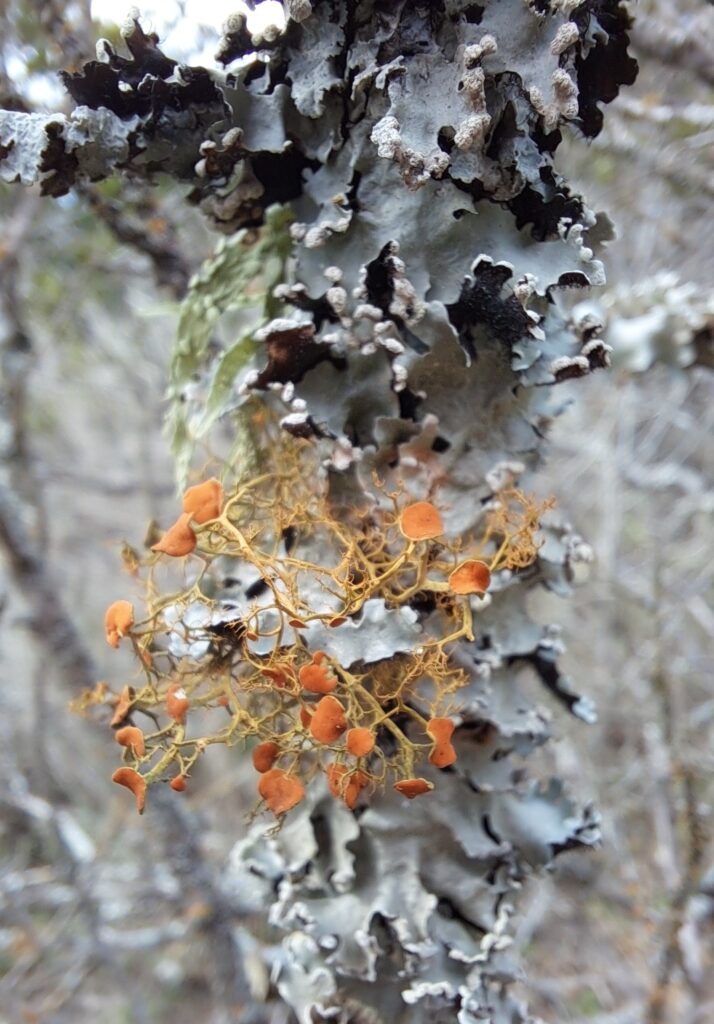
*Subject of Photos*. This year the contest will include any plants, lichens, and fungi which have been photographed in and are *native to our general area* (Burnet, Llano, Blanco, Travis, Williamson, Bell, San Saba, or Lampasas counties).
*What are the Judges Looking for?* Artistry, beauty, imagination, uniqueness, and illustration of plant characteristics. Photos may be of any part of the plant – e.g. leaves, seeds, flower, stem, or any combination. A close-up photo of a flower should include enough of the plant’s leaves to allow for identification. In addition to focus and exposure, the background is an important factor in taking a good photo.
*Who May Submit Photos?* Any active member of HLNPSOT, with the exception of the three judges and the photo collector. If you are unsure of your membership status, please contact Kay Zagst, HLNPSOT Membership Chair.
*How Many Photos May Be Entered?* Each member may submit no more than three photos. While “photoshopping” is not allowed, cropping and digital exposure adjustment is permissible. By submitting photos to this contest, a contestant agrees that HLNPSOT may use the photo or photos (with or without attribution) for any purpose consistent with the mission of the Native Plant Society of Texas.
*How Old May the Photo Be?* Since one of the objects of the contest is to give our members a reason to get out of the house and enjoy nature all photographs must have been taken in 2023 and must be of plants *native to our area* in natural settings (no indoor or greenhouse plants).
*When May Photos be Submitted?* Entries should be submitted by email beginning March 1. The deadline for submitting entries is April 30. Entries will be acknowledged by return email.
*How Should Photos be Submitted?* Entries should be submitted by email to Judy MacArthur Clark. Each email should include the words ‘HLNPSOT Photo Contest’ in the title and have just one photo attached to avoid excessively large emails. Each entrant may send up to three emails, one for each entered photo. The entries should include the submitter’s name, approximate location, and date where the photograph was taken. The plant or plants in the photo must be identified (if you have photos of fungi or lichens that you cannot ID, you may still submit them). *Make sure you receive an acknowledgment from Judy for each photo you send her*. The photos will be passed on to the judges with an identifier known only to Judy.
The judges (Marvin Bloomquist, Donna Cagle. and Terri Whaley) will complete the judging in time for the winners to be announced at the May HLNPSOT meeting. The prizewinning photos will appear in the Newsletter.
*Prizes.* Cash or gift cards will be awarded to the winners.