
Prairie Spiderwort

Tradescantia occidentalis

Other common name(s):

Western Spiderwort, Spiderwort

Family:

Commelinaceae (Spiderwort Family)

Plant Ecoregion Distribution Map

This map uses data from the US EPA. EPA  servers have been offline frequently so maps may not display. We are working on a solution.

Central Great Plains, Chihuahuan Deserts, Cross Timbers, East Central Texas Plains, Edwards Plateau, Gulf Coast Prairies and Marshes, High Plains, Southwestern Tablelands, Texas Blackland Prairies, Western Gulf Coastal Plain
Broken Red Plains, Limestone Plains, Red Prairie
Chihuahuan Basins and Playas, Chihuahuan Desert Grasslands, Chihuahuan Montane Woodlands, Low Mountains and Bajadas, Stockton Plateau
Carbonate Cross Timbers, Eastern Cross Timbers, Grand Prairie, Limestone Cut Plain, Western Cross Timbers
Bastrop Lost Pines, Floodplains and Low Terraces2, Northern Post Oak Savanna, Northern Prairie Outliers, San Antonio Prairie, Southern Post Oak Savanna
Balcones Canyonlands, Edwards Plateau Woodland, Llano Uplift, Semiarid Edwards Plateau
Coastal Sand Plain, Lower Rio Grande Alluvial Floodplain, Lower Rio Grande Valley, Southern Subhumid Gulf Coastal Prairies, Texas-Louisiana Coastal Marshes
Arid Llano Estacado, Canadian/Cimarron High Plains, Llano Estacado, Rolling Sand Plains, Shinnery Sands
Canadian/Cimarron Breaks, Caprock Canyons Badlands Breaks, Flat Tablelands and Valleys, Semiarid Canadian Breaks
Floodplains and Low Terraces1, Northern Blackland Prairie, Southern Blackland Prairie
Southern Tertiary Uplands

Plant Characteristics

Growth Form

Herbaceous

Height

1.5
to
3
ft.

Spread

0.5
to
1
ft.

Leaf Retention

Semi Evergreen

Lifespan

Perennial

Habitat and Care Requirements

Soil Type(s)

Calcareous, Dry, Granitic, Limestone, Rocky, Sand, Well Drained

Light Requirement

Sun, Part Shade

Water Requirement

Low

Native Habitat

Grassland, Riparian, Woodland

Bloom and Attraction

Bloom Color

Blue, Pink, Purple

Bloom Season

Spring, Summer, Fall

Seasonal Interest

Pollen

Wildlife Benefit

Bees

Maintenance

Grows in a variety of well-drained soils. A long-flowering plant that works well in a herbaceous border or wildflower meadow. Young growth may be eaten by slugs. Native habitat: prairie, meadows, pastures, woodlands’ edge, riparian habitats, rocky hillsides in grasslands, chaparral, oak and pine-oak forest to ponderosa pine on granitic and limestone substrate, riparian habitats.

Description

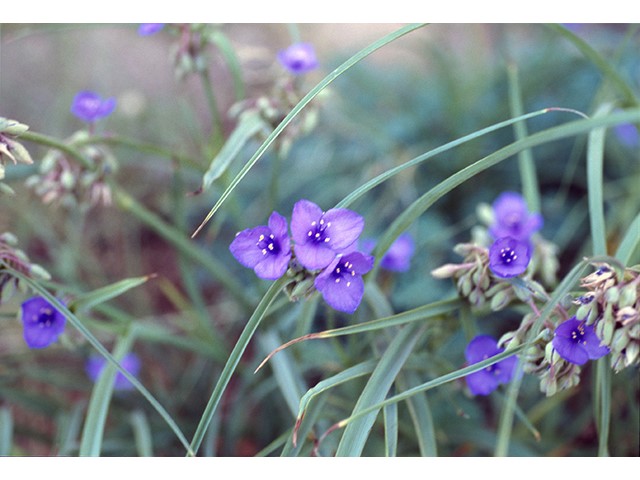
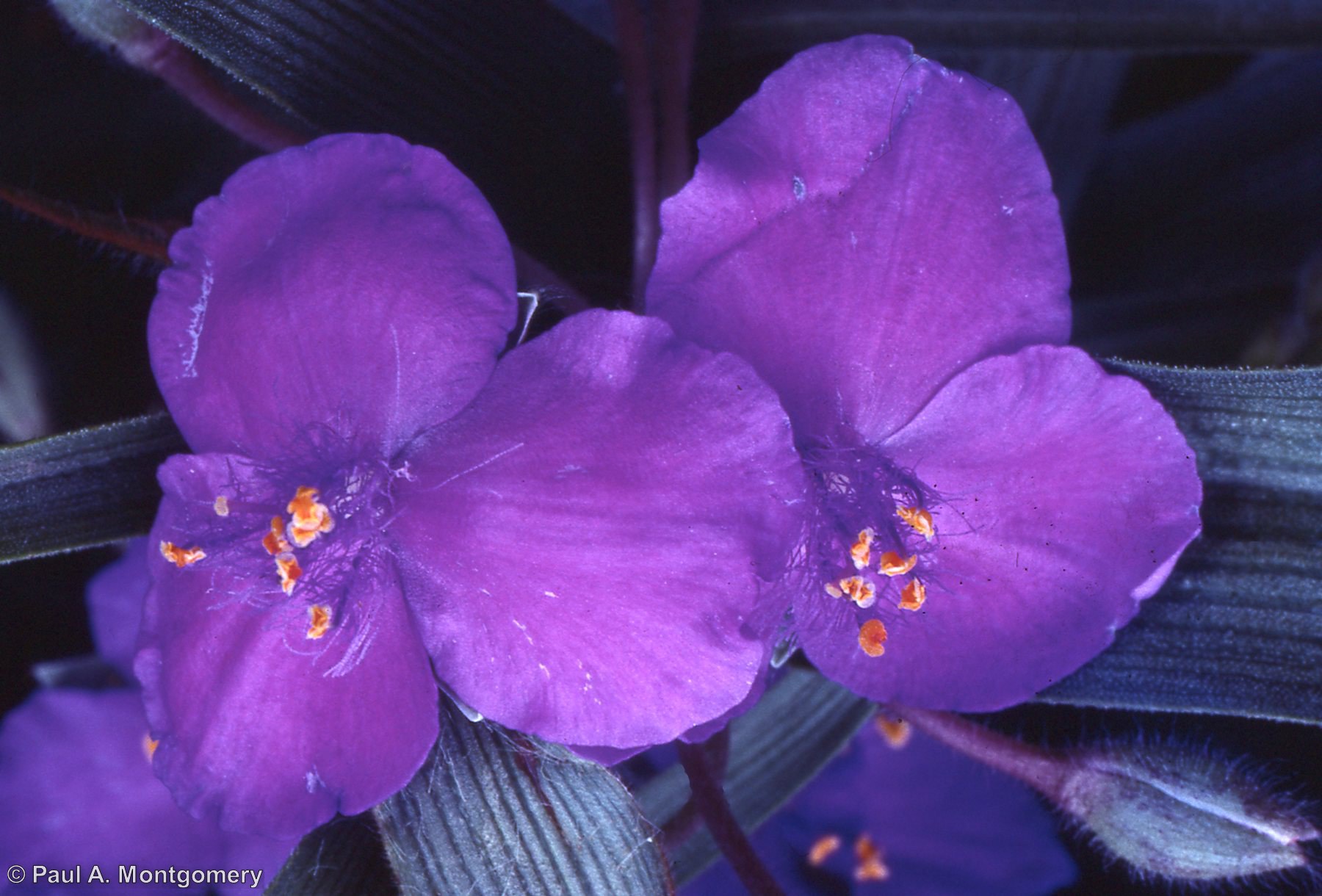
Blooms March-October. Erect, branching stems. Leaves are long and narrow. Several flowers, in clusters at stem or branch ends, with bracts below that are similar to the leaves. Flowers have three blue-violet to rose petals, which close by mid-day and last only one day. The fruit is a capsule.
Material Treatment Method Collection References
Stem Cutting Ensure you have clean, sharp scissors or pruning shears. Sterilize the blades with rubbing alcohol or a 10% bleach solution to prevent the spread of diseases. Make a clean cut just below a node. Remove the lower leaves to expose the nodes, leaving at least two or three leaves on the upper part of the stem for photosynthesis. Place the cutting in a glass of water or a moist potting mix. Ensure the nodes are submerged in water or buried in the potting mix. Place the setup in a location that receives bright, indirect light. Change the water every few days or keep the soil lightly moist. Roots should begin to form in 1-3 weeks. Once substantial roots have developed, transplant the cutting into a suitable pot with well-draining soil. After propagating western Spiderwort, position the new plant in a location that receives bright, indirect light. Water the plant consistently, allowing the top inch of soil to dry between watering. Western Spiderwort enjoys high humidity, so consider using a humidity tray or misting the leaves. Choose a healthy stem from western Spiderwort that is at least 4-6 inches long. Make sure the stem has several nodes, as these will help in root development. The optimal periods for propagating western Spiderwort are spring and summer, using cutting methods. These seasons offer favorable conditions with mild temperatures and increased daylight, which are critical for root generation and growth. The longer daylight periods in these months also provide sufficient light for photosynthesis, important for the successful establishment of new plants. https://www.picturethisai.com/care/propagate/Tradescantia_occidentalis.html

About the Region

2026 Fall Symposium Logo

This low-elevations region of Texas extends inland from the barrier islands, about 60 or so miles, and stretches from Brownsville to Louisiana. In total, it covers about 9.5 million acres, with a high point of 150 feet in elevation. More than 1000 species of plants can be found in this region. On the southern end, species more common in Mexico (such as Sabal mexicana) and Central America occur.

The barrier islands provide us with dune systems, and clay flats to the inland side, which have species found in these areas alone. Many plants here, such as Ipomoea pes-caprae (beach morning glory), can be found throughout tropical regions of the globe. I’ve encountered the same species on the beaches of Guam.

Once inland, vast marshes and wet prairies occur. Occasionally, oak (Quercus fusiformis) groves can be found. Common grasses include species of Bothriochloa, Paspalum, and Sporobolus; eastern gamagrass (Tripsacum dactyloides); and switchgrass (Panicum species). Many rivers and creeks cut through the Gulf Prairies, and along these riparian areas various species of trees, Sabal minor, and other plants adapted to clay soils can be found. Due to overgrazing, farming, and fire suppression, woody species such as mesquite (Prosopis glandulosa) and huisache (Acacia farnesiana), and invasive species such as chinaberry (Melia azedarach), Brazilian pepper (Schinus terebinthifolius), and Chinese tallow (Sapium sebiferum) have increased and displaced our native flora.

Source: Wildflowers of Texas by Michael Eason