
Native Plant Society of Texas logo

Protecting the Texas environment through conservation, research and utilization of native plants

Native Plant Database

Search for plants that fit your landscape by soil type, sun/shade, height, and more

Native Plants ...

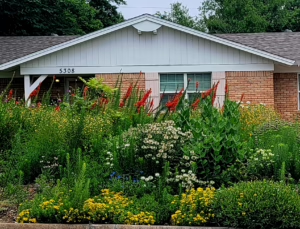
Are drought-tolerant, naturally conserving our precious water resources

Provide habitat and food for birds, butterflies, bees and other wildlife

Don’t need special pampering or fertilizing

Are natural to their ecosystem

Help us maintain biological biodiversity

Bird perched on a native plant
NICE (Natives Improve and conserve environments). Native plant partners logo

Shop Native Plants Near You!

The Native Plant Society of Texas partners with local nurseries and growers. Learn more about our NICE Program and start shopping.

Latest Chapter News

Local chapters across the state help promote the Native Plant Society of Texas mission while providing a social context which many members enjoy. Each chapter chooses projects according to the interests of their members, and organizes local field trips, meetings, plant sales and other events. Most chapters publish their own websites and newsletters.

Collin County

14 on the 14th: Gardening for the Birds in North Texas

Native plants provide birds with essential food like berries and seeds, as well as critical shelter from predators, and nesting sites for raising their young. Below are the trees, shrubs, grasses, perennials, and vines to help create a bird-friendly yard!

Where to see native plants

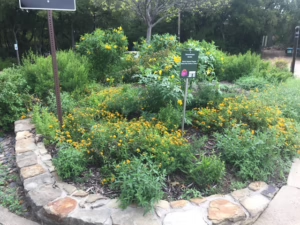
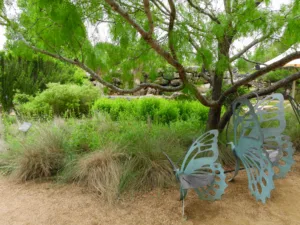
Chapter members support native plant gardens in many cities and parks in Texas.

Demonstration Gardens

Parks, Trails, and Preserves

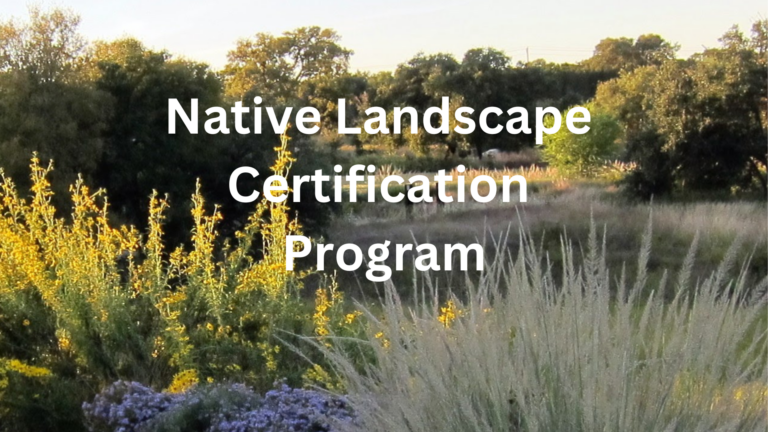
Classes and Native Landscape Certification

Class Descriptions

Level 1 is a prerequisite for Level 2 and for Level 3. Subsequent levels may be taken in any order. NLCP is a state-wide program, but classes focus on the
Learn More »

Gardening for Monarchs

Monarch & Milkweed Resources

Learn about Monarchs Learn about the Monarch Butterfly   Learn about Milkweed Texas Parks and Wildlife Identification of Milkweeds (Illustrated Guide) Learn about Butterfly Gardens Wildflower Center guide to making

Read More »

Monarch Waystation Requirements

Monarch Waystations are places that provide all the resources necessary for monarchs to produce successive generations and sustain their migration. A Monarch Waystation needs milkweeds, nectar plants, and some kind of

Read More »

Garden Grants

Monarch Garden Grants The Native Plant Society of Texas awards small grants to nature centers, schools, educational groups and others to help fund development of Monarch demonstration gardens or Monarch Waystations

Read More »
Fall Symposium 2025 Logo - Teach for the Future

Virtual Event Registration for the 2025 Fall Symposium is open through 10/03/2025!


The NPSOT Fall Symposium is coming to Salado, Texas on October 3, 4, and 5th, 2025!
Register now for the virtual event!

H-E-B Texas Native Plant Celebration

About the Region

Fall Symposium 2025 Logo - Teach for the Future

Salado, the location of our Fall 2025 Symposium, lies at the intersection of two ecoregions: the Edwards Plateau (Limestone Cut Plain) and Blackland Prairie (Northern Blackland Prairie).

The Edwards Plateau area is also called the Hill Country; however, this general term covers a much larger area extending farther north. Spring-fed creeks are found throughout the region; deep limestone canyons, rivers, and lakes (reservoirs) are common. Ashe juniper is perhaps the most common woody species found throughout the region. Additional woody species include various species of oak, with live oak (Quercus fusiformis) being the most common. Sycamores (Platanus occidentalis) and bald cypress (Taxodium distichum) border waterways. This area is well known for its spring wildflower displays, though they may be viewed in spring, late summer, and fall, as well. According to Texas Parks and Wildlife, average annual rainfall in the Edwards Plateau ranges from 15 to 34 inches.

The Blackland Prairie extends from the Red River south to San Antonio, bordered on the west by the Edwards Plateau and the Cross Timbers, and on the east by the Post Oak Savannah. Annual rainfall averages 30 to 40 inches, with higher averages to the east. This region is dominated by prairie species. The most common grass species include little bluestem (Schizachyrium scoparium) and Indian grass (Sorghastrum nutans) in the uplands and switchgrass (Panicum virgatum) in the riparian areas and drainages. Common herbaceous flowering plants include salvias, penstemons, and silphiums. This area has suffered greatly from overgrazing and agricultural use. Few intact areas remain, though many of the plants can be found along county roadsides throughout the region.

Our fall Symposium host chapter, the Tonkawa Chapter, includes both of these ecoregions.

Source: Wildflowers of Texas by Michael Eason