
Loblolly Pine

Pinus taeda

Other common name(s):

Oldfield Pine, Bull Pine, Rosemary Pine

Family:

Pinaceae (Pine Family)

Plant Ecoregion Distribution Map

This map uses data from the US EPA. EPA  servers have been offline frequently so maps may not display. We are working on a solution.

East Central Texas Plains, Gulf Coast Prairies and Marshes, Texas Blackland Prairies, Western Gulf Coastal Plain
Bastrop Lost Pines, Floodplains and Low Terraces2, Northern Post Oak Savanna, Northern Prairie Outliers, San Antonio Prairie, Southern Post Oak Savanna
Northern Humid Gulf Coastal Prairies
Southern Blackland Prairie
Flatwoods, Floodplains and Low Terraces3, Pleistocene Fluvial Terraces, Red River Bottomlands, Southern Tertiary Uplands, Tertiary Uplands

Plant Characteristics

Growth Form

Tree

Height

60
to
100
ft.

Spread

12
to
15
ft.

Leaf Retention

Evergreen

Lifespan

Perennial

Habitat and Care Requirements

Soil Type(s)

Dry, Loam, Sand, Well Drained

Light Requirement

Sun, Part Shade

Water Requirement

Medium

Native Habitat

Grassland, Savanna, Wetland, Woodland

Bloom and Attraction

Bloom Color

Brown, Yellow

Bloom Season

Spring

Seasonal Interest

Larval Host, Nectar, Nesting Material, Seeds

Wildlife Benefit

Birds, Butterflies, Small Mammals

Maintenance

Fast growth rate. Can tolerate flooding and drought. Suffers damage from pine beetles. Needles make excellent mulch. Native habitat: sandy or gravelly savannas, hilly woodlands, moist lowlands to dry uplands, swamp borders.

Description

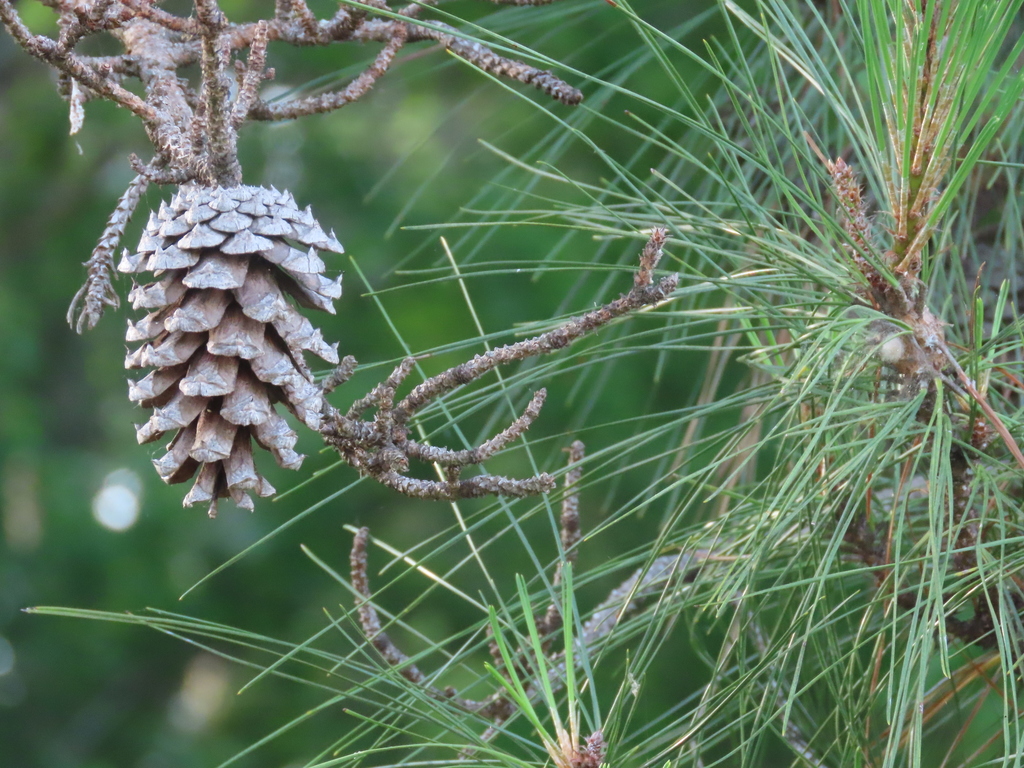
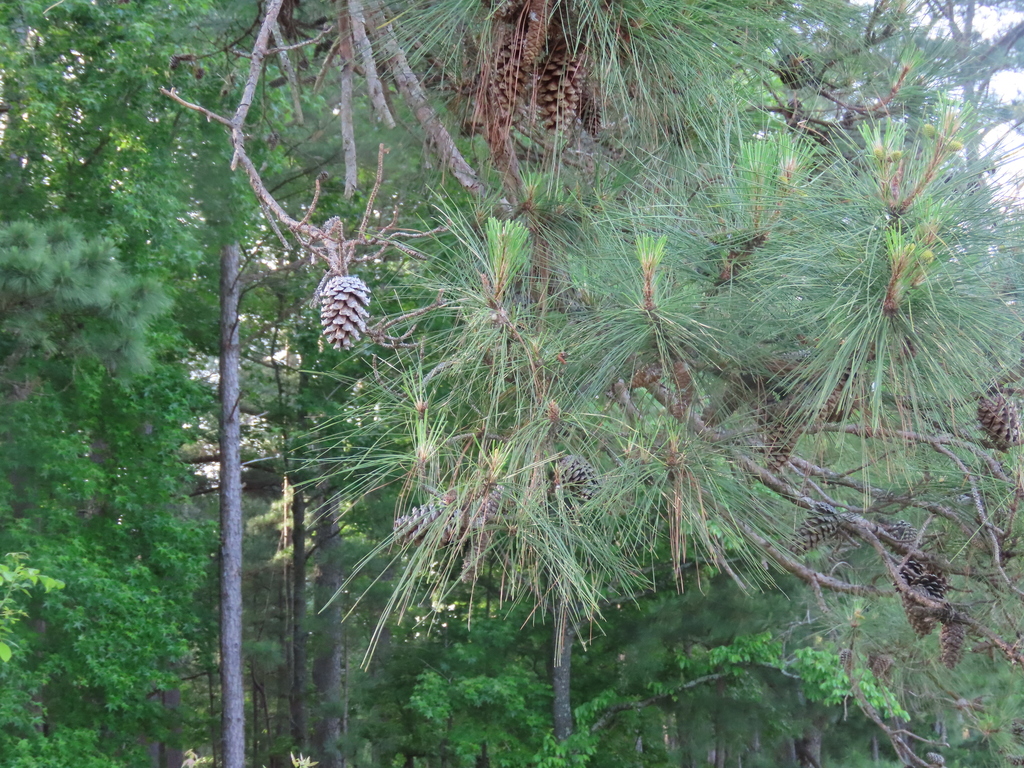
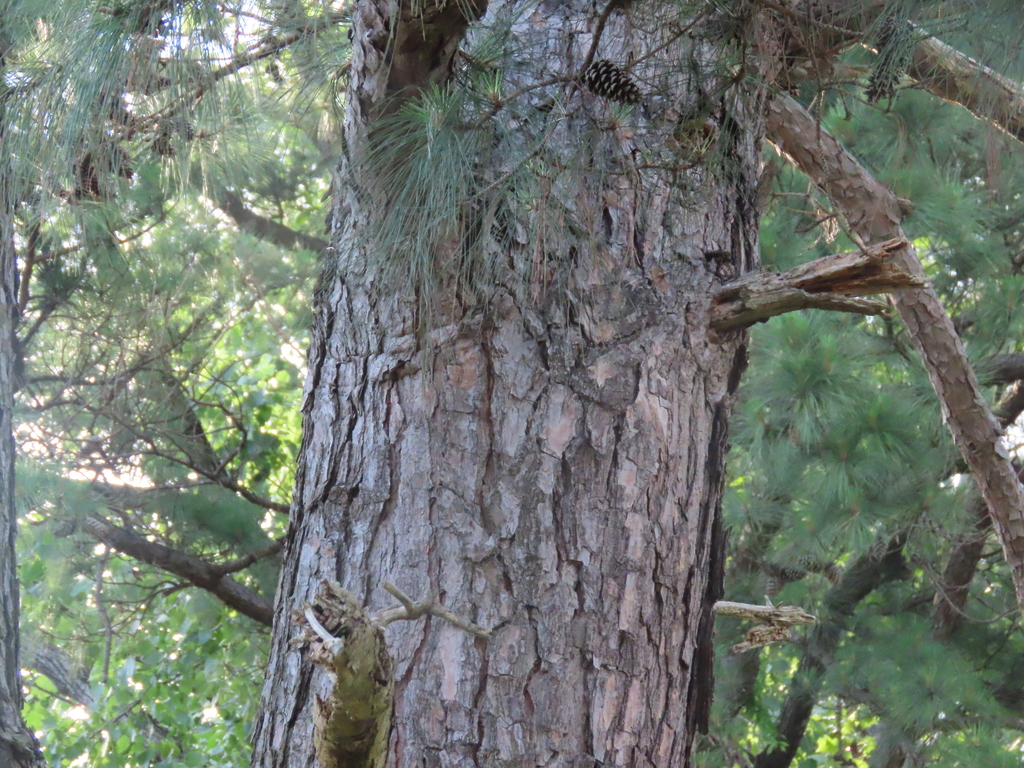
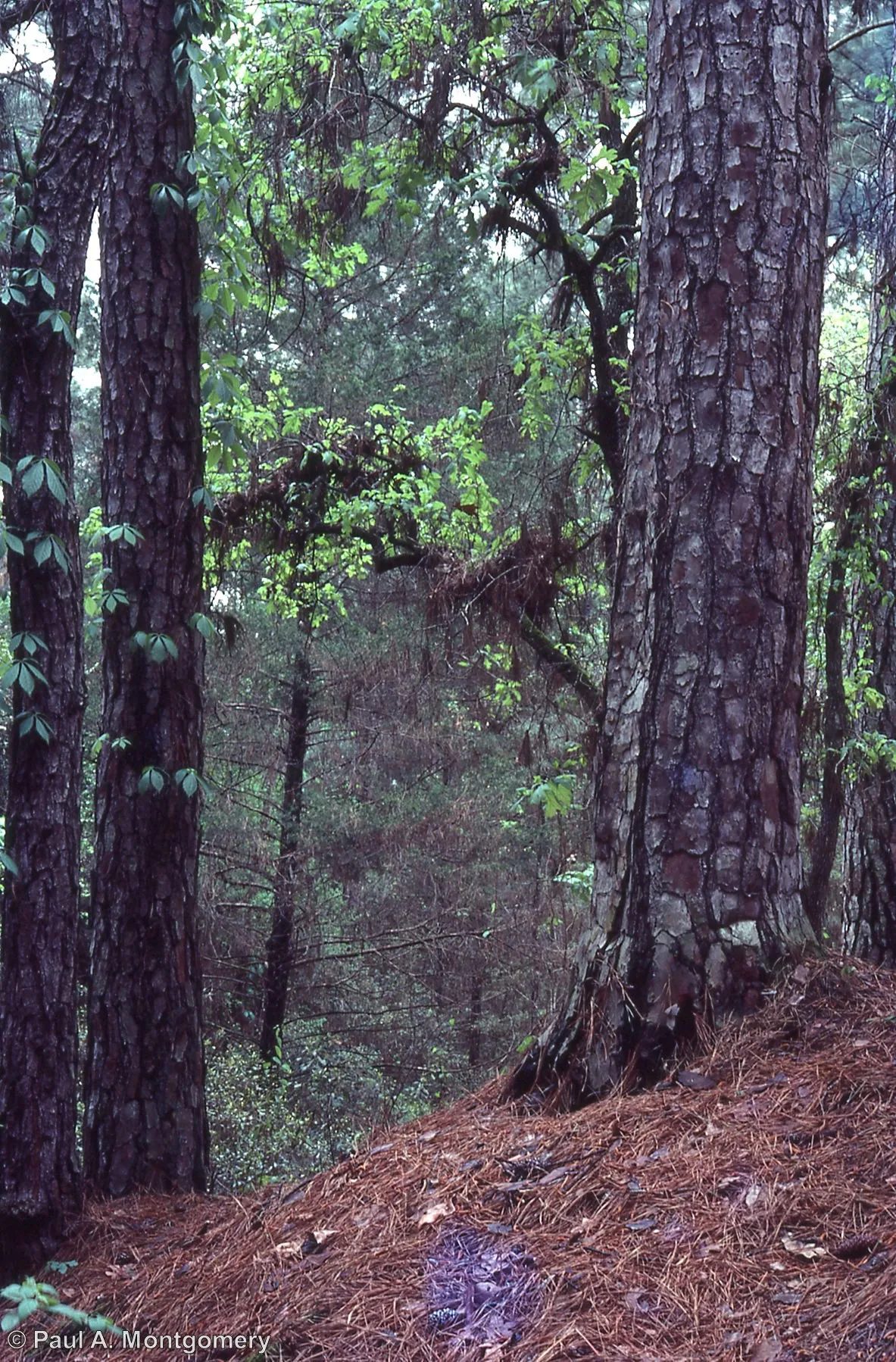
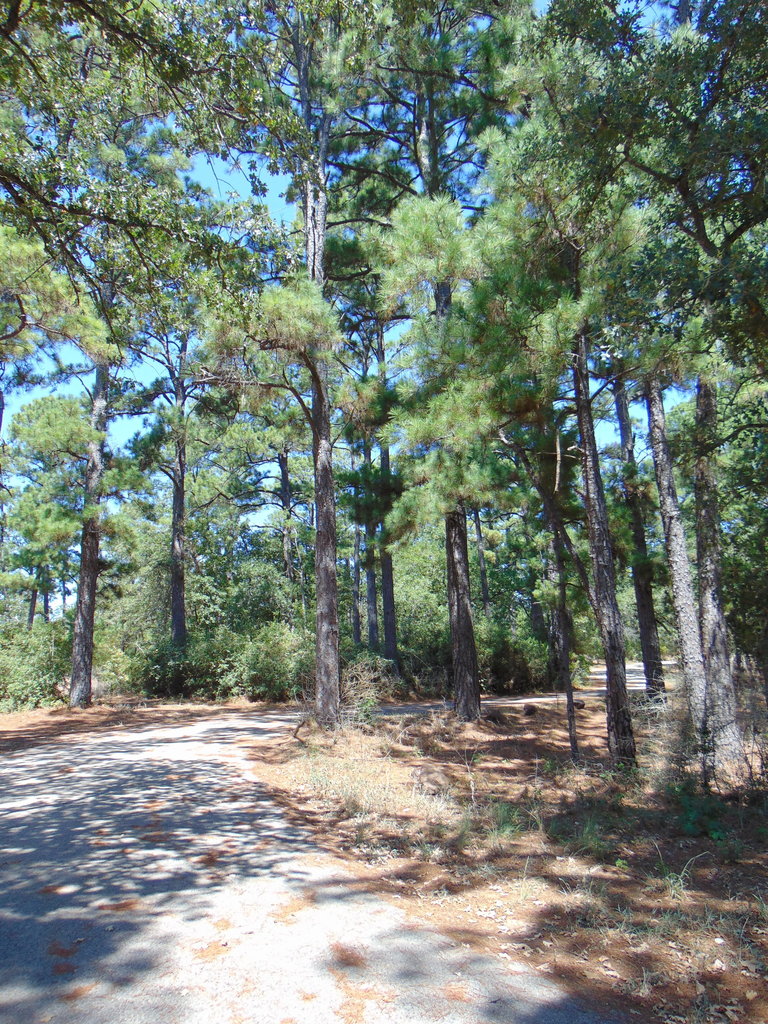
Blooms February-March. A resinous and fragrant tree with a tall straight trunk. The bark has attractive flat brown plates which form a checkerboard pattern. The 4-8″ needles grow in bundles of 3. Seed cones are 3-5″. Pollen cones are yellow to yellowish brown. Provides food and shelter for many birds and mammals. Native bees deposit young in holes in downed branches. Larval host: Elfin Butterfly, Southern Pine Sphinx Moth, and Pale Swallowtail.

References

1) Griffith, Bryce, Omernick & Rodgers (2007). Ecoregions of Texas. 2) Miller, George O., Landscaping with Native Plants of Texas 2nd Ed., 2013, pg 48. 3) Wasowski and Wasowski, Native Texas Plants Landscaping Region by Region, 1991, pg. 319. 4) https://www.itis.gov/servlet/SingleRpt/SingleRpt?search_topic=TSN&search_value=18037#null
Material Treatment Method Collection References
Seed No Treatment Sow fresh, untreated seed in late fall. Seeds sown fresh without treatment can be expected to germinate sporadically over the course of the year. Collect cones from vigorous trees in late summer and fall just before they completely open to drop seeds. Spread cones on racks to dry so they will release seeds. Cones may be shaken to release seeds. 1) https://www.wildflower.org/plants/result.php?id_plant=PITA 2) https://npn.rngr.net/renderNPNProtocolDetails?selectedProtocolIds=pinaceae-pinus-1990 3) https://tfsweb.tamu.edu/elibrary-item/bareroot-and-container-pine-seedlings/ 4) https://sheffields.com/seeds-for-sale/Pinus/taeda///////1095/Loblolly-Pine/Loblolly-Pine 5) https://www.viriar.com/es/blogs/conifer-encyclopedia/pinus-taeda#section-3
Seed Stratification Germination is improved by cold stratification at 35°F - 41°F for a 60 day period followed by sowing. Seeds sown in late fall can be containerized and set out within a month of sprouting, or planted directly in the ground a year from sowing. 1) https://www.wildflower.org/plants/result.php?id_plant=PITA 2) https://npn.rngr.net/renderNPNProtocolDetails?selectedProtocolIds=pinaceae-pinus-1990 3) https://tfsweb.tamu.edu/elibrary-item/bareroot-and-container-pine-seedlings/ 4) https://sheffields.com/seeds-for-sale/Pinus/taeda///////1095/Loblolly-Pine/Loblolly-Pine 5) https://www.viriar.com/es/blogs/conifer-encyclopedia/pinus-taeda#section-3
Cutting Cutting Apply rooting hormone to cuttings and place in moist medium. Bottom heat can improve results. Rooting can take a few weeks. Collect semi-hardwood cuttings between 8"-10" in length in spring, optimally from hedged trees, but any vigorous growth is suitable. 1) https://link.springer.com/article/10.1007/PL00009707 2) https://repository.lib.ncsu.edu/items/7527bf4f-922a-4137-badb-30948a85e326

About the Region

2026 Fall Symposium Logo

This low-elevations region of Texas extends inland from the barrier islands, about 60 or so miles, and stretches from Brownsville to Louisiana. In total, it covers about 9.5 million acres, with a high point of 150 feet in elevation. More than 1000 species of plants can be found in this region. On the southern end, species more common in Mexico (such as Sabal mexicana) and Central America occur.

The barrier islands provide us with dune systems, and clay flats to the inland side, which have species found in these areas alone. Many plants here, such as Ipomoea pes-caprae (beach morning glory), can be found throughout tropical regions of the globe. I’ve encountered the same species on the beaches of Guam.

Once inland, vast marshes and wet prairies occur. Occasionally, oak (Quercus fusiformis) groves can be found. Common grasses include species of Bothriochloa, Paspalum, and Sporobolus; eastern gamagrass (Tripsacum dactyloides); and switchgrass (Panicum species). Many rivers and creeks cut through the Gulf Prairies, and along these riparian areas various species of trees, Sabal minor, and other plants adapted to clay soils can be found. Due to overgrazing, farming, and fire suppression, woody species such as mesquite (Prosopis glandulosa) and huisache (Acacia farnesiana), and invasive species such as chinaberry (Melia azedarach), Brazilian pepper (Schinus terebinthifolius), and Chinese tallow (Sapium sebiferum) have increased and displaced our native flora.

Source: Wildflowers of Texas by Michael Eason