

July 2026

Lakes & Pines Chapter Meeting – “Riverby Ranch – The Rebuilding of a North Texas Century Farm” presented by Brandon Hall
Presentation by Brandon Hall – Details to follow!
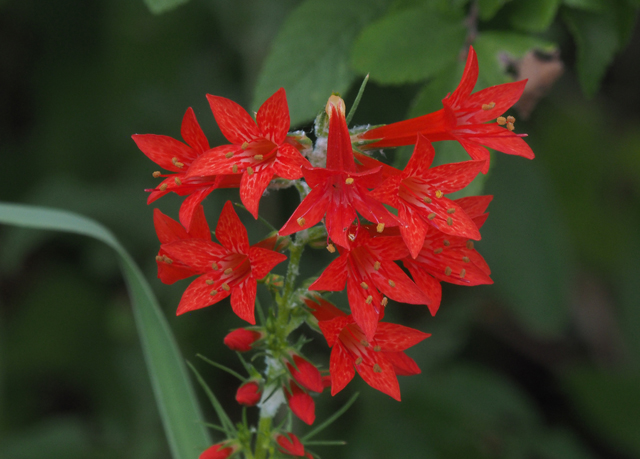
Collin County July Meeting: Native Swagger – Turning Heads with Texas Plants
Our Tuesday July 7th chapter meeting will be available to attend in person at the Heard Museum in McKinney or online via Zoom. The program will feature Andrea DeLong-Amaya speaking on “Native Swagger – Turning Heads with Texas Plants”. Presentation Summary: Native plants are ecological powerhouses, and they represent the botanical heritage of all Texans. […]
No Chapter Meeting, North Central
We do not hold monthly chapter meetings in July. See you next month!
Annual Meeting, in person only – Williamson County Chapter Meeting, July 9
Join NPSOT-Williamson County Thursday, July 9, 2026, for our annual chapter meeting. This month’s meeting is in-person only. Free and open to the public. The meeting begins at 7:00 PM. The agenda includes election results and the presentation of NPSOT membership anniversary pins. ==> This month’s in-person location is the Georgetown Public Library, 2nd floor, 402 West 8th St, […]
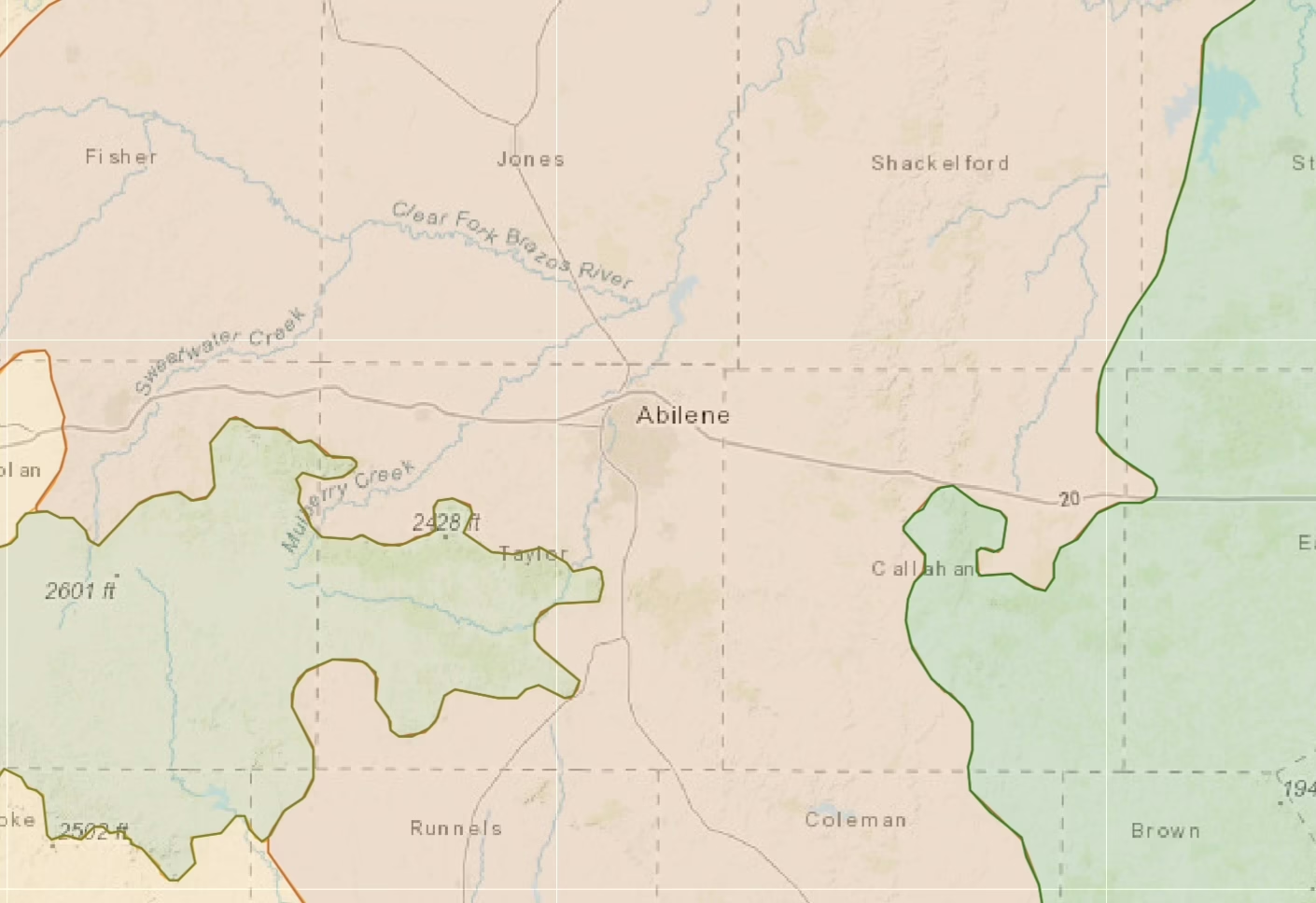
Elm Creek: Monthly Chapter Meeting
Join us for our monthly chapter meeting! We meet the 3rd Wednesday of the month. More details are coming soon.
Chapter Leader Forum
Registration Link: https://npsot-org.zoom.us/meeting/register/pD18cSj6RHaCVRaNm4UsjA Register in advance for this meeting. After registering, you will receive a confirmation email containing information about joining the meeting.
No event found!
