About

History of Society

The Native Plant Society of Texas was started in the Fall of 1980 by Carroll Abbott of Kerrville and sponsored by several members of the
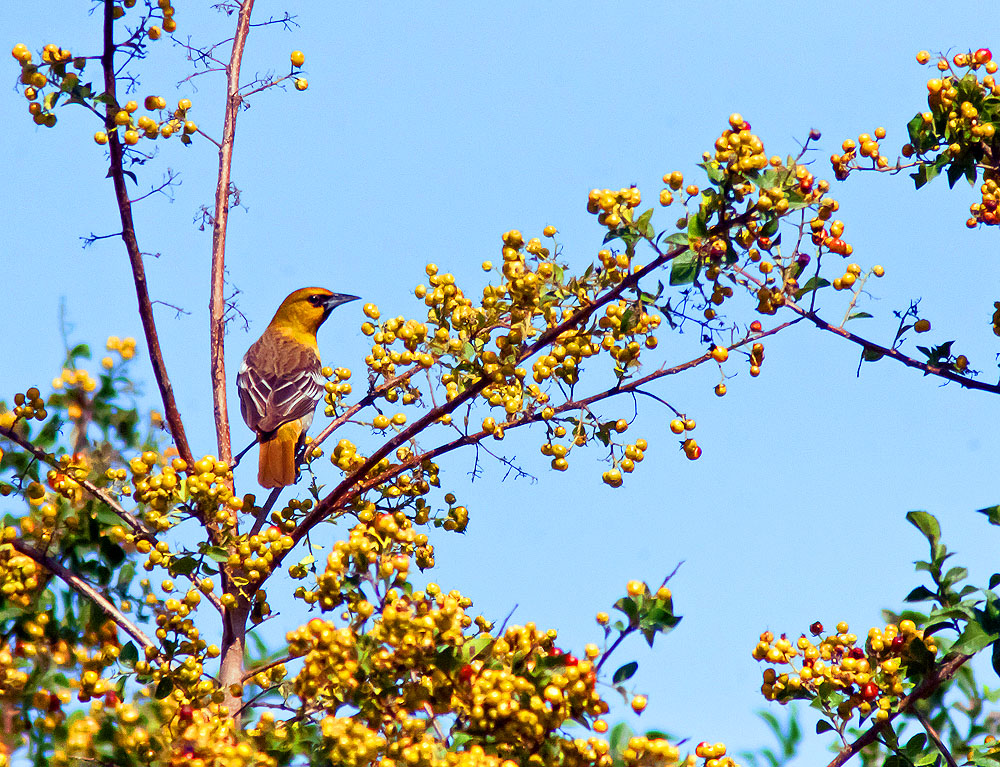
Orange bird in the top branches of a tree with yellow leaves. Set starkly against a blue sky.

Partners

The Native Plant Society of Texas is proud to be affiliated with many organizations who share and support our mission of research, conservation and utilization
Past Presidents

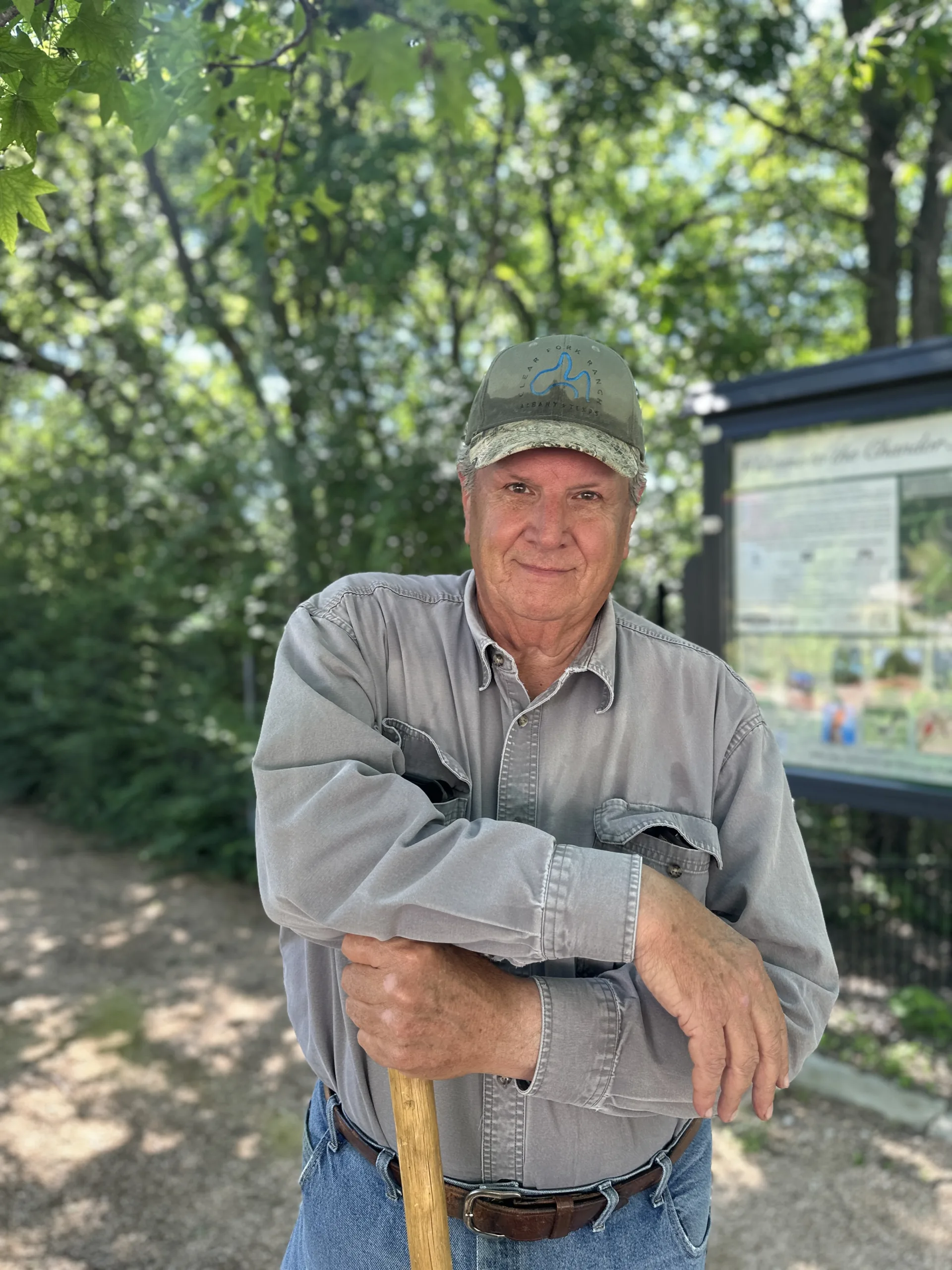
We are fortunate to have been served by many fine leaders as Society presidents.  2024-2025 – Ricky Linex2021-2023 – Linda Knowles2019-2021 – Kim Conrow2017-2019 –
What is a native plant?

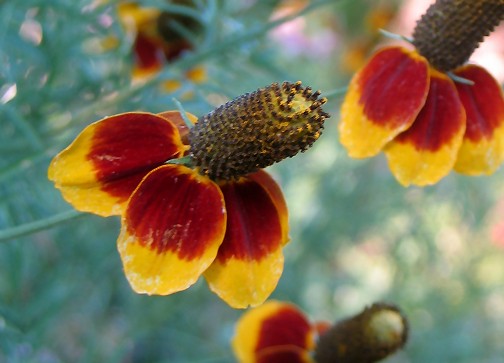
By Bill Ward Botanists say that Texas is home to over 7,000 species of vascular plants, including native, naturalized, non-native, crop and forage, and introduced
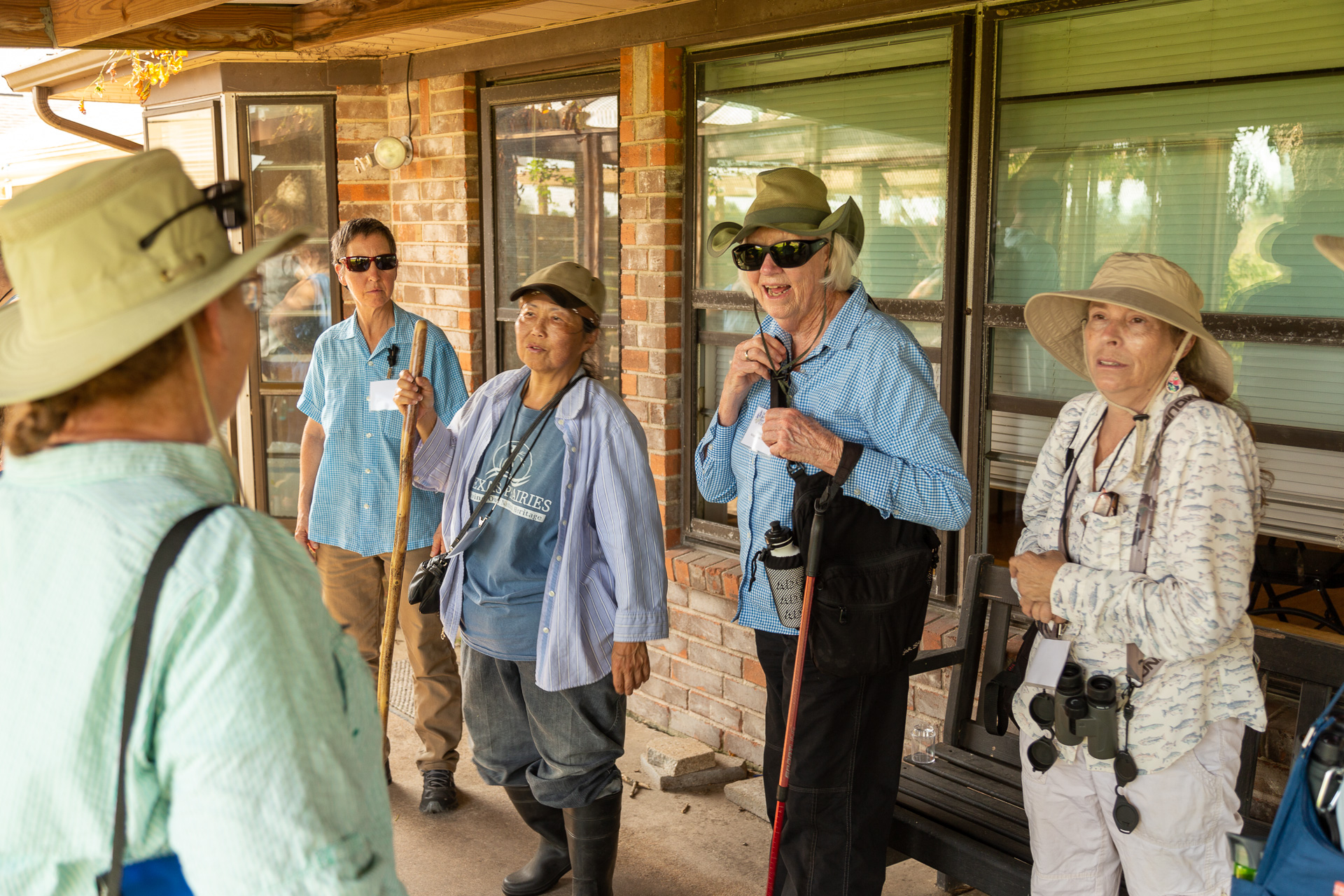
Group of people stand outside, ready for a hike.

Who We Are

Our Mission The mission of the Native Plant Society of Texas is to promote conservation, research and utilization of native plants and plant habitats of
Governance

The Society’s State Board of Directors is composed of the chairs of the state standing committees, all members of the executive committee and the presidents of each chapter. The Board meetings are open to all Society members.

State Board meetings are held in February, May, August, and November each year. See the events calendar for specific upcoming State Board meeting dates and times.

State Board officers comprise the Executive Committee. Each officer serves a two year term. Terms are staggered so that half the officers are elected each year. At the end of the president’s two-year term then the president-elect automatically succeeds. Duties of the elected officers are described in the Standing Rules.

The Executive Committee works to promote the Society and implement its mission. It hires, evaluates the work of, and terminates the Executive Director. The Committee also reviews and develops state governing documents and activities, including, but not limited to, approval of financials, creation of an annual budget for state administrative activities and guidance of state committees.

Executive Committee Members

Staff

Committee Chairs and Appointees

About the Region

2026 Fall Symposium Logo

This low-elevations region of Texas extends inland from the barrier islands, about 60 or so miles, and stretches from Brownsville to Louisiana. In total, it covers about 9.5 million acres, with a high point of 150 feet in elevation. More than 1000 species of plants can be found in this region. On the southern end, species more common in Mexico (such as Sabal mexicana) and Central America occur.

The barrier islands provide us with dune systems, and clay flats to the inland side, which have species found in these areas alone. Many plants here, such as Ipomoea pes-caprae (beach morning glory), can be found throughout tropical regions of the globe. I’ve encountered the same species on the beaches of Guam.

Once inland, vast marshes and wet prairies occur. Occasionally, oak (Quercus fusiformis) groves can be found. Common grasses include species of Bothriochloa, Paspalum, and Sporobolus; eastern gamagrass (Tripsacum dactyloides); and switchgrass (Panicum species). Many rivers and creeks cut through the Gulf Prairies, and along these riparian areas various species of trees, Sabal minor, and other plants adapted to clay soils can be found. Due to overgrazing, farming, and fire suppression, woody species such as mesquite (Prosopis glandulosa) and huisache (Acacia farnesiana), and invasive species such as chinaberry (Melia azedarach), Brazilian pepper (Schinus terebinthifolius), and Chinese tallow (Sapium sebiferum) have increased and displaced our native flora.

Source: Wildflowers of Texas by Michael Eason