

Tag: Trinity Forks Calendar

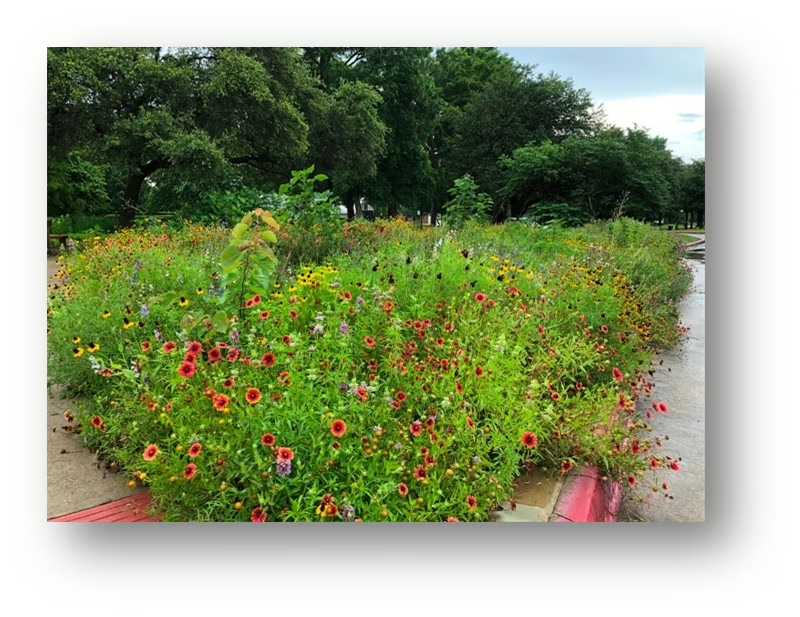
Roots for Wings – Promoting Home Pollinator Gardens 

 Sponsored by the Trinity Forks Chapter of the Native Plant Society of Texas, On-line only. Please register at: https://us02web.zoom.us/meeting/register/O3MOpFeKTYmq7lwngfH2HA Pat Smith, CEO of Serve Denton, shares the inspiring journey of establishing

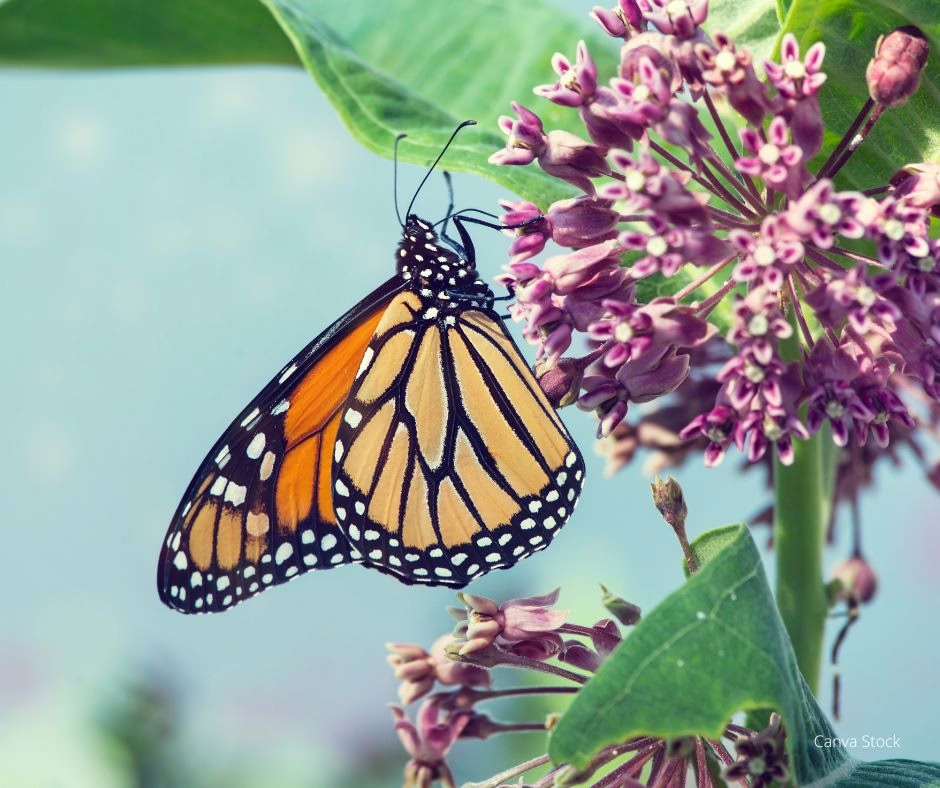
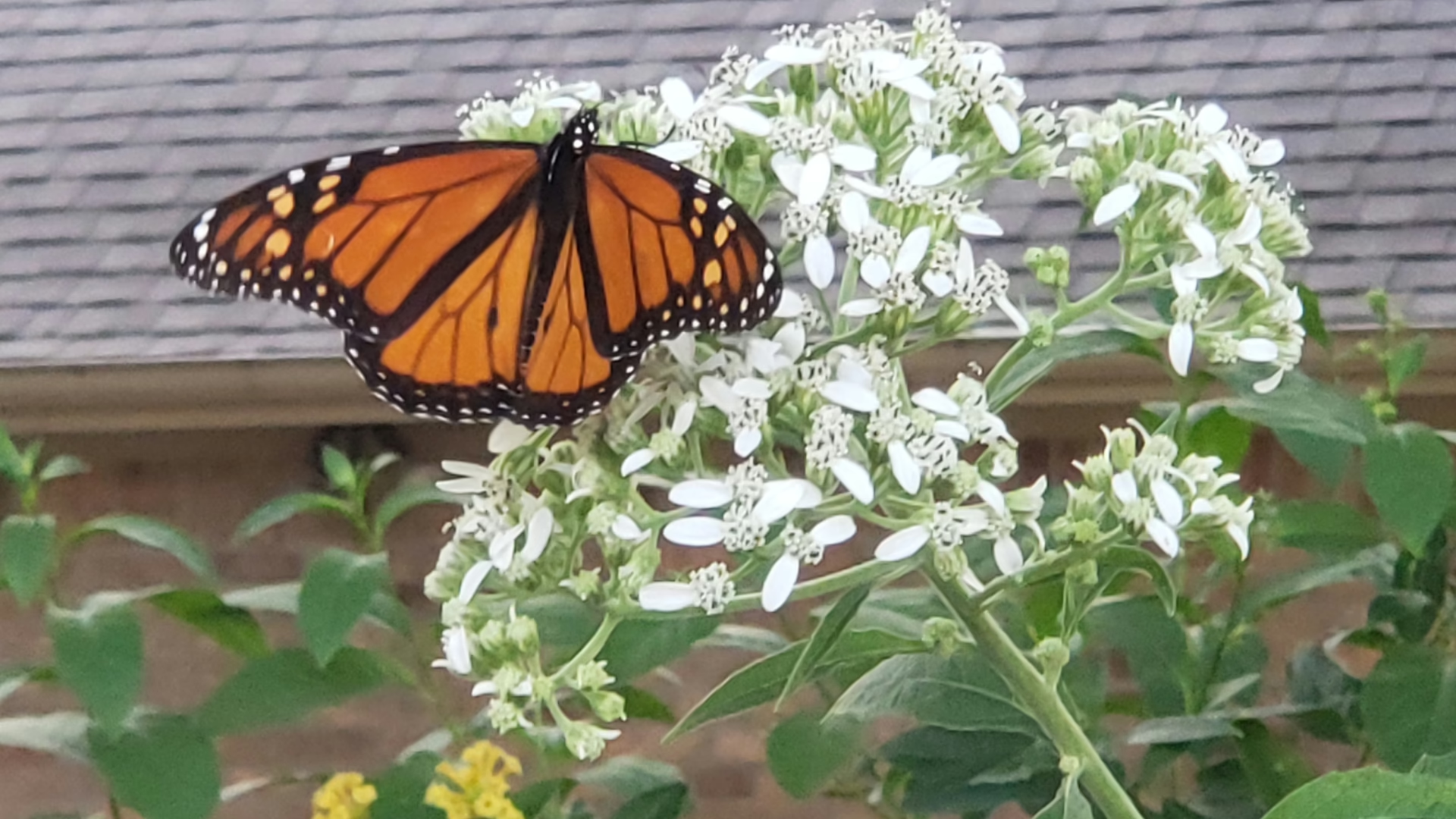
Creating a Monarch Habitat

Liz Moyer, Denton County Master Gardener and Native Plant Society of Texas educator, will help you plan and create a Monarch butterfly oasis in your landscape. Enjoy the beauty and

Just Dig It! Native Landscaping Seminar

Keynote Speaker: Neil Diboll  Prairie Garden Design Principles, presented by Neil Diboll (via Zoom): Neil will share his expertise in plant selection, garden layout, and integrating native prairie species into

Rooted In Seed & Plant Swap

Come visit our information table at the Rooted In Seed & Plant Swap! We are also providing a speaker at 1:45 for this event which will feature four speakers on

Native Plants at HEB Frisco

At the HEB in Frisco!HEB and the Native Plant Society of Texas are happy to partner to bring you native plants right where you shop! Please visit Frisco HEB to

Green Meadows Fall Festival

Visit our information table at the Green Meadows Fall Festival!  This HOA community has embraced native landscaping to reduce costs and improve pollinator habitat. Come and visit our booth for

Native Plants at HEB Frisco

HEB and the Native Plant Society of Texas are happy to partner to bring you native plants right where you shop! Please visit Frisco HEB to speak with a member

About the Region

Fall Symposium 2025 Logo - Teach for the Future

Salado, the location of our Fall 2025 Symposium, lies at the intersection of two ecoregions: the Edwards Plateau (Limestone Cut Plain) and Blackland Prairie (Northern Blackland Prairie).

The Edwards Plateau area is also called the Hill Country; however, this general term covers a much larger area extending farther north. Spring-fed creeks are found throughout the region; deep limestone canyons, rivers, and lakes (reservoirs) are common. Ashe juniper is perhaps the most common woody species found throughout the region. Additional woody species include various species of oak, with live oak (Quercus fusiformis) being the most common. Sycamores (Platanus occidentalis) and bald cypress (Taxodium distichum) border waterways. This area is well known for its spring wildflower displays, though they may be viewed in spring, late summer, and fall, as well. According to Texas Parks and Wildlife, average annual rainfall in the Edwards Plateau ranges from 15 to 34 inches.

The Blackland Prairie extends from the Red River south to San Antonio, bordered on the west by the Edwards Plateau and the Cross Timbers, and on the east by the Post Oak Savannah. Annual rainfall averages 30 to 40 inches, with higher averages to the east. This region is dominated by prairie species. The most common grass species include little bluestem (Schizachyrium scoparium) and Indian grass (Sorghastrum nutans) in the uplands and switchgrass (Panicum virgatum) in the riparian areas and drainages. Common herbaceous flowering plants include salvias, penstemons, and silphiums. This area has suffered greatly from overgrazing and agricultural use. Few intact areas remain, though many of the plants can be found along county roadsides throughout the region.

Our fall Symposium host chapter, the Tonkawa Chapter, includes both of these ecoregions.

Source: Wildflowers of Texas by Michael Eason