Lakes and Pines Chapter

Welcome to the Lakes and Pines Chapter
of the Native Plant Society of Texas

Founded in November of 2023, the Native Plant Society of Texas Lakes and Pines Chapter promotes research, conservation, and utilization of native plants and plant habitats of Texas through education, outreach, and example.

With towering pines and hardwoods, rolling hills and prairies, and lakes too numerous to count, our Chapter includes Wood and surrounding Northeast Texas counties and takes in two Level 3 Ecoregions: the East Texas Plains and the Western Gulf Coastal Plain. 

  Native Plants . . .

  • Have grown and survived here for over 500 years
  • Are drought-tolerant, naturally conserving our precious water resources
  • Don’t need special pampering or fertilizing: some native plants can thrive in a variety of conditions, but most need a defined climate, soil, light and amount of water
  • Are natural to their ecosystem: Texas has over 5000 native plants but very few grow state-wide
  • Help us maintain biological biodiversity
  • Provide habitat and food for birds, butterflies, bees and other wildlife

Lakes and Pines Chapter Meetings and Events

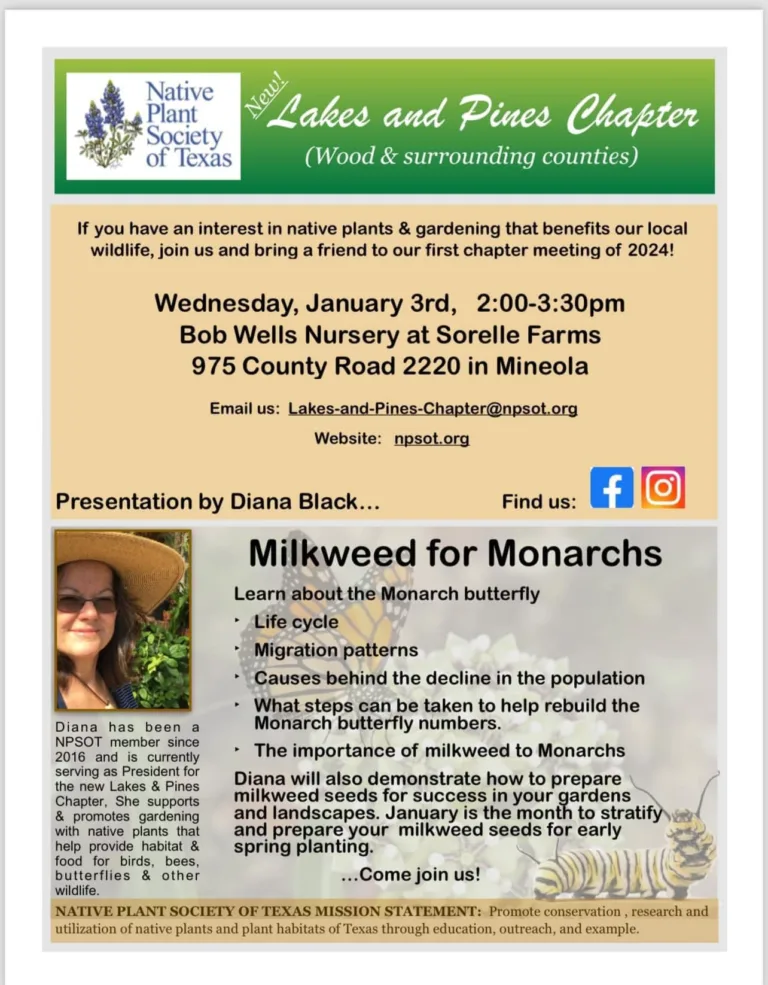
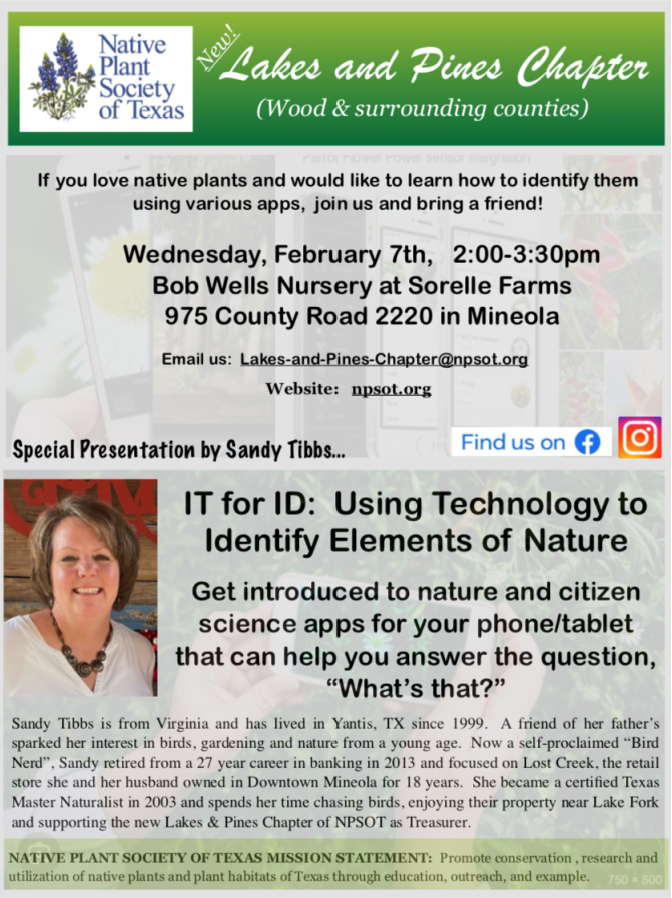
Our meetings are in person and open to the public. Chapter Meetings are generally held at 2:00pm on the first Wednesday of the month.

• 1:30PM – Greeting friends old and new

• 2:00PM – Meeting begins, starting with a special presentation about native plants or related topics followed by a brief business meeting.

• We currently meet at Bob Wells Nursery @ Sorelle Farms located at 975 County Road 2220 in Mineola, TX.  Join us and bring a friend!

Monthly Doorprizes – Really cool items are being donated by our members for doorprizes. 

Lakes and Pines Chapter News

 Native Landscape Certification Program (NLCP) Level 1

Registration for the June 6 Tyler, Tx Level 1 NLCP Class will open February 1 at 8:00am. Class size is limited so mark your calendar to register – availability will go quickly! Click on the flyer to learn more about the NLCP.  Click HERE or on the red button to register on/after February 1.

Days
Hours
Minutes
Seconds
REGISTRATION IS OPEN !

Adding your garden to the Homegrown National Park Biodiversity Map is now quicker and simpler than ever. This is one of the most impactful actions you can take to help NPSOT showcase the incredible habitat restoration work happening across Texas.

With just a short form and a single email confirmation, your garden will be counted toward our statewide effort to make Texas #1 on the map.

ADD YOUR GARDEN HERE !   Let’s grow native plants for Texas!

Native Plant Society State Virtual Events

These on-line virtual events, sources of a wide variety of valuable information, are produced by NPSOT Chapters around the state and are available to all members. 

Native Plant Society State News

February Chapter Meeting

February 10, 2026 Rachel Sarlis, Regional Urban Ecologist with the Texas A&M Forest Service for the San Antonio region, will discuss tree selection, proper planting techniques, and effects on the

Read More »

My Path to Cues to Care

The term Cues to Care originated in the late 1980s from landscape architect Joan Nassauer of the University of Michigan. Nassauer’s research uncovered an interesting paradox. She noted that, “A large body of landscape perception research…leaves no doubt that people prefer to see landscapes that they perceive as natural.” However, there is a fine line, as “too much nature” is uninviting.

Read More »

Bob Wells Nursery at Sorelle Farms in Mineola is a NICE nursery!  They are a partner in the NICE (Natives Improve and Conserve Environments) Native Plant Partner program, a collaboration between the Native Plant Society of Texas and local nurseries around the state to offer native plants that are right for the local environment. For more information about the Bob Wells Nursery at Sorelle Farms, click here. To search for other area nurseries supporting the NICE Native Plant program click herePLEASE SUPPORT OUR NATIVE PLANT PARTNERS!

Keep Up With Our Chapter Activities Through Facebook, Instagram, YouTube, or Email

About the Region

Fall Symposium 2025 Logo - Teach for the Future

Salado, the location of our Fall 2025 Symposium, lies at the intersection of two ecoregions: the Edwards Plateau (Limestone Cut Plain) and Blackland Prairie (Northern Blackland Prairie).

The Edwards Plateau area is also called the Hill Country; however, this general term covers a much larger area extending farther north. Spring-fed creeks are found throughout the region; deep limestone canyons, rivers, and lakes (reservoirs) are common. Ashe juniper is perhaps the most common woody species found throughout the region. Additional woody species include various species of oak, with live oak (Quercus fusiformis) being the most common. Sycamores (Platanus occidentalis) and bald cypress (Taxodium distichum) border waterways. This area is well known for its spring wildflower displays, though they may be viewed in spring, late summer, and fall, as well. According to Texas Parks and Wildlife, average annual rainfall in the Edwards Plateau ranges from 15 to 34 inches.

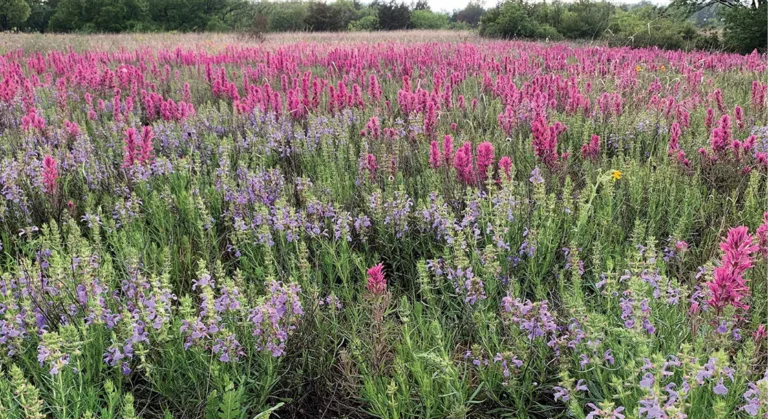
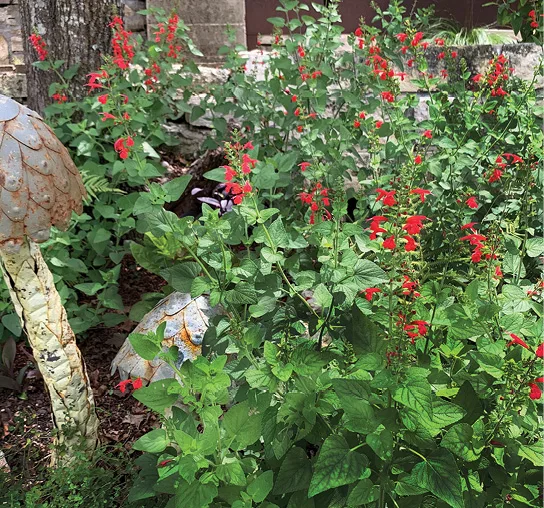
The Blackland Prairie extends from the Red River south to San Antonio, bordered on the west by the Edwards Plateau and the Cross Timbers, and on the east by the Post Oak Savannah. Annual rainfall averages 30 to 40 inches, with higher averages to the east. This region is dominated by prairie species. The most common grass species include little bluestem (Schizachyrium scoparium) and Indian grass (Sorghastrum nutans) in the uplands and switchgrass (Panicum virgatum) in the riparian areas and drainages. Common herbaceous flowering plants include salvias, penstemons, and silphiums. This area has suffered greatly from overgrazing and agricultural use. Few intact areas remain, though many of the plants can be found along county roadsides throughout the region.

Our fall Symposium host chapter, the Tonkawa Chapter, includes both of these ecoregions.

Source: Wildflowers of Texas by Michael Eason