

The Texas Native Plant Art Exhibition is an annual collaborative project sponsored by the Trinity Forks Chapter of the Native Plant Society of Texas, the Elm Fork Chapter of the Texas Master Naturalist and Texas Woman’s University, College of Arts and Sciences. The purpose of the project is to raise awareness of the importance of native plants and educate the students about the role of native plants in conservation and our natural heritage.
The Texas Native Plant Art Exhibition began with one school in 2009 in recognition of Texas Native Plant Week. The project has expanded to 25 Denton ISD elementary schools. Over 800 works of art of native plants have been created by fourth grade students in their art classes. Their art teachers are provided with information about Texas native plants to share with their students.
The reception is held at the end of April each year. The reception is to honor the students and their art teachers as well as recognize the display hosts and the project sponsors.
The art teachers, the students and their families come to see the artwork and enjoy refreshments and other displays. Every picture that was submitted is displayed. One best of show picture is selected from each school. These pictures are framed and receive special recognition.
All of the artwork is returned to the schools in May along with a Certificate of Accomplishment for every art teacher and every student that participated.
For more information contact:
Marilyn Blanton at
marilynblanton42@gmail.com
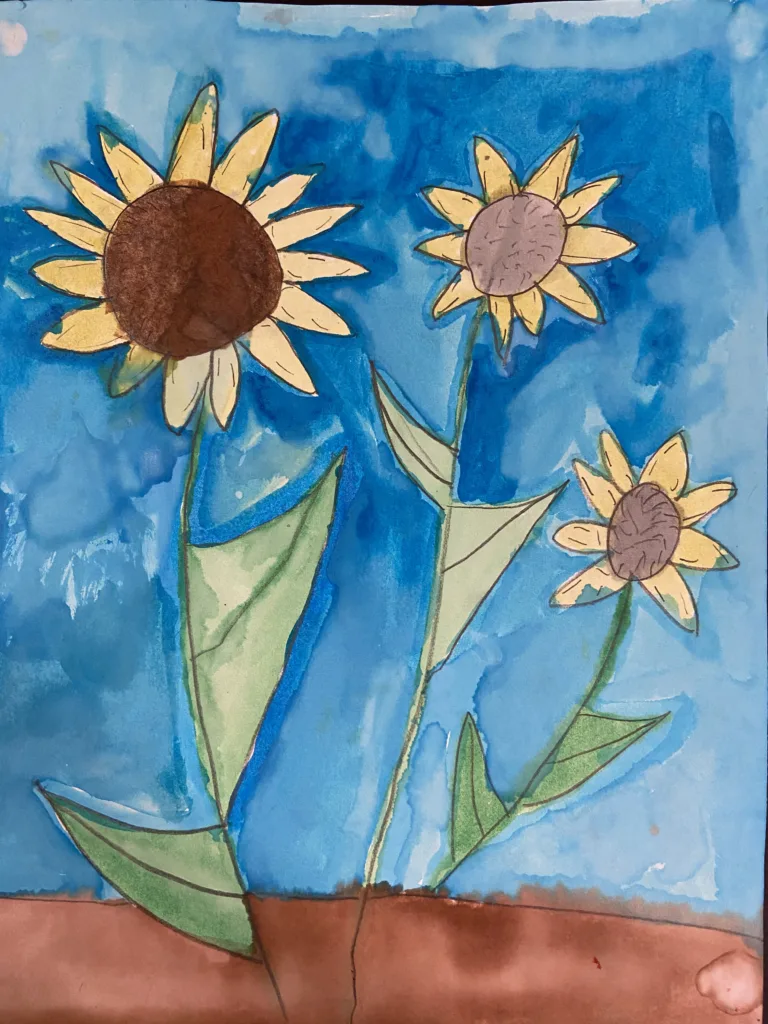
Native Texas Plant Art Exhibition Submissions
Native Texas Plant Exhibition Displays
The artwork is continuously displayed from November through April. The displays share the artwork with the community in public locations where it is seen by hundreds. The display sites are happy to showcase the artwork every year.
VOLUNTEERS
Volunteers from Trinity Forks Chapter and the Elm Fork Chapter of Texas Master Naturalists, under the leadership of Marilyn Blanton, helped make this activity happen. Not only did these volunteers work hard, but they also had fun coming together to organize, sort, judge and set up the displays. These volunteers also took down the displays and moved them from venue to venue six times between November and April.
