Keeping It Local: Integrating Natives into Your Landscape

Presentation Details

What’s all the hype about native plants? Through photos and stories, native Texan Cherie demonstrates her gardening mantra of “first, do no harm” by showing how attention to where, why, and what’s in our gardens can make us better stewards of our world.

Equipment Required:
None
Additional Requirements:
None
Ecoregions Covered:
Central Great Plains, Chihuahuan Deserts, Cross Timbers, East Central Texas Plains, Edwards Plateau, Gulf Coast Prairies and Marshes, High Plains, Southern Texas Plains, Southwestern Tablelands, Texas Blackland Prairies, Western Gulf Coastal Plain

Presenter Information

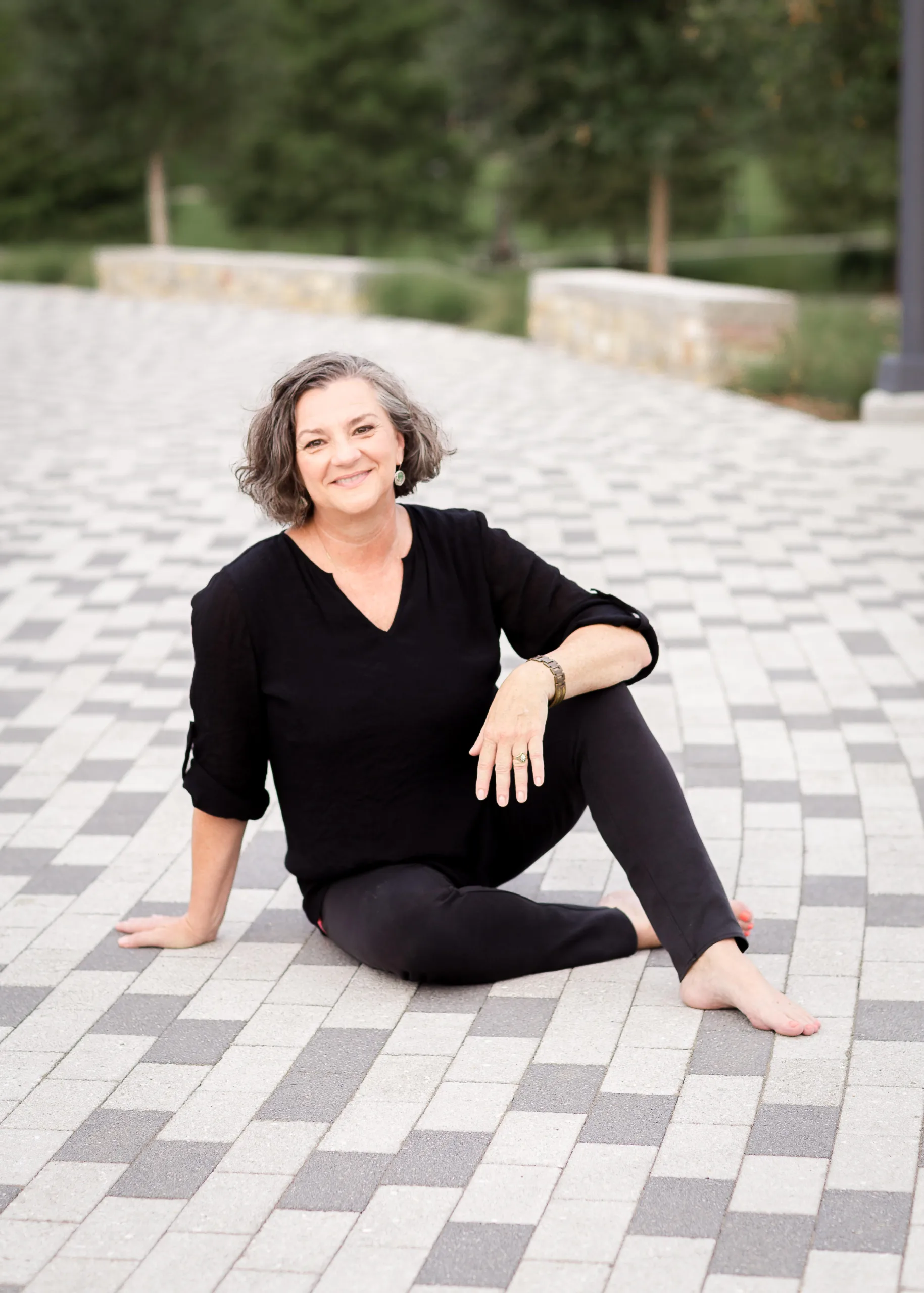
A professional landscape designer and native Texan, Cherie has designed hundreds of low-maintenance commercial and residential landscape designs since 1994 through her company, Nature’s Tapestry. She’s also helped create schoolyard […]

  • Cherie Colburn

    A professional landscape designer and native Texan, Cherie has designed hundreds of low-maintenance commercial and residential landscape designs since 1994 through her company, Nature’s Tapestry.

    She’s also helped create schoolyard gardens and habitats throughout Texas. As a garden writer, she’s authored traditionally published books for both children and adults while also contributing more than 100 magazine and newspaper articles over the last four decades. She shares her passion for stewardship of creation with groups across the nation, as well as on television, radio, and podcasts. Cherie’s gardening blog – Garden Dishes – was named by PBS’ Central Texas Gardener as a favorite.

    In her spare time, you can find Cherie singing and gardening – often simultaneously - at her home or church in The Woodlands where she feels confident she’s proven the theory that singing to plants makes them grow faster. Or, maybe that it only works on native plants and noxious weeds!

About the Region

2026 Fall Symposium Logo

This low-elevations region of Texas extends inland from the barrier islands, about 60 or so miles, and stretches from Brownsville to Louisiana. In total, it covers about 9.5 million acres, with a high point of 150 feet in elevation. More than 1000 species of plants can be found in this region. On the southern end, species more common in Mexico (such as Sabal mexicana) and Central America occur.

The barrier islands provide us with dune systems, and clay flats to the inland side, which have species found in these areas alone. Many plants here, such as Ipomoea pes-caprae (beach morning glory), can be found throughout tropical regions of the globe. I’ve encountered the same species on the beaches of Guam.

Once inland, vast marshes and wet prairies occur. Occasionally, oak (Quercus fusiformis) groves can be found. Common grasses include species of Bothriochloa, Paspalum, and Sporobolus; eastern gamagrass (Tripsacum dactyloides); and switchgrass (Panicum species). Many rivers and creeks cut through the Gulf Prairies, and along these riparian areas various species of trees, Sabal minor, and other plants adapted to clay soils can be found. Due to overgrazing, farming, and fire suppression, woody species such as mesquite (Prosopis glandulosa) and huisache (Acacia farnesiana), and invasive species such as chinaberry (Melia azedarach), Brazilian pepper (Schinus terebinthifolius), and Chinese tallow (Sapium sebiferum) have increased and displaced our native flora.

Source: Wildflowers of Texas by Michael Eason