
Boerne Chapter Meeting, Hunke Hall, 33 Herff Farm Road, 6:00-8:00

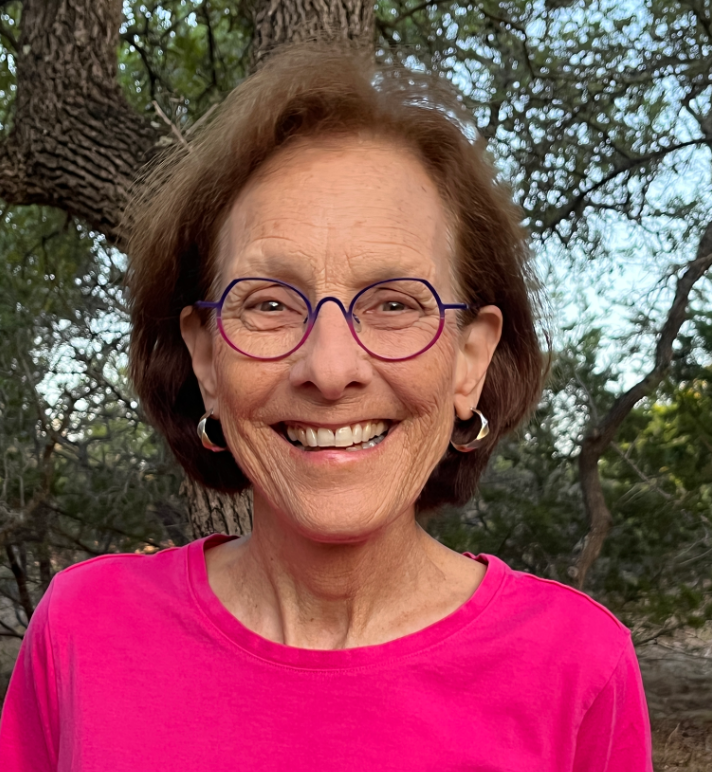
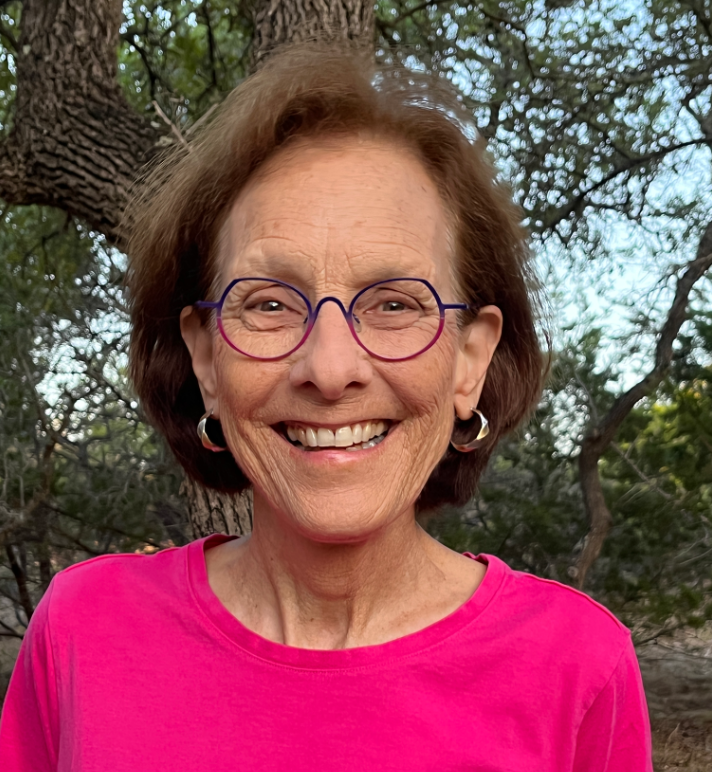
Speaker: Meg Inglis, Native Plant Society of Texas Executive Director

Topic: NPSOT State Updates

NPSOT Boerne is honored to host Meg Inglis, the Native Plant Society of Texas (NPSOT) Executive Director as our speaker for our May 6, 2025 meeting.The Boerne Chapter of the Native Plant Society of Texas has a lot to celebrate in its 25th anniversary year – the chapter has accomplished so much! Meg Inglis, Society Executive Director, is honored to be part of the celebration.

Meg will give a brief overview of recent state level accomplishments and activities and then respond to any questions that attendees might have.

A few state level highlights include:

  • What is the member portal? How to access it and what lies within?
  • Delights of the new state website – cool (and useful!) new sites such as the native plant database.
  • Gaining more chapter publicity through state communications digital and print media!
  • Tips to making chapter life easier – key resources.
  • Society swag.

Let’s catch up!

About the Speaker: Meg Inglis accepted the position as Executive Director in 2021. Prior to that, she coordinated NPSOT’s Native Landscape Certification Program for 7 years.

For many years she worked in the field of environmental health and safety for medical device manufacturing facilities and other organizations.

She has a Bachelor’s in Biology, secondary science teaching certification, and a Master’s in Public Administration.

Meg’s passion for native plants began in 2000 when she and her family built their home on a 2-acre parcel of land near Dripping Springs. Her knowledge of ecology and their decision to be solely dependent on a rainwater system drove their decision to restore their property with natives.

She is a long-time member of the Native Plant Society of Texas (NPSOT), serving as Austin NPSOT Chapter President and other positions on the board for several years. Other favorite organizations include the Native Prairies Association of Texas and the Texas Society for Ecological Restoration. In addition, she participated in the 2009 Hays County Texas Master Naturalist program.

About NPSOT Boerne Meetings: Join us for our monthly chapter meetings. You do not need to be a member to attend. We meet the first Tuesday of each month.

Our meetings start with a social time at 6:00pm. Announcements will begin at 6:45pm, followed by the presentation. For the social time, please bring any snacks/appetizers/desserts that you would like to share.

Meeting Location: Hunke Hall, 33 Herff Farm Road, Boerne

Date
May 06 2025
Expired!
Time
6:00 pm - 8:00 pm
Cost
$
More Info
Read More
Category
Organizer
Boerne Calendar

About the Region

2026 Fall Symposium Logo

This low-elevations region of Texas extends inland from the barrier islands, about 60 or so miles, and stretches from Brownsville to Louisiana. In total, it covers about 9.5 million acres, with a high point of 150 feet in elevation. More than 1000 species of plants can be found in this region. On the southern end, species more common in Mexico (such as Sabal mexicana) and Central America occur.

The barrier islands provide us with dune systems, and clay flats to the inland side, which have species found in these areas alone. Many plants here, such as Ipomoea pes-caprae (beach morning glory), can be found throughout tropical regions of the globe. I’ve encountered the same species on the beaches of Guam.

Once inland, vast marshes and wet prairies occur. Occasionally, oak (Quercus fusiformis) groves can be found. Common grasses include species of Bothriochloa, Paspalum, and Sporobolus; eastern gamagrass (Tripsacum dactyloides); and switchgrass (Panicum species). Many rivers and creeks cut through the Gulf Prairies, and along these riparian areas various species of trees, Sabal minor, and other plants adapted to clay soils can be found. Due to overgrazing, farming, and fire suppression, woody species such as mesquite (Prosopis glandulosa) and huisache (Acacia farnesiana), and invasive species such as chinaberry (Melia azedarach), Brazilian pepper (Schinus terebinthifolius), and Chinese tallow (Sapium sebiferum) have increased and displaced our native flora.

Source: Wildflowers of Texas by Michael Eason