
Bradford Pear

Invasive Description

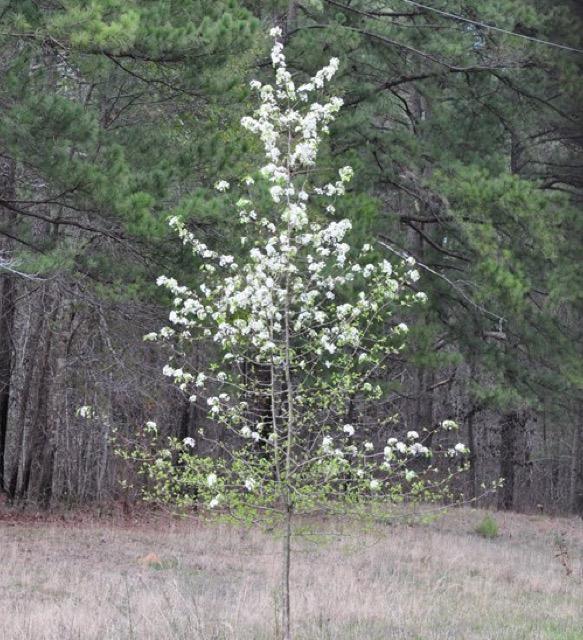
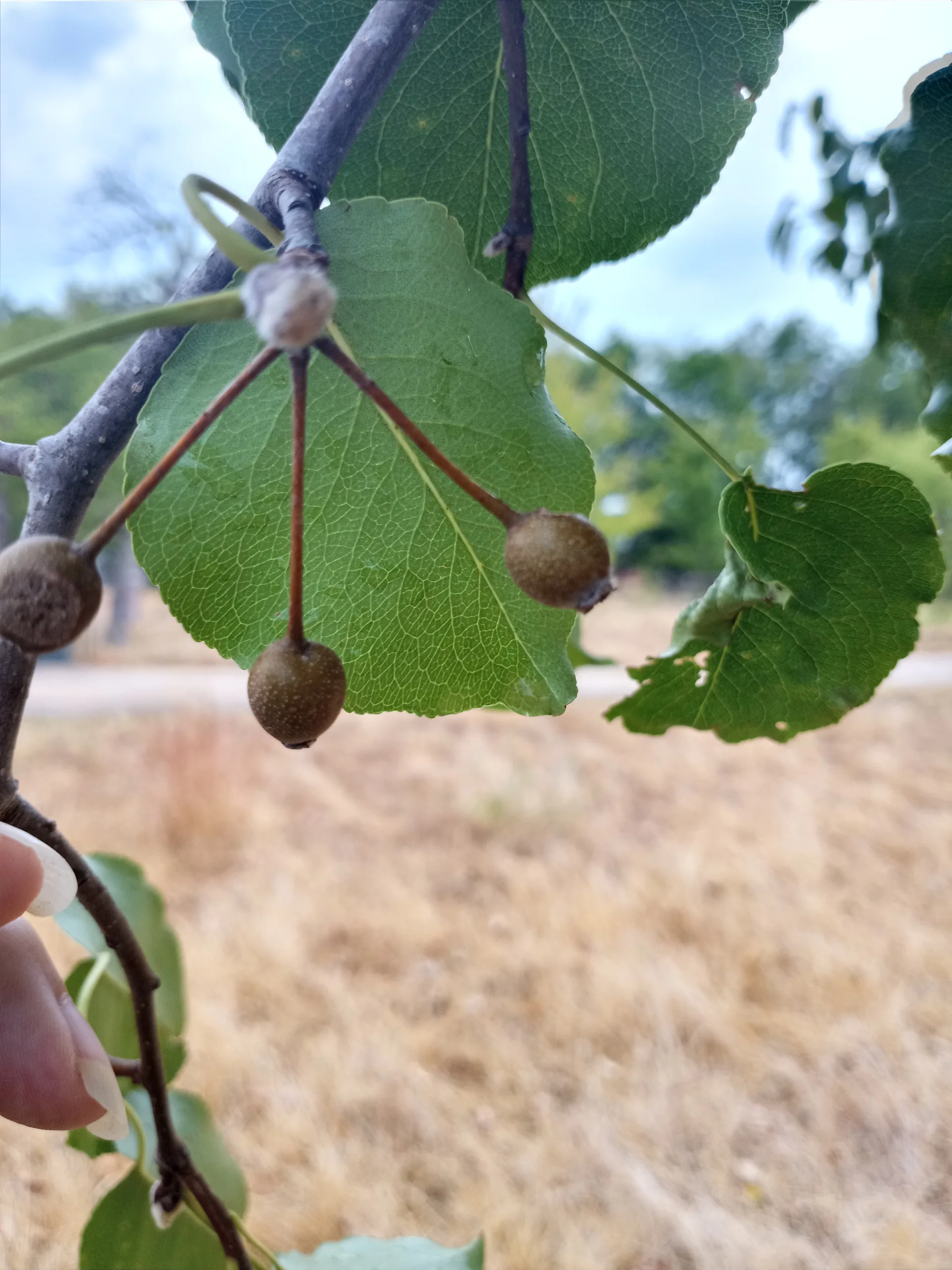
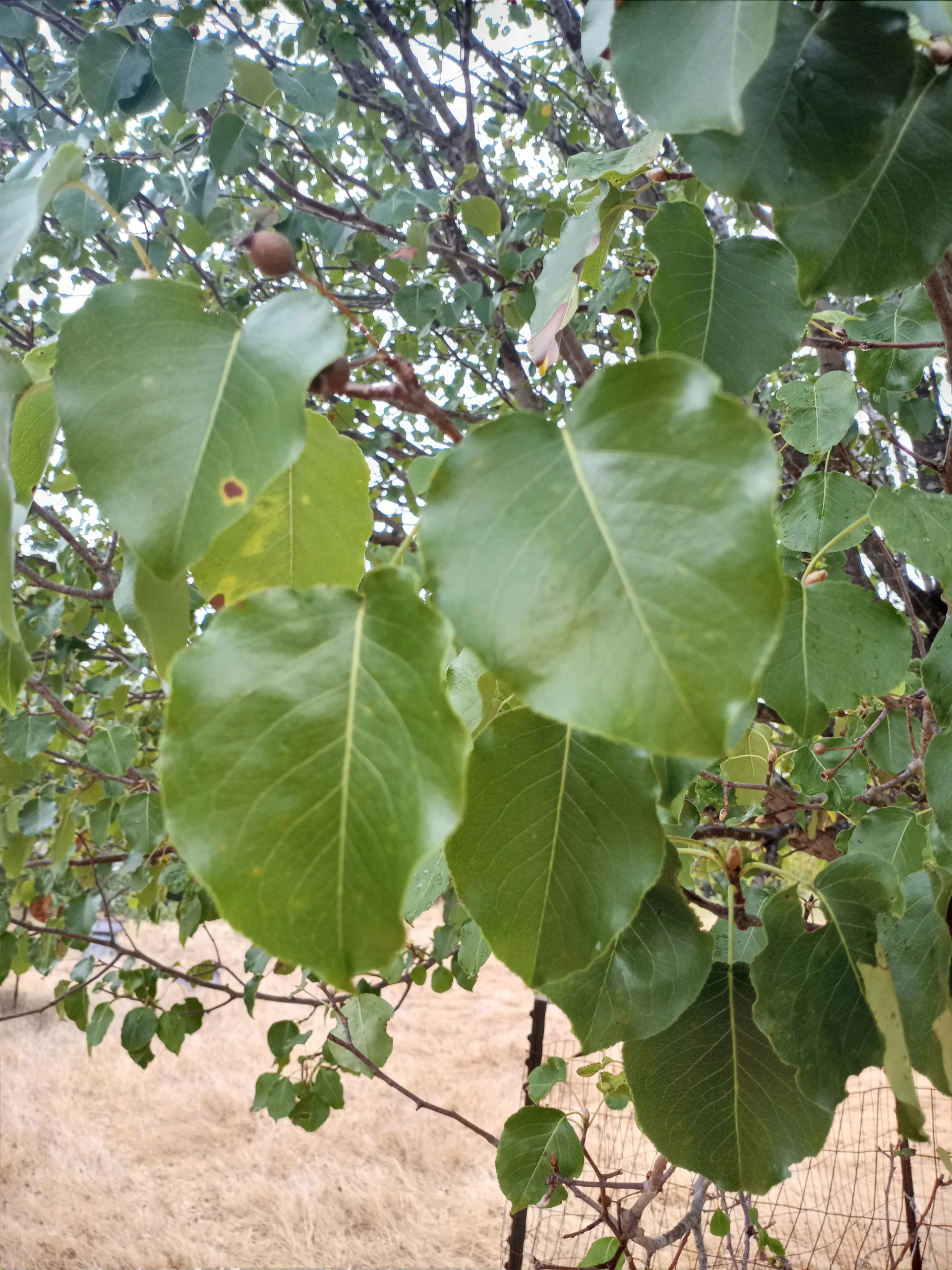
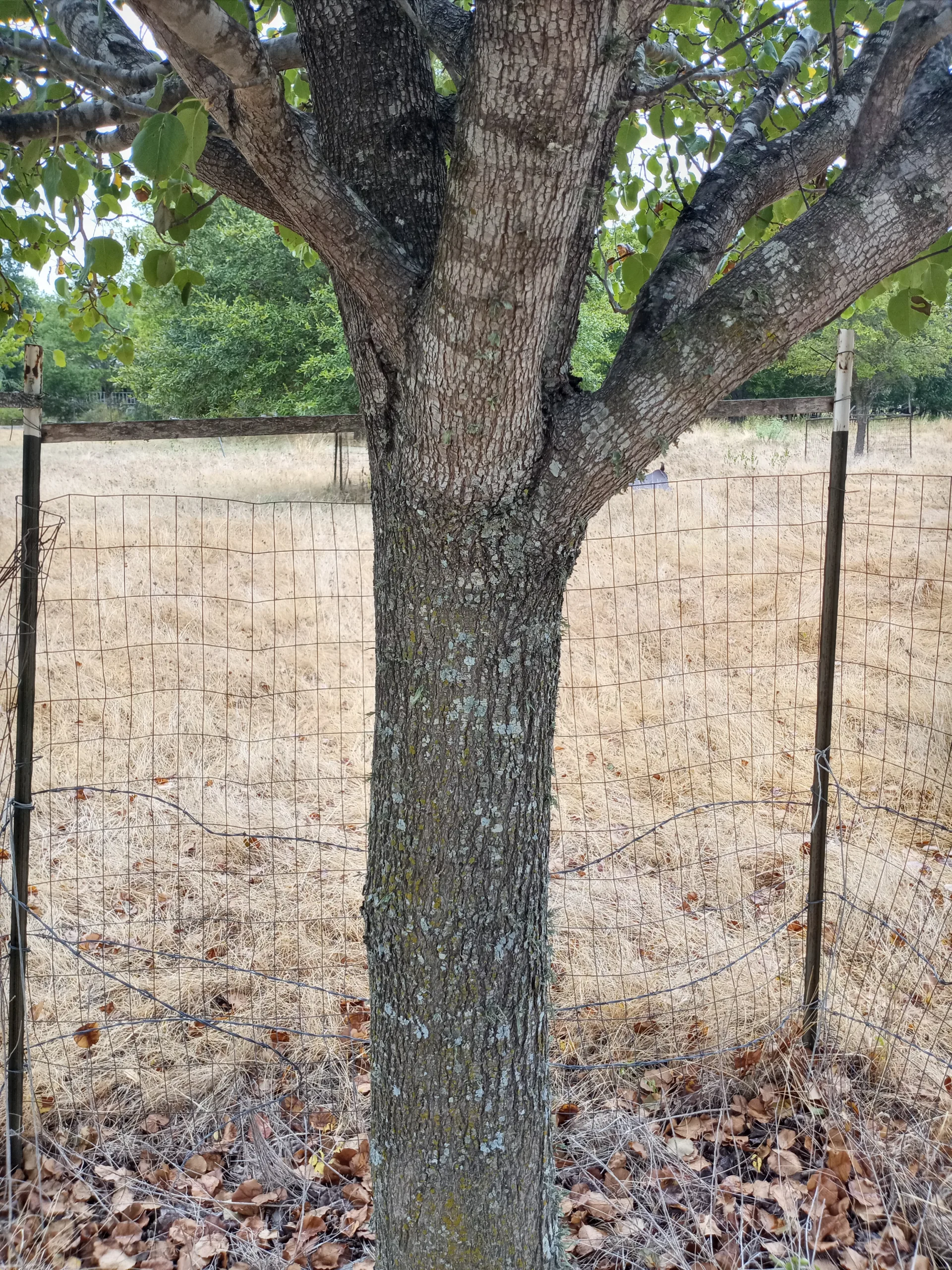
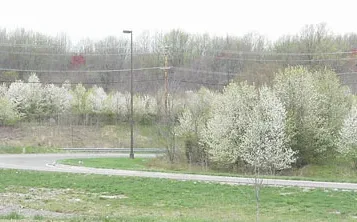
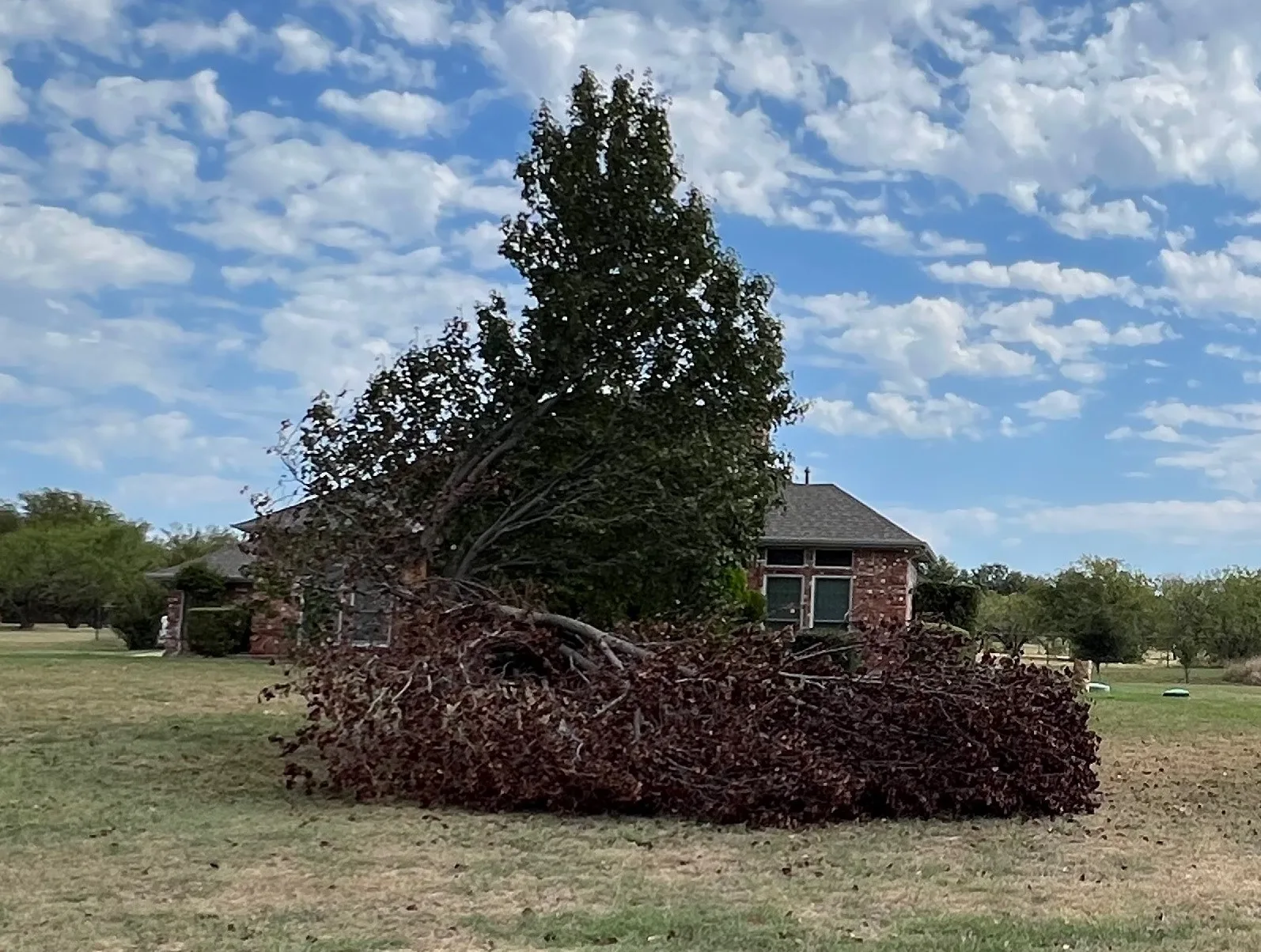
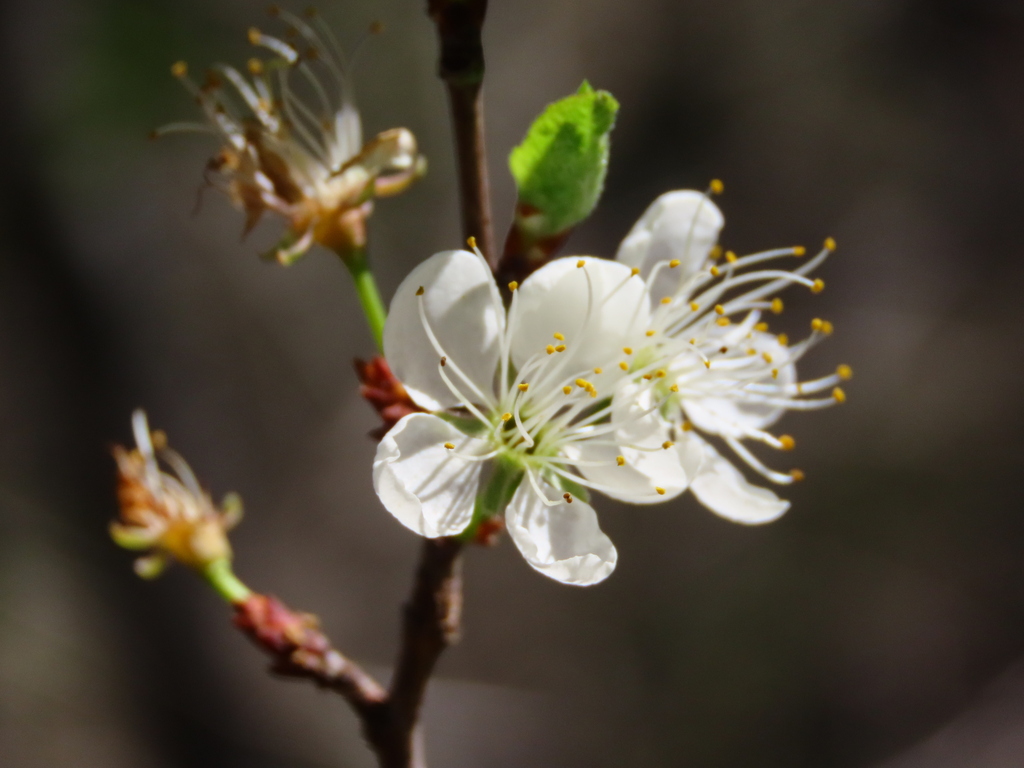
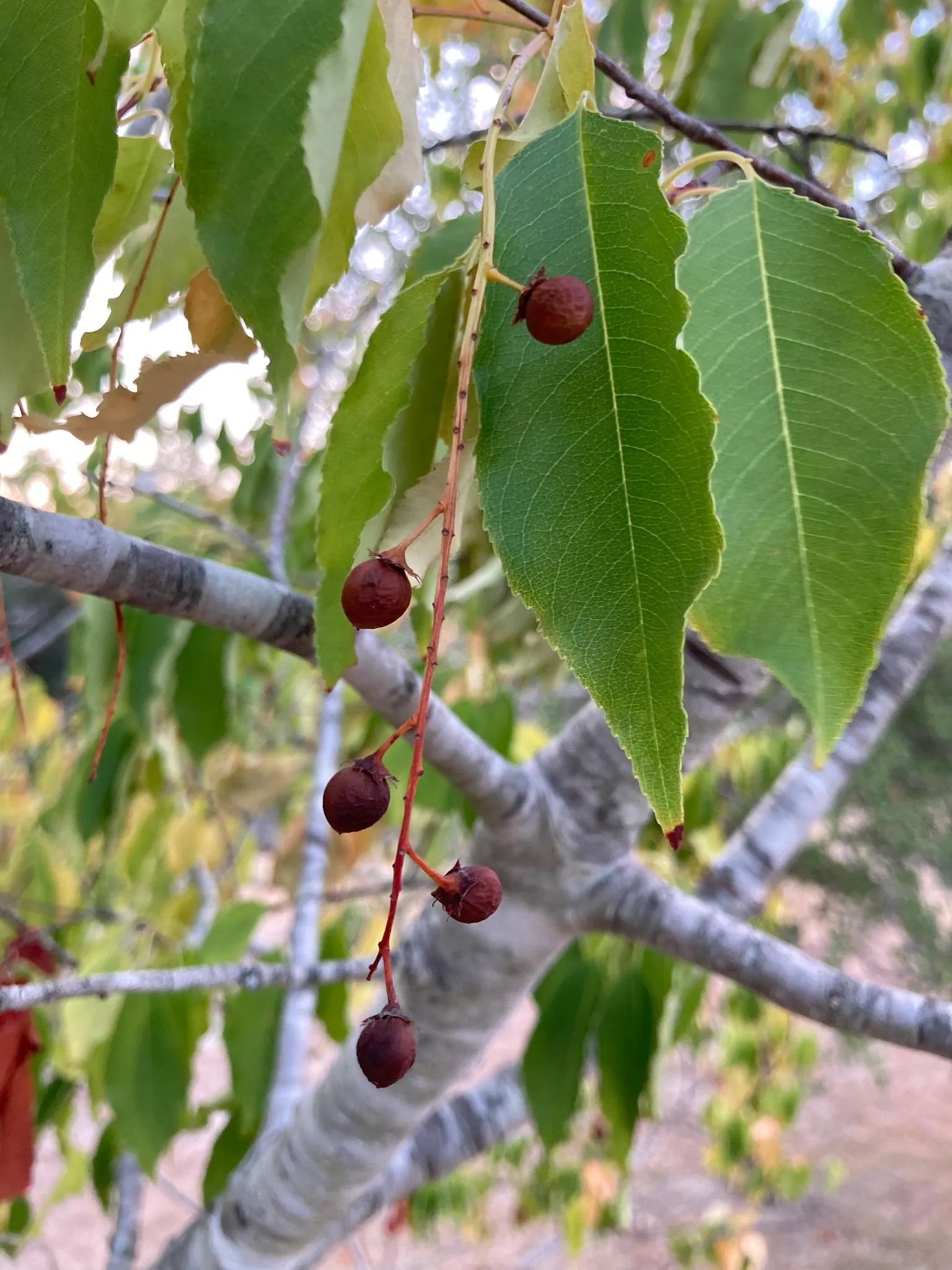
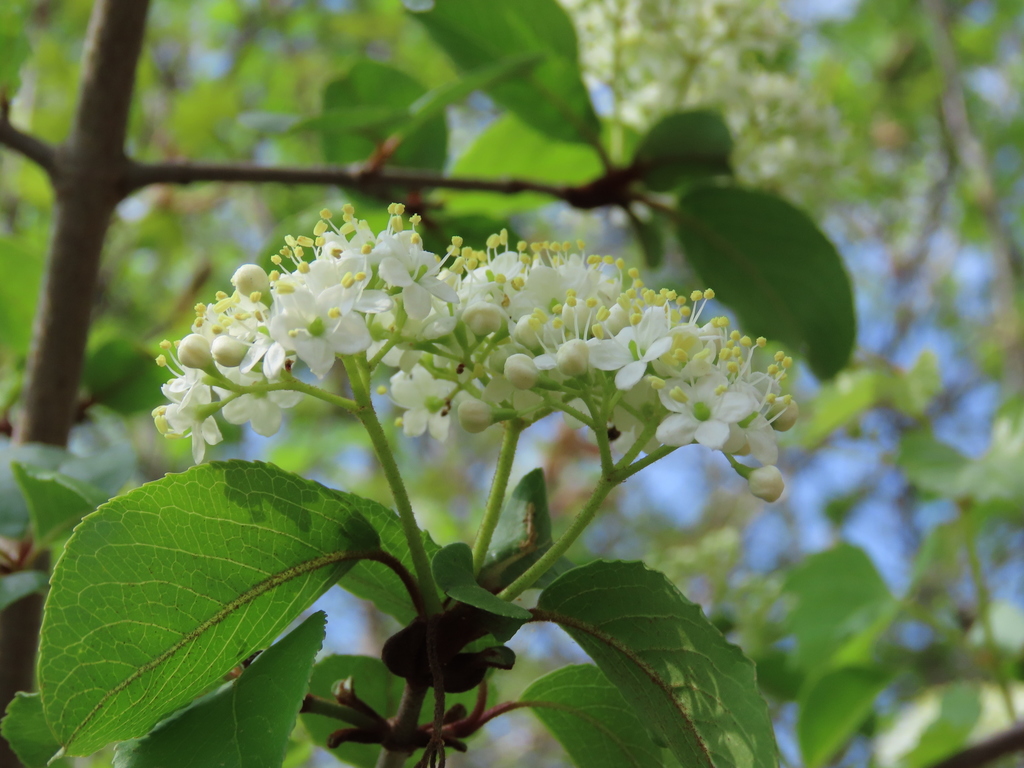
The Bradford Pear (Pryus calleryana) was introduced to the U.S. from Asia in the early 1900s in an attempt to fight the fire blight of the common pear. Callery is the parent rootstock of “Bradford”, “Aristrocrat” and other cultivars. It is an ornamental, deciduous tree growing up to 40 ft in height. Callery Pears are weak trees that are prone to wind and ice damage. Tree has a tendency to split in snow or high winds and mature branches frequently split off. Abundant flowers in early spring and leaves that turn to red in the fall have made this a popular tree. Callery Pear flowers also produce an unpleasant smell of rotting fish.

Ecological Threat

Bradford Pear forms dense thickets that suppress other plants including native species that can’t tolerate the deep shade or compete with pear for water, soil and space. A single tree can spread rapidly by seed and vegetative means forming a sizeable patch within several years. Its success as an invader results from its capacity to produce copious amounts of seed that are dispersed by birds and possibly small mammals, seedlings that germinate and grow rapidly in disturbed areas, and a general lack of natural controls like insects and diseases, with the exception of fire blight.

Ohio and soon South Carolina are officially banning the sale of Callery or Bradford Pear and all of their cultivars.

How to Eradicate

For information on how to eradicate this invasive, view our statement on herbicide use and preferred alternatives for invasive plants.

Native Alternatives

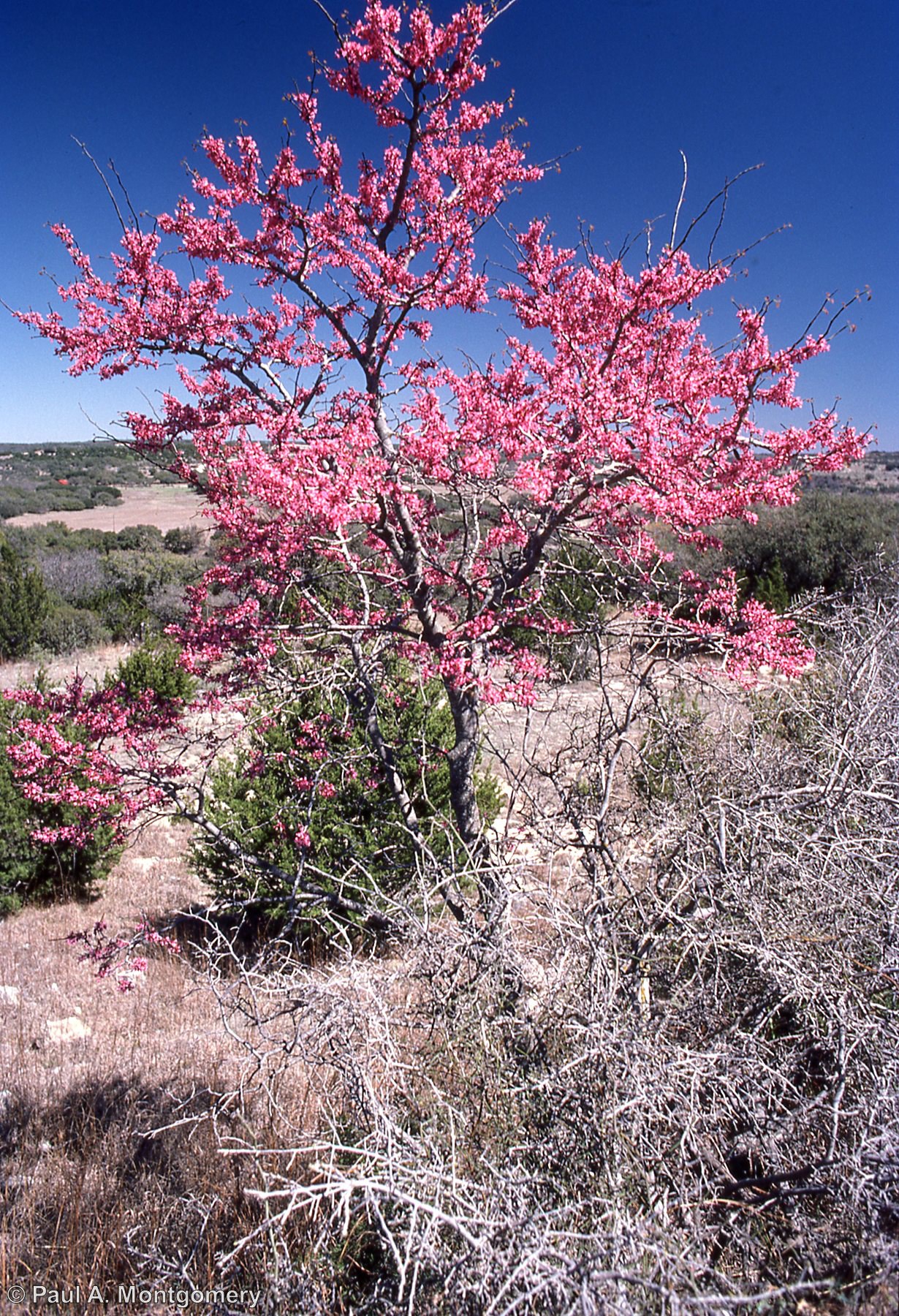
You can replace this invasive plant with native alternatives. Here are some plants that make superior replacements.

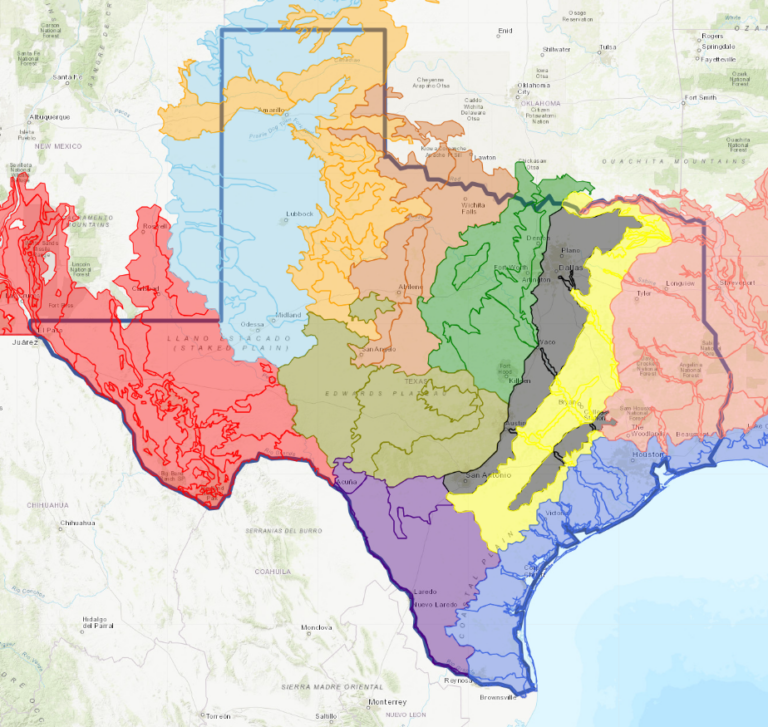
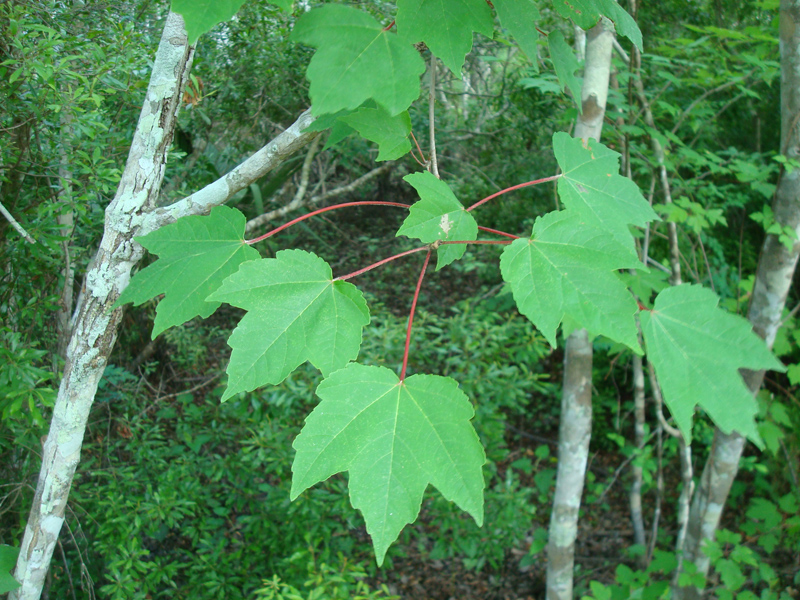
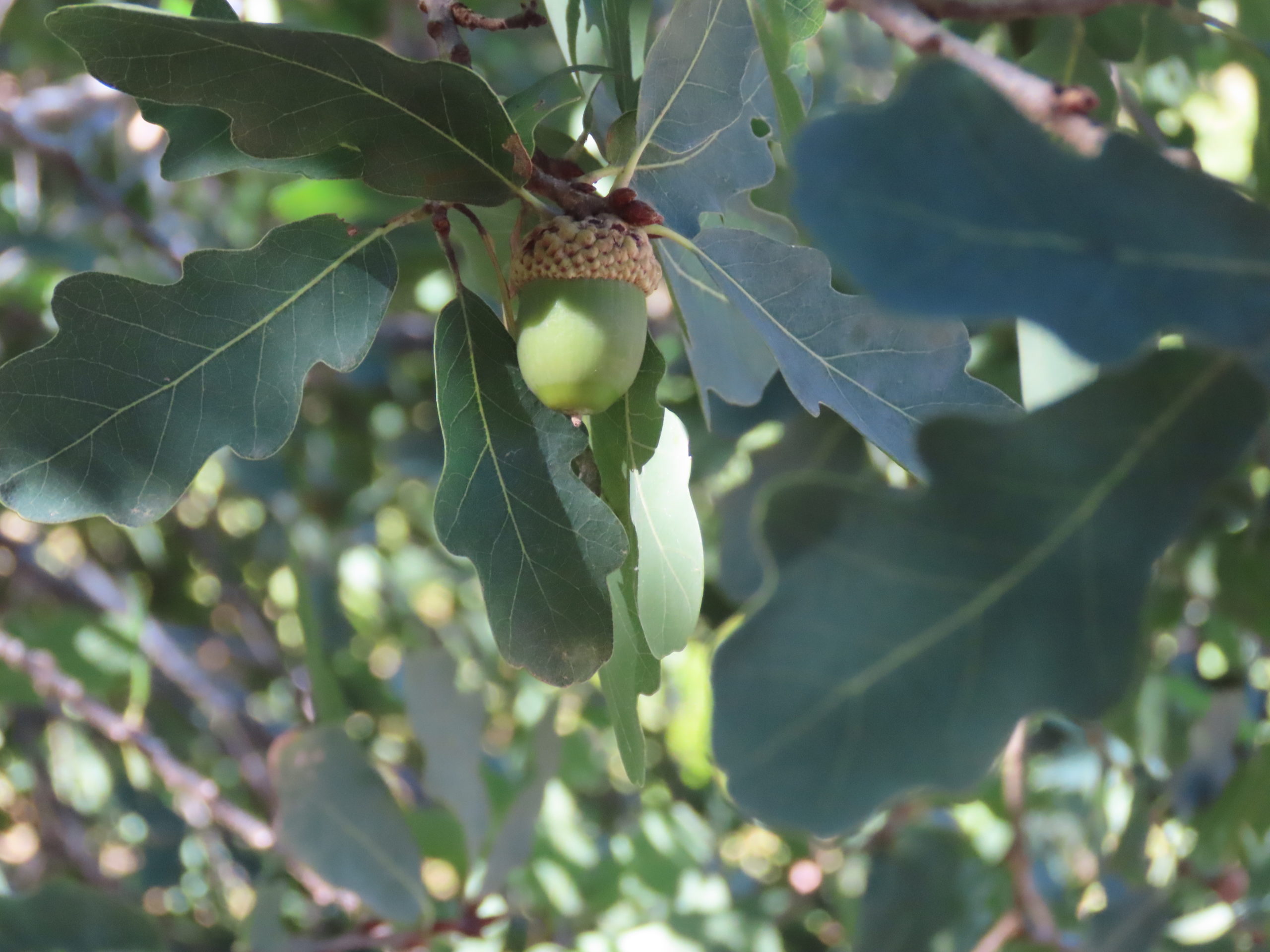
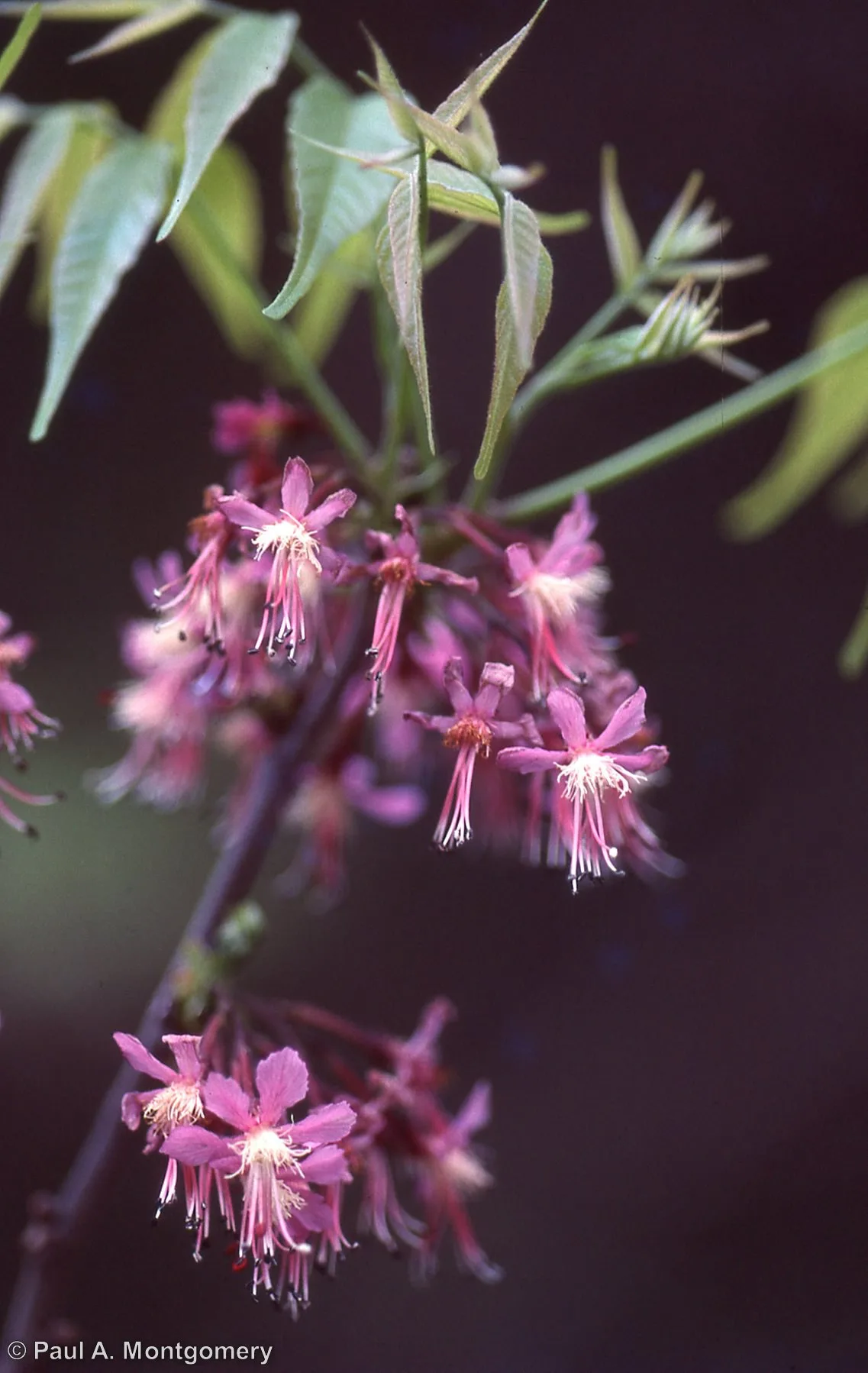
Match your location on the Texas map to the color squares on the replacement plants below to find suitable replacements for your ecoregion.

Click for more details about the ecoregions

About the Region

2026 Fall Symposium Logo

This low-elevations region of Texas extends inland from the barrier islands, about 60 or so miles, and stretches from Brownsville to Louisiana. In total, it covers about 9.5 million acres, with a high point of 150 feet in elevation. More than 1000 species of plants can be found in this region. On the southern end, species more common in Mexico (such as Sabal mexicana) and Central America occur.

The barrier islands provide us with dune systems, and clay flats to the inland side, which have species found in these areas alone. Many plants here, such as Ipomoea pes-caprae (beach morning glory), can be found throughout tropical regions of the globe. I’ve encountered the same species on the beaches of Guam.

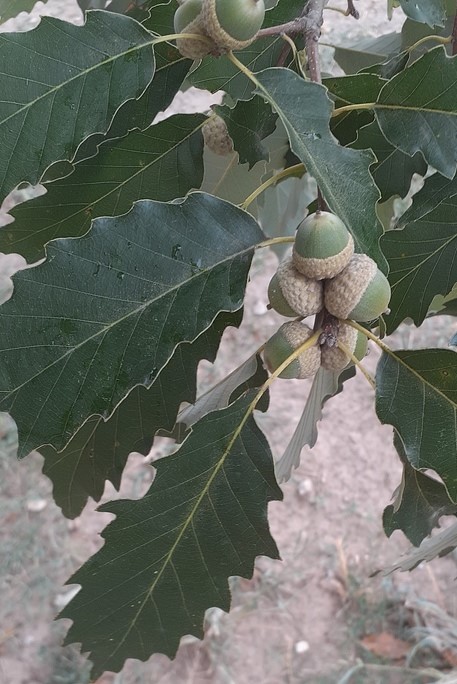
Once inland, vast marshes and wet prairies occur. Occasionally, oak (Quercus fusiformis) groves can be found. Common grasses include species of Bothriochloa, Paspalum, and Sporobolus; eastern gamagrass (Tripsacum dactyloides); and switchgrass (Panicum species). Many rivers and creeks cut through the Gulf Prairies, and along these riparian areas various species of trees, Sabal minor, and other plants adapted to clay soils can be found. Due to overgrazing, farming, and fire suppression, woody species such as mesquite (Prosopis glandulosa) and huisache (Acacia farnesiana), and invasive species such as chinaberry (Melia azedarach), Brazilian pepper (Schinus terebinthifolius), and Chinese tallow (Sapium sebiferum) have increased and displaced our native flora.

Source: Wildflowers of Texas by Michael Eason