

August 2026
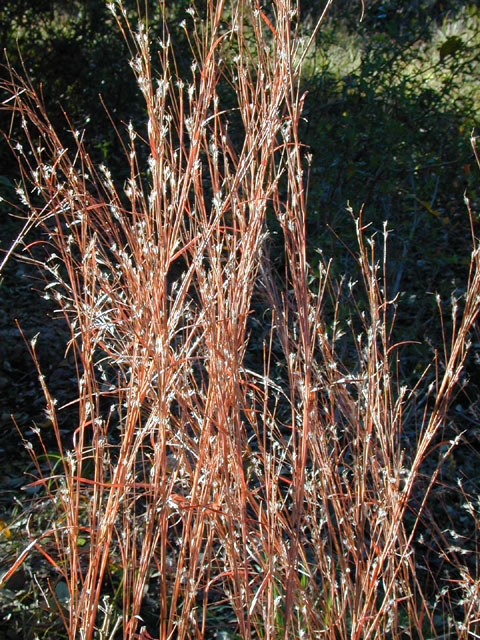
Collin County August Meeting: Native Grasses and Why They Are Needed
The Tuesday August 4th chapter meeting will be available to attend in person at the Heard Museum in McKinney or online via Zoom. The program will feature David Will speaking on “Native Grasses and Why They Are Needed”. Presentation Summary: The discussion will explore the rich history of native prairies and trace the historical shifts […]
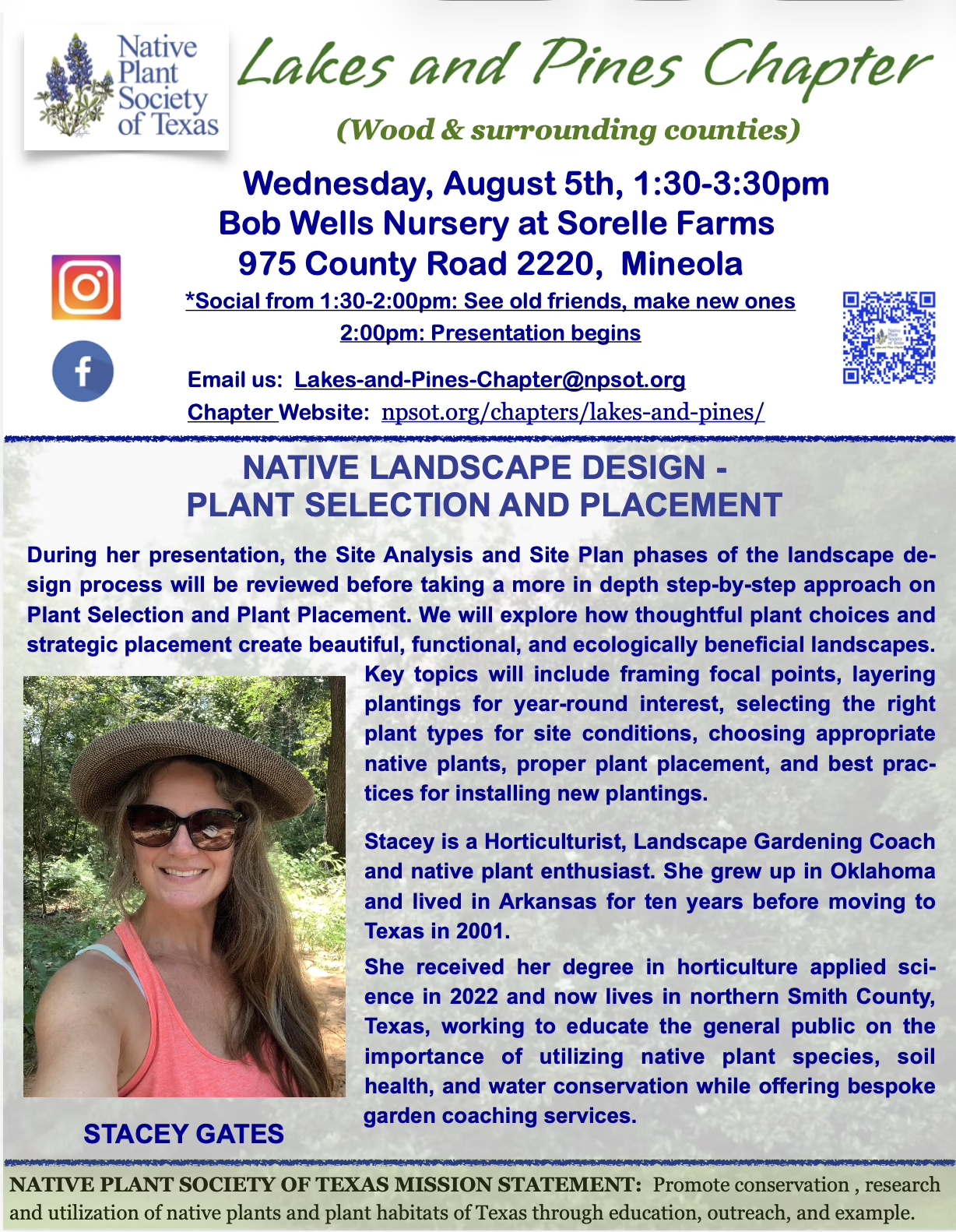
Lakes & Pines Chapter Meeting – “Native Landscape Design – Plant Selection and Placement” presented by Stacey Gates
We will explore how thoughtful plant choices and strategic placement create beautiful, functional, and ecologically beneficial landscapes.
Q3 State Board Meeting
Native Plant Society of Texas State Board MeetingZoom – Virtual Meeting6-8 pm (join Zoom meeting as early as 5:45 pm) This event is free and all Society members are welcome! Voting members include chapter presidents (or their representatives), state-level executive officers and state standing committee chairs. Register to attend the meeting: https://npsot-org.zoom.us/meeting/register/d-r4X0HiTuet4a7w51FHyQ
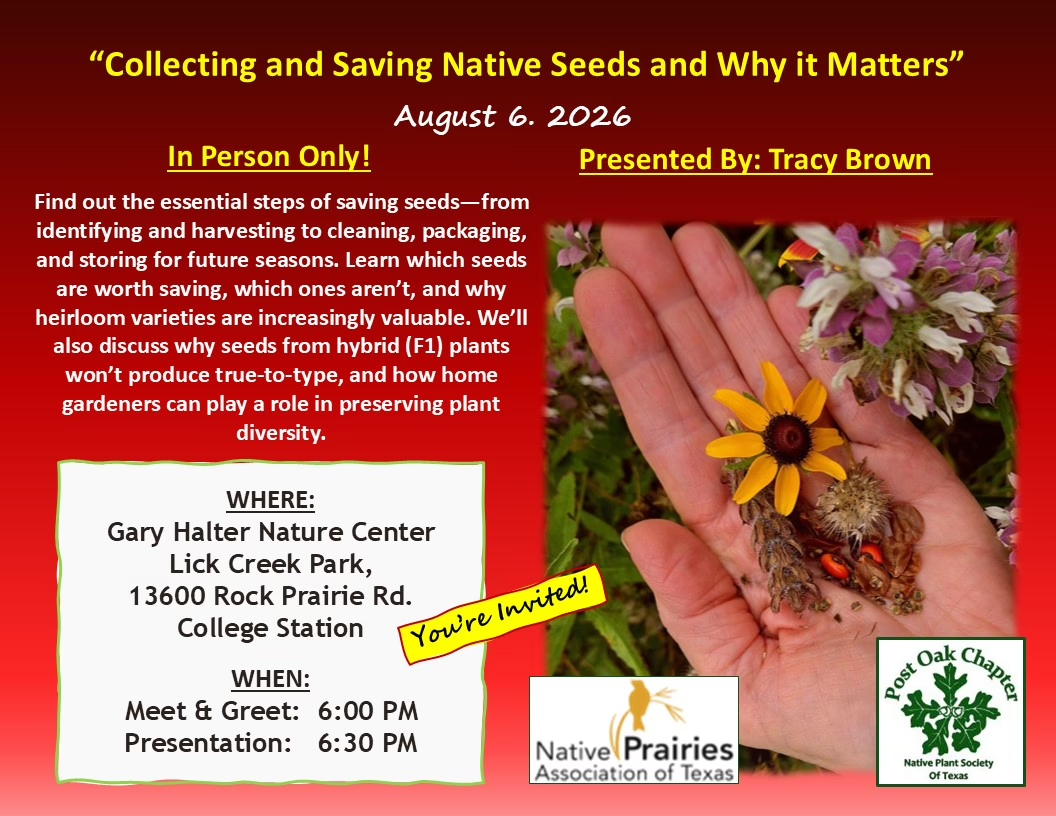
Mark your calendars for Thursday August 6th- as we welcome Tracy Brown NPSOT, NPAT, Texas Master Gardener, Texas Garden Club to our Chapter Meeting! HOW TO SAVE SEEDS!
Thursday August 6th- 6 PM meet and greet, 6:30 PM to 7:30 PM presentation. Lick Creek Park Gary Halter Nature Center. An advocate for restoration and biodiversity, Tracy is a Certified Pollinator Steward, Riparian Repair and Restoration Specialist, and a graduate of the Native Landscape Certification Program (NLCP). She collaborates with the Native Prairies Association […]
Ricky Linex, Native and Introduced Plants: The Good, the Bad, and the Ugly, North Central Chapter Meeting
Join us for an engaging lecture featuring vivid photos and expert insights on Texas’s native plants as well as introduced and invasive grasses and forbs. Learn to recognize invasive and noxious species making their way into Texas landscapes, and discover the value of monitoring native plants—such as a ten-year photo study of prickly pear growth. […]
In the Path of Development: Planting Seeds for the Future – Williamson County Chapter Meeting, August 13, 2026
Join NPSOT-Williamson County on Thursday, August 13, 2026, when our featured topic will be “In the Path of Development: Planting Seeds for the Future” with Ashley Landry. Free and open to the public. The meeting begins at 7:00 PM. The guest presentation begins after a short business meeting. This month’s presentation will NOT be recorded for YouTube. […]
No event found!
