
Eurasian Watermilfoil

Myriophyllum spicatum

Other Common Names

Spiked Watermilfoil

Plant Category

Aquatic, Perennial

Invasive Description

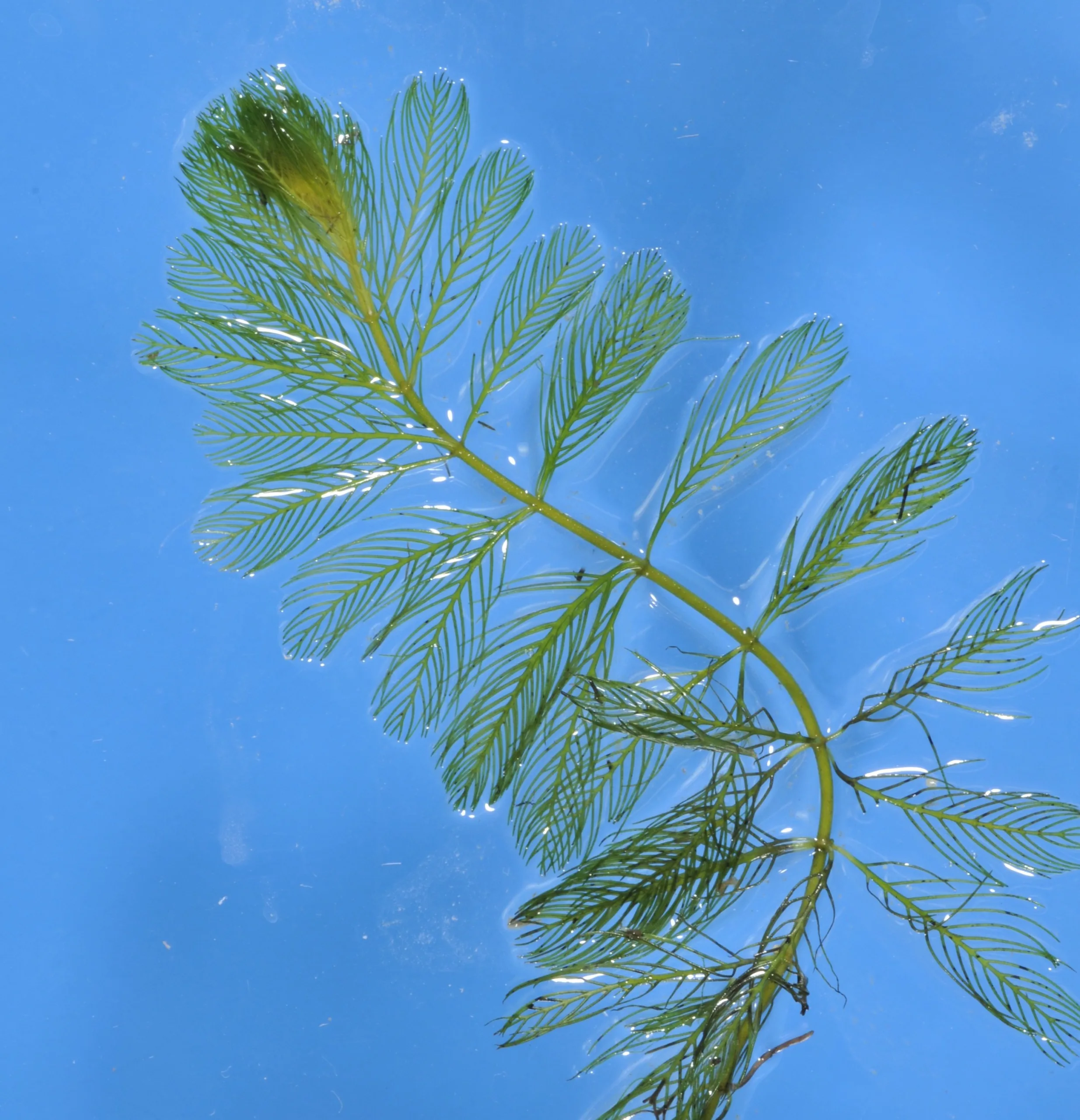
Native to Europe, Asia, and north Africa, Eurasian Watermilfoil may have been introduced to the North American continent at Chesapeake Bay in the early 1880s and was first documented in Texas in 1962. Eurasian Watermilfoil is a submersed perennial plant with finely dissected, feather-like leaves and thin stems. Each Eurasian Watermilfoil leaf generally has 14 or more leaflet pairs and this feature can be used most of the time to distinguish Eurasian Watermilfoil from other milfoil species that have whorls of 4 leaves but fewer than 14 leaflet pairs. The tips of Eurasian Watermilfoil that emerge from the water are often red, especially early in the growing season, and these reddish spikes stand several inches above the water and submerge when pollination is complete. Flowers are tiny and pink. There are three native species of watermilfoil in Texas.

Ecological Threat

Eurasian Watermilfoil is an extremely adaptable plant, able to tolerate and even thrive in a variety of environmental conditions. It can form large, floating mats of vegetation on the surface of lakes, rivers, and other water bodies, preventing light penetration for native aquatic plants and impeding water traffic. The plant thrives in areas that have been subjected to various kinds of natural and manmade disturbance. It appears to be primarily spread from waterbody to waterbody through boating activity, although anglers have been known to deliberately plant this species in lakes.

You may not want or need to replace this invasive plant, but if you do, options are listed below.

Eurasian Watermilfoil is on the Texas Dept. of Agriculture’s List of Noxious Plants and on Texas Parks and Wildlife’s list of Invasive, Prohibited and Exotic species which are illegal to sell, distribute or import into Texas.

How to Eradicate

For information on how to eradicate this invasive, view our statement on herbicide use and preferred alternatives for invasive plants.

Native Alternatives

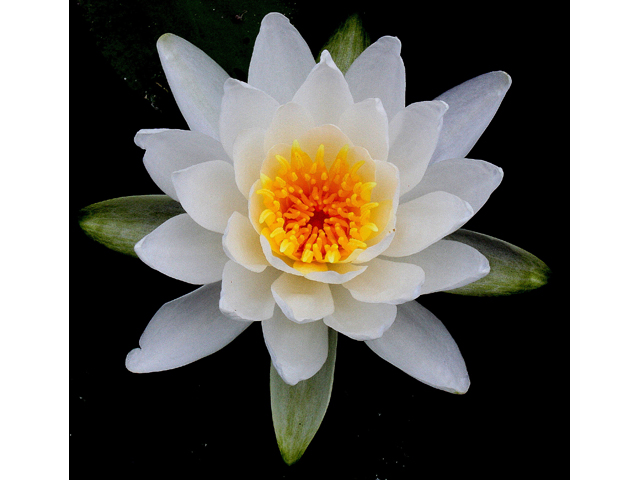
You can replace this invasive plant with native alternatives. Here are some plants that make superior replacements.

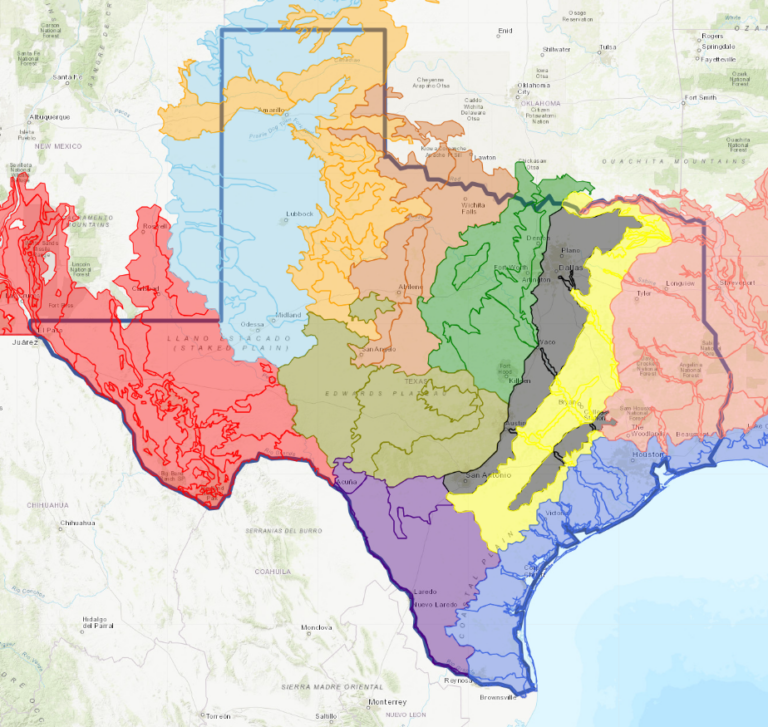
Match your location on the Texas map to the color squares on the replacement plants below to find suitable replacements for your ecoregion.

Click for more details about the ecoregions
Additional Replacement Options: Utricularia radiata, Vallisneria americana

About the Region

2026 Fall Symposium Logo

This low-elevations region of Texas extends inland from the barrier islands, about 60 or so miles, and stretches from Brownsville to Louisiana. In total, it covers about 9.5 million acres, with a high point of 150 feet in elevation. More than 1000 species of plants can be found in this region. On the southern end, species more common in Mexico (such as Sabal mexicana) and Central America occur.

The barrier islands provide us with dune systems, and clay flats to the inland side, which have species found in these areas alone. Many plants here, such as Ipomoea pes-caprae (beach morning glory), can be found throughout tropical regions of the globe. I’ve encountered the same species on the beaches of Guam.

Once inland, vast marshes and wet prairies occur. Occasionally, oak (Quercus fusiformis) groves can be found. Common grasses include species of Bothriochloa, Paspalum, and Sporobolus; eastern gamagrass (Tripsacum dactyloides); and switchgrass (Panicum species). Many rivers and creeks cut through the Gulf Prairies, and along these riparian areas various species of trees, Sabal minor, and other plants adapted to clay soils can be found. Due to overgrazing, farming, and fire suppression, woody species such as mesquite (Prosopis glandulosa) and huisache (Acacia farnesiana), and invasive species such as chinaberry (Melia azedarach), Brazilian pepper (Schinus terebinthifolius), and Chinese tallow (Sapium sebiferum) have increased and displaced our native flora.

Source: Wildflowers of Texas by Michael Eason