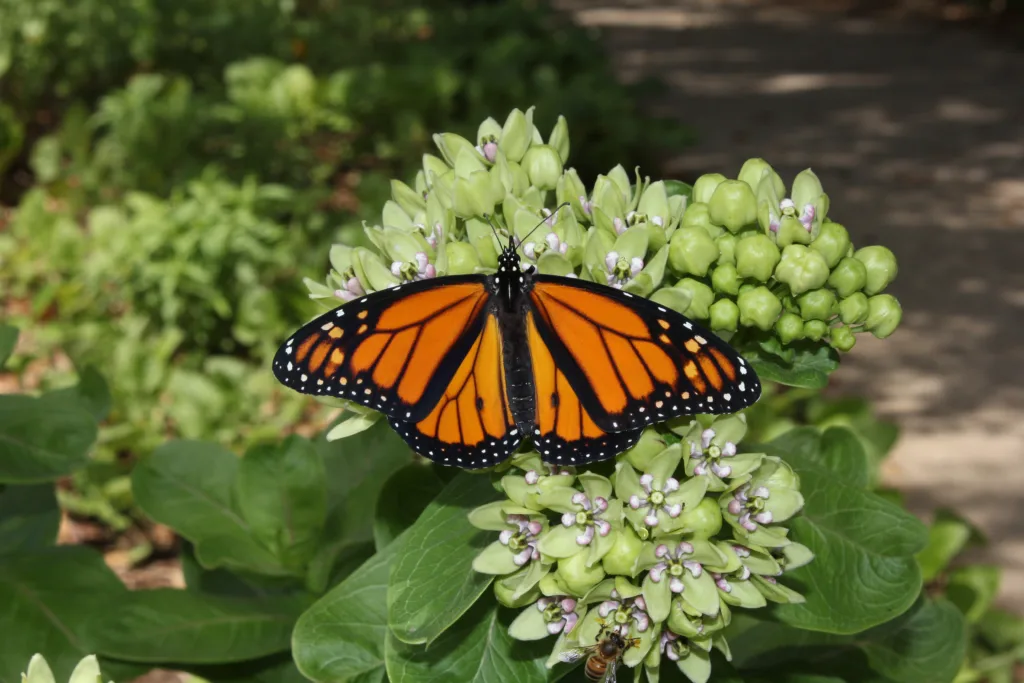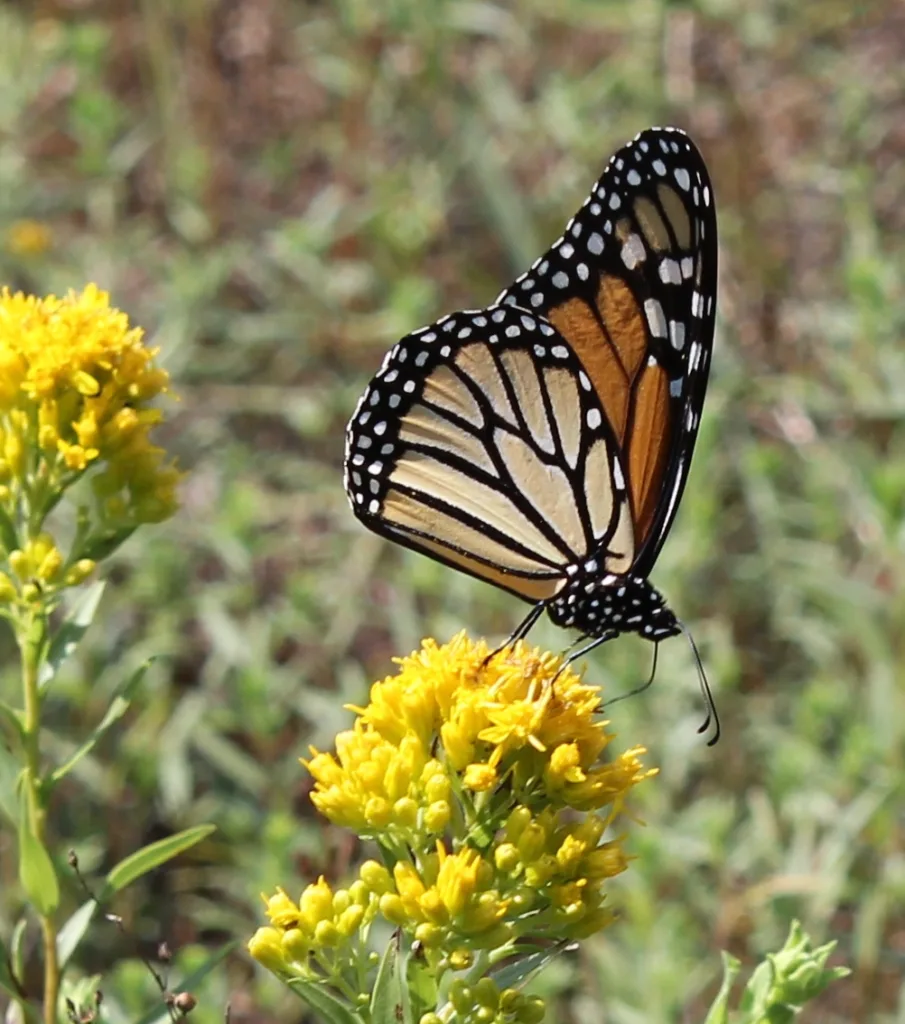
There’s still plenty of time to get on board! The Bring Back the Monarchs to Texas committee of the Native Plant Society of Texas awards grants up to $600 for the planting or improvement of pollinator gardens. We want to support gardens that create more usable Monarch habitat while showcasing native Texas plants in an appealing way. Our partners at the US Forest Service and Monarch Joint Venture help make this program possible.
More information and a link to the simple application can be found here.
When is the deadline? February 1st, 2024
Don’t panic: the application is easy to complete, and layout drawings don’t have to be fancy.
Who or what is eligible? Many non-profits, schools, nature centers, parks, municipal buildings, camps, worship centers, museums and more could qualify if they are located in Texas. If you have specific questions send an email to bbmt@npsot.org.
What is not eligible? Landscaping on private residential property.
What can the grant money be spent on? Only the purchase of native Texas plants or seeds for native plants is permitted. Non-natives like Tropical Milkweed are prohibited under the grant terms. Hardscaping, borders, signs, rocks, benches, soil products, and all non-plant items are also excluded.
We’re accessible! Ask us anything about the grants by emailing bbmt@npsot.org
Think about anyone you know or any groups you are affiliated with who need this information and please either share this notice directly to them or copy and send this information page link to them.
https://www.npsot.org/our-work/bring-back-the-monarchs-to-texas/garden-grants/
The Bring Back the Monarchs to Texas Committee can’t wait to see your great ideas and read your applications! Get them in soon.