Welcome to the Austin Chapter of NPSOT including Travis and surrounding counties. 

Use the menus in the bar above to get more information relevant to our area, including plant lists, activities, and more.

Please join us at a meeting, field trip, plant rescue, or other activity.

Chapter News

Posts about our chapter activities, and other important information

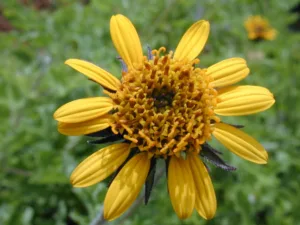
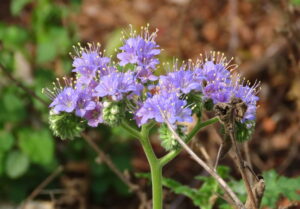
May 2025 Plant of the Month

Bush sunflower is an extremely drought tolerant plant for a chalk prairie. Although it prefers limestone and caliche, it can grow on other soils with good drainage. Works well in
Read More »

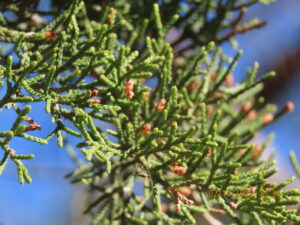
April 2025 Plant of the Month

Blooms March-May. Tall, sprawling growth form. Blue Curls can grow as a biennial in warmer regions. Leaves are soft and deeply lobed. The purple to lavender-blue, bell-shaped flowers grow in
Read More »

Upcoming Events

Monthly Meetings

We meet most months both in-person and online via Zoom. Details are on our Facebook page and email newsletter, or on the events list above.

  • 4th Tuesday evening of most months
  • 6:45 p.m.: Meet & Mingle
  • 7 p.m.: Presentation
  • 8:10 p.m.: Announcements/Business
  • 8:45 p.m.: Adjourn
 
 Join our chapter of the Native Plant Society of Texas!

Stay in Touch

To stay up to date on all our meetings and activities, subscribe to the NPSOT Austin email list. You will get:

  • Our monthly newsletter
  • The link to join our monthly meeting by Zoom
  • Reminders of plant sales, plant rescues, and other special events
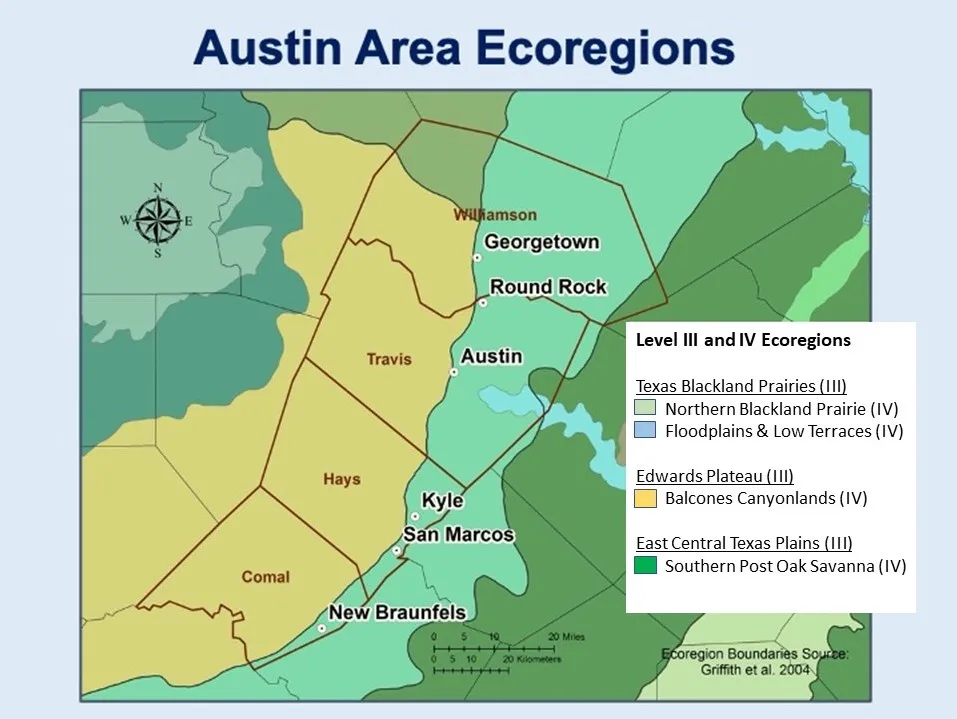
Austin Area Ecoregions Level III and IV

Welcome to the Austin Chapter of NPSOT including Travis County and the dozens of cities within its boundaries. 

We are in both the Texas Blackland Prairies and Edwards Plateau Ecoregions, divided around Interstate-35, and includes urban, prairie, and woodlands landscapes. Our average rainfall is about 35 inches with peak rainfall usually in May and October, Hardiness Zone 9a.

Use the menus in the bar above to get more information relevant to our area, including plant lists, activities, and more. The menus in white lead to our State NPSOT website.

Please join us at a meeting, field trip, plant rescue, or other activity.

About the Region

2026 Fall Symposium Logo

This low-elevations region of Texas extends inland from the barrier islands, about 60 or so miles, and stretches from Brownsville to Louisiana. In total, it covers about 9.5 million acres, with a high point of 150 feet in elevation. More than 1000 species of plants can be found in this region. On the southern end, species more common in Mexico (such as Sabal mexicana) and Central America occur.

The barrier islands provide us with dune systems, and clay flats to the inland side, which have species found in these areas alone. Many plants here, such as Ipomoea pes-caprae (beach morning glory), can be found throughout tropical regions of the globe. I’ve encountered the same species on the beaches of Guam.

Once inland, vast marshes and wet prairies occur. Occasionally, oak (Quercus fusiformis) groves can be found. Common grasses include species of Bothriochloa, Paspalum, and Sporobolus; eastern gamagrass (Tripsacum dactyloides); and switchgrass (Panicum species). Many rivers and creeks cut through the Gulf Prairies, and along these riparian areas various species of trees, Sabal minor, and other plants adapted to clay soils can be found. Due to overgrazing, farming, and fire suppression, woody species such as mesquite (Prosopis glandulosa) and huisache (Acacia farnesiana), and invasive species such as chinaberry (Melia azedarach), Brazilian pepper (Schinus terebinthifolius), and Chinese tallow (Sapium sebiferum) have increased and displaced our native flora.

Source: Wildflowers of Texas by Michael Eason