Clear Lake Chapter

Clear Lake Chapter Programs

Chapter Meetings

Meetings are open to the public; visitors are welcome.

Chapter Meetings – 2nd Mondays
In-person and online
6:45–8:30 p.m.

Chapter Board Meeting – 1st Mondays
Email for Zoom link
6:30 p.m.

Next Meeting

Field Trips

Let’s explore and learn about the native plants and plant communities in our area!

Coming Up / Recently Visited

Native Pollinator Habitat Grant Program

The Clear Lake Chapter of the Native Plant Society of Texas awards grants to nature centers, schools, educational groups and others to help fund development and maintenance of pollinator habitats using native plants, shrubs or trees on public sites in Brazoria, Galveston or Harris Counties of Texas. Priority is given to projects located in Brazoria Co., Galveston Co., and the southeast quadrant of Harris County. The goal of this program is to:

  • Educate members of the Society and the public about pollinator conservation,
  • Build or restore pollinator habitats in order to support and increase pollinator populations and diversity,
  • Promote the research, conservation and utilization of native plants and plant habitats of Texas through education, outreach and example.
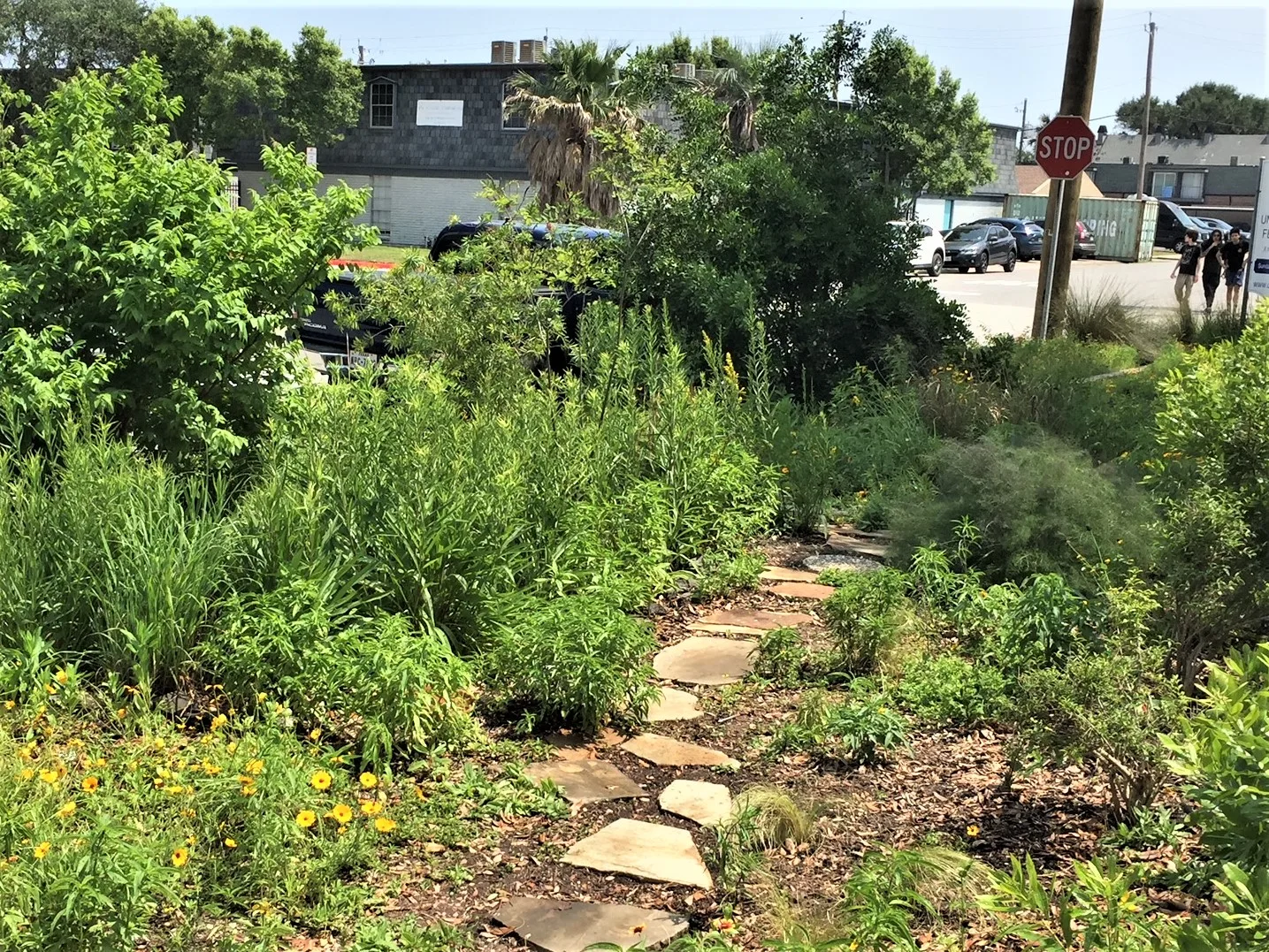
Stone pathway through native plant landscape
Photo by Denice Franke

Clear Lake Chapter Community Donations/Informal Grants

Each Clear Lake Chapter member may submit up to two nominations per year for local conservation organizations. Submissions will be reviewed and voted on by the Board. The nomination deadline is November 15.

Clear Lake Chapter Annual Awards

Recognizing achievements in the field of native plants.

Nominees must have accomplishments that benefit the community at large. Accomplishments may be in education, research, and/or outreach. The nomination deadline is November 1. The award will be presented at the December meeting.

Native Landscape Certification Program

Our Native Landscape Certification Program (NLCP) is a series of day-long classes highlighting best practices for native plant landscaping, including wildlife habitat gardening.

Each class consists of an indoor training session and a plant identification session. We show you plants native to the local ecoregion and illustrate their use in the landscape.

The Clear Lake Chapter offers a Level 1 class in the spring and fall. The class schedule is posted one week before registration opens on the Native Plant Society website.

Level 1 registration fee is $45. For all classes other than Level 1, the registration fee is $50 for Native Plant Society members or $65 for non-members.

Clear Lake Chapter contact: Martha Richeson

  • Level 1: Introduction to Native Landscapes
  • Level 2: Design and Development with Native Plants
  • Level 3: Installing and Maintaining Native Landscapes
  • Level 4: Stewardship of Native Plant Communities (under development)
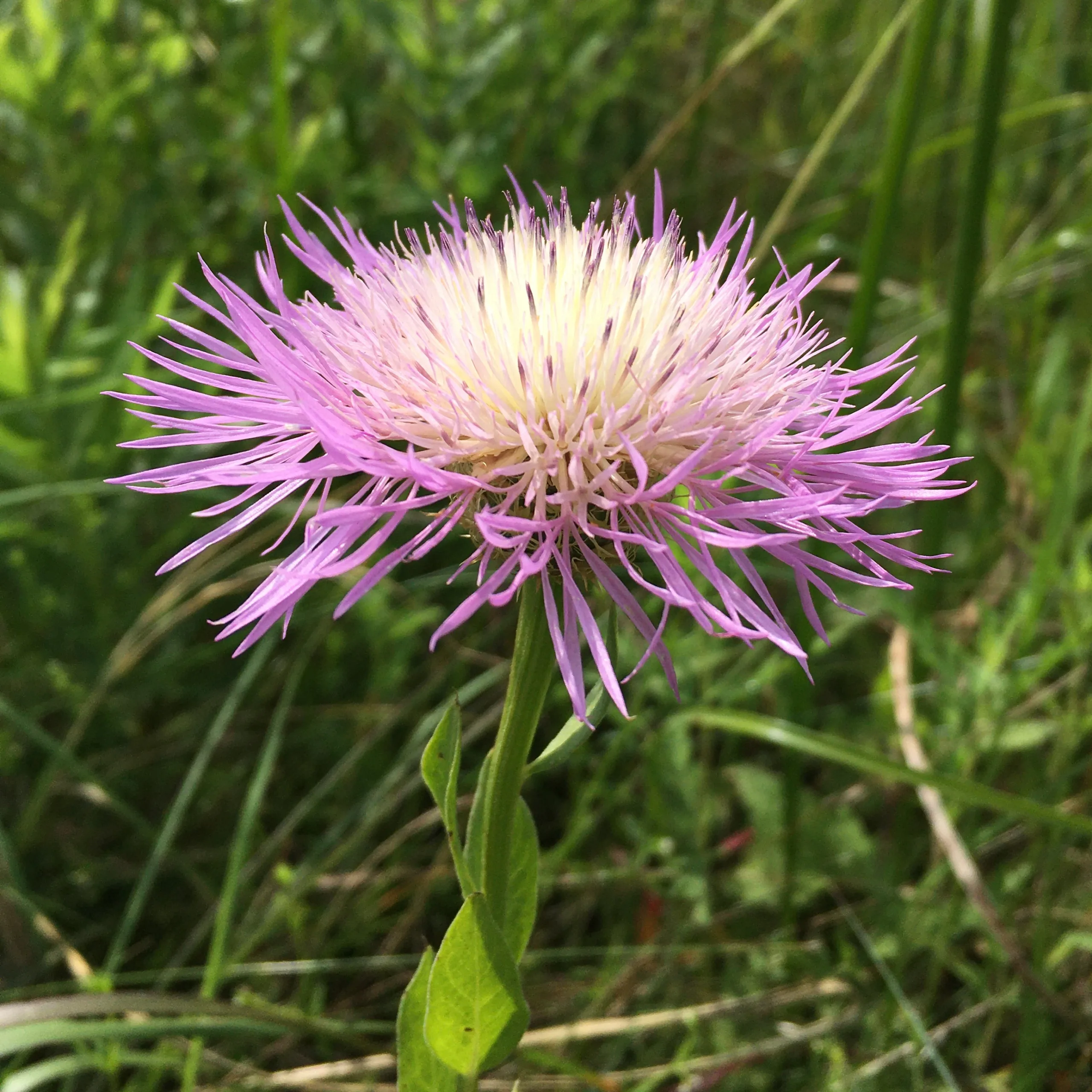
American Basketflower

NLCP Class, Level 3

https://nativeplantsocietyoftexas.app.neoncrm.com/np/clients/nativeplantsocietyoftexas/event.jsp?event=2697& Summary Learn about how to install and maintain your native plant landscape! NLCP is a state-wide program, but classes focus on the characteristics and plants in the region in

Read More »

About the Region

2026 Fall Symposium Logo

This low-elevations region of Texas extends inland from the barrier islands, about 60 or so miles, and stretches from Brownsville to Louisiana. In total, it covers about 9.5 million acres, with a high point of 150 feet in elevation. More than 1000 species of plants can be found in this region. On the southern end, species more common in Mexico (such as Sabal mexicana) and Central America occur.

The barrier islands provide us with dune systems, and clay flats to the inland side, which have species found in these areas alone. Many plants here, such as Ipomoea pes-caprae (beach morning glory), can be found throughout tropical regions of the globe. I’ve encountered the same species on the beaches of Guam.

Once inland, vast marshes and wet prairies occur. Occasionally, oak (Quercus fusiformis) groves can be found. Common grasses include species of Bothriochloa, Paspalum, and Sporobolus; eastern gamagrass (Tripsacum dactyloides); and switchgrass (Panicum species). Many rivers and creeks cut through the Gulf Prairies, and along these riparian areas various species of trees, Sabal minor, and other plants adapted to clay soils can be found. Due to overgrazing, farming, and fire suppression, woody species such as mesquite (Prosopis glandulosa) and huisache (Acacia farnesiana), and invasive species such as chinaberry (Melia azedarach), Brazilian pepper (Schinus terebinthifolius), and Chinese tallow (Sapium sebiferum) have increased and displaced our native flora.

Source: Wildflowers of Texas by Michael Eason