North Central Chapter

Plant Sale Information

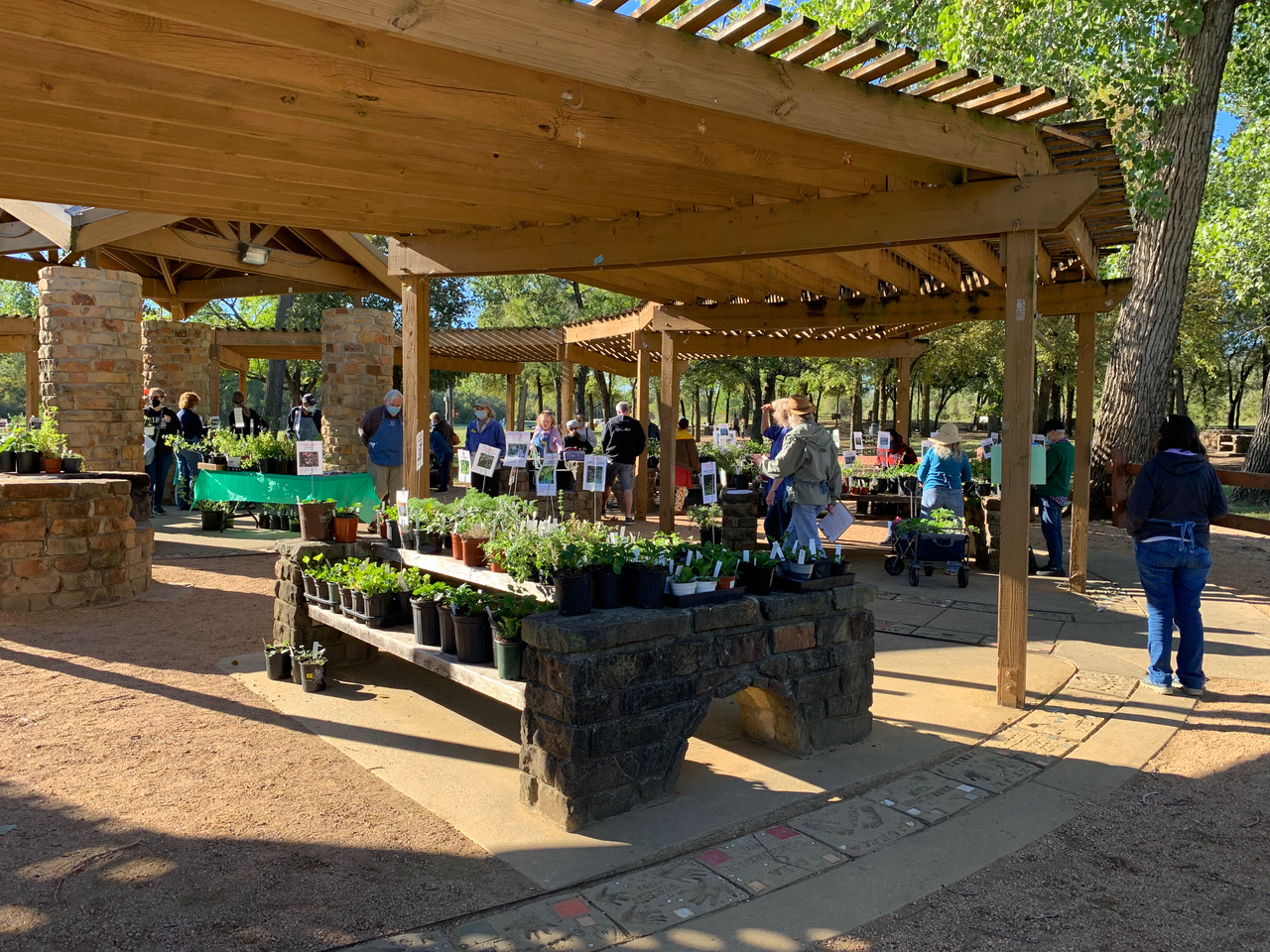
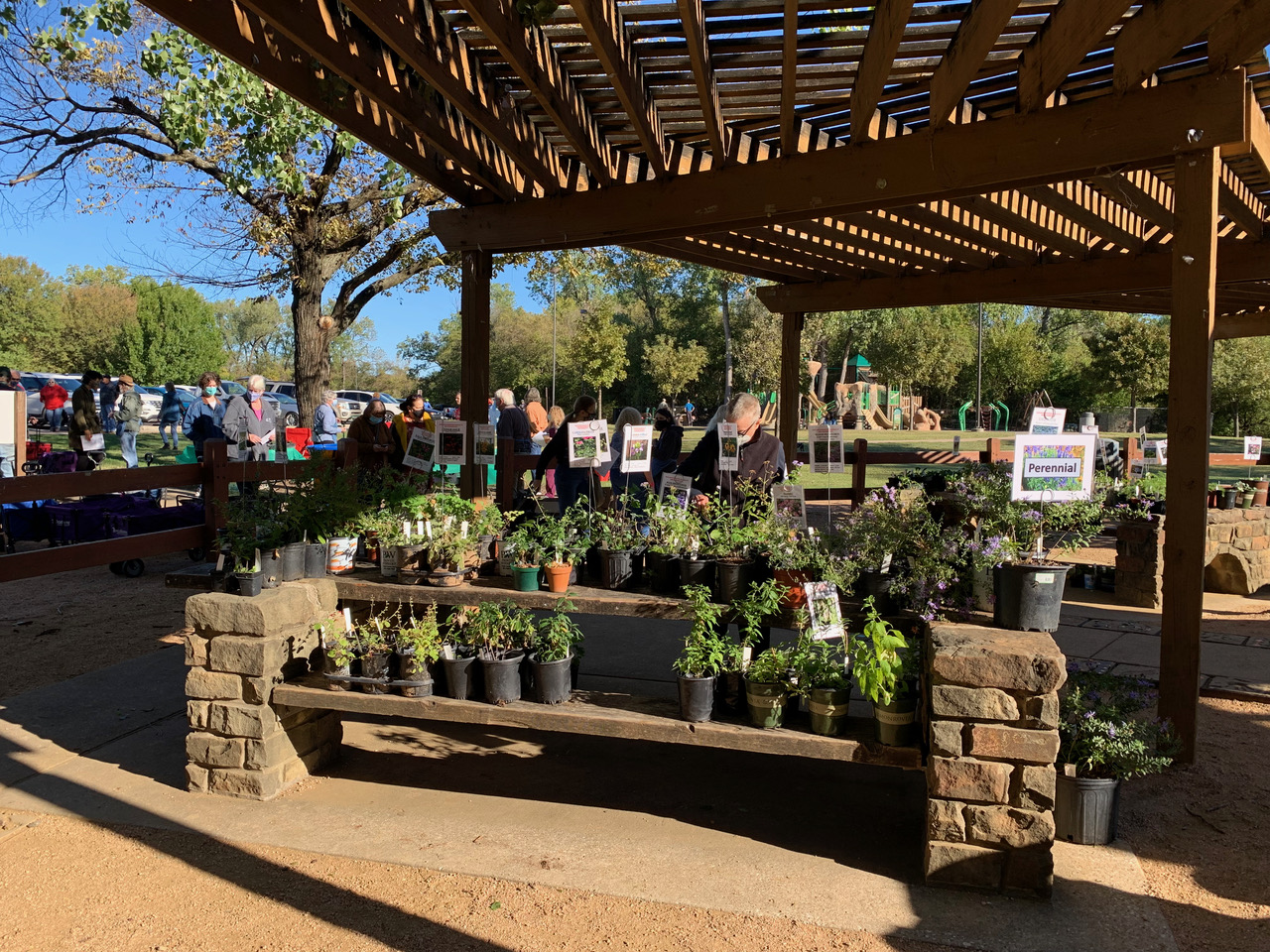
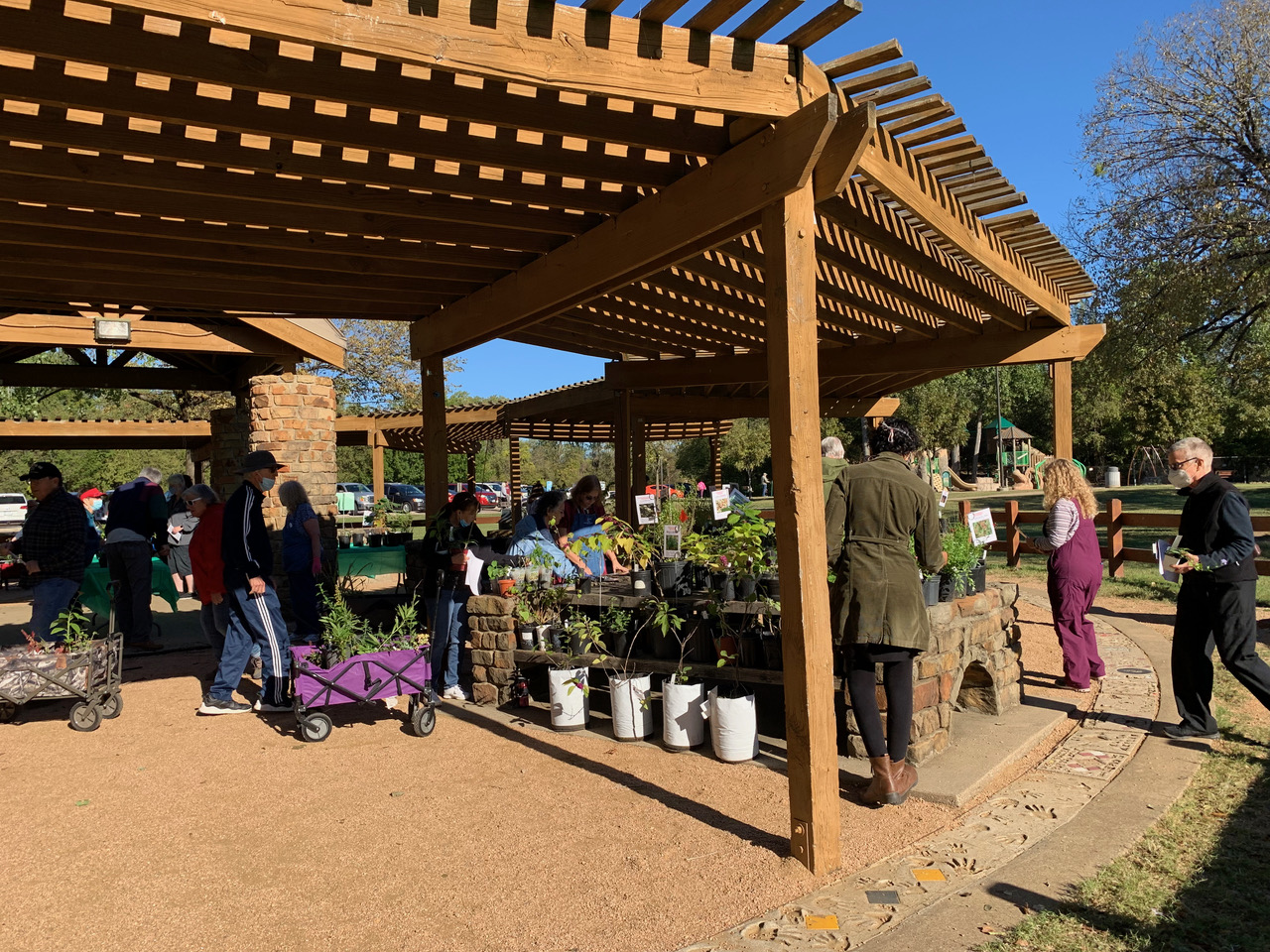
The North Central Chapter holds two native plant sales each year. These sales showcase a wide variety of native plant species, some of which are rarely offered by commercial nurseries.

By purchasing from our sales, you help advance our mission to promote conservation, research, and the use of native plants in Texas. Join us in restoring the local ecosystem by adding native plants to your landscape.

VOLUNTEER

Spring Native Plant Sale

Saturday
May 2, 2026
10:00 am – 12:30 pm

Randol Mill Park Pavilion
1901 W Randol Mill Rd, Arlington, TX 76012
Enter the park and follow Randol Mill Park Road to Village Green Court, the pavilion and parking will be at the end.

Google Maps Link

View the Species List from Past Sales

Fall Native Plant Sale

Saturday
October TBA 2026
10:00am – 12:30pm

White Settlement Central Park
8902 George St, White Settlement, TX 76108
The pavilion is located on Gibbs Drive. Enter the park and follow Gibbs Drive to the end for parking and the pavilion.

Google Maps Link

View the Species List from Past Sales

SPRING AND FALL PLANT SALE DETAILS

  • All the plants at our sales are grown locally and provided by members of our chapter.
  • You can expect to find between 1,200 and 1,800 plants at each sale.
  • We offer many plant species that are hard to find elsewhere.
  • We accept both cash and credit cards.
  • If you have a wagon, feel free to bring it along.
  • Many of our plant species tend to sell out quickly.

BENEFITS OF NATIVE PLANTS

»  Host Plants for Butterflies  »  Nectar Plants for Pollinators  »
»  Low Water Requirement  »
»  No Need for Pesticides  »  No Need for Fertilizers   »  Healthy Habitats  »

About the Region

Fall Symposium 2025 Logo - Teach for the Future

Salado, the location of our Fall 2025 Symposium, lies at the intersection of two ecoregions: the Edwards Plateau (Limestone Cut Plain) and Blackland Prairie (Northern Blackland Prairie).

The Edwards Plateau area is also called the Hill Country; however, this general term covers a much larger area extending farther north. Spring-fed creeks are found throughout the region; deep limestone canyons, rivers, and lakes (reservoirs) are common. Ashe juniper is perhaps the most common woody species found throughout the region. Additional woody species include various species of oak, with live oak (Quercus fusiformis) being the most common. Sycamores (Platanus occidentalis) and bald cypress (Taxodium distichum) border waterways. This area is well known for its spring wildflower displays, though they may be viewed in spring, late summer, and fall, as well. According to Texas Parks and Wildlife, average annual rainfall in the Edwards Plateau ranges from 15 to 34 inches.

The Blackland Prairie extends from the Red River south to San Antonio, bordered on the west by the Edwards Plateau and the Cross Timbers, and on the east by the Post Oak Savannah. Annual rainfall averages 30 to 40 inches, with higher averages to the east. This region is dominated by prairie species. The most common grass species include little bluestem (Schizachyrium scoparium) and Indian grass (Sorghastrum nutans) in the uplands and switchgrass (Panicum virgatum) in the riparian areas and drainages. Common herbaceous flowering plants include salvias, penstemons, and silphiums. This area has suffered greatly from overgrazing and agricultural use. Few intact areas remain, though many of the plants can be found along county roadsides throughout the region.

Our fall Symposium host chapter, the Tonkawa Chapter, includes both of these ecoregions.

Source: Wildflowers of Texas by Michael Eason