


Container Pollinator Garden at UUMC
LOCATION: 2416 West Berry Street, Fort Worth TX 76110 at University United Methodist Church. Enter the parking lost on Forest Park Blvd, across from Paschal

Randol Mill Park Pond Triangle Garden
LOCATION: 1901 W. Randol Mill Rd., Arlington, TX 76012. Volunteer Days: The 4th Thursday of the month. If you’d like to volunteer, please contact us
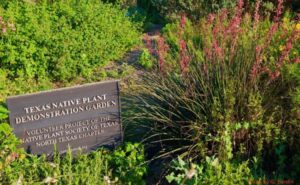
Southwest Sub-Courthouse Garden
LOCATION: 6551 Granbury Rd, Fort Worth, TX 76133 Volunteer Workdays: to be scheduled, please contact us to be added to the volunteer list for this
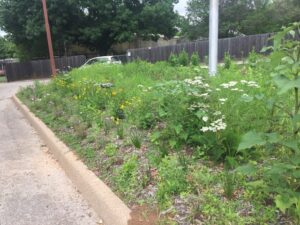
Pollinator Garden at Randol Mill Park
LOCATION: Randol Mill Park, Arlington. Workdays: Fourth Monday of each month, please contact us to be added to the volunteer list for this garden. Garden
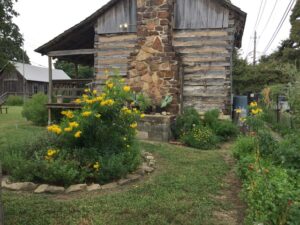
Butterfly Garden at Knapp Heritage Park
LOCATION: Knapp Heritage Park, Arlington TX Volunteer Workdays: Monthly, please contact us to be added to the volunteer list for this garden. Garden Leaders: Josephine
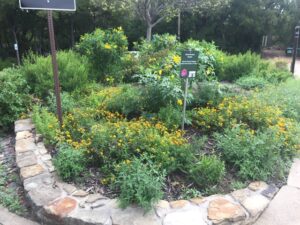
Pollinator Garden at River Legacy Park
LOCATION: River Legacy Park, Arlington TX. Workdays: Third Monday of each month. If you’d like to volunteer at this garden, please contact us to be
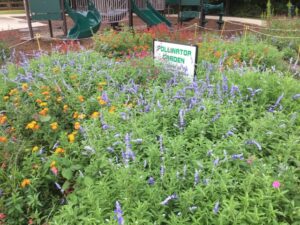
O.S. Gray Natural Area
LOCATION: O.S. Gray Natural Area, Arlington TX. Volunteer Workdays: Second Saturday of each month. Please contact us if you’d like to be added to the
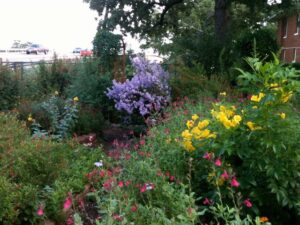
The Butterfly Garden at Fielder House
LOCATION: Fielder House, Arlington TX. Volunteer Workdays: To be announced. If you’d like to volunteer at this garden, please contact us to be added to
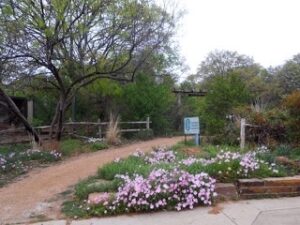
The Molly Hollar Wildscape
LOCATION: 2866 Spanish Trail, Arlington, TX 76016 Workdays: Every Wednesday, and first Saturday, of the month. If you’d like to volunteer at this garden, please
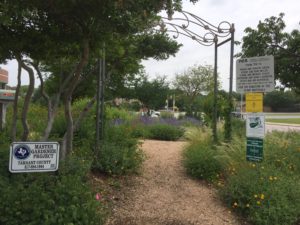
Native Gardens at Southwest Regional Library
LOCATION: 4001 Library Ln, Fort Worth, TX 76109 Workdays: Second and Fourth Thursday of the month. If you’d like to volunteer at this garden, please
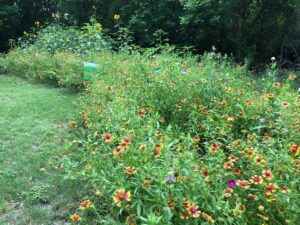
Fort Worth Zoo Pollinator Garden
LOCATION: 1989 Colonial Parkway, Fort Worth, TX. Located on the east side of the Fort Worth Zoo’s parking lot. Workdays: 2nd and 4th Fridays of
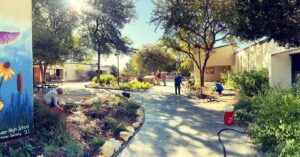
White Settlement Monarch Waystation
LOCATION: 8213 White Settlement Rd, White Settlement TX, 76108 Volunteer Days: Every Wednesday, 9:00 am to 11:00 am. (Summer hours start at 8:00am) In the
