
Yantis Prairie Day 2026

Yantis Prairie Field Trip

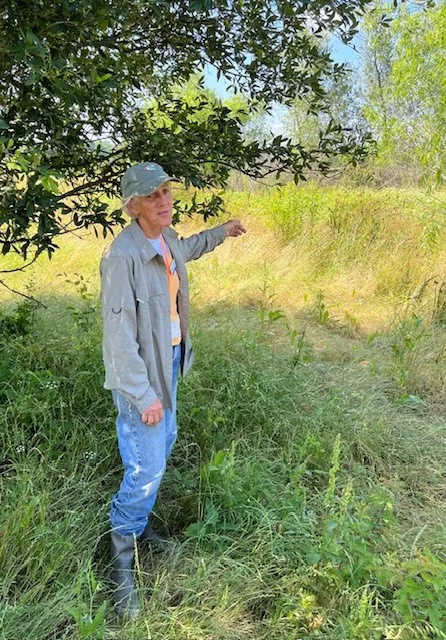
9AM-2PM, for the 6th Annual Yantis Prairie Day, a free family-friendly outdoor event celebrating community, nature and our grazing lands at the Yantis Prairie (Northeast Texas Prairie Community Classroom) located at 124 W Oak Yantis, TX 75497. Planned activities include prairie restoration walks beginning at 9:00 AM and continuing throughout the day, interactive stations in the field for kids and adults, land stewardship and land management talks, a special program presented by The Blackland Prairie Raptor Center to educate children and adults about the role of birds of prey. And, don’t miss our honored guest, Mr. Bubbles, the Painting Pony, with Riders Up at Lake Fork Stables.Yantis Prairie Day is for those interested in the prairie ecosystem and restoration, as well as thoseinterested in sound land stewardship and management tools for grazing livestock. We have many great agencies attending that have fantastic programs and are willing to share what they can do to help us all become better land stewards. Come and mingle with folks from:Texas Grazing Coalition, our title sponsorTexas Parks & Wildlife US Fish and Wildlife Natural Resource Conservation ServiceTexas A&M AgriLife NE Texas Farmers CO-OP Tyler Audubon Society Native Prairie Association of Texas Native Plant Society of TexasWood County Master Gardeners Texas Master Naturalists Holistic Management Intl (Christine Martin)The Shepherdess (Grace Leake)Come support the Yantis Volunteer Fire Department who will be serving hamburgers, hot dogs, chips and drinks for donation. Ground beef generously donated by J&J Meat Market in Yantis.

  • 00

    days

  • 00

    hours

  • 00

    minutes

  • 00

    seconds

Date
Sep 26 2026
Time
9:00 am - 2:00 pm
Cost
$
Organizer
Lakes and Pines Calendar

About the Region

2026 Fall Symposium Logo

This low-elevations region of Texas extends inland from the barrier islands, about 60 or so miles, and stretches from Brownsville to Louisiana. In total, it covers about 9.5 million acres, with a high point of 150 feet in elevation. More than 1000 species of plants can be found in this region. On the southern end, species more common in Mexico (such as Sabal mexicana) and Central America occur.

The barrier islands provide us with dune systems, and clay flats to the inland side, which have species found in these areas alone. Many plants here, such as Ipomoea pes-caprae (beach morning glory), can be found throughout tropical regions of the globe. I’ve encountered the same species on the beaches of Guam.

Once inland, vast marshes and wet prairies occur. Occasionally, oak (Quercus fusiformis) groves can be found. Common grasses include species of Bothriochloa, Paspalum, and Sporobolus; eastern gamagrass (Tripsacum dactyloides); and switchgrass (Panicum species). Many rivers and creeks cut through the Gulf Prairies, and along these riparian areas various species of trees, Sabal minor, and other plants adapted to clay soils can be found. Due to overgrazing, farming, and fire suppression, woody species such as mesquite (Prosopis glandulosa) and huisache (Acacia farnesiana), and invasive species such as chinaberry (Melia azedarach), Brazilian pepper (Schinus terebinthifolius), and Chinese tallow (Sapium sebiferum) have increased and displaced our native flora.

Source: Wildflowers of Texas by Michael Eason