

Holiday Shopping Supporting NPSOT
**ARCHIVED POST ** We’ve put together a 2022 collection of Native Plant Society of Texas-inspired shopping! These gifts let you share the love of native plants and awareness of our organization while generating proceeds to support the Society’s mission. This holiday season we have two new options for gifting: We
Giving Tuesday – Bring Back the Monarchs
**ARCHIVED POST ** Bring Back the Monarchs to Texas (BBMT) provides grants to individuals and organizations wanting to help boost monarch populations by planting qualified native plant monarch garden projects with public access! In 2022, fifty-three grants were awarded! We want to increase the number of 2023 grants – and
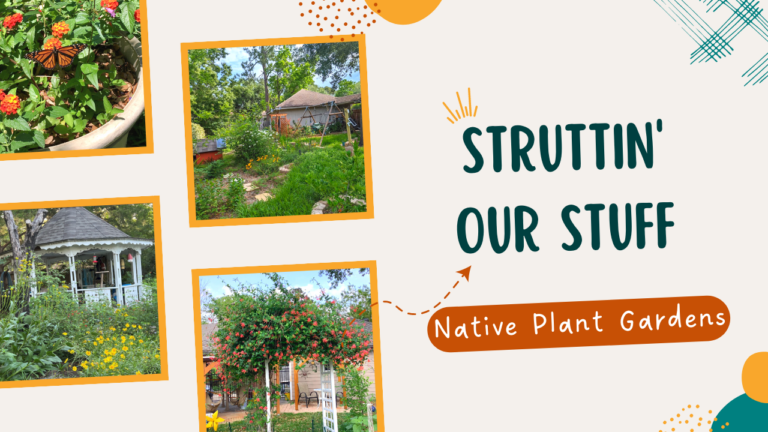
Chapter Meeting: Struttin’ Our Stuff, Season 2
Chapter members share their successes and other learning experiences from their own native plant gardens.
Paul Montgomery Memorial Garden
**ARCHIVED POST ** Paul Montgomery, 1946-2022 The memorial for Paul Montgomery took place on a lovely Sunday at Wild Basin October 23rd. Family, friends, neighbors and colleagues joined to celebrate Paul’s life. Stories and experiences came from all corners. A video of Paul teaching children was showing, and neighbors had
NPSOT Challenge Bioblitz 2022
**ARCHIVED POST ** During Texas Native Plant Week, the Native Plant Society of Texas hosted a bioblitz challenge for anyone to document the wild plants anywhere within the state. Observations were made October 16 through October 22, 2022, along with photographic evidence posted to iNaturalist. As you can see in
October 2022’s Native Landscape Certification Program (NLCP) Level 1 Class
**ARCHIVED POST ** On October 29, 2022 Austin NPSOT held its fifth successful class of the NLCP Level 1 course. If you are unfamiliar with the curriculum, this is the introduction to native landscapes course which is offered across the state by many chapters. It highlights the benefits of native
Perfect Gift Idea for Native Plant Enthusiasts
**ARCHIVED POST ** Give the gift of native plant conservation this year! As a 501(c)(3) nonprofit, we depend on volunteers, program donations, and membership dues to make our outreach and educational work Texas possible. **ARCHIVED POST** **ARCHIVED POST LINKS & PICTURES MAY NOT WORK** **ARCHIVED POST AUTHOR: sandraries
Bring Back the Monarchs to Texas: Accepting Grant Applications through Feb 1
**ARCHIVED POST ** Grant Application Cycle It’s time! The 2022-2023 Bring Back the Monarchs to Texas garden grant season is now in full swing! Find the 2023 application, rules, and other information on the Native Plant Society of Texas’ Bring Back the Monarchs website. Deadline Applications are due February 1st,
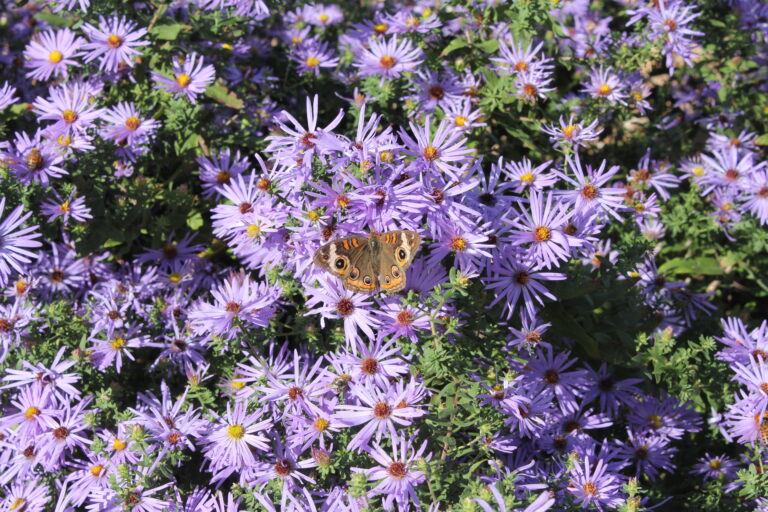
Fall 2022 Member Magazine
“There is a lot going on at NPSOT: work on I-35 highway rest stop, Bring Back the Monarchs Program, NICE, website updates, NLCP classes, awards, grants, EDI, invasive plants, documents, symposiums, and more …” Linda Knowles, President
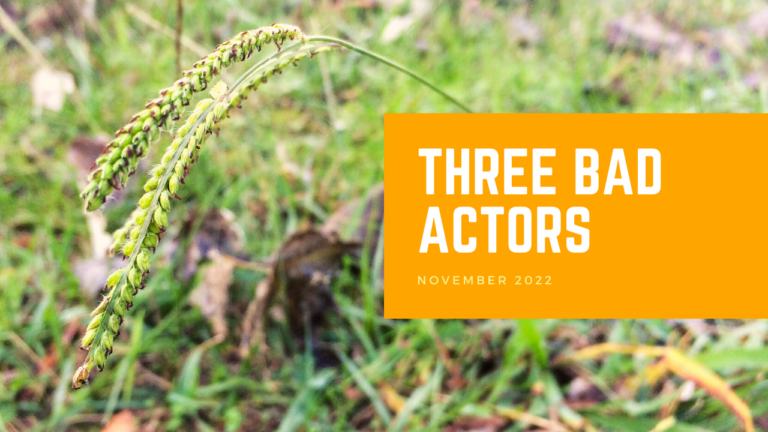
Spotlight on Invasives: Three Bad Actors
Spotlight on Invasives: Johnsongrass (Sorghum halepense), Southern Crabgrass (Digitaria ciliaris), and Dallisgrass (Paspalum dilatatum)
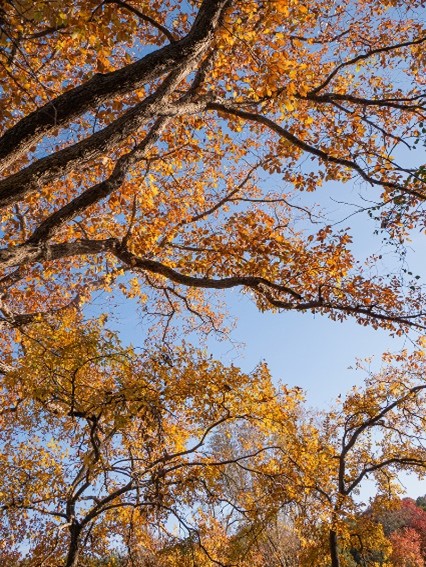
Top 7 North Texas Native Trees for Fall Colors
Planning Your Fall Colors Show Admittedly, North Texas is not Vermont, East Tennessee, or Michigan when it comes to beautiful fall foliage displays. Our temperate zone’s deciduous trees do not display the amount and breadth of vibrant golds, oranges, and reds of more northern states. However, we do have some
Bridge Point Plant Rescue
**ARCHIVED POST ** Thanks to property owner consent, we can harvest seed and rescue natives on a gorgeous property. You can rescue plants for yourself and you can donate your transplants to benefit Balcones Canyonlands Preserve (BCP) and Austin Water Wildland Conservation restoration projects. Stay tuned for future updates! For
