The Native Plant Society of Texas (NPSOT) is excited to announce a partnership with Texas Parks and Wildlife Foundation (TPWF) to create pocket prairies at six Texas elementary schools during the 2025-26 school year. This project is made possible by Pollinators and Prairies, a program of TPWF with support from their partners.
Schools in the program have been chosen to represent different Texas ecoregions, including:
- Blackland Prairie
- Edwards Plateau
- Coastal Prairie
- South Texas Plains
- Southern Post Oak Savanna
Each school’s prairie will be representative of historic prairies in that eco-region of Texas. Volunteers from nearby Society chapters will choose plants and seeds specific to the eco-region and assist with site prep, educational signage, curriculum resources, and prairie-related books.
What is a Pocket Prairie?
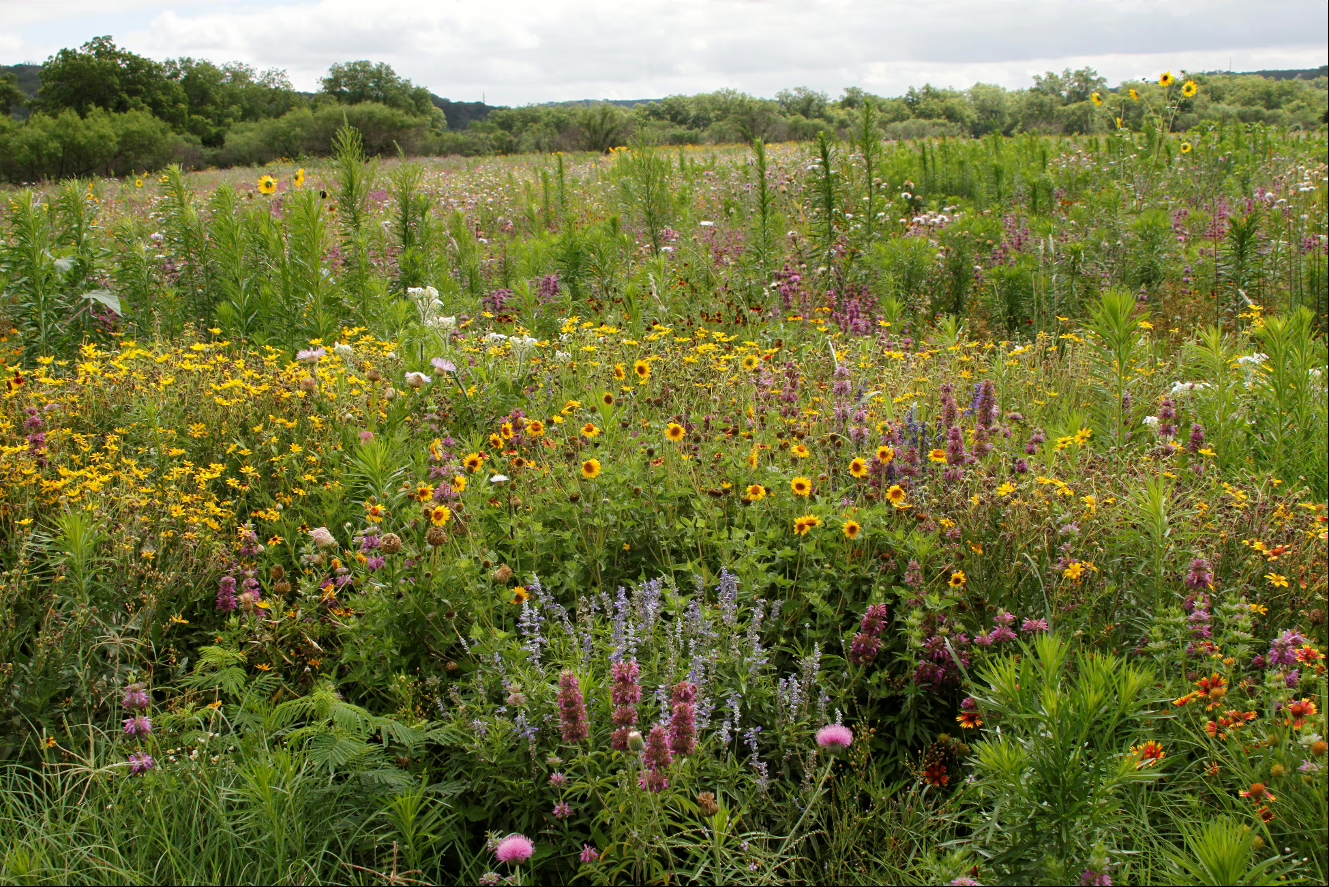
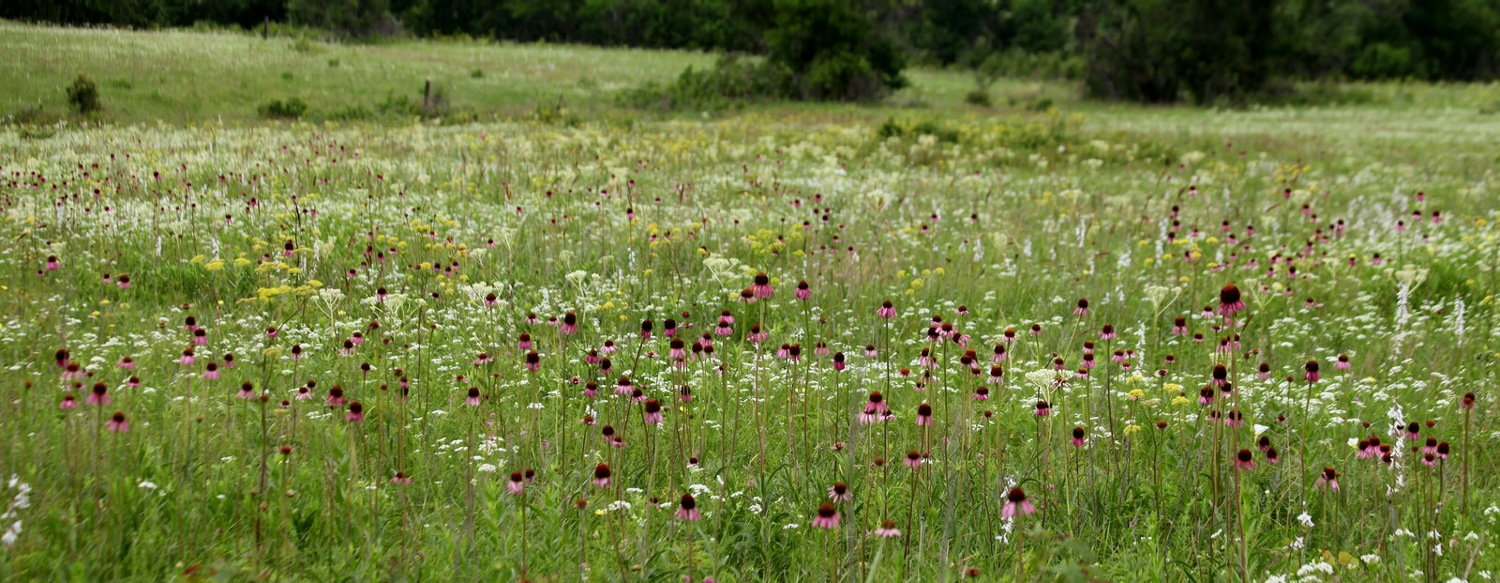
A pocket prairie is a small, intentionally planted area that mimics the look and function of a natural prairie ecosystem. It typically includes a mix of native grasses and wildflowers and is designed to support local wildlife such as pollinators, birds, and small animals. Because it’s “pocket-sized,” it can fit into backyards, parks, and school campuses—bringing the benefits of prairies (biodiversity, habitat, stormwater absorption, soil health) to places where large prairies no longer exist.

Why a School Pocket Prairie?
A school pocket prairie offers a hands-on, real-world outdoor classroom for students! It is the ideal place to learn about biology, environmental science, agronomy and more. Art and photography students will have a source for inspiration, just outside the classroom door. Texas history, ecology, insect study and adaptation, soil science, and art are just a few of the ways that teachers on campus can utilize a pocket prairie.
2025-26 Pocket Prairie Initiative Timeline
- Spring 2025: School selections and site visits.
- Summer 2025: Solarization of growing sites if needed to kill existing grass and weeds.
- Fall 2025: Final preparation of site, including addition of compost and micro-organisms, as needed. Society to provide prairie education to partner schools.
- October 2025: Installation of pocket prairie with transplants and seeds.
- Fall-Winter: Maintenance of site as needed—watering, weeding, etc.
- Spring 2026: First season of new pocket prairie. NPSOT volunteers to provide additional educational activities in the prairie.
- Ongoing: Maintenance and prairie education/activities in partnership with the Society
Learn More about Pocket Prairies!
- For more information about school pocket prairies check out this helpful article. and short video.
- This handy guide from TPWF walks through how to create a pocket prairie.
- Check out these tips from the Native Prairies Association of Texas for starting a pocket prairie.
- Watch a video on why prairies matter and school pocket prairies.
Supporting Partner