Clear Lake Chapter

Chapter Meeting: Native Host Plants for Butterflies and Moths

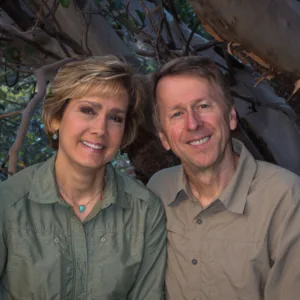
Jim and Lynne Weber
Lynne and Jim Weber in Big Bend National Park

April 10, 2023

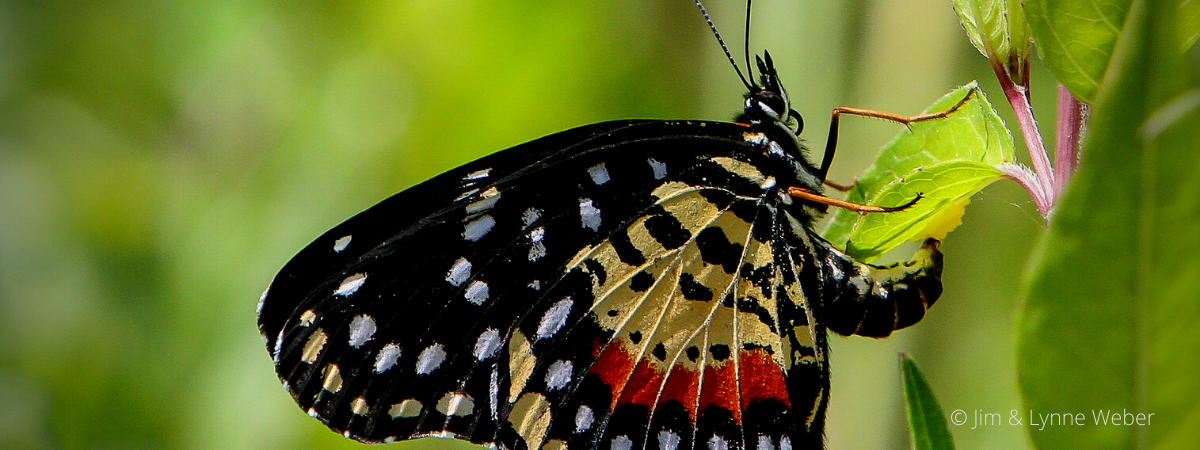
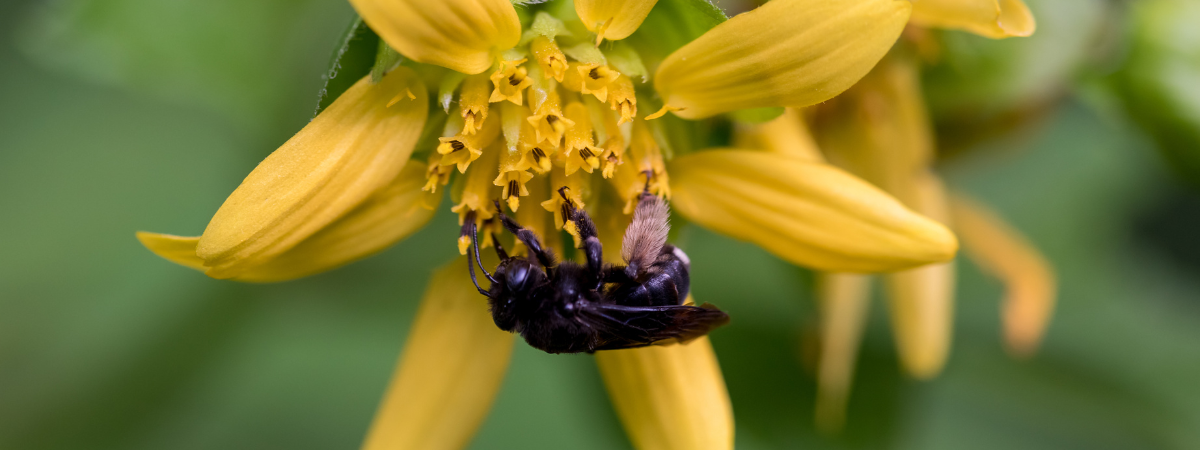
This talk will leave you with the knowledge and resources needed to encourage and appreciate a wider diversity of caterpillars, butterflies, and moths in a Texas native plant garden. Goes beyond monarchs and milkweeds!
This talk was not recorded, but you can view “Native Host Plants for Texas Moths w/ Jim & Lynne Weber” on the Williamson County Chapter YouTube channel.

About the Speakers

Both Lynne and Jim Weber are certified Texas Master Naturalists and Lynne is a past president of the Capital Area chapter. The Webers are dedicated naturalists who have been studying Texas natural history since they moved to Austin in 1989. They have served on the Balcones Canyonlands Preserve (BCP) Citizens Advisory Council (CAC) as well as on the boards of the Big Bend Natural History Association, the Big Bend Conservancy, and the Chihuahuan Desert Research Institute. They are long-time members of the Austin chapter of NPSOT, conduct Golden-cheeked Warbler and Colima Warbler surveys, lead guided hikes, restore native habitat, map and remove invasive plants, and are stewards of an eight-acre preserve that is part of the BCP. Their nature photography and writing appears on Flickr and on their monthly blog as well as in several nature publications. They have co-authored four books and are currently at work on a fifth book, tentatively titled Naturalist’s Austin: A Field Guide to the Flora and Fauna of Central Texas, highlighting nearly 700 species of plants and animals in the region.

Hosted by Environmental Institute of Houston, University of Houston-Clear Lake

Related Posts

About the Region

2026 Fall Symposium Logo

This low-elevations region of Texas extends inland from the barrier islands, about 60 or so miles, and stretches from Brownsville to Louisiana. In total, it covers about 9.5 million acres, with a high point of 150 feet in elevation. More than 1000 species of plants can be found in this region. On the southern end, species more common in Mexico (such as Sabal mexicana) and Central America occur.

The barrier islands provide us with dune systems, and clay flats to the inland side, which have species found in these areas alone. Many plants here, such as Ipomoea pes-caprae (beach morning glory), can be found throughout tropical regions of the globe. I’ve encountered the same species on the beaches of Guam.

Once inland, vast marshes and wet prairies occur. Occasionally, oak (Quercus fusiformis) groves can be found. Common grasses include species of Bothriochloa, Paspalum, and Sporobolus; eastern gamagrass (Tripsacum dactyloides); and switchgrass (Panicum species). Many rivers and creeks cut through the Gulf Prairies, and along these riparian areas various species of trees, Sabal minor, and other plants adapted to clay soils can be found. Due to overgrazing, farming, and fire suppression, woody species such as mesquite (Prosopis glandulosa) and huisache (Acacia farnesiana), and invasive species such as chinaberry (Melia azedarach), Brazilian pepper (Schinus terebinthifolius), and Chinese tallow (Sapium sebiferum) have increased and displaced our native flora.

Source: Wildflowers of Texas by Michael Eason