**ARCHIVED POST **
Planners for the Fall Symposium in Texarkana are looking for artwork to feature on shirts and other merchandise.
By tradition, each year an official symposium T-shirt features artwork that depicts native plants of the region being studied that year. Besides the T-shirt design the artwork will be used on a symposium tote bag, the cover of the annual proceedings and numerous other publications. In lieu of monetary compensation, this is a wonderful opportunity for an artist to have his/her artwork displayed throughout the state.

The artwork should first have as a background a map outline of the Northeast Texas area of the state, with the most emphasis on Texas, and lines showing the location of neighboring states–Louisiana, Arkansas and Oklahoma, including their names. Texarkana’s location should be marked with a star. On this background indigenous plants of the Northeast Texas area should be shown.
A list of the desired plants is shown below. The entire plant does not have to be shown. Creativity in arrangement is encouraged, but depictions should be realistic. The artist may reference any number of books or websites (good sites: www.wildflower.org, http://plants.usda.gov/java/ ) or click the botanical name to find out what a particular plant looks like. The artist may use the medium of his/her choice, and the size of the finished piece should be large enough to allow the reproduced image to dominate the front of the T-shirt. The committee encourages the artist to include the botanical name of the depicted plants as part of the design. Note that the words “Native Plant Society of Texas” will be incorporated into the final design, along with “Symposium 2014 – Texarkana.” If you wish to include them in your design, you may.
Deadline to submit a sketch is Friday, May 9. The planning committee will choose the winning sketch. Submit artwork to Vicki Avery, 104 Coke Drive, Texarkana, TX 75501, vavery@cableone.net, 903.824.2599.
Required Plants to show
- Dogwood Cornus florida
- Shortleaf Pine Pinus echinata
- Yellow monarda Monarda luteola
- Silveus’ Dropseed Sporobolus silveanus
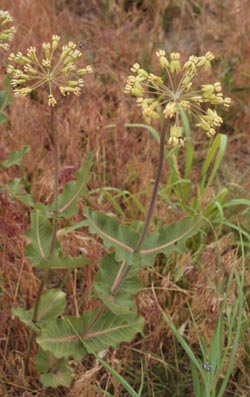
- Clasping milkweed Asclepias amplexicaulis
- Cupleaf Penstemon Penstemon murrayanus
- Orange fringed orchid Platanthera ciliaris
Optional Plants to be depicted
- Pinewoods lily Alophia drummondii
- Cardinal flower Lobelia cardinalis
- Pitcher sage Salvia azurea
- Rosemallow Hibiscus moscheutos
- Blue Water leaf Hydrolea ovata
- Swamp lily Crinum americanum
- Inland sea oats Chasmanthium latifolium
- Netleaf leather flower Clematis reticulata
- Swamp sunflower Helianthus angustifolius
- White oak Quercus alba
**ARCHIVED POST**
**ARCHIVED POST LINKS & PICTURES MAY NOT WORK**
**ARCHIVED POST AUTHOR: vavery