Clear Lake Chapter

Frostweed Puts on a Winter Show

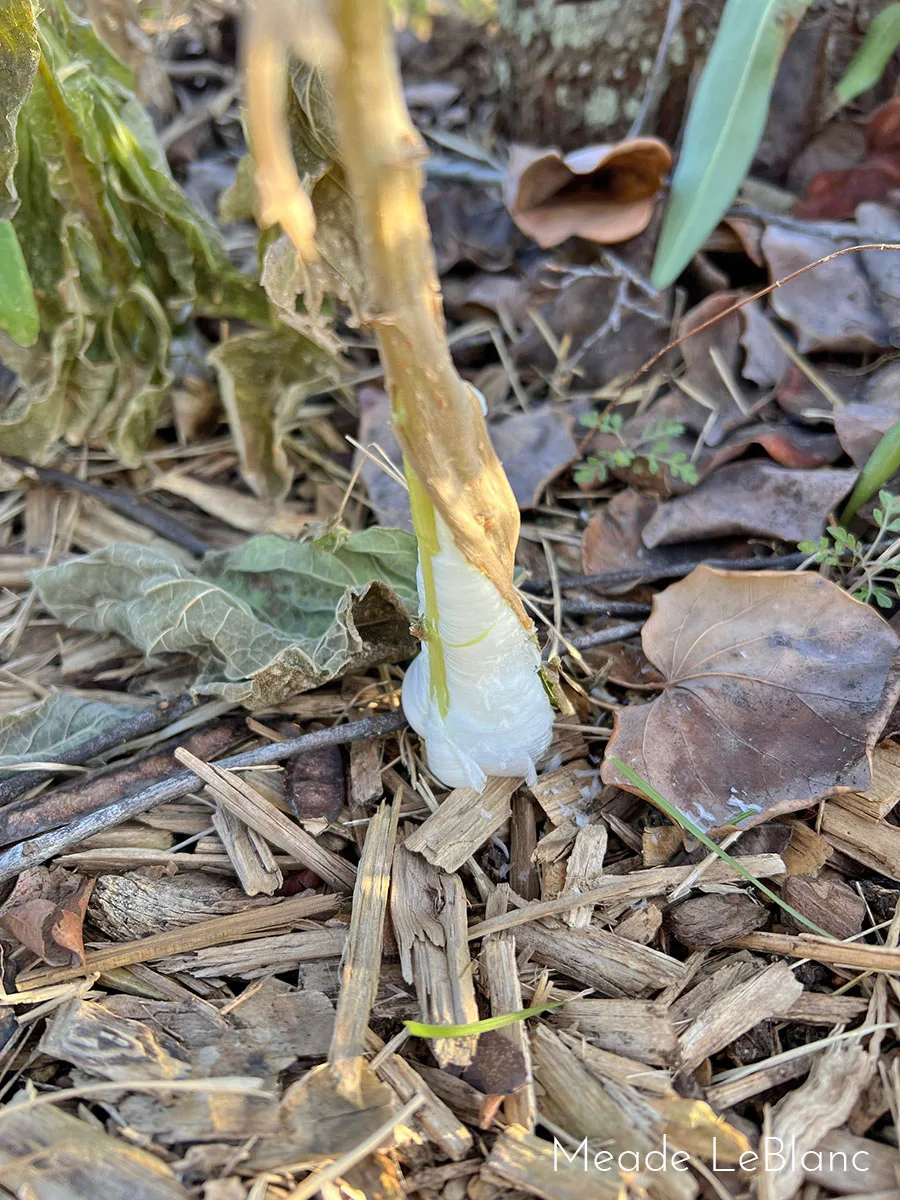
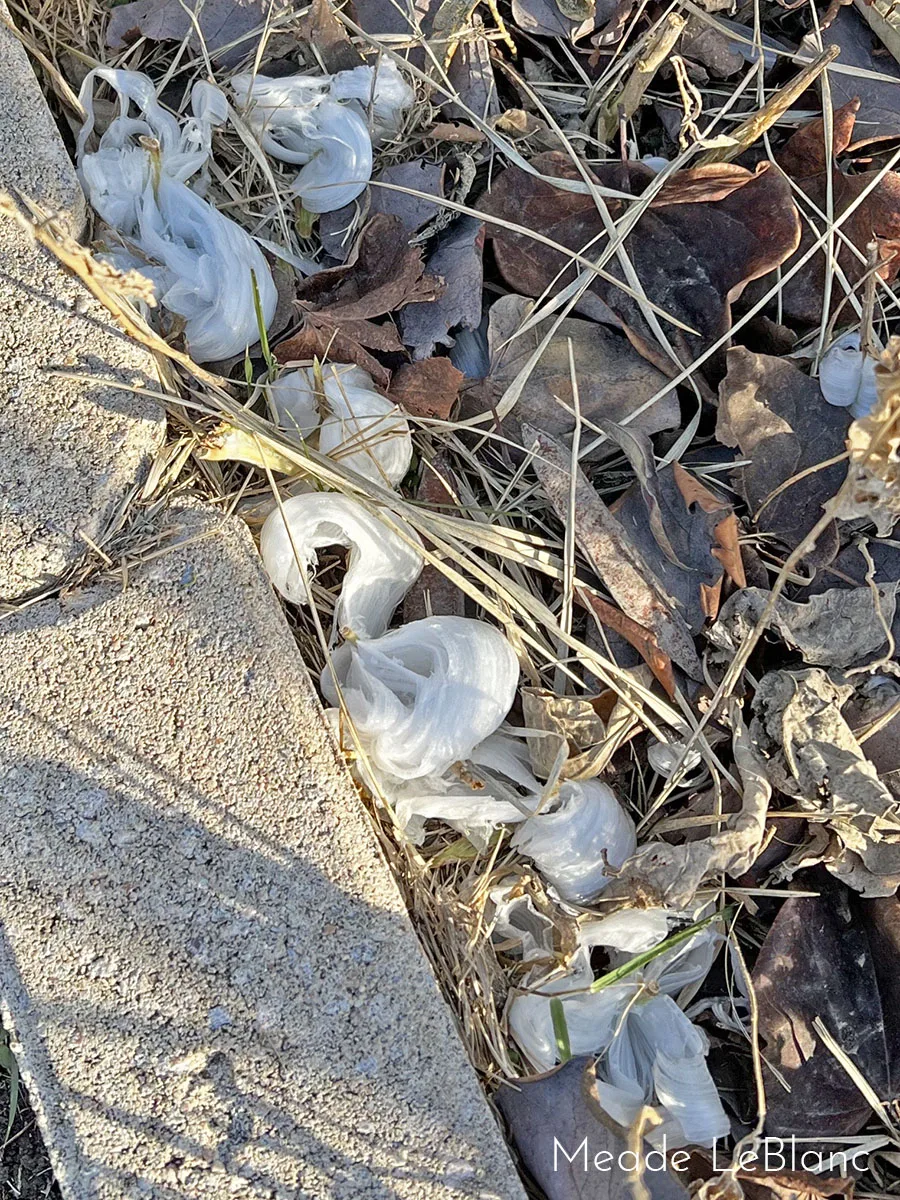
If you had Frostweed in your garden, you might have noticed a show a couple of weeks ago during the freezing weather. Frostweed, Verbesina virginica, forms ice crystals when the ground temperature is warm enough for the plant’s root system to be active. Moisture in the plant flows from the roots up into the stem, where the cold air freezes it. As the moisture in the plant freezes, the ice crystals push out through the stem. The result is something that looks like cotton candy, or cotton batting, or maybe even a bizarre insect nest.
Frostweed (Verbesina virginica). Photos by Meade LeBlanc, January 16, 2024.
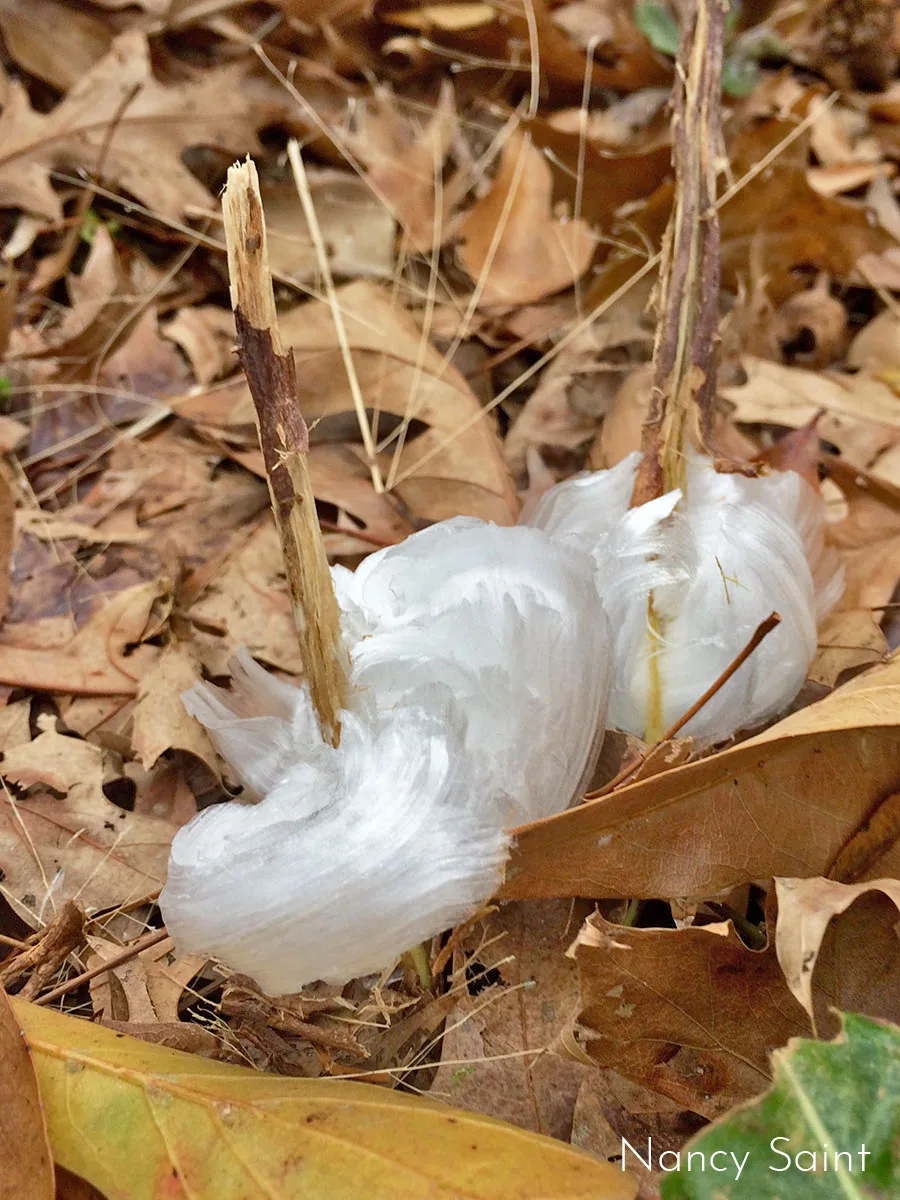
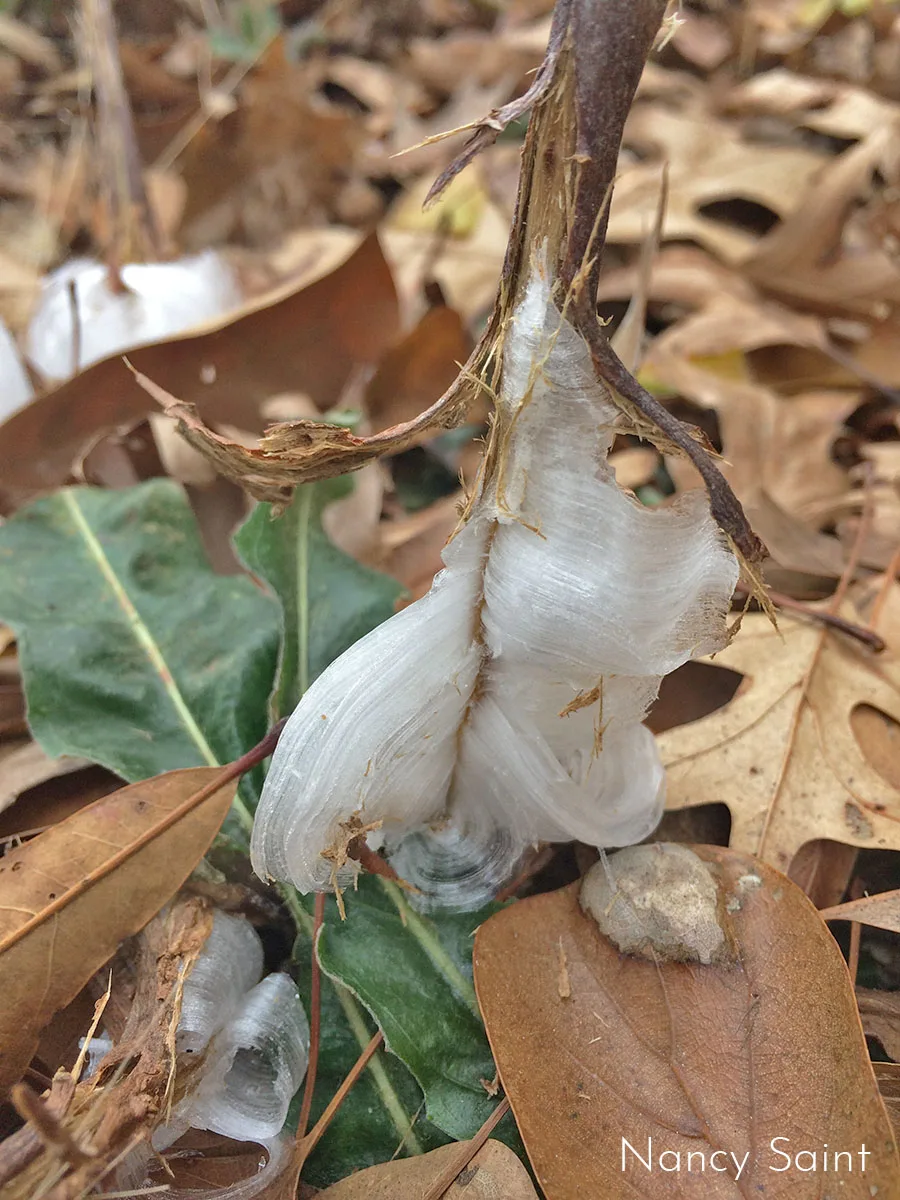
Frostweed isn’t the only plant that can react this way to freezing temperature. The following photos, captured by Nancy Saint in January 2018, are of Saltmarsh Fleabane, Pluchea odorata. “I was very surprised when I walked out that frosty morning to see the fascinating frosty curls coming out of the stems,” said Nancy.
Saltmarsh Fleabane (Pluchea odorata). Photos by Nancy Saint, January 2018.

This article first appeared in Deep Roots Newsletter, February 2024.
About the Region

2026 Fall Symposium Logo

This low-elevations region of Texas extends inland from the barrier islands, about 60 or so miles, and stretches from Brownsville to Louisiana. In total, it covers about 9.5 million acres, with a high point of 150 feet in elevation. More than 1000 species of plants can be found in this region. On the southern end, species more common in Mexico (such as Sabal mexicana) and Central America occur.

The barrier islands provide us with dune systems, and clay flats to the inland side, which have species found in these areas alone. Many plants here, such as Ipomoea pes-caprae (beach morning glory), can be found throughout tropical regions of the globe. I’ve encountered the same species on the beaches of Guam.

Once inland, vast marshes and wet prairies occur. Occasionally, oak (Quercus fusiformis) groves can be found. Common grasses include species of Bothriochloa, Paspalum, and Sporobolus; eastern gamagrass (Tripsacum dactyloides); and switchgrass (Panicum species). Many rivers and creeks cut through the Gulf Prairies, and along these riparian areas various species of trees, Sabal minor, and other plants adapted to clay soils can be found. Due to overgrazing, farming, and fire suppression, woody species such as mesquite (Prosopis glandulosa) and huisache (Acacia farnesiana), and invasive species such as chinaberry (Melia azedarach), Brazilian pepper (Schinus terebinthifolius), and Chinese tallow (Sapium sebiferum) have increased and displaced our native flora.

Source: Wildflowers of Texas by Michael Eason