It’s Contest Time: Here’s the Submission Information!

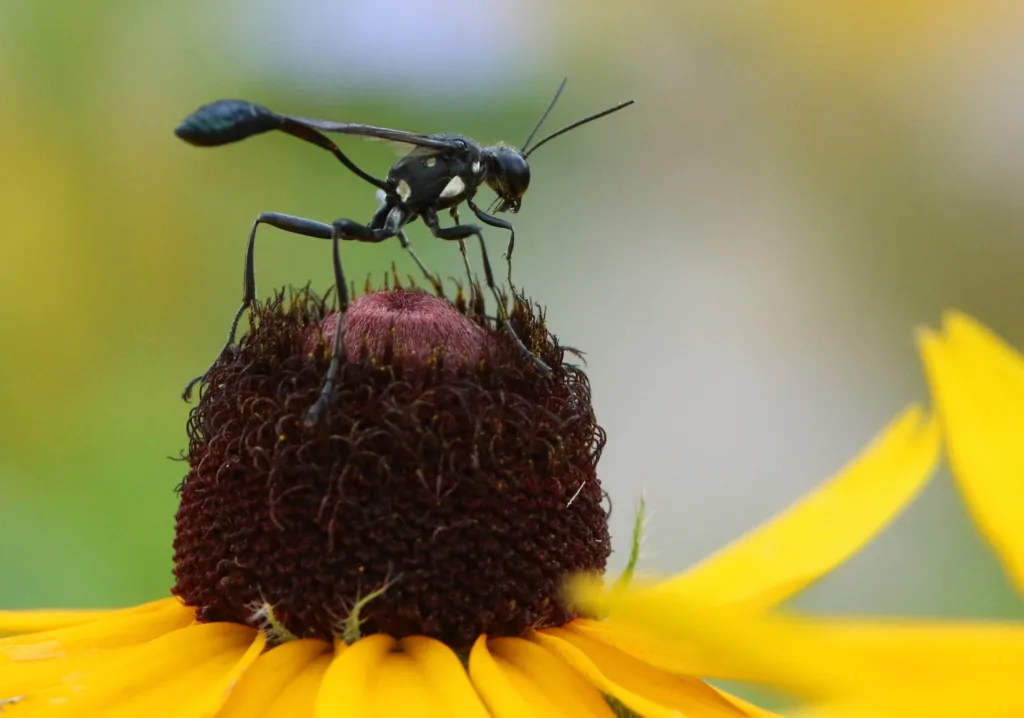
Rudbeckia hirta by 2022 Gulf Coast Prairies & Marshes Ecoregion Winner Linda Kuhn

It’s time for our annual contests for photos, videos, and chapter newsletters! 

Photos

Once again this year our photo contest is divided into categories based on the 12 Level III ecoregions in Texas. Members may enter a photo in any or all of the ecoregions. To enter you must be a current member of the Society, and submit your entry between now and July 31. Entries will be judged by a panel. 

View past winners on SmugMug.

Videos

Lots of people have started making videos for social media during the past year. So I am expecting lots more entries in our video contest. Entries must be short – 5 minutes max! – and feature some aspect of native plants. It could be a plant profile, something about a project, home landscaping, land stewardship, etc. Once again you must be a member and submit your entry between now and July 31. 

View past winners on YouTube.

Chapter Newsletters

The chapter newsletter contest is a little different. Only the chapter newsletter editor or the president of that chapter can submit entries for the contest. Also if you won the contest in the last three years you are not eligible for this year’s contest. By July 31 submit your best issue of your newsletter from the past twelve months, regardless of the frequency of issue. Newsletters may be published weekly, monthly or any other frequency. 

How to Enter

Complete rules and instructions for entering all three contests are available through the Member Portal. Select “Annual Contests” in the left-hand menu after logging in. 

Winners will be announced during the fall symposium. You’ll also be able to see them on our website and our social media channels.

Questions? Contact Bill Hopkins
Logo with blue flowers, text reads NPSOT 2023, Fall Symposium, Pineywoods Ecoregion

About the Region

2026 Fall Symposium Logo

This low-elevations region of Texas extends inland from the barrier islands, about 60 or so miles, and stretches from Brownsville to Louisiana. In total, it covers about 9.5 million acres, with a high point of 150 feet in elevation. More than 1000 species of plants can be found in this region. On the southern end, species more common in Mexico (such as Sabal mexicana) and Central America occur.

The barrier islands provide us with dune systems, and clay flats to the inland side, which have species found in these areas alone. Many plants here, such as Ipomoea pes-caprae (beach morning glory), can be found throughout tropical regions of the globe. I’ve encountered the same species on the beaches of Guam.

Once inland, vast marshes and wet prairies occur. Occasionally, oak (Quercus fusiformis) groves can be found. Common grasses include species of Bothriochloa, Paspalum, and Sporobolus; eastern gamagrass (Tripsacum dactyloides); and switchgrass (Panicum species). Many rivers and creeks cut through the Gulf Prairies, and along these riparian areas various species of trees, Sabal minor, and other plants adapted to clay soils can be found. Due to overgrazing, farming, and fire suppression, woody species such as mesquite (Prosopis glandulosa) and huisache (Acacia farnesiana), and invasive species such as chinaberry (Melia azedarach), Brazilian pepper (Schinus terebinthifolius), and Chinese tallow (Sapium sebiferum) have increased and displaced our native flora.

Source: Wildflowers of Texas by Michael Eason
