Sheryl Smith-Rodgers’ Home in Blanco

Ecoregion: Edwards Plateau
Native Plant Garden in Blanco

For Sheryl Smith-Rodgers and husband James Hearn in Blanco, it’s been a long process since 2008 of creating garden beds and planting natives. One reason why: Their yard is about two-city lots big. Plus they own an adjoining “vacant lot,” which they turned into The Meadow. That property has become a haven for antelope-horns and other native plants. Sheryl also focuses on bringing “neighborhood” natives into their gardens in an effort to preserve them. To name a few, there’s scarlet pea, Texas bush-clover,  two-leaved senna, pearl milkweed, littleleaf sensitive briar and more. Nearly all her native friends have name signs, too. Using iNaturalist, Sheryl has documented 1,562 species of all kinds on their property…so far! As they say, plant natives, and they’ll come.  

Since 2012, their Blanco gardens have been a demonstration site forย Texas Wildscapes, a habitat restoration program led by Texas Parks and Wildlife Department. In 2016, Sheryl and James were featured onย Central Texas Gardener. Since 2008, sheโ€™s blogged about their property and her nature adventures atย Window on a Texas Wildscape.ย And since 2012, Sheryl has been a certified Texas Master Naturalist.

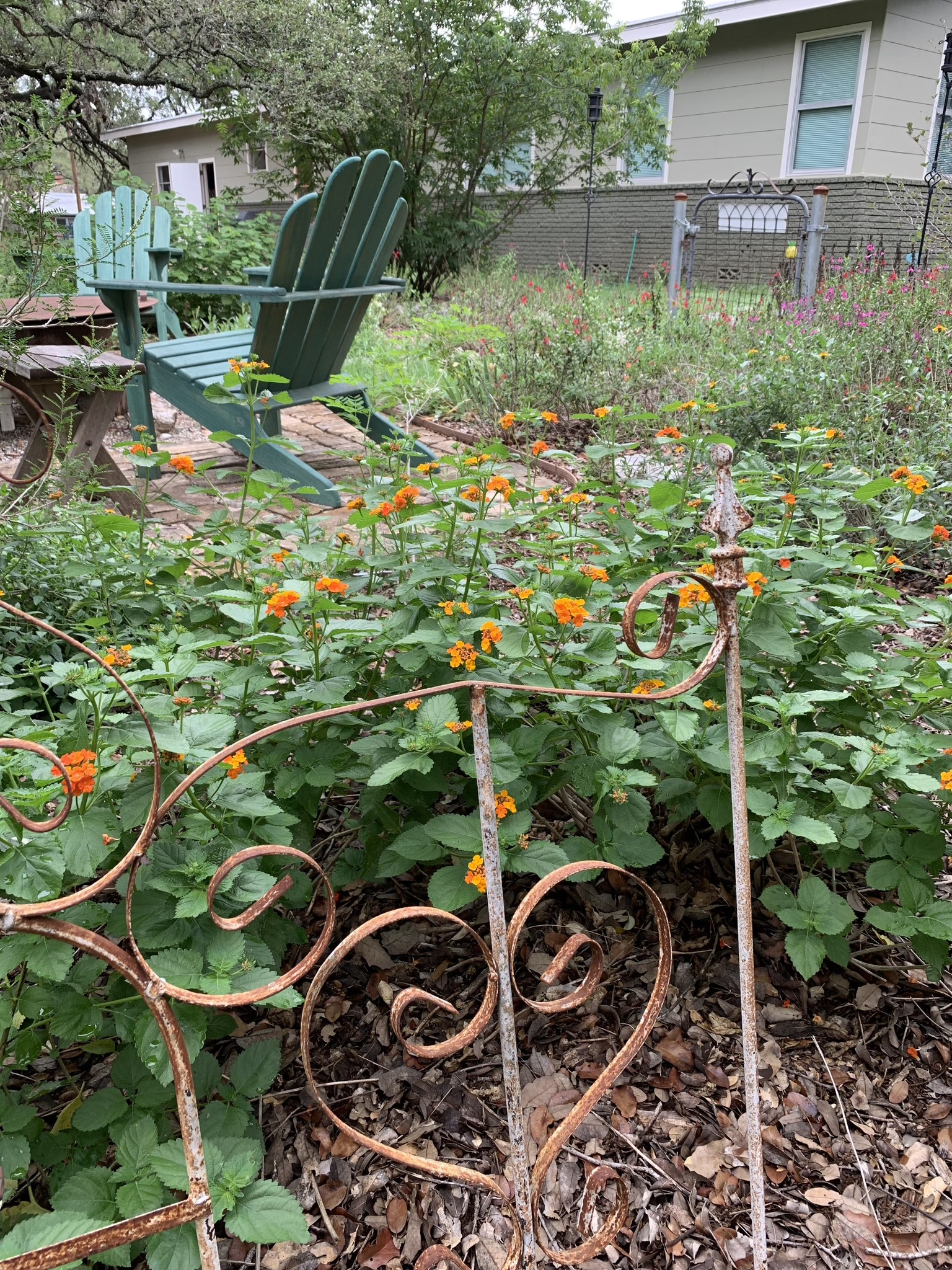
Front yard native plantings include Live Oaks (Quercus virginiana), Salvias (Salvia spp.), Cedar Sage (Salvia roemeriana), Damianita (Chrysactinia mexicana); Texas Lantana (Lantana urticoides) and Zexmenia (Wedelia acapulcensis var. hispida).

About the Region

Fall Symposium 2025 Logo - Teach for the Future

Salado, the location of our Fall 2025 Symposium, lies at the intersection of two ecoregions: the Edwards Plateau (Limestone Cut Plain) and Blackland Prairie (Northern Blackland Prairie).

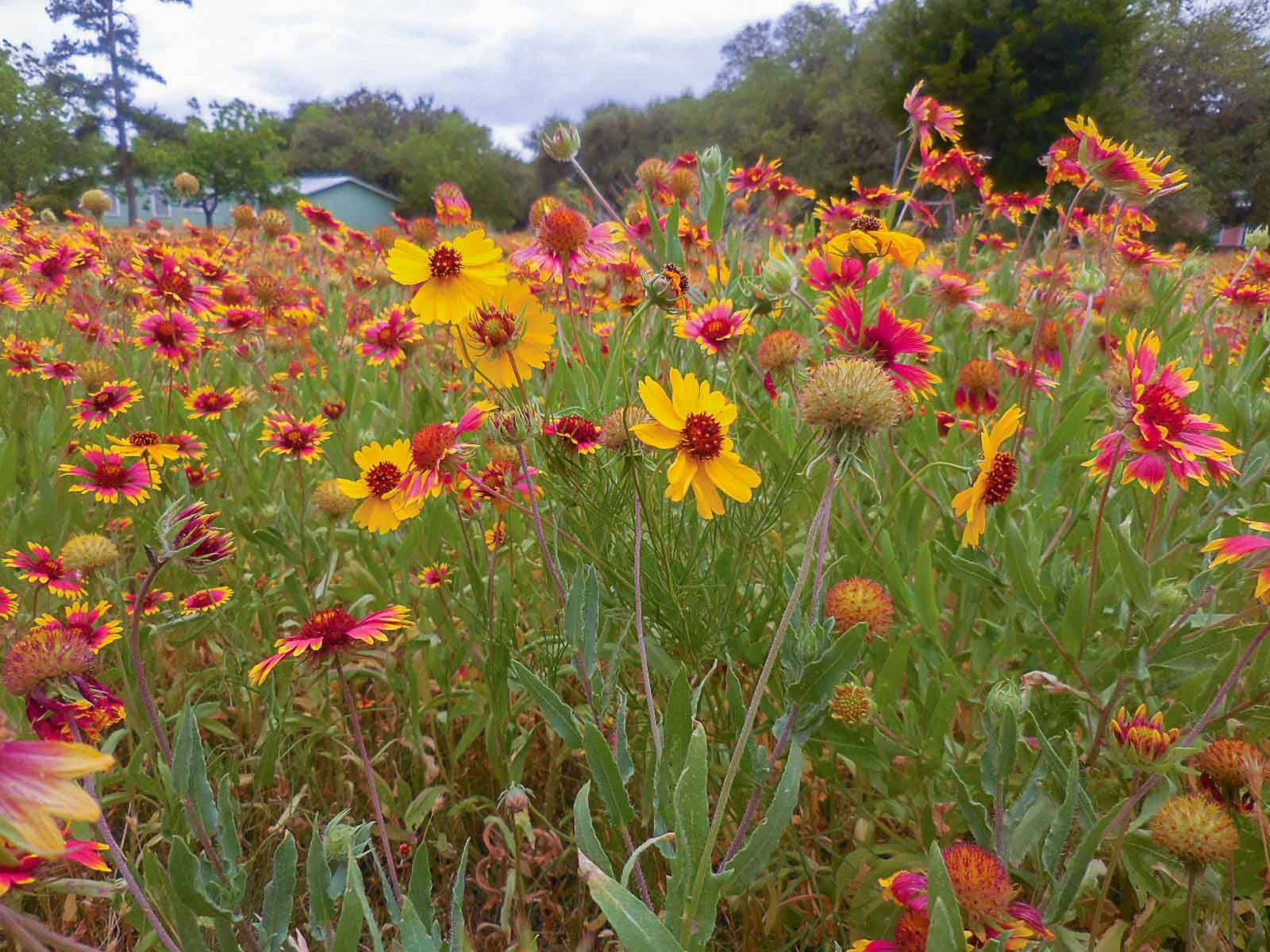
The Edwards Plateau area is also called the Hill Country; however, this general term covers a much larger area extending farther north. Spring-fed creeks are found throughout the region; deep limestone canyons, rivers, and lakes (reservoirs) are common. Ashe juniper is perhaps the most common woody species found throughout the region. Additional woody species include various species of oak, with live oak (Quercus fusiformis) being the most common. Sycamores (Platanus occidentalis) and bald cypress (Taxodium distichum) border waterways. This area is well known for its spring wildflower displays, though they may be viewed in spring, late summer, and fall, as well. According to Texas Parks and Wildlife, average annual rainfall in the Edwards Plateau ranges from 15 to 34 inches.

The Blackland Prairie extends from the Red River south to San Antonio, bordered on the west by the Edwards Plateau and the Cross Timbers, and on the east by the Post Oak Savannah. Annual rainfall averages 30 to 40 inches, with higher averages to the east. This region is dominated by prairie species. The most common grass species include little bluestem (Schizachyrium scoparium) and Indian grass (Sorghastrum nutans) in the uplands and switchgrass (Panicum virgatum) in the riparian areas and drainages. Common herbaceous flowering plants include salvias, penstemons, and silphiums. This area has suffered greatly from overgrazing and agricultural use. Few intact areas remain, though many of the plants can be found along county roadsides throughout the region.

Our fall Symposium host chapter, the Tonkawa Chapter, includes both of these ecoregions.

Source: Wildflowers of Texasย by Michael Eason