

Bush Croton

Croton fruticulosus

Other common name(s):

Shrubby Croton, Hierba Loca

Family:

Euphorbiaceae (Spurge Family)

Plant Ecoregion Distribution Map

This map uses data from the US EPA. EPA  servers have been offline frequently so maps may not display. We are working on a solution.

Chihuahuan Deserts, Edwards Plateau
Chihuahuan Desert Grasslands, Chihuahuan Montane Woodlands, Low Mountains and Bajadas, Stockton Plateau
Balcones Canyonlands, Edwards Plateau Woodland, Llano Uplift, Semiarid Edwards Plateau

Plant Characteristics

Growth Form

Herbaceous

Height

1
to
3
ft.

Spread

1
to
3
ft.

Leaf Retention

Deciduous

Lifespan

Perennial

Habitat and Care Requirements

Soil Type(s)

Calcareous, Caliche, Dry, Limestone, Rocky, Well Drained

Light Requirement

Part Shade

Water Requirement

Low

Native Habitat

Woodland

Bloom and Attraction

Bloom Color

Green

Bloom Season

Spring

Seasonal Interest

Fall Color, Nectar, Pollen, Seeds

Wildlife Benefit

Bees, Birds, Butterflies, Nectar Insects

Maintenance

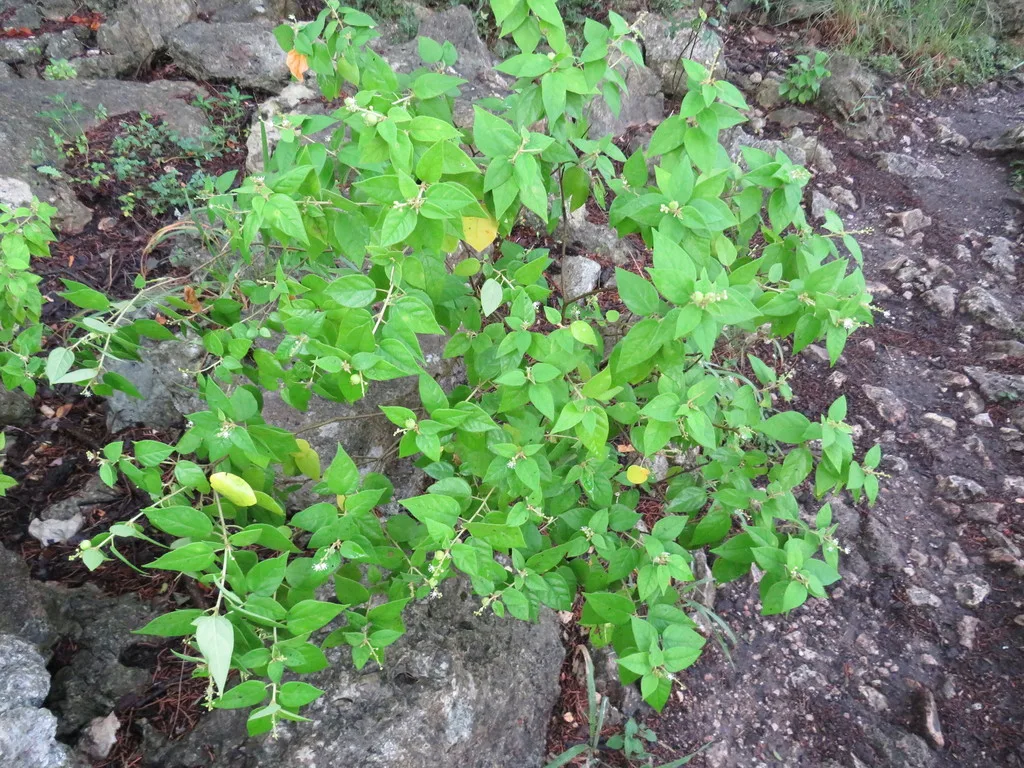
This is a good shrub for shady spots in the garden, but more light will give greener leaves. Drought tolerant. Too much water can cause root rot, but too little water can dry out the plant. May be pruned but However, you should avoid trimming off more than a third of a stem’s length in one session. Highly deer resistant. Native habitat: limestone hills, bluffs, canyons, or rocky ravines.

Description

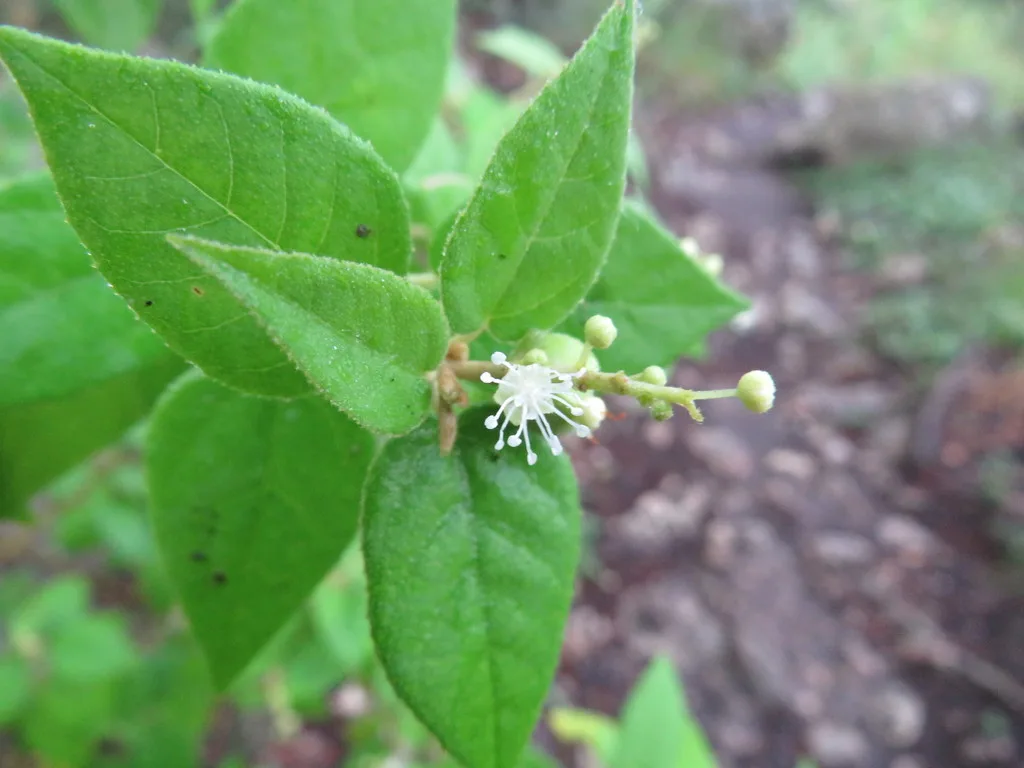
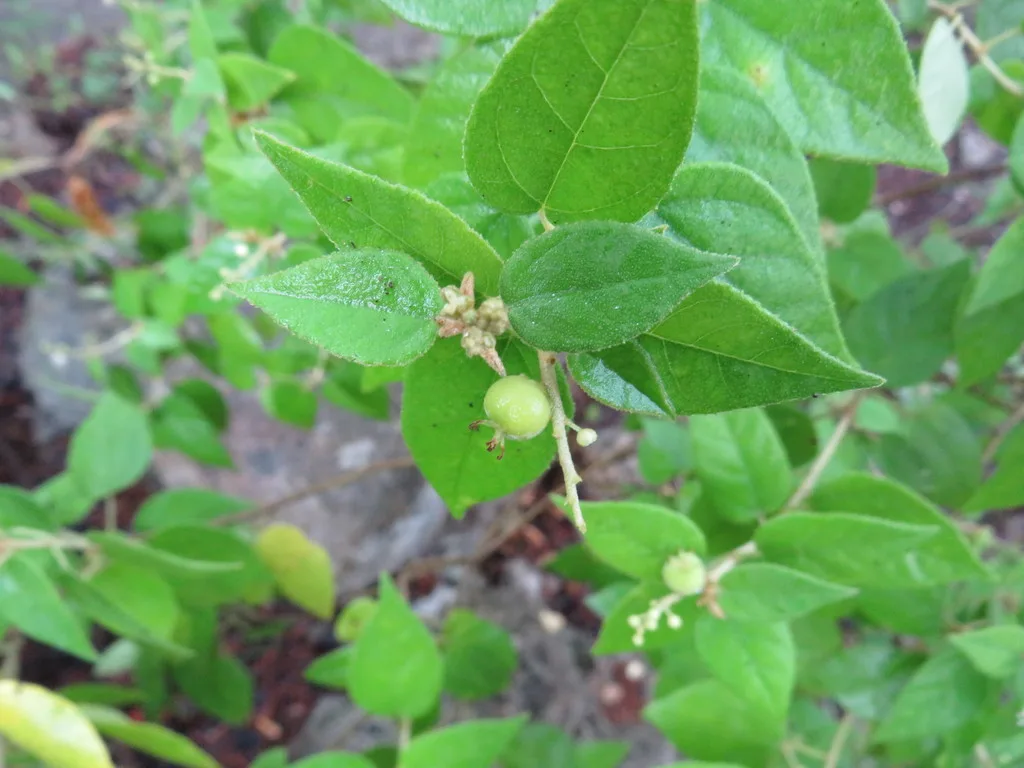
Blooms April-May. Tiny, white flowers grow at the end of branchlets. The stems are slender and smooth with grayish green, densely hairy leaves that turn yellow in the fall. The fruit is a 3-lobed capsule that is also slightly hairy. The seeds are of special interest to dove and quail.
Material Treatment Method Collection References
Semi-harwood Cutting Essential for taking clean, precise cuttings from bush croton. Sharp shears minimize damage to mother plant tissues and cutting stems, promoting quick healing and reducing the risk of infection. Important for encouraging root development on cuttings of bush croton. Rooting hormones can increase the success rate of cuttings by stimulating root growth, essential for the propagation process. Facilitate the organization and protection of cuttings during the rooting phase. Trays with cell inserts help maintain optimal spacing and proper drainage, preventing rot and promoting healthy root development in bush croton. Crucial for maintaining high humidity levels around bush croton cuttings. This tool helps prevent dehydration and allows the cuttings to focus energy on root production rather than water uptake. Used to maintain consistent moisture levels around bush croton cuttings without over-saturating the growing medium. Misting ensures proper hydration, which is crucial for successful root initiation. Collect spring or summer. https://www.picturethisai.com/care/propagate/Croton_fruticulosus.html

About the Region

2026 Fall Symposium Logo

This low-elevations region of Texas extends inland from the barrier islands, about 60 or so miles, and stretches from Brownsville to Louisiana. In total, it covers about 9.5 million acres, with a high point of 150 feet in elevation. More than 1000 species of plants can be found in this region. On the southern end, species more common in Mexico (such as Sabal mexicana) and Central America occur.

The barrier islands provide us with dune systems, and clay flats to the inland side, which have species found in these areas alone. Many plants here, such as Ipomoea pes-caprae (beach morning glory), can be found throughout tropical regions of the globe. I’ve encountered the same species on the beaches of Guam.

Once inland, vast marshes and wet prairies occur. Occasionally, oak (Quercus fusiformis) groves can be found. Common grasses include species of Bothriochloa, Paspalum, and Sporobolus; eastern gamagrass (Tripsacum dactyloides); and switchgrass (Panicum species). Many rivers and creeks cut through the Gulf Prairies, and along these riparian areas various species of trees, Sabal minor, and other plants adapted to clay soils can be found. Due to overgrazing, farming, and fire suppression, woody species such as mesquite (Prosopis glandulosa) and huisache (Acacia farnesiana), and invasive species such as chinaberry (Melia azedarach), Brazilian pepper (Schinus terebinthifolius), and Chinese tallow (Sapium sebiferum) have increased and displaced our native flora.

Source: Wildflowers of Texas by Michael Eason