
Texas Snakeweed

Gutierrezia sarothrae

Other common name(s):

Broom Snakeweed, Kindlingweed, Matchbrush, Broomweed, Turpentine Weed, Matchweed

Family:

Asteraceae (Aster Family)

Plant Ecoregion Distribution Map

This map uses data from the US EPA. EPA  servers have been offline frequently so maps may not display. We are working on a solution.

Central Great Plains, Chihuahuan Deserts, Cross Timbers, Edwards Plateau, Gulf Coast Prairies and Marshes, High Plains, Southern Texas Plains, Southwestern Tablelands
Broken Red Plains, Limestone Plains, Red Prairie
Chihuahuan Basins and Playas, Chihuahuan Desert Grasslands, Chihuahuan Montane Woodlands, Low Mountains and Bajadas, Stockton Plateau
Carbonate Cross Timbers, Eastern Cross Timbers, Grand Prairie, Limestone Cut Plain, Western Cross Timbers
Balcones Canyonlands, Edwards Plateau Woodland, Llano Uplift, Semiarid Edwards Plateau
Coastal Sand Plain
Arid Llano Estacado, Canadian/Cimarron High Plains, Llano Estacado, Rolling Sand Plains, Shinnery Sands
Northern Nueces Alluvial Plains, Rio Grande Floodplain and Terraces, Semiarid Edwards Bajada, Texas-Tamaulipan Thornscrub
Canadian/Cimarron Breaks, Caprock Canyons Badlands Breaks, Flat Tablelands and Valleys, Semiarid Canadian Breaks

Plant Characteristics

Growth Form

Shrub

Height

1
to
3
ft.

Spread

1
to
3
ft.

Leaf Retention

Semi Evergreen

Lifespan

Perennial

Habitat and Care Requirements

Soil Type(s)

Sand, Clay, Gravelly, Rocky, Limestone, Caliche, Well Drained, Dry

Light Requirement

Part Shade

Water Requirement

Medium

Native Habitat

Grassland, Woodland, Variable

Bloom and Attraction

Bloom Color

Yellow

Bloom Season

Spring, Summer, Fall

Seasonal Interest

Seeds, Nectar, Pollen

Wildlife Benefit

Butterflies, Birds, Nectar Insects, Bees

Maintenance

Works well in rock gardens, and perennial gardens. Provides better color and does not spread as much as other broomweeds. Makes a good groundcover. Prefers dry soils. Usually an indicator of overgrazed lands. Propagation: seed, woody cutting.

Comments

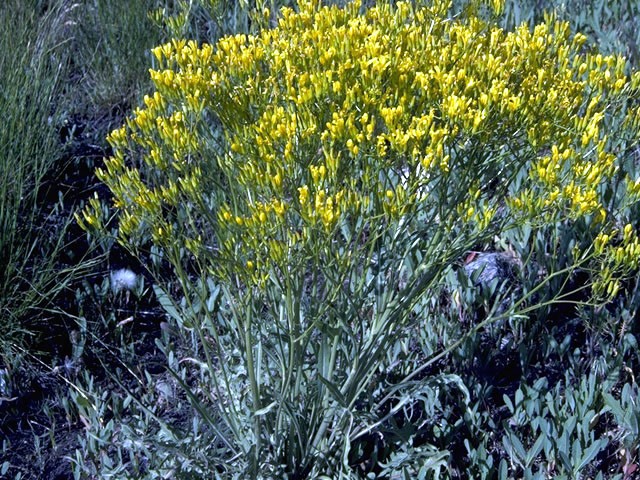
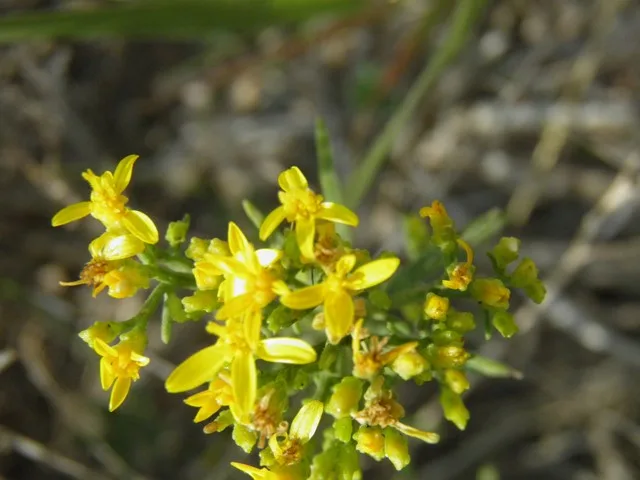
Blooms January-December. A fan-shaped plant when in flower. Produces many slender, branching stems with tiny, yellow flowers cluster in tufts at ends of branches. The foliage is yellow-green and thread-like. Lower leaves are often shed by the time of flowering. The fruit is a cypsela: a dry, one-seeded fruit, usually topped by pappus.
Previous Scientific Name(s): Gutierrezia diversifolia, Gutierrezia lepidota, Gutierrezia linearifolia, Gutierrezia linearis, Gutierrezia linoides, Gutierrezia longipappa, Gutierrezia pomariensis, Gutierrezia sarothrae var. pomariensis, Gutierrezia tenuis, Xanthocephalum sarothrae, Xanthocephalum sarothrae var. pomariense, Xanthocephalum tenue

About the Region

Fall Symposium 2025 Logo - Teach for the Future

Salado, the location of our Fall 2025 Symposium, lies at the intersection of two ecoregions: the Edwards Plateau (Limestone Cut Plain) and Blackland Prairie (Northern Blackland Prairie).

The Edwards Plateau area is also called the Hill Country; however, this general term covers a much larger area extending farther north. Spring-fed creeks are found throughout the region; deep limestone canyons, rivers, and lakes (reservoirs) are common. Ashe juniper is perhaps the most common woody species found throughout the region. Additional woody species include various species of oak, with live oak (Quercus fusiformis) being the most common. Sycamores (Platanus occidentalis) and bald cypress (Taxodium distichum) border waterways. This area is well known for its spring wildflower displays, though they may be viewed in spring, late summer, and fall, as well. According to Texas Parks and Wildlife, average annual rainfall in the Edwards Plateau ranges from 15 to 34 inches.

The Blackland Prairie extends from the Red River south to San Antonio, bordered on the west by the Edwards Plateau and the Cross Timbers, and on the east by the Post Oak Savannah. Annual rainfall averages 30 to 40 inches, with higher averages to the east. This region is dominated by prairie species. The most common grass species include little bluestem (Schizachyrium scoparium) and Indian grass (Sorghastrum nutans) in the uplands and switchgrass (Panicum virgatum) in the riparian areas and drainages. Common herbaceous flowering plants include salvias, penstemons, and silphiums. This area has suffered greatly from overgrazing and agricultural use. Few intact areas remain, though many of the plants can be found along county roadsides throughout the region.

Our fall Symposium host chapter, the Tonkawa Chapter, includes both of these ecoregions.

Source: Wildflowers of Texas by Michael Eason