
Creosote Bush

Larrea tridentata

Other common name(s):

Greasewood, Hediondilla, Governadora, Guamis

Family:

Zygophyllaceae (Creosote Bush Family)

Plant Ecoregion Distribution Map

This map uses data from the US EPA. EPA  servers have been offline frequently so maps may not display. We are working on a solution.

Chihuahuan Deserts, High Plains, Southern Texas Plains
Chihuahuan Basins and Playas, Chihuahuan Desert Grasslands, Chihuahuan Montane Woodlands, Low Mountains and Bajadas, Stockton Plateau
Arid Llano Estacado, Shinnery Sands
Rio Grande Floodplain and Terraces, Semiarid Edwards Bajada, Texas-Tamaulipan Thornscrub

Plant Characteristics

Growth Form

Shrub

Height

3
to
6
ft.

Spread

3
to
4
ft.

Leaf Retention

Evergreen

Lifespan

Perennial

Habitat and Care Requirements

Soil Type(s)

Caliche, Dry, Loam, Sand, Well Drained

Light Requirement

Sun, Part Shade

Water Requirement

Low

Native Habitat

Desert, Grassland

Bloom and Attraction

Bloom Color

Yellow

Bloom Season

Spring, Summer

Seasonal Interest

Forage, Fruit, Pollen

Wildlife Benefit

Bees, Browsers, Grasshoppers, Small Mammals

Maintenance

Drought-tolerant, it is the dominant shrub in desert areas, covering thousands of square miles. This shrub can be sheared like boxwood or pruned to a small graceful size. Although it has a very deep tap root, it can be transplanted. The belief that nothing will grow under Creosote Bush is said not to be true as flowers and grasses sometimes appear at the base. Leafy galls caused by a fly, the Creosote Gall Midge (Asphondylia spp.), are often numerous. Native habitat: flat desert areas, dry plains and mesas

Description

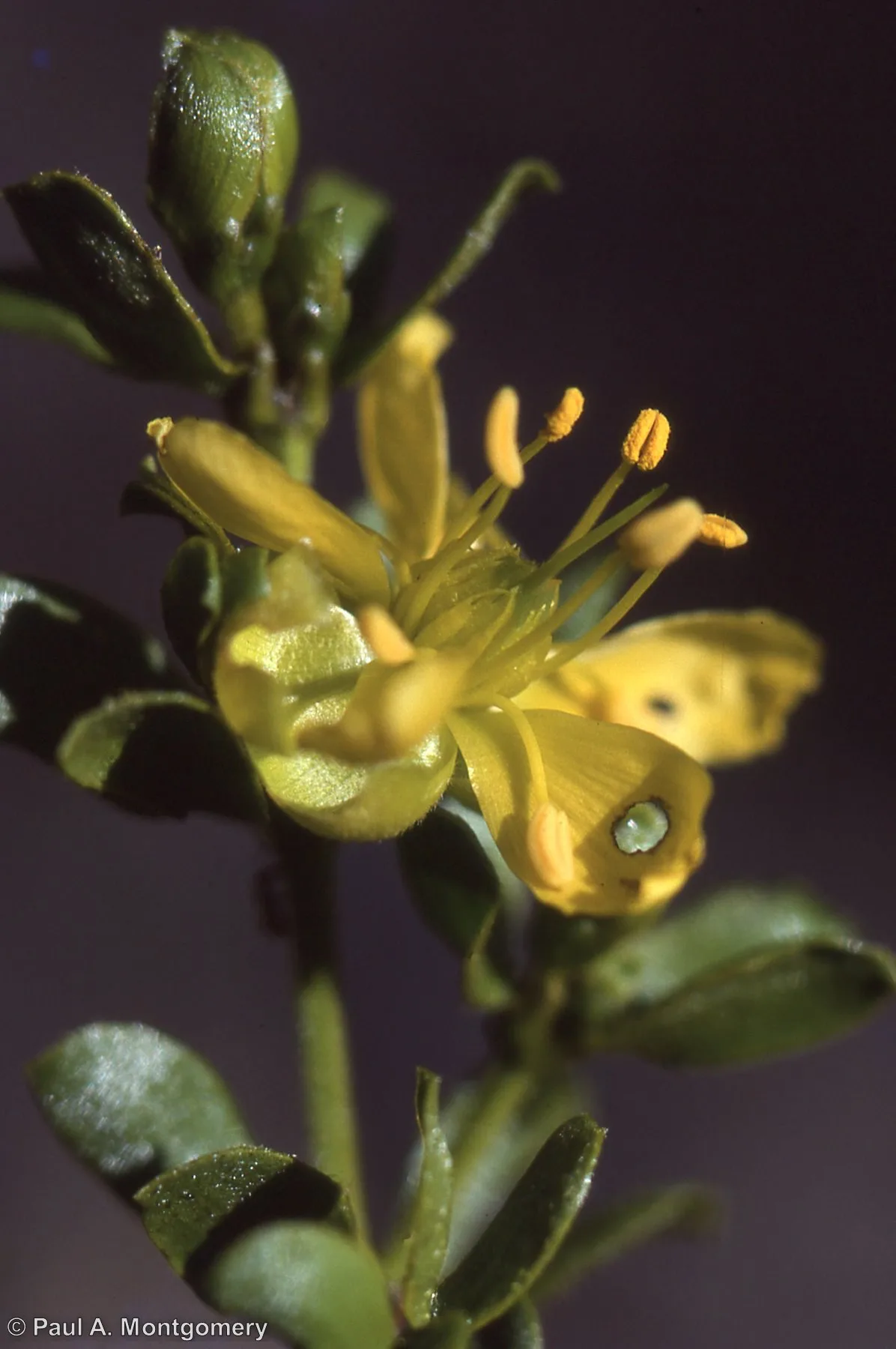
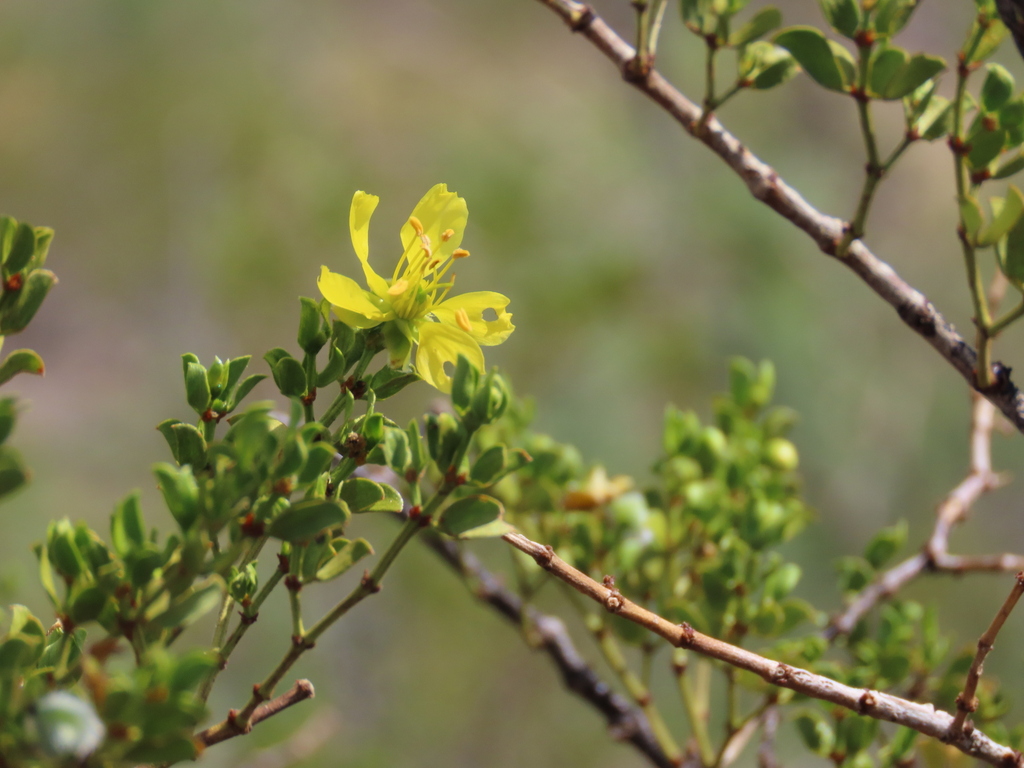
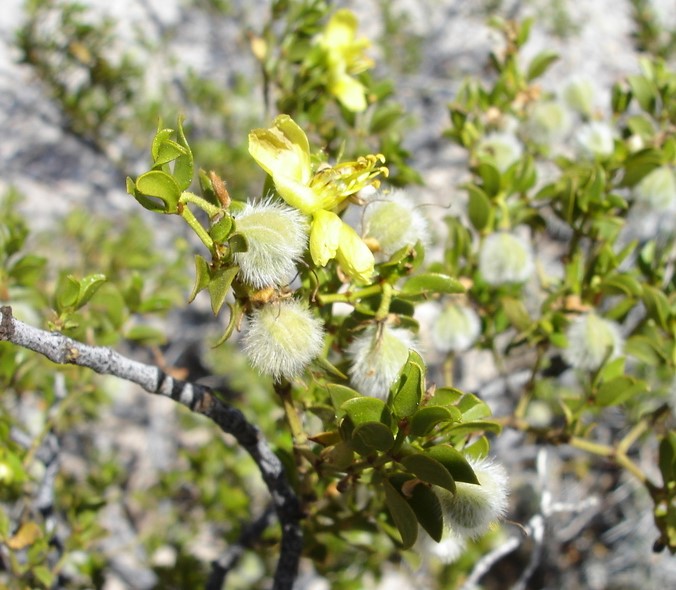
Blooms January-December. Leaves are sticky with resin which produces a refreshing scent after rains. The small, compound leaves are composed of 2 leaflets. Produces small, yellow, velvety flowers, followed by fluffy, white fruit. Colonies of plants are actually clones. The foliage hides species of grasshoppers, praying mantids, and crickets that occur only on this plant. Seeds and leaves are eaten by small mammals and lizards. Twenty-two species of bees, chuckwallas, and desert iguanas pollinate the flowers. The Creosote Bush also provides shelter for desert tortoises.
Material Treatment Method Collection References
Seed Scarification Hulling dramatically improves germination. Soak in distilled water overnight. Collect ripe fruits in late spring through summer by stripping the plants. Air dry and fumigate the fruits before storage. https://www.wildflower.org/plants/result.php?id_plant=LATR2

About the Region

2026 Fall Symposium Logo

This low-elevations region of Texas extends inland from the barrier islands, about 60 or so miles, and stretches from Brownsville to Louisiana. In total, it covers about 9.5 million acres, with a high point of 150 feet in elevation. More than 1000 species of plants can be found in this region. On the southern end, species more common in Mexico (such as Sabal mexicana) and Central America occur.

The barrier islands provide us with dune systems, and clay flats to the inland side, which have species found in these areas alone. Many plants here, such as Ipomoea pes-caprae (beach morning glory), can be found throughout tropical regions of the globe. I’ve encountered the same species on the beaches of Guam.

Once inland, vast marshes and wet prairies occur. Occasionally, oak (Quercus fusiformis) groves can be found. Common grasses include species of Bothriochloa, Paspalum, and Sporobolus; eastern gamagrass (Tripsacum dactyloides); and switchgrass (Panicum species). Many rivers and creeks cut through the Gulf Prairies, and along these riparian areas various species of trees, Sabal minor, and other plants adapted to clay soils can be found. Due to overgrazing, farming, and fire suppression, woody species such as mesquite (Prosopis glandulosa) and huisache (Acacia farnesiana), and invasive species such as chinaberry (Melia azedarach), Brazilian pepper (Schinus terebinthifolius), and Chinese tallow (Sapium sebiferum) have increased and displaced our native flora.

Source: Wildflowers of Texas by Michael Eason