

Southern Magnolia

Magnolia grandiflora

Other common name(s):

Evergreen Magnolia, Loblolly Magnolia, Great Laurel Magnolia, Big Laurel, Bull Bay

Family:

Magnoliaceae (Magnolia Family)

Plant Ecoregion Distribution Map

This map uses data from the US EPA. EPA  servers have been offline frequently so maps may not display. We are working on a solution.

Western Gulf Coastal Plain
Flatwoods, Floodplains and Low Terraces3, Pleistocene Fluvial Terraces, Red River Bottomlands, Southern Tertiary Uplands, Tertiary Uplands

Plant Characteristics

Growth Form

Tree

Height

50
to
110
ft.

Spread

25
to
30
ft.

Leaf Retention

Evergreen

Lifespan

Perennial

Habitat and Care Requirements

Soil Type(s)

Calcareous, Clay, Dry, Loam, Moist, Sand, Well Drained

Light Requirement

Sun, Part Shade

Water Requirement

Low

Native Habitat

Woodland

Bloom and Attraction

Bloom Color

White

Bloom Season

Spring

Seasonal Interest

Seeds

Wildlife Benefit

Birds, Small Mammals

Maintenance

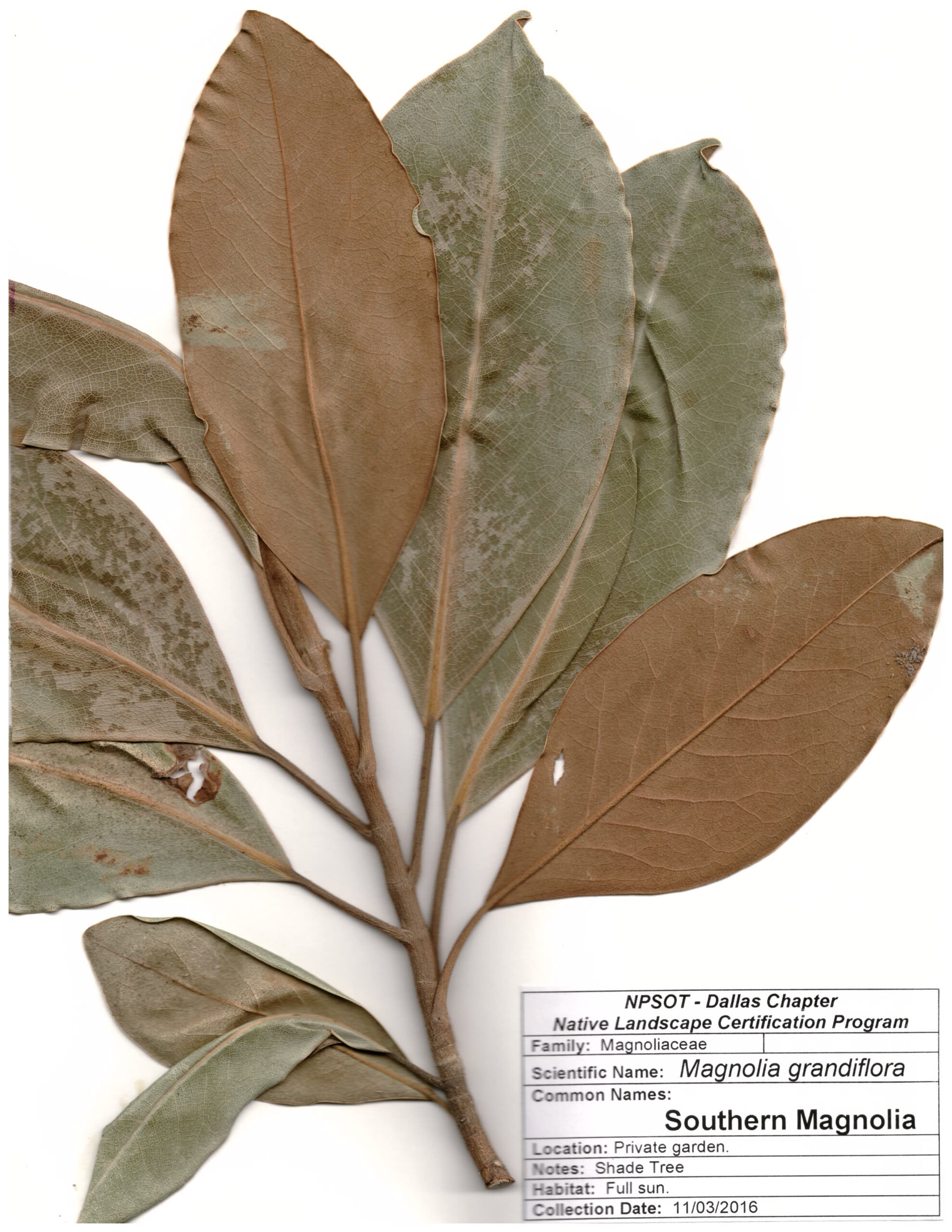
Medium to slow growing. Works well as and accent tree or shrub, or understory tree, Relatively disease free. Doesn’t tolerate drought, but good in hot weather. Requires supplemental water. Use mulch to enrich soil. Prune to maintain shape only during growing season. Wood cuts do not heal in the dormant season. Leaves often used in floral arrangements. Native habitat: lowland and coastal woods, hammocks, river bottoms, mesic woods, and ravine slopes.

Description

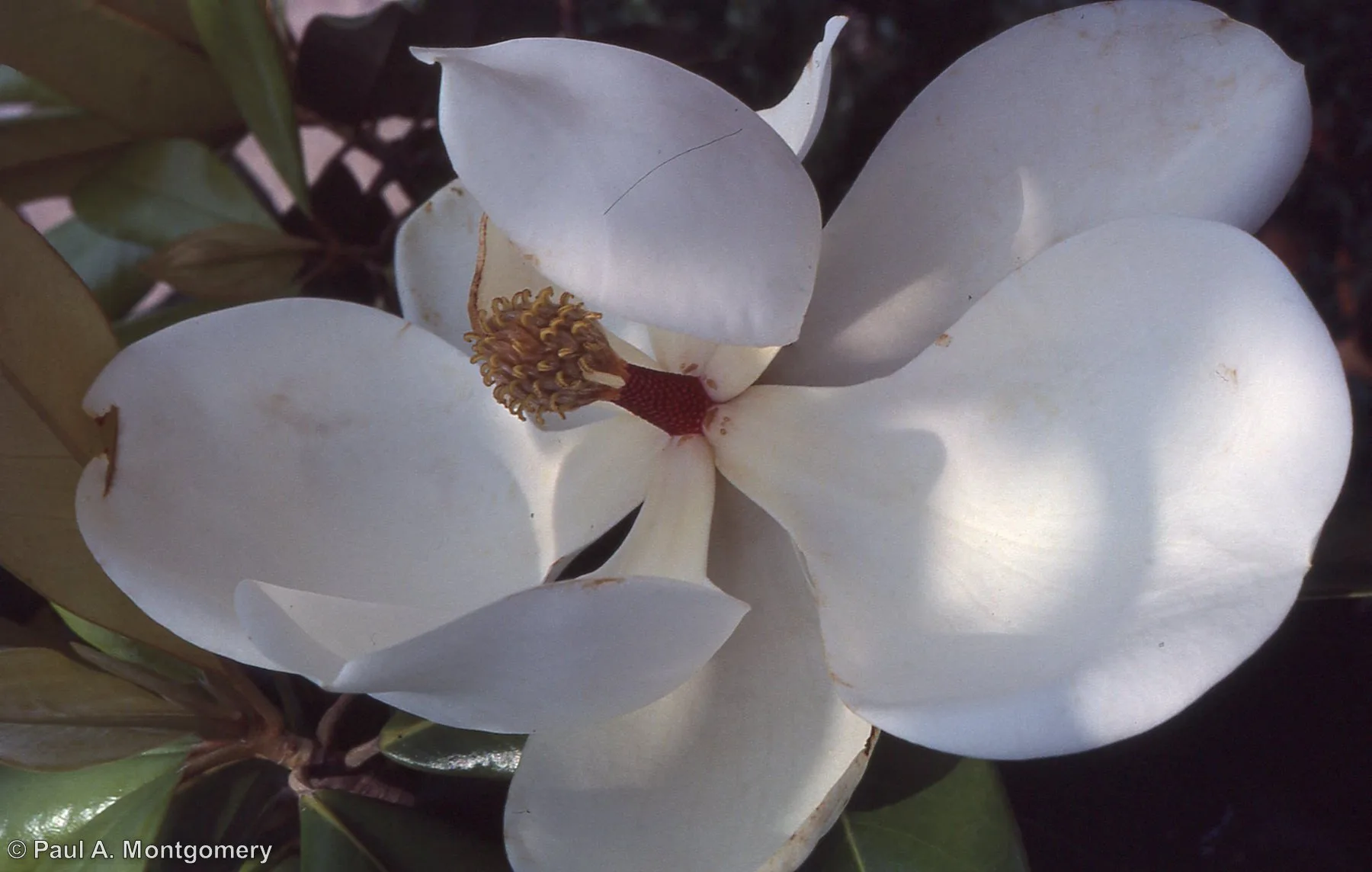
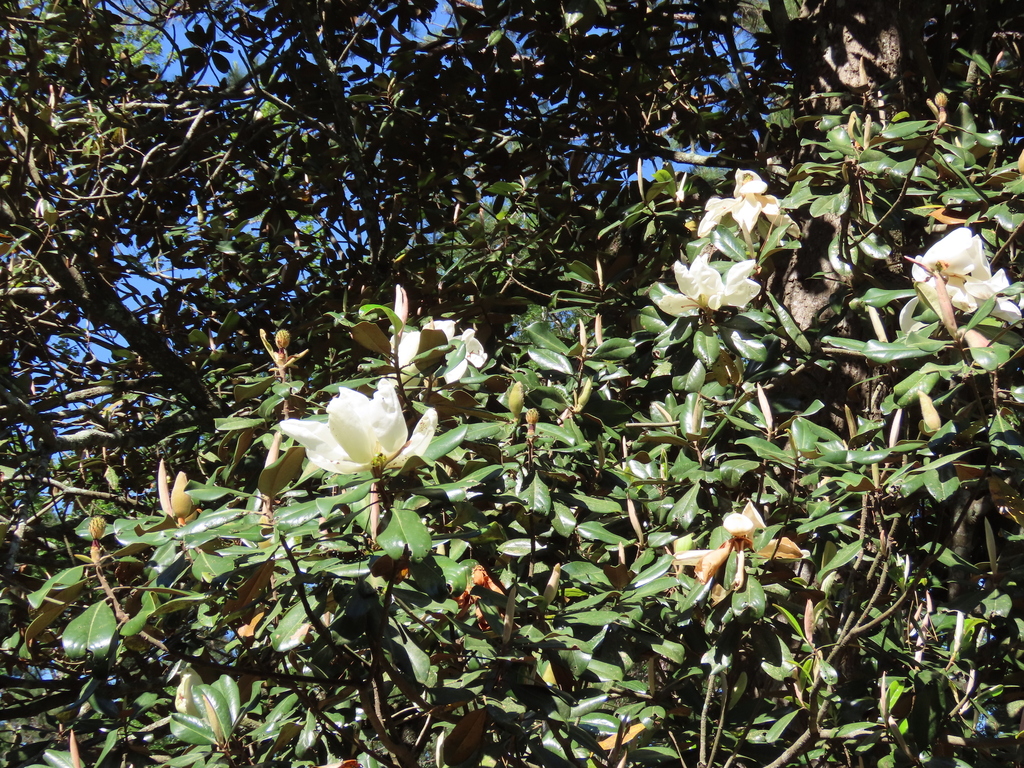
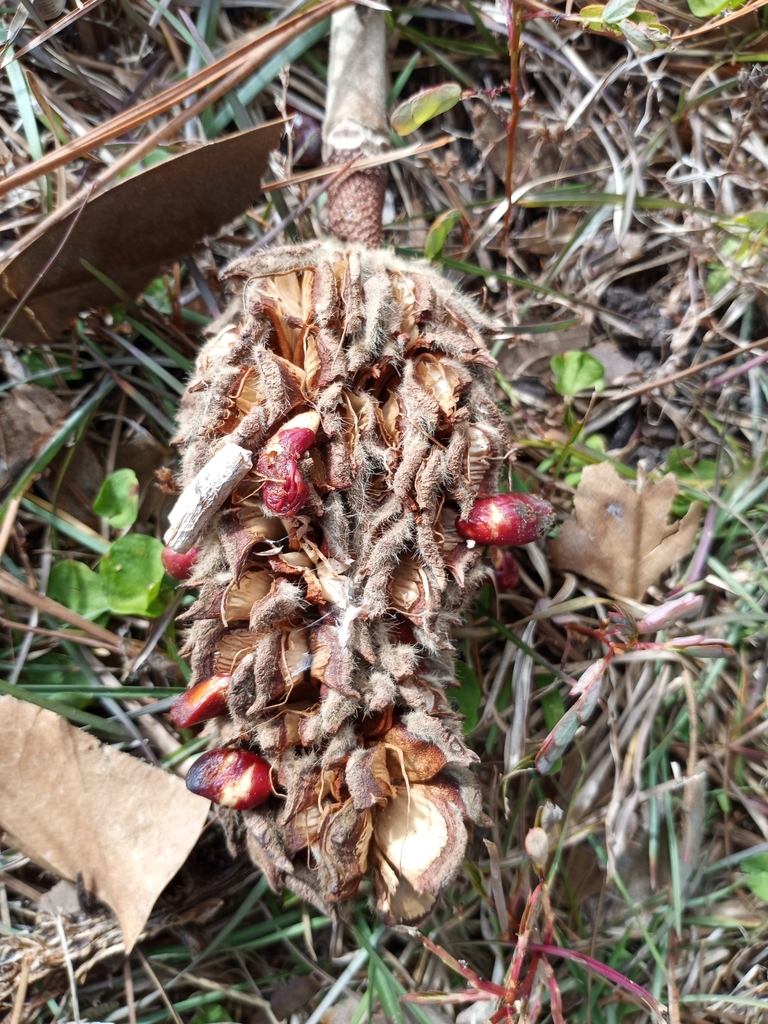
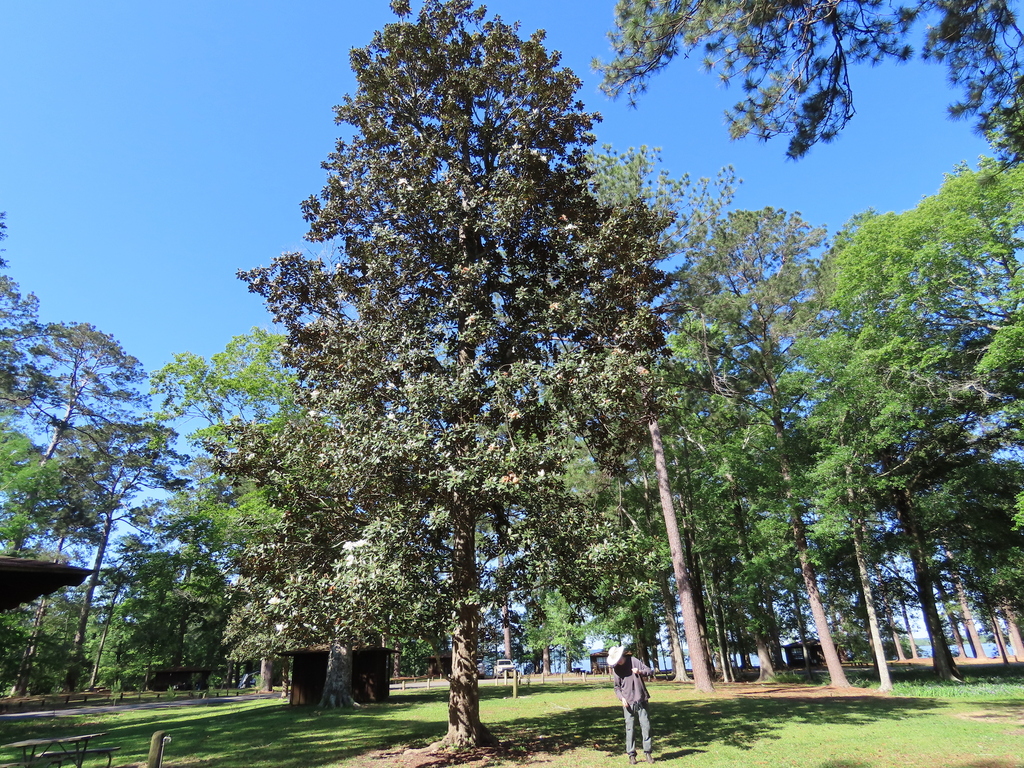
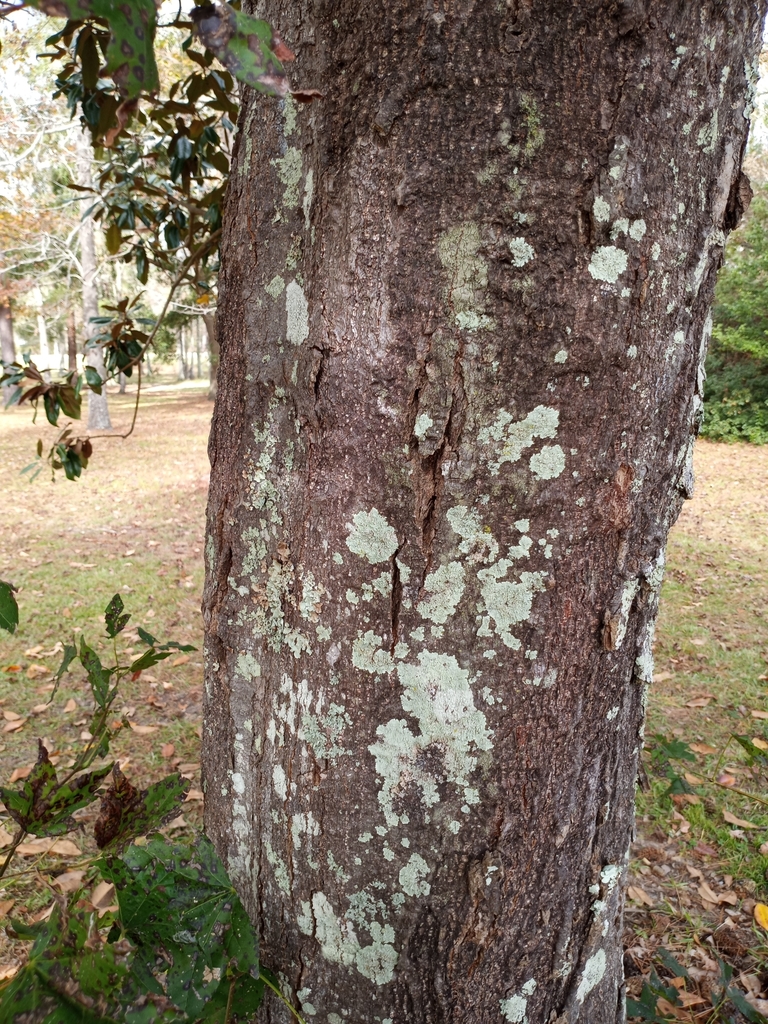
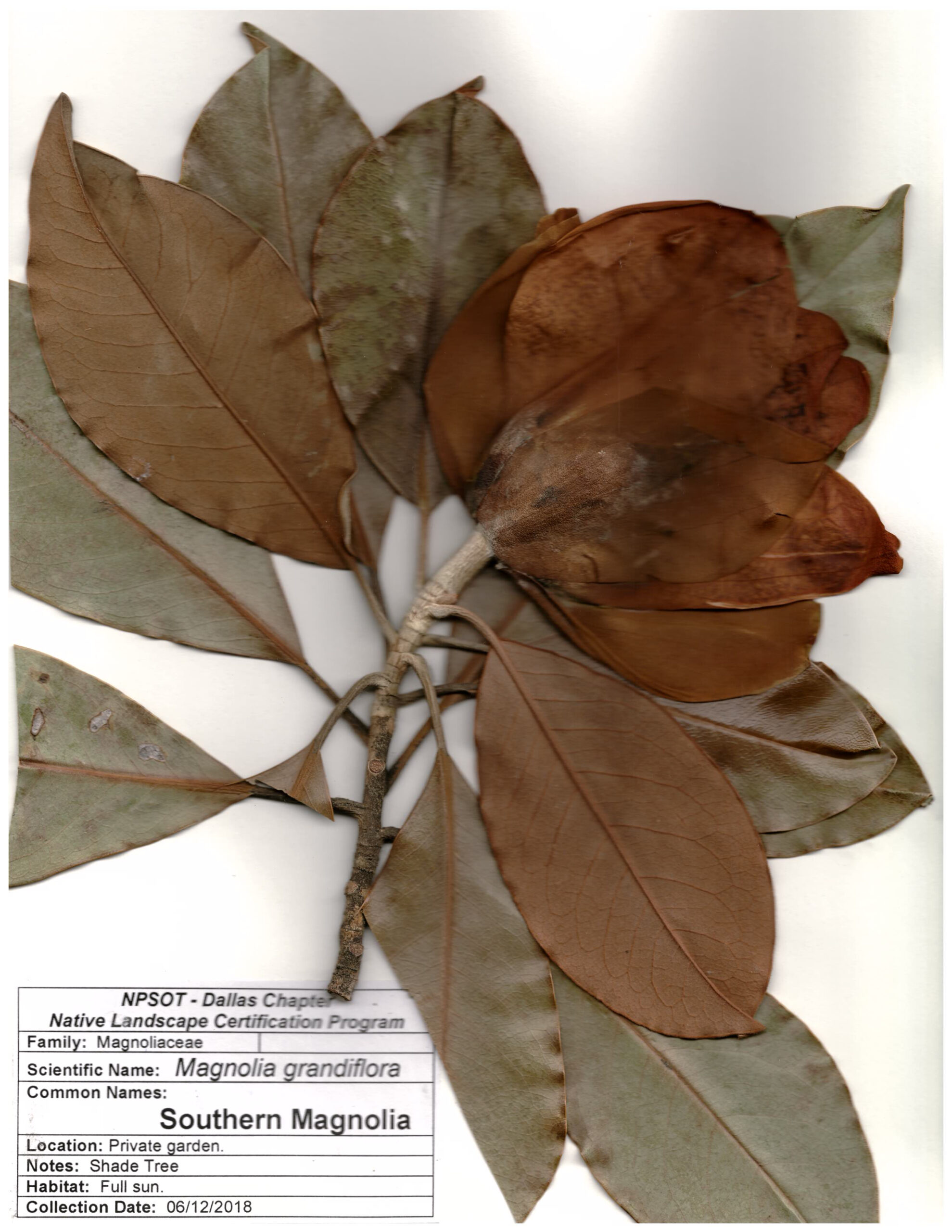
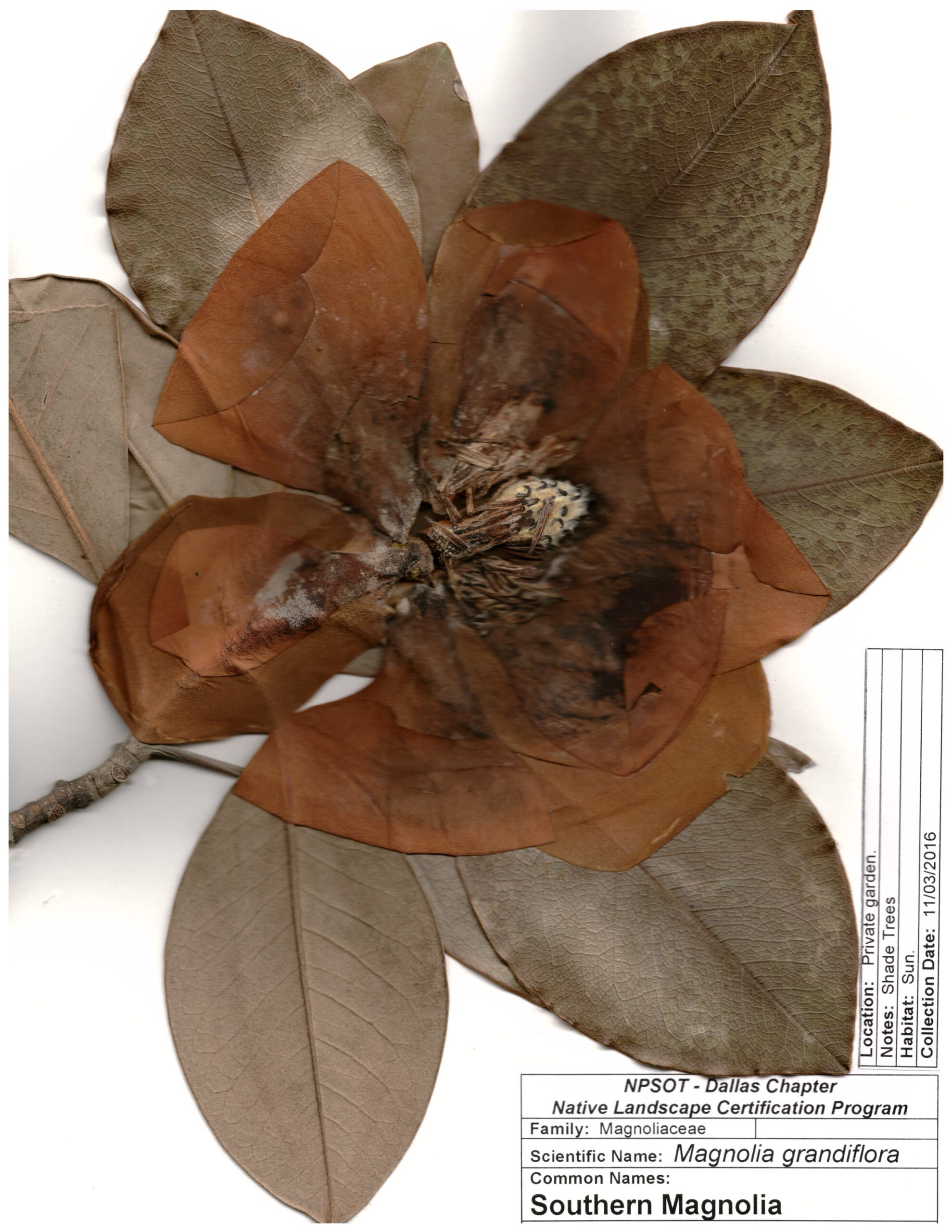
Blooms March-June. Ornamental tree, with straight trunk, conical crown, and very large, fragrant, white flowers. Blossoms close at night. The fruit is a cone like pod that is smooth, leathery, bright green. It contains large red seeds.

References

1) Griffith, Bryce, Omernick & Rodgers (2007). Ecoregions of Texas. 2) Miller, George O., Landscaping with Native Plants of Texas 2nd Ed., 2013, pg 48. 3) Wasowski and Wasowski, Native Texas Plants Landscaping Region by Region, 1991, pg. 335. 4) https://www.wildflower.org/plants/result.php?id_plant=MAGR4. 5) https://portal.torcherbaria.org/portal/taxa/index.php?taxon=Magnolia+grandiflora&formsubmit=Search+Terms. 6) http://bonap.net/TDC/Image/Map?taxonType=Species&taxonId=14427&locationType=County&mapType=Normal. 7) https://www.itis.gov/servlet/SingleRpt/SingleRpt?search_topic=TSN&search_value=18074#null
Material Treatment Method Collection References
Seed Stratification Mimic winter’s chill by storing seeds in moist sand in the refrigerator for 3-4 months, encouraging germination. Plant seeds about ½ inch deep in well-draining soil during late winter or early spring. Germination can take several months. Once seedlings emerge, provide ample sunlight and consistent moisture. Be prepared to wait a few years for your seedling to blossom. Gather ripe, cone-like fruits in the fall and extract the bright red seeds. 1) https://www.wildflower.org/plants/result.php?id_plant=MAGR4 2) https://teabreakgardener.co.uk/growing-magnolia-from-seed/#:~:text=Even%20if%20they%20germinate%2C%20it%20will%20take,and%20I%20feel%20it's%20worth%20a%20go.
Semi-harwood Cutting Dip the cut end in rooting hormone to encourage root development. Plant the cutting in a well-draining potting mix and enclose it in a humidity tent or cover with a plastic bag. With consistent moisture and indirect sunlight, your cutting should develop roots in about 6-8 weeks. Summer, when the plant is actively growing, is the prime time for taking cuttings. Choose healthy, semi-hardwood stems about 6-8 inches long with at least two nodes. https://propagate.one/how-to-propagate-magnolia-grandiflora/

About the Region

2026 Fall Symposium Logo

This low-elevations region of Texas extends inland from the barrier islands, about 60 or so miles, and stretches from Brownsville to Louisiana. In total, it covers about 9.5 million acres, with a high point of 150 feet in elevation. More than 1000 species of plants can be found in this region. On the southern end, species more common in Mexico (such as Sabal mexicana) and Central America occur.

The barrier islands provide us with dune systems, and clay flats to the inland side, which have species found in these areas alone. Many plants here, such as Ipomoea pes-caprae (beach morning glory), can be found throughout tropical regions of the globe. I’ve encountered the same species on the beaches of Guam.

Once inland, vast marshes and wet prairies occur. Occasionally, oak (Quercus fusiformis) groves can be found. Common grasses include species of Bothriochloa, Paspalum, and Sporobolus; eastern gamagrass (Tripsacum dactyloides); and switchgrass (Panicum species). Many rivers and creeks cut through the Gulf Prairies, and along these riparian areas various species of trees, Sabal minor, and other plants adapted to clay soils can be found. Due to overgrazing, farming, and fire suppression, woody species such as mesquite (Prosopis glandulosa) and huisache (Acacia farnesiana), and invasive species such as chinaberry (Melia azedarach), Brazilian pepper (Schinus terebinthifolius), and Chinese tallow (Sapium sebiferum) have increased and displaced our native flora.

Source: Wildflowers of Texas by Michael Eason