
Mexican Feathergrass

Nassella tenuissima

Other common name(s):

Mexican Wiregrass, Finestem Needlegrass, Ponytail Grass, Texas Tussock

Family:

Poaceae (Grass Family)

Plant Ecoregion Distribution Map

This map uses data from the US EPA. EPA  servers have been offline frequently so maps may not display. We are working on a solution.

Chihuahuan Deserts
Chihuahuan Basins and Playas, Chihuahuan Desert Grasslands, Chihuahuan Montane Woodlands, Low Mountains and Bajadas, Stockton Plateau

Plant Characteristics

Growth Form

Grass & Sedge

Height

1
to
3
ft.

Spread

1
to
3
ft.

Leaf Retention

Deciduous

Lifespan

Perennial

Habitat and Care Requirements

Soil Type(s)

Calcareous, Clay, Dry, Loam, Moist, Rocky, Well Drained

Light Requirement

Sun, Part Shade

Water Requirement

Low

Native Habitat

Grassland, Woodland

Bloom and Attraction

Bloom Color

White

Bloom Season

Summer

Seasonal Interest

Forage, Nesting Material, Seeds

Wildlife Benefit

Birds, Browsers

Maintenance

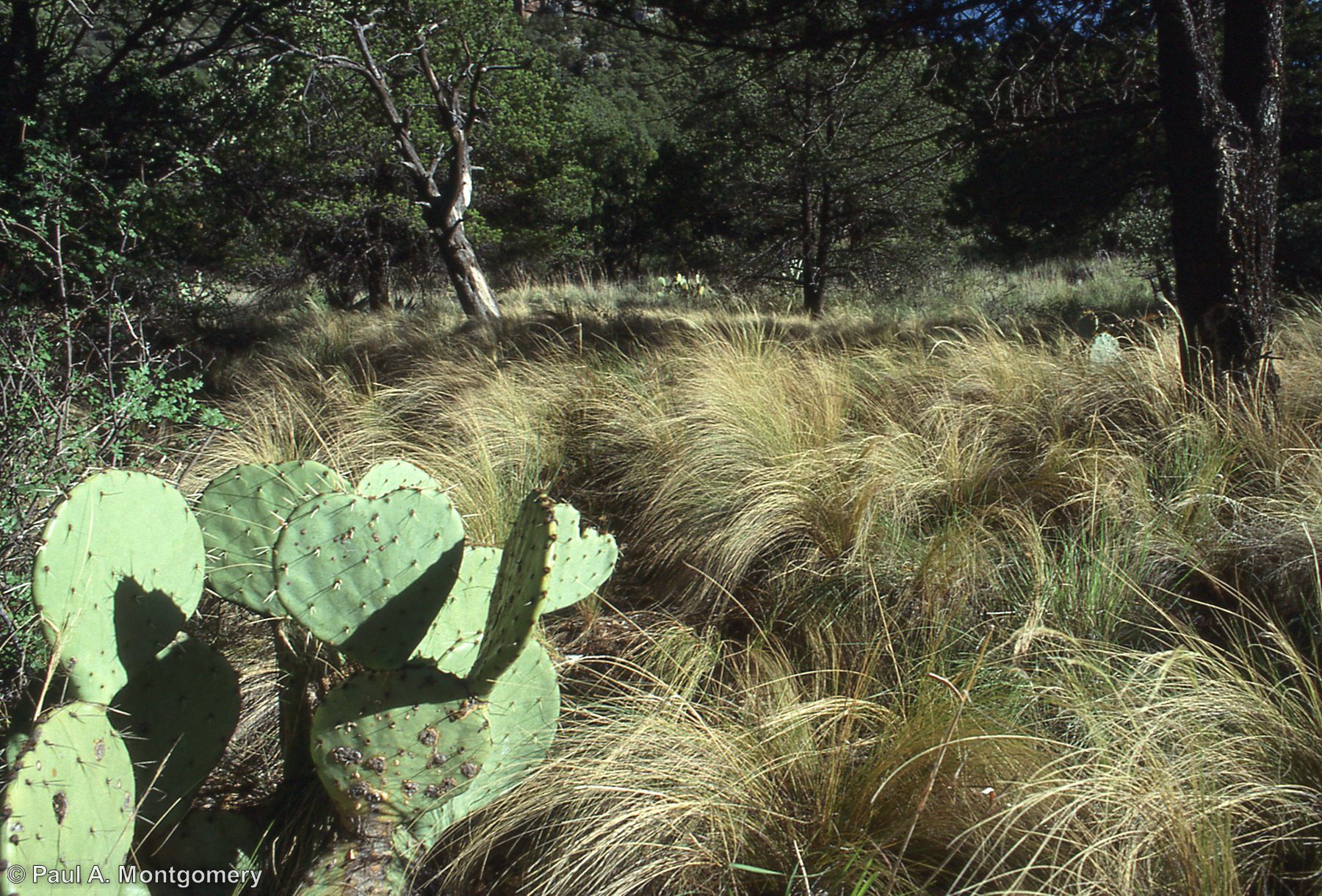
Requires good drainage and can’t take excessive moisture. Should not be watered more than once a week. May rot under heavy mulch. Goes dormant during drought and in winter. Grows well in containers. Although this grass is native to Western Texas, it is adaptable to a variety of growing conditions, and has become popular across the state. When grown outside of its native range it can tend to compete heavily with other plants and has become pest in places as far away as California. It reseeds prolifically. When grown under the right conditions it can act as a well behaved addition to your garden. Native habitat: on rocky slopes, frequently in oak or pine associations but also in open, exposed grasslands.

Description

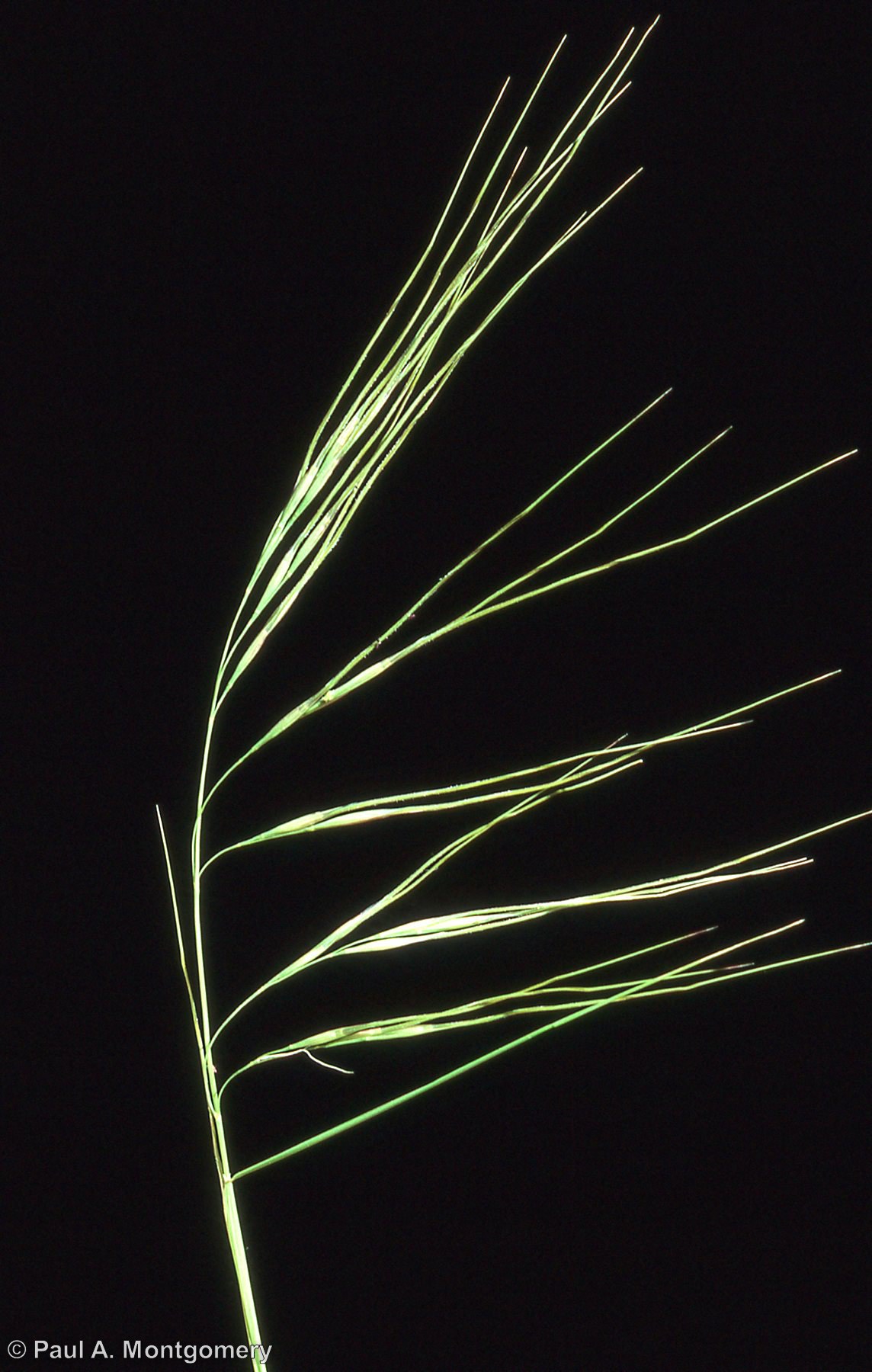
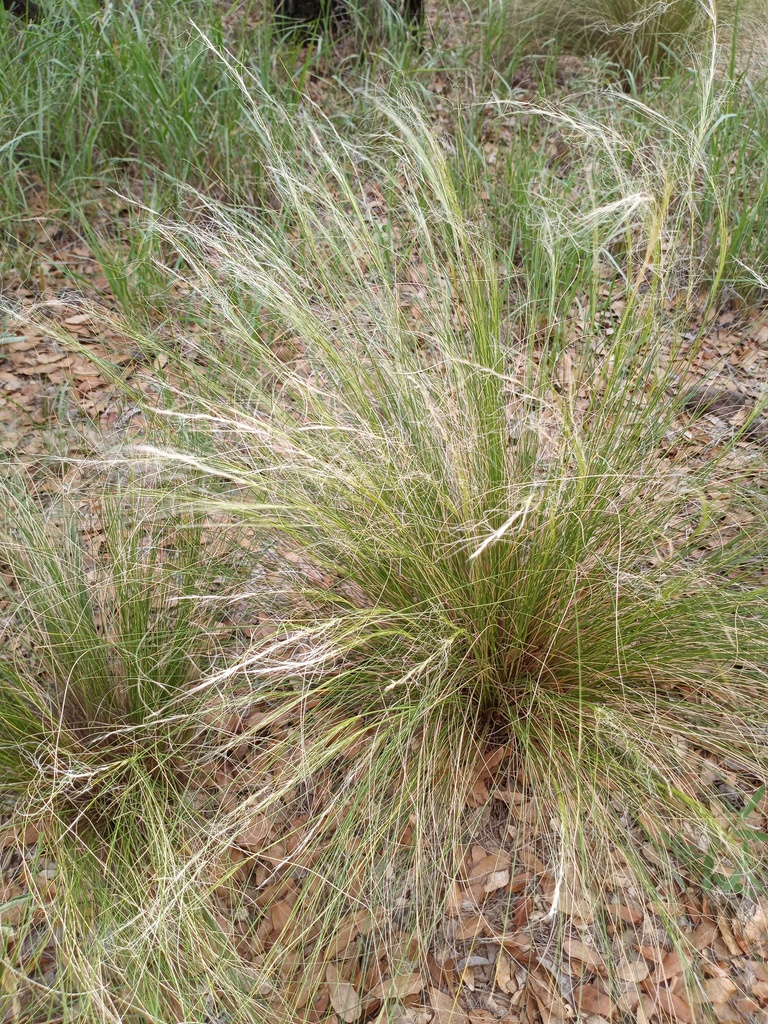
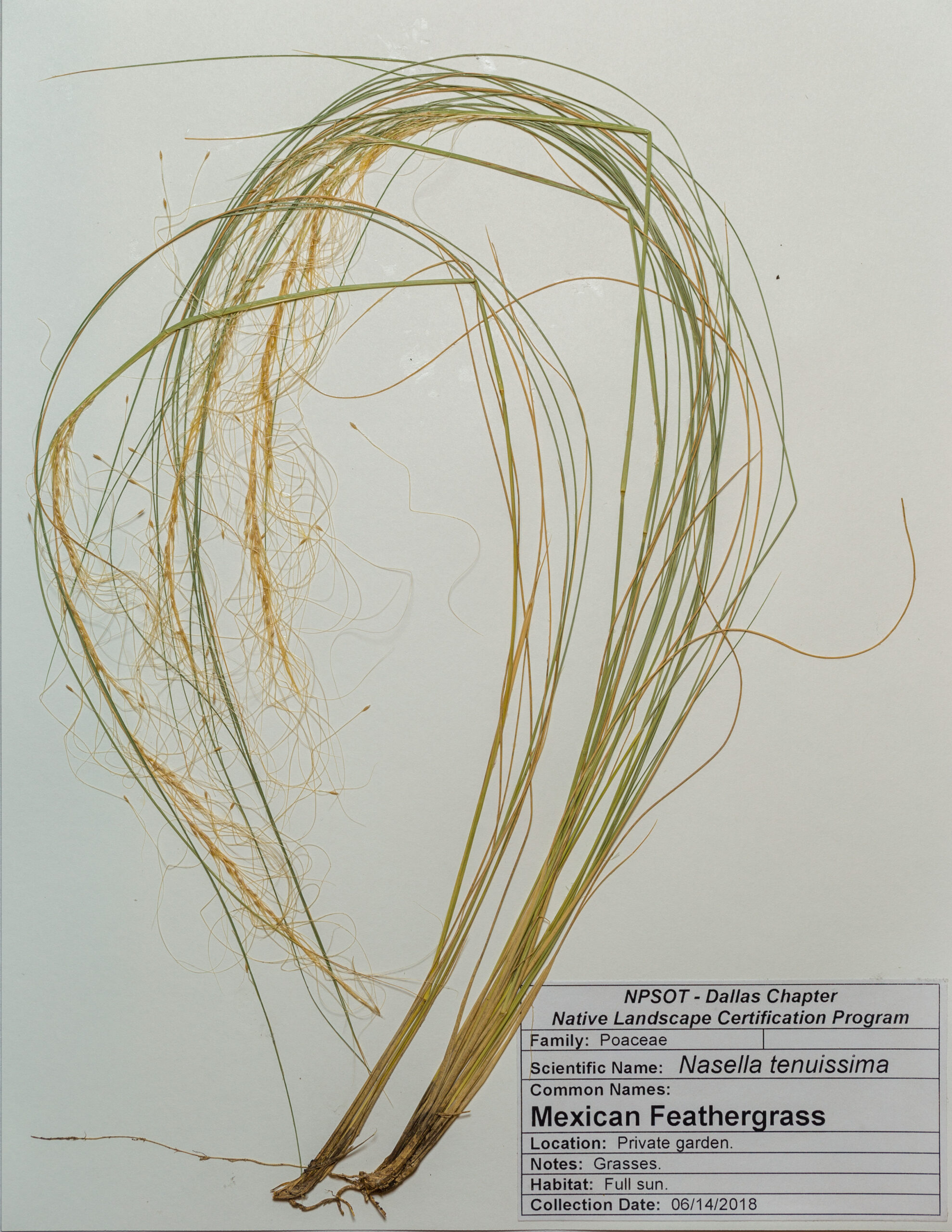
Blooms June-September. A cool-season grass. Stems arise from clumps. Attractive, thread-like leaves. The inflorescence is a delicate panicle.
Previous Scientific Name(s): Stipa tenuissima
Material Treatment Method Collection References
Seed No Treatment For best results, sow seeds outdoors in late fall or winter. Simply scatter the seeds on prepared soil and lightly rake them in. Nature’s cold stratification over winter will help with germination come spring. Collect seed in May-June when it is blonde and comes away easily. Use a comb or your fingers to rake seed off in such a way as not to damage the look of the plant. 1) https://www.wildflower.org/plants/result.php?id_plant=NATE3 2) https://propagate.one/how-to-propagate-nassella-tenuissima/
Clump Division Carefully dig around the base, ensuring a wide berth to avoid damaging the root system. Gently lift the plant from the soil, using a spade or fork. Using your hands or a sharp knife, divide the root mass into smaller sections. Each section should have a good amount of roots and several shoots to ensure viability. Immediately plant each division into loose soil. Ensure the planting depth is the same as it was in the original growing location. After planting, water each new plant generously to help settle the soil around the roots and reduce transplant shock. Maintain adequate moisture levels during the initial growth phase. Choose a healthy clump with dense foliage and no signs of disease or stress. Water the plant thoroughly a day before dividing to ensure it is well-hydrated. https://www.picturethisai.com/care/propagate/Nassella_tenuissima.html

About the Region

2026 Fall Symposium Logo

This low-elevations region of Texas extends inland from the barrier islands, about 60 or so miles, and stretches from Brownsville to Louisiana. In total, it covers about 9.5 million acres, with a high point of 150 feet in elevation. More than 1000 species of plants can be found in this region. On the southern end, species more common in Mexico (such as Sabal mexicana) and Central America occur.

The barrier islands provide us with dune systems, and clay flats to the inland side, which have species found in these areas alone. Many plants here, such as Ipomoea pes-caprae (beach morning glory), can be found throughout tropical regions of the globe. I’ve encountered the same species on the beaches of Guam.

Once inland, vast marshes and wet prairies occur. Occasionally, oak (Quercus fusiformis) groves can be found. Common grasses include species of Bothriochloa, Paspalum, and Sporobolus; eastern gamagrass (Tripsacum dactyloides); and switchgrass (Panicum species). Many rivers and creeks cut through the Gulf Prairies, and along these riparian areas various species of trees, Sabal minor, and other plants adapted to clay soils can be found. Due to overgrazing, farming, and fire suppression, woody species such as mesquite (Prosopis glandulosa) and huisache (Acacia farnesiana), and invasive species such as chinaberry (Melia azedarach), Brazilian pepper (Schinus terebinthifolius), and Chinese tallow (Sapium sebiferum) have increased and displaced our native flora.

Source: Wildflowers of Texas by Michael Eason