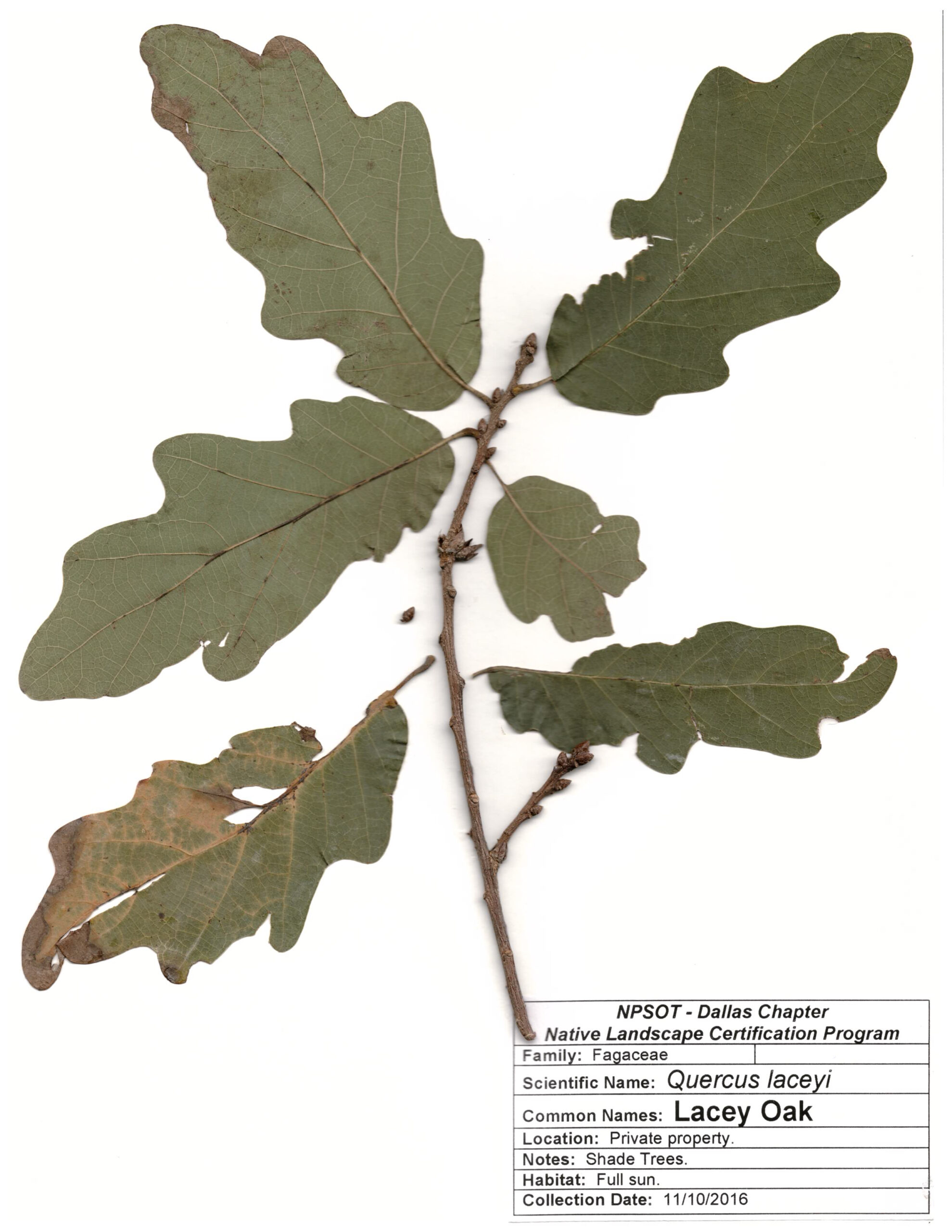


Lacey Oak

Quercus laceyi

Other common name(s):

Texas Blue Oak, Canyon Oak, Smoky Oak, Rock Oak

Family:

Fagaceae (Beech Family)

Plant Ecoregion Distribution Map

This map uses data from the US EPA. EPA  servers have been offline frequently so maps may not display. We are working on a solution.

Chihuahuan Deserts, Edwards Plateau
Chihuahuan Montane Woodlands, Low Mountains and Bajadas, Stockton Plateau
Balcones Canyonlands, Edwards Plateau Woodland, Llano Uplift

Plant Characteristics

Growth Form

Tree

Height

20
to
50
ft.

Spread

20
to
25
ft.

Leaf Retention

Deciduous

Lifespan

Perennial

Habitat and Care Requirements

Soil Type(s)

Dry, Limestone, Rocky, Shallow

Light Requirement

Sun, Part Shade

Water Requirement

Very Low, Low

Native Habitat

Riparian, Woodland

Bloom and Attraction

Bloom Color

Yellow

Bloom Season

Spring

Seasonal Interest

Fall Color, Nuts

Wildlife Benefit

Birds, Deer, Small Mammals

Maintenance

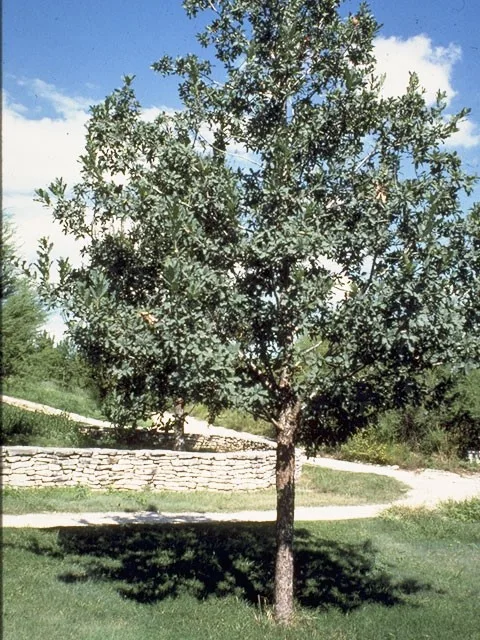
Perfect for small yards. Slow growing. It is in the white oak group and therefore less susceptible to oak wilt. May be pruned for shape or to raise canopy. Native habitat: associated with limestone outcrops, woodlands, riparian zones with mixed stands of ash, basswood and other oaks, a component of the pine-juniper-madrone-oak forest type at elevations between 6,000 – 8,200 feet (1,830 – 2,500 m)/

Description

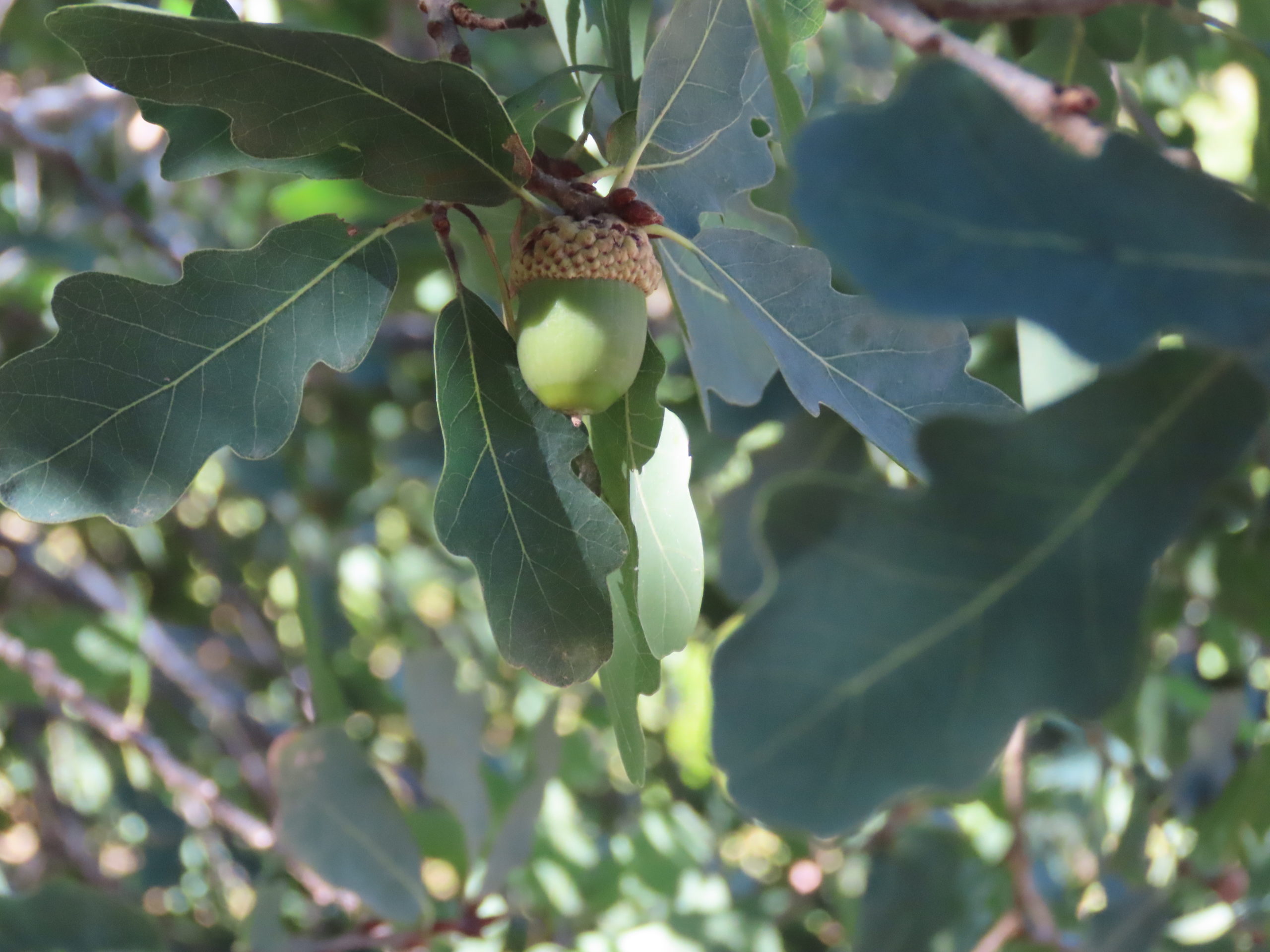
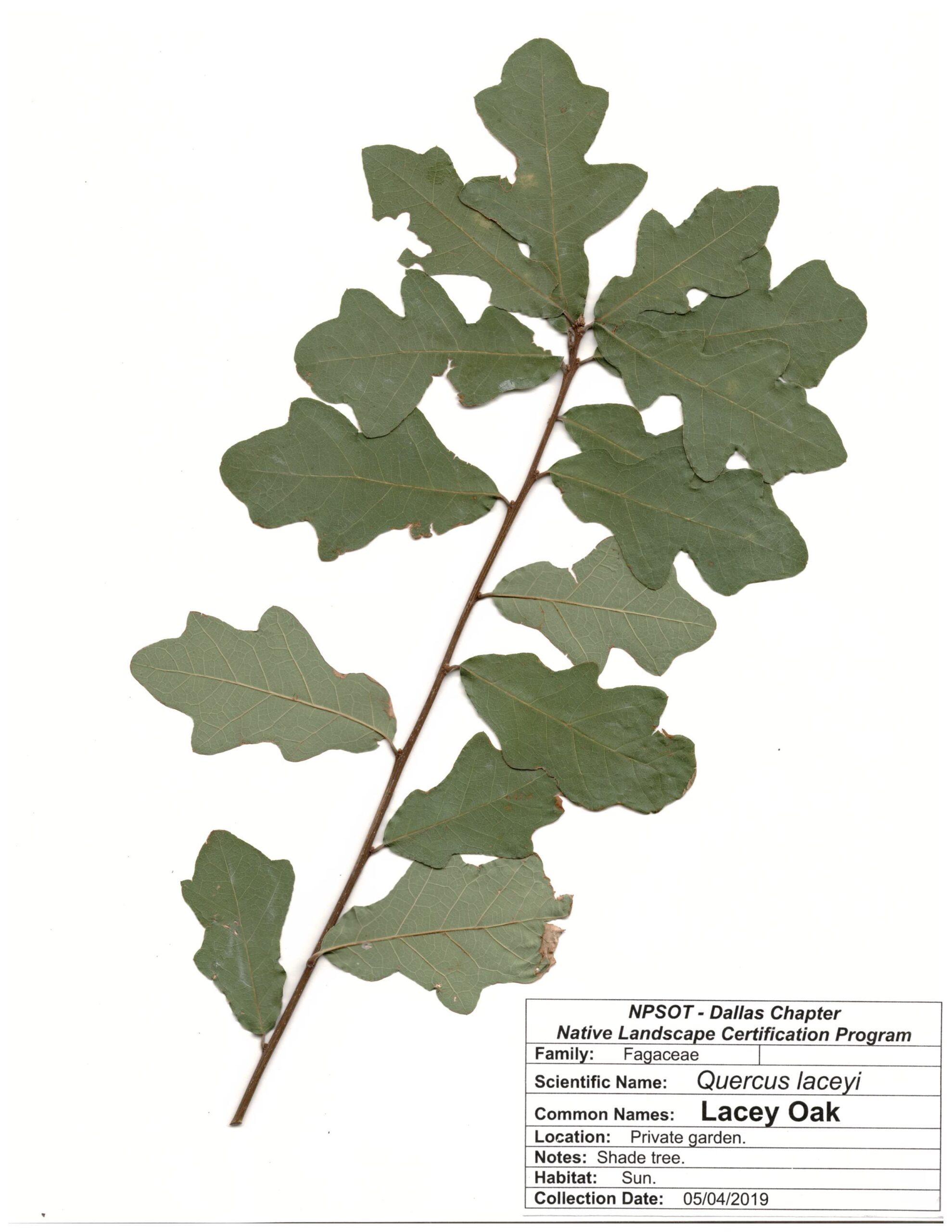
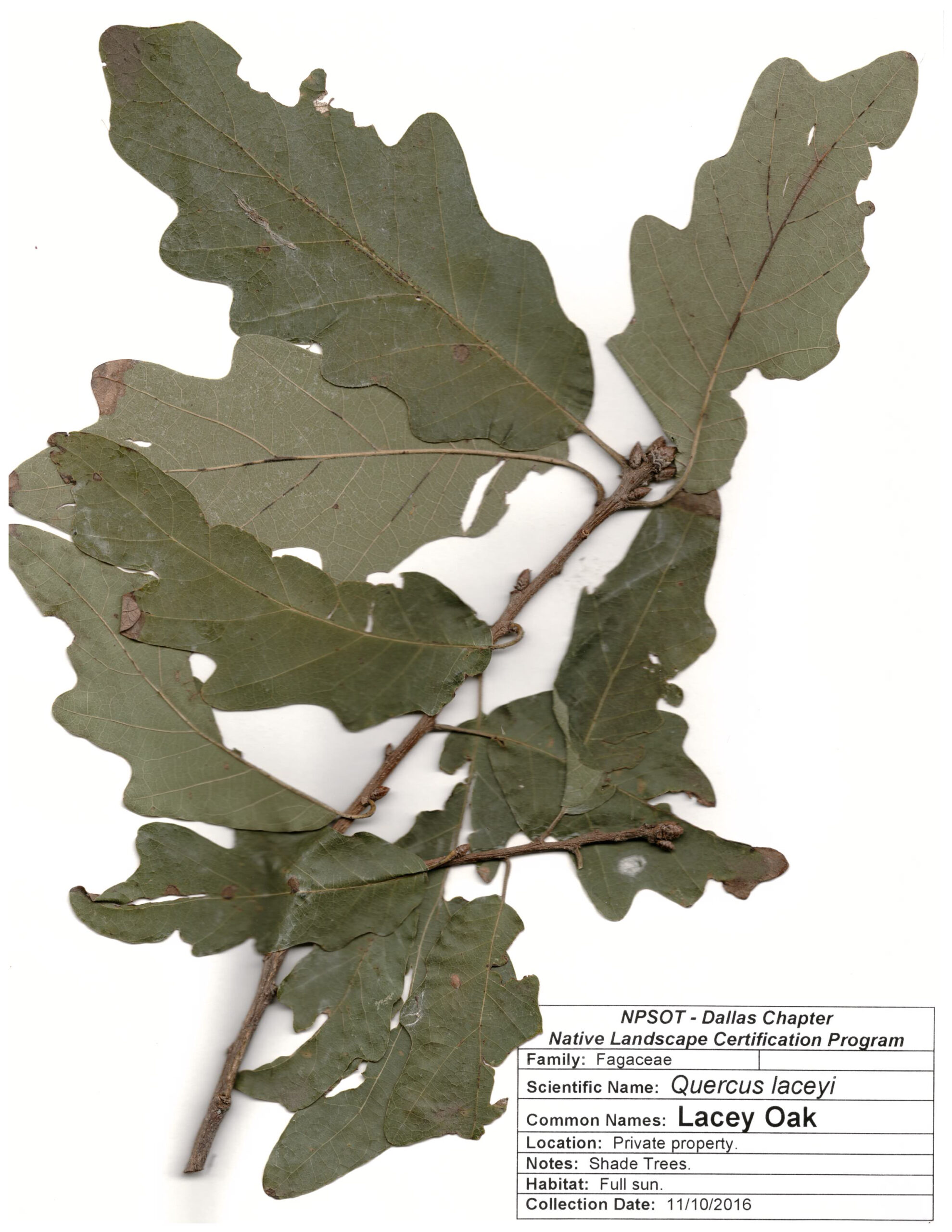
Blooms March-May. A medium sized tree, sometimes multiple trunks. Leaves are deciduous, thick, waxy, and oblong with a few shallow lobes. Foliage is peach-colored in spring and fall; dark-blue or grayish-green in summer. Tiny flowers are arranged on a catkin. The fruit is an acorn. Provides food and cover for deer and birds.
Previous Scientific Name(s): Quercus glaucoides

References

1) Griffith, Bryce, Omernick & Rodgers (2007). Ecoregions of Texas. 2) Miller, George O., Landscaping with Native Plants of Texas 2nd Ed., 2013, pg 48. 3) https://www.wildflower.org/plants/result.php?id_plant=QULA. 4) https://portal.torcherbaria.org/portal/taxa/index.php?taxon=Quercus+laceyi&formsubmit=Search+Terms. 5) http://bonap.net/TDC/Image/Map?taxonType=Species&taxonId=12159&locationType=County&mapType=Normal. 6) https://www.itis.gov/servlet/SingleRpt/SingleRpt?search_topic=TSN&search_value=195180#null, 7) Native and Adapted Landscape Plants, City of Austin and Texas A&M, 2014.
Material Treatment Method Collection References
Seed No Treatment Best if sown immediately as acorns lose viability quickly in storage. Plant immediately outdoors or in deep containers to accomodate long initial taproot. They sprout immediately without dormancy period. Best quality acorns are picked or shaken from the tree. Collect when color has changed to brown. https://www.wildflower.org/plants/result.php?id_plant=QULA
Stem Cutting Use a clean, sharp knife to make a clean cut just below a leaf node. Remove the lowest leaves to expose 1-2 inches of the stem. If available, dip the cut end in rooting hormone to enhance root development. Fill a pot with a well-draining potting mix, such as a combination of peat and perlite. Insert the cut end of the cutting into the soil, ensuring at least one node is buried, as roots and new shoots will form from these nodes. Cover the pot with a plastic bag or place it in a propagator to maintain high humidity. This is crucial for lacey oak, as it helps prevent the cutting from drying out before it can root. Keep the soil moist but not waterlogged, and place the pot in a location with indirect light. Rooting typically occurs in 4-8 weeks, after which you can gradually acclimatize the new lacey oak plant to less humid conditions. Choose healthy, new growth branches from lacey oak in early summer. These cuttings should be approximately 6-8 inches long and have several sets of leaves. https://www.picturethisai.com/care/propagate/Quercus_laceyi.html

About the Region

2026 Fall Symposium Logo

This low-elevations region of Texas extends inland from the barrier islands, about 60 or so miles, and stretches from Brownsville to Louisiana. In total, it covers about 9.5 million acres, with a high point of 150 feet in elevation. More than 1000 species of plants can be found in this region. On the southern end, species more common in Mexico (such as Sabal mexicana) and Central America occur.

The barrier islands provide us with dune systems, and clay flats to the inland side, which have species found in these areas alone. Many plants here, such as Ipomoea pes-caprae (beach morning glory), can be found throughout tropical regions of the globe. I’ve encountered the same species on the beaches of Guam.

Once inland, vast marshes and wet prairies occur. Occasionally, oak (Quercus fusiformis) groves can be found. Common grasses include species of Bothriochloa, Paspalum, and Sporobolus; eastern gamagrass (Tripsacum dactyloides); and switchgrass (Panicum species). Many rivers and creeks cut through the Gulf Prairies, and along these riparian areas various species of trees, Sabal minor, and other plants adapted to clay soils can be found. Due to overgrazing, farming, and fire suppression, woody species such as mesquite (Prosopis glandulosa) and huisache (Acacia farnesiana), and invasive species such as chinaberry (Melia azedarach), Brazilian pepper (Schinus terebinthifolius), and Chinese tallow (Sapium sebiferum) have increased and displaced our native flora.

Source: Wildflowers of Texas by Michael Eason