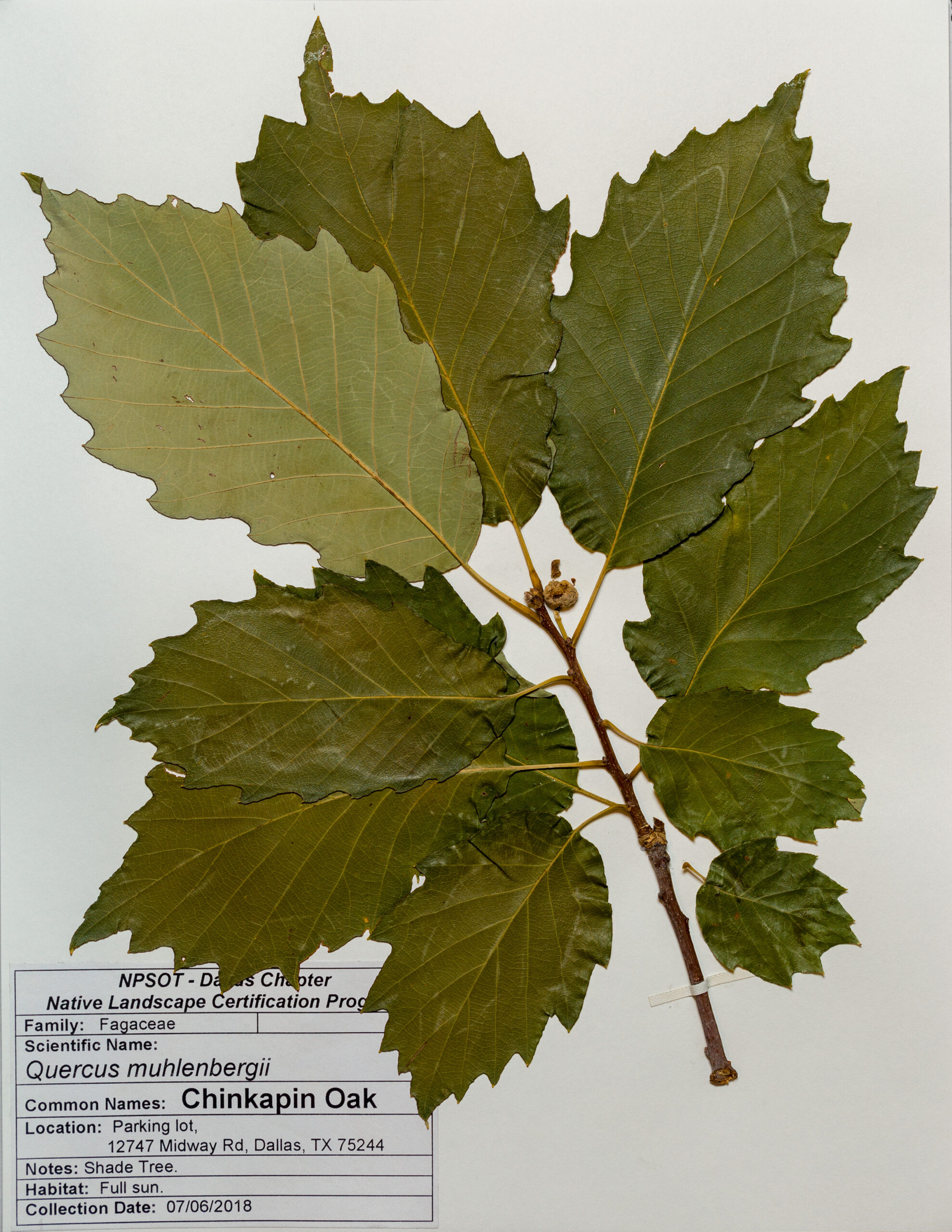

Chinkapin Oak

Quercus muehlenbergii

Other common name(s):

Chinquapin Oak

Family:

Fagaceae (Beech Family)

Plant Ecoregion Distribution Map

This map uses data from the US EPA. EPA  servers have been offline frequently so maps may not display. We are working on a solution.

Chihuahuan Deserts, Cross Timbers, Edwards Plateau, Southern Texas Plains, Texas Blackland Prairies, Western Gulf Coastal Plain
Chihuahuan Basins and Playas, Low Mountains and Bajadas
Grand Prairie
Balcones Canyonlands
Semiarid Edwards Bajada
Northern Blackland Prairie
Flatwoods

Plant Characteristics

Growth Form

Tree

Height

45
to
110
ft.

Spread

50
to
70
ft.

Leaf Retention

Deciduous

Lifespan

Perennial

Habitat and Care Requirements

Soil Type(s)

Calcareous, Dry, Limestone, Rocky, Well Drained

Light Requirement

Sun, Part Shade

Water Requirement

Medium

Native Habitat

Woodland

Bloom and Attraction

Bloom Color

Brown, Green, Yellow

Bloom Season

Spring

Seasonal Interest

Fall Color, Larval Host, Nectar, Nuts

Wildlife Benefit

Birds, Butterflies, Hummingbirds, Small Mammals

Maintenance

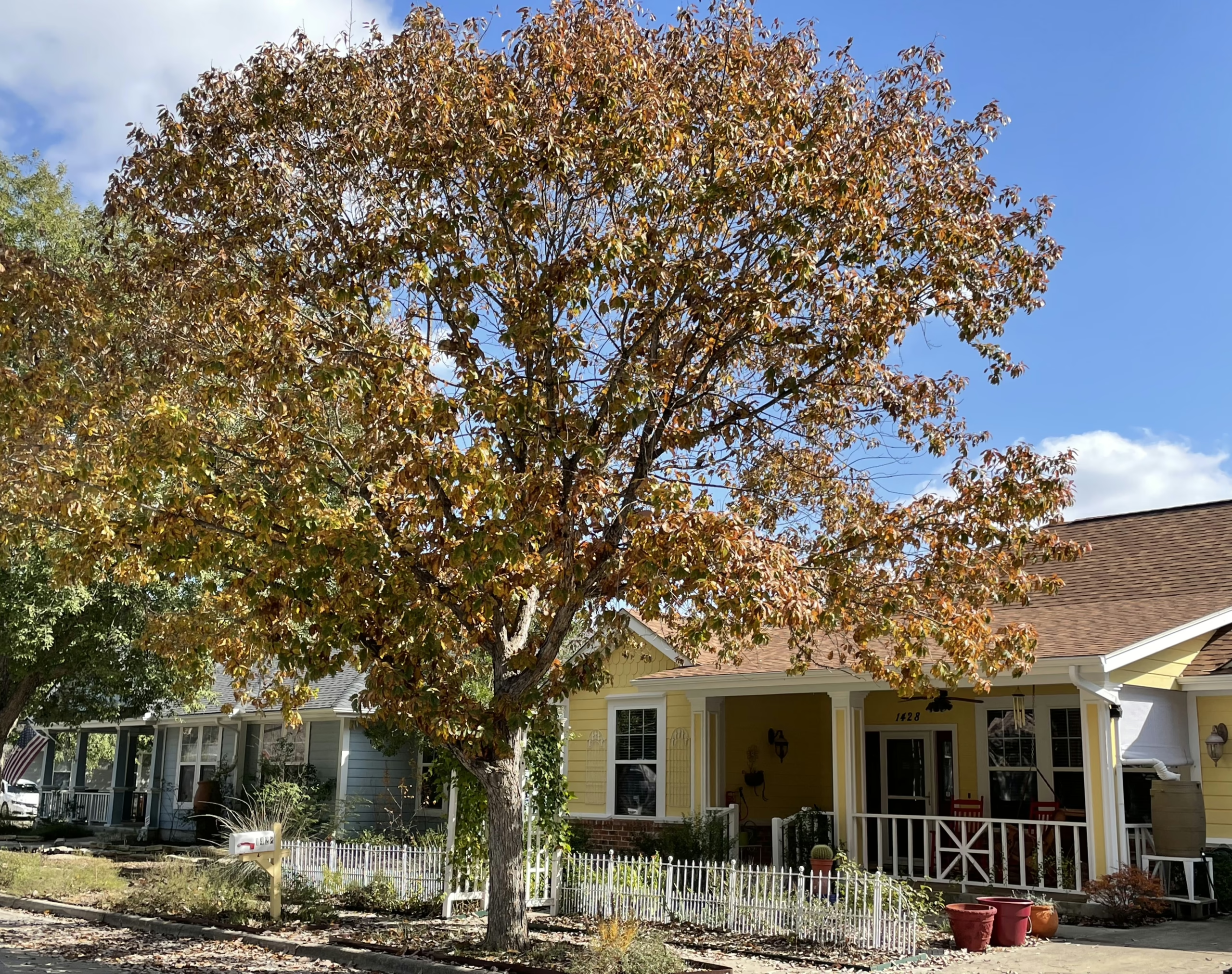
It has a moderate rate when young but slows considerably with age, It is In the white oak group and therefore less susceptible to oak wilt. Although if in a large stand of Chinkapin, the disease can spread through the roots. Needs deeper soils. Prune for shape or to raise canopy. Produces attractive fall color. Native habitat: mixed deciduous and pine forests.

Description

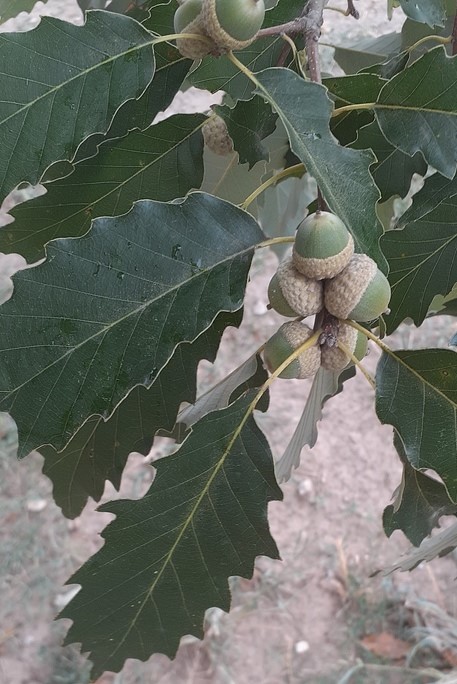
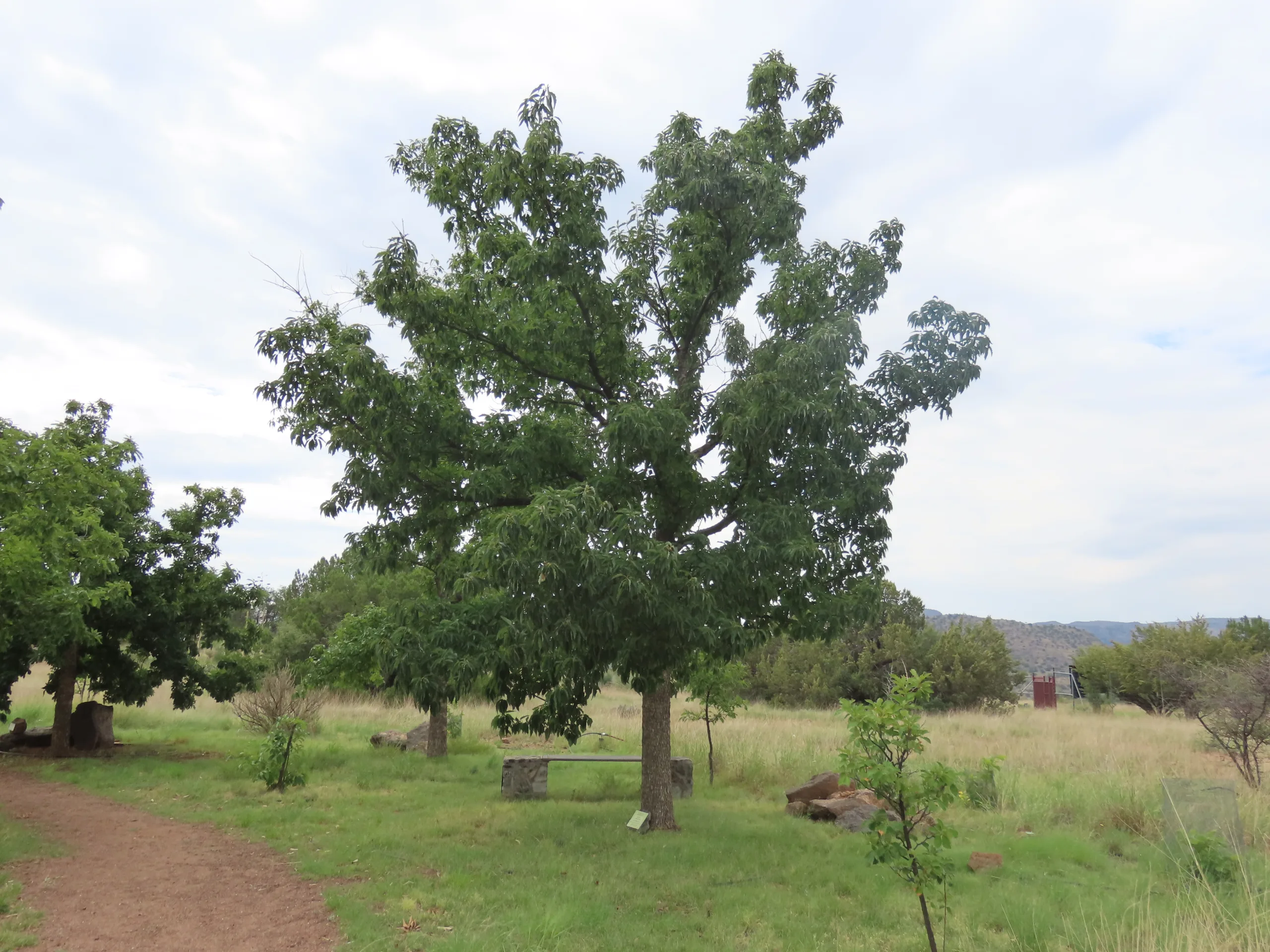
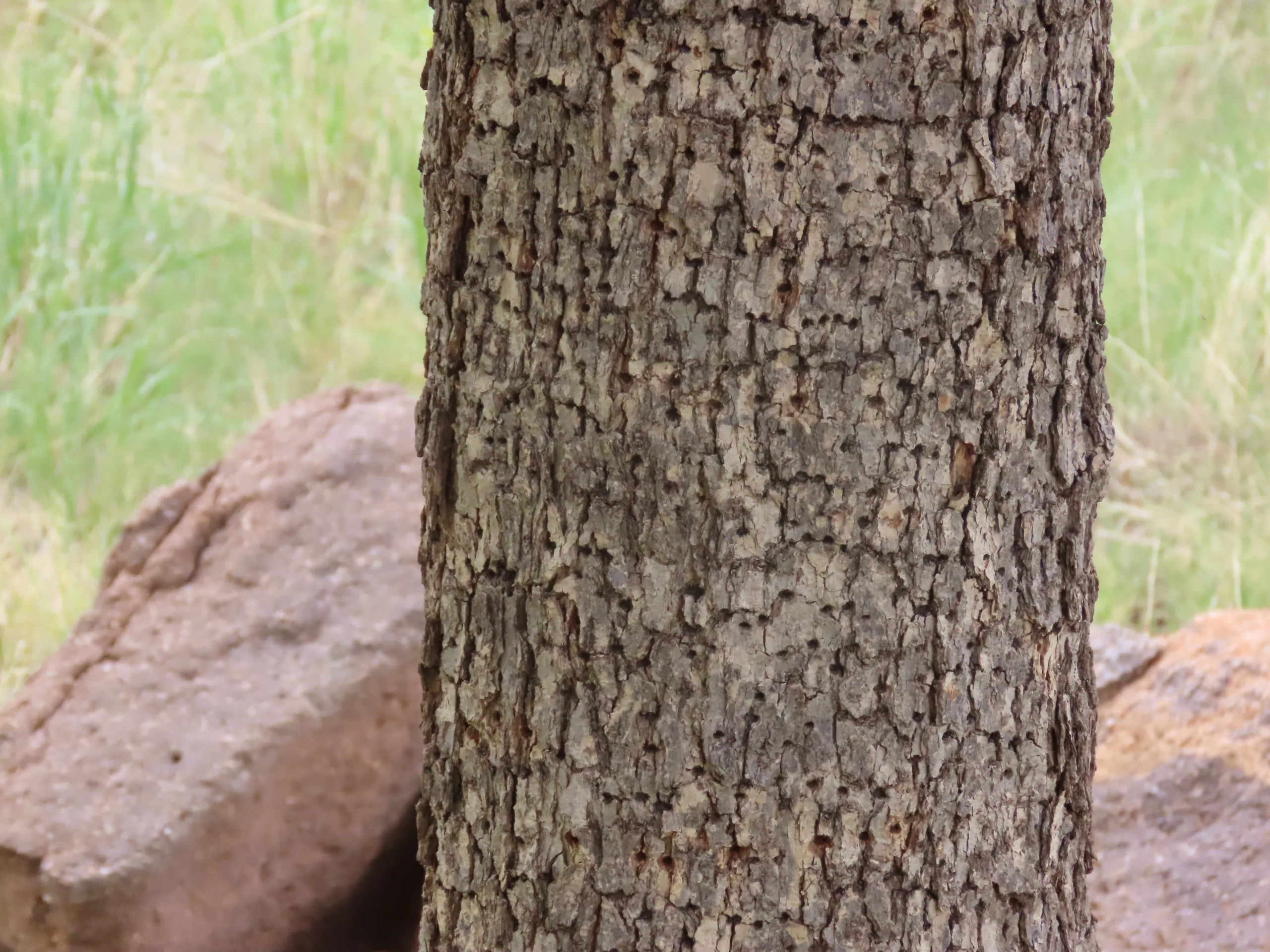
Blooms March-May. Mature trees develop a rounded canopy. A stately form with light gray platy or scaly bark. Leaves up to 8 inches long, with sharply toothed margins. Tiny flowers arranged on a catkin. The fruit is an acorn. Larval host: Gray Hairstreak.
Previous Scientific Name(s): Quercus acuminata, Quercus alexanderi, Quercus prinoides, Quercus prinoides var. acuminata

References

1) Griffith, Bryce, Omernick & Rodgers (2007). Ecoregions of Texas. 2) Miller, George O., Landscaping with Native Plants of Texas 2nd Ed., 2013, pg 48. 3) Wasowski and Wasowski, Native Texas Plants Landscaping Region by Region, 1991, pg. 342. 4) https://www.wildflower.org/plants/result.php?id_plant=QUMU. 5) https://portal.torcherbaria.org/portal/taxa/index.php?taxon=Quercus+muehlenbergii&formsubmit=Search+Terms. 6) http://bonap.net/TDC/Image/Map?taxonType=Species&taxonId=12141&locationType=County&mapType=Normal., 7) Native and Adapted Landscape Plants, City of Austin and Texas A&M, 2014. 8) https://www.itis.gov/servlet/SingleRpt/SingleRpt?search_topic=TSN&search_value=504714#null, 9) https://en.wikipedia.org/wiki/Quercus_muehlenbergii 10 https://hort.ifas.ufl.edu/trees/QUEMUEA.pdf
Material Treatment Method Collection References
Seed No Treatment The best time to plant acorns is immediately after they fall in autumn. Plant the acorns sideways, 3/4 to 1 inch deep, in pots deep enough to accommodate long taproot or directly in their permanent location. Give them at least 1 inch of water weekly if it doesn’t rain. Cover the soil with 2 to 3 inches of mulch or straw to help suppress weeds and protect the seedlings against frost heave. The acorns will soon start germinating; growth will stop during cold weather and restart in the spring. Be careful when pulling weeds so you don’t uproot the tender seed Chinkapin oaks are cold-hardy trees that can tolerate freezing temperatures. Protect young saplings growing outside in containers or newly transplanted outdoors with a layer of mulch or straw over the root zone. A radicle is produced in the fall soon after planting. Top growth is initiated the following spring. Length of Establishment Phase: 4-6months which includes the overwintering period. Active Growth Phase: Plants require little maintenance during active growth other than application of at least 1 inch of water per week during drouth conditions and elimination of weed competition. Collect seeds immediately after they drop. Place them in a bowl of cold water; viable seeds will sink to the bottom, while those with low viability will float. Discard those and plant the viable acorns immediately to achieve optimum germination rate. If you store the acorns over the winter, the germination rate can drop from over 90% to less than 50%. 1) https://www.thespruce.com/chinkapin-oak-growing-guide-5202085#:~:text=Propagating%20Chinkapin%20Oak,t%20uproot%20the%20tender%20seedlings. 2) chrome-extension://efaidnbmnnnibpcajpcglclefindmkaj/https://www.nrcs.usda.gov/plantmaterials/wvpmcot12017.pdf

About the Region

2026 Fall Symposium Logo

This low-elevations region of Texas extends inland from the barrier islands, about 60 or so miles, and stretches from Brownsville to Louisiana. In total, it covers about 9.5 million acres, with a high point of 150 feet in elevation. More than 1000 species of plants can be found in this region. On the southern end, species more common in Mexico (such as Sabal mexicana) and Central America occur.

The barrier islands provide us with dune systems, and clay flats to the inland side, which have species found in these areas alone. Many plants here, such as Ipomoea pes-caprae (beach morning glory), can be found throughout tropical regions of the globe. I’ve encountered the same species on the beaches of Guam.

Once inland, vast marshes and wet prairies occur. Occasionally, oak (Quercus fusiformis) groves can be found. Common grasses include species of Bothriochloa, Paspalum, and Sporobolus; eastern gamagrass (Tripsacum dactyloides); and switchgrass (Panicum species). Many rivers and creeks cut through the Gulf Prairies, and along these riparian areas various species of trees, Sabal minor, and other plants adapted to clay soils can be found. Due to overgrazing, farming, and fire suppression, woody species such as mesquite (Prosopis glandulosa) and huisache (Acacia farnesiana), and invasive species such as chinaberry (Melia azedarach), Brazilian pepper (Schinus terebinthifolius), and Chinese tallow (Sapium sebiferum) have increased and displaced our native flora.

Source: Wildflowers of Texas by Michael Eason