
Big Buttercup

Ranunculus macranthus

Other common name(s):

Large Buttercup

Family:

Ranunculaceae (Buttercup Family)

Plant Ecoregion Distribution Map

This map uses data from the US EPA. EPA  servers have been offline frequently so maps may not display. We are working on a solution.

East Central Texas Plains, Edwards Plateau, Texas Blackland Prairies
Southern Post Oak Savanna
Balcones Canyonlands, Edwards Plateau Woodland, Llano Uplift
Floodplains and Low Terraces1, Northern Blackland Prairie, Southern Blackland Prairie

Plant Characteristics

Growth Form

Herbaceous

Height

1
to
3
ft.

Spread

1
to
2
ft.

Leaf Retention

Deciduous

Lifespan

Perennial

Habitat and Care Requirements

Soil Type(s)

Loam, Moist, Sand

Light Requirement

Sun

Water Requirement

Medium, High

Native Habitat

Grassland, Riparian, Woodland, Woodland Edge

Bloom and Attraction

Bloom Color

Yellow

Bloom Season

Spring

Seasonal Interest

Flowers, Nectar

Wildlife Benefit

Nectar Insects

Maintenance

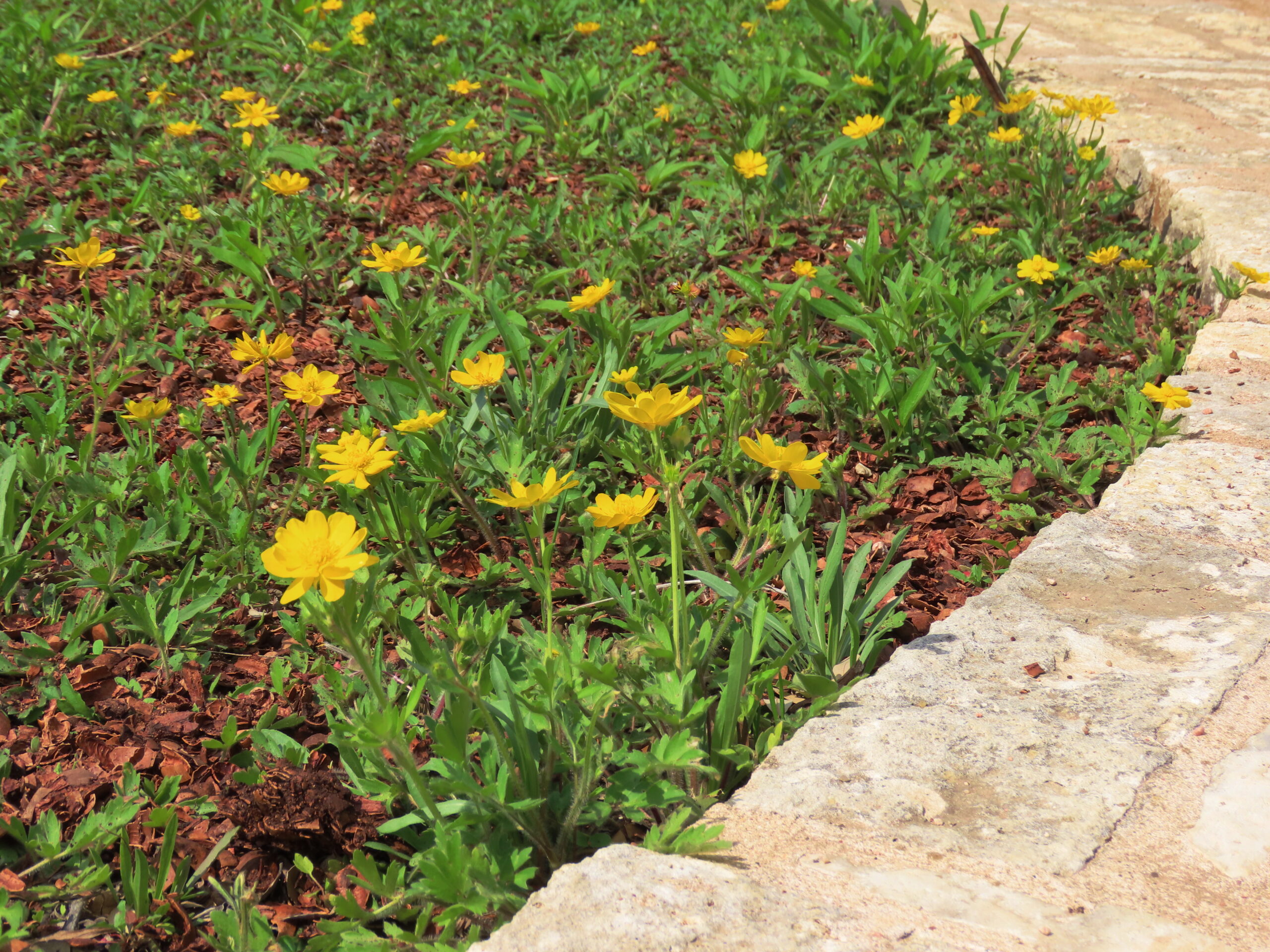
It does well in a moist pocket prairie, wildflower meadow, bog or pond. It can create large colonies. Don’t let soil get too dry. WARNING: all parts poisonous and skin irritation lasting minutes if touched. Native habitat: prairie, meadows, pastures, woodlands’ edge, riverbanks and wet meadows, pine forests.

Description

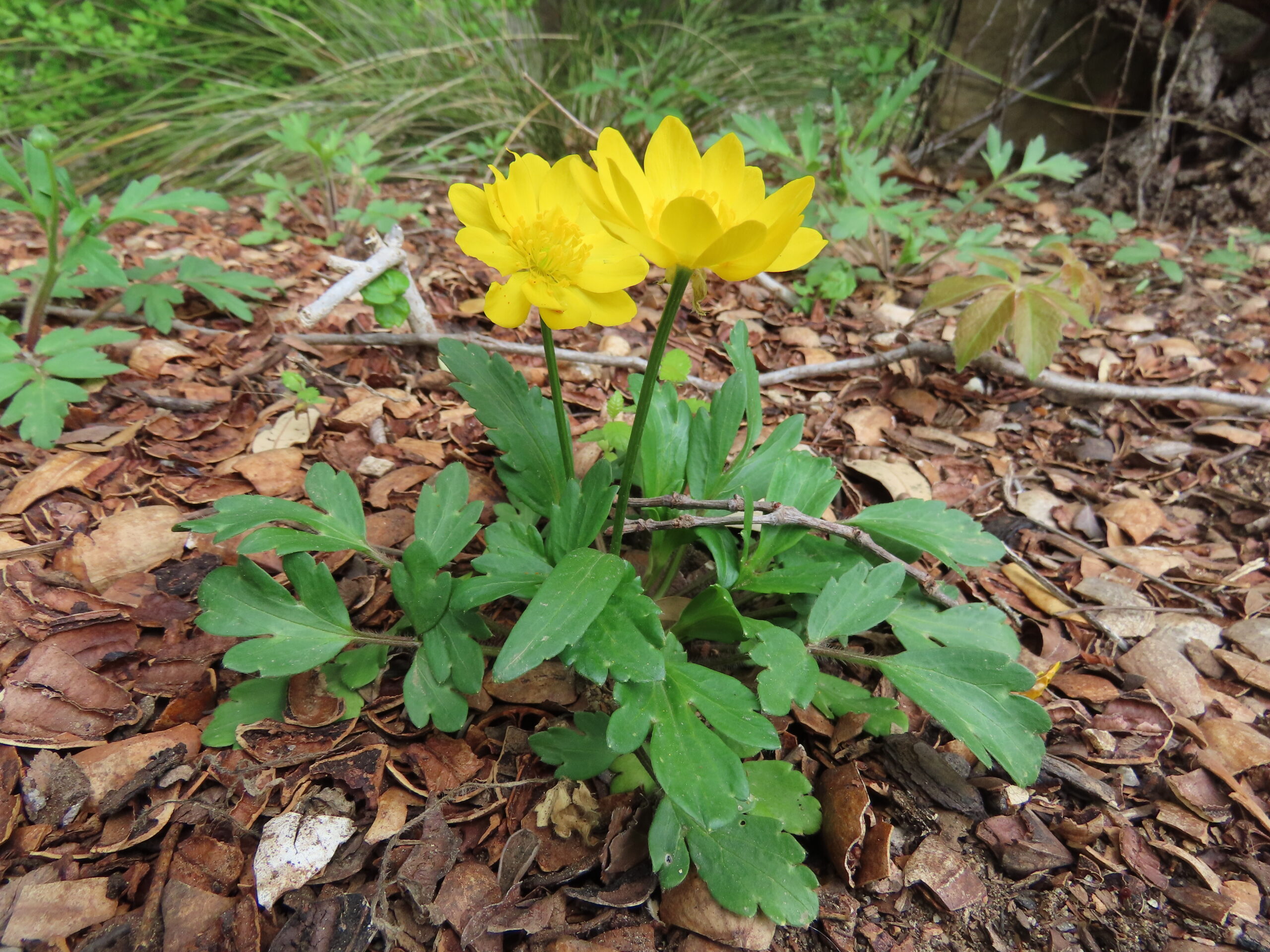
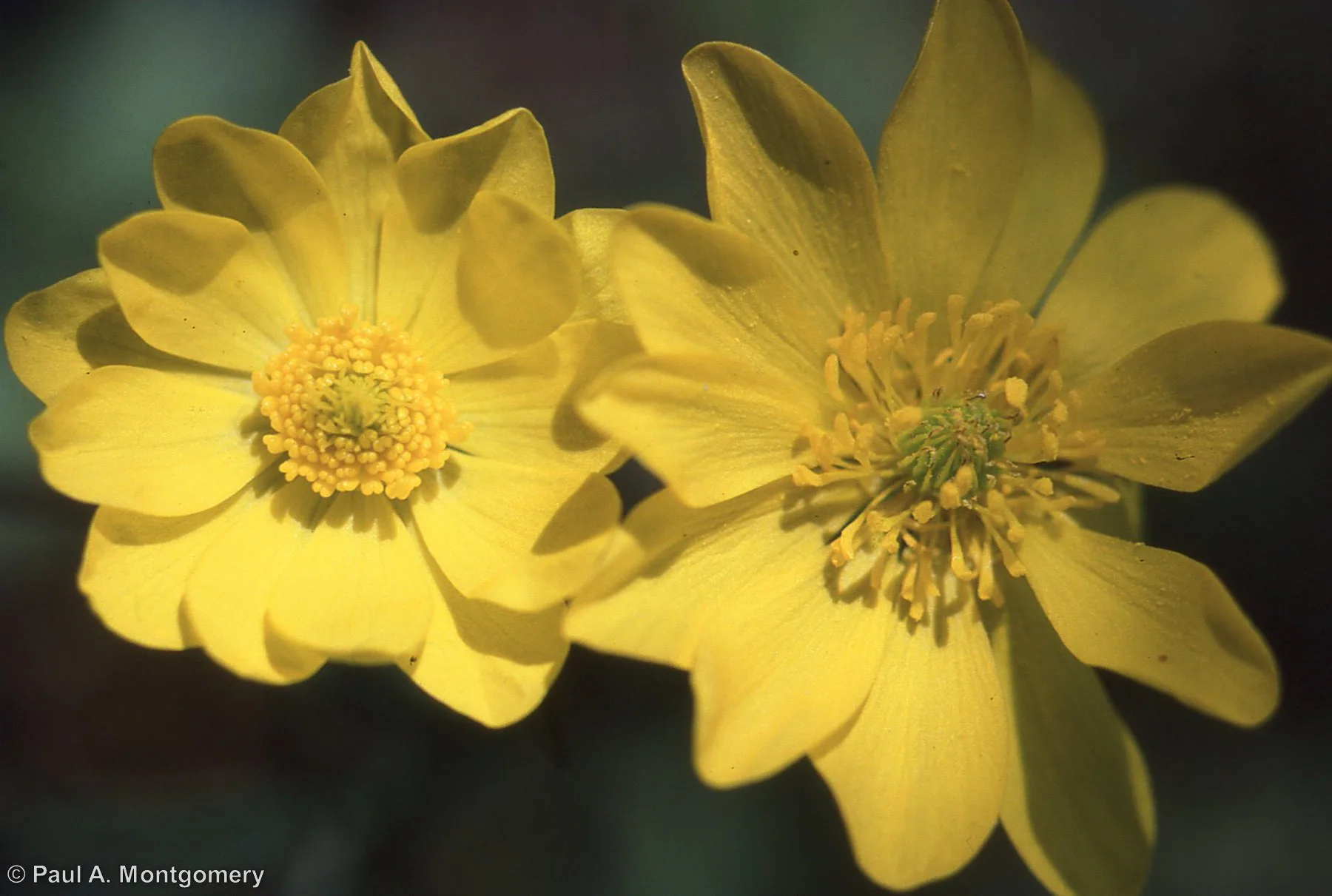
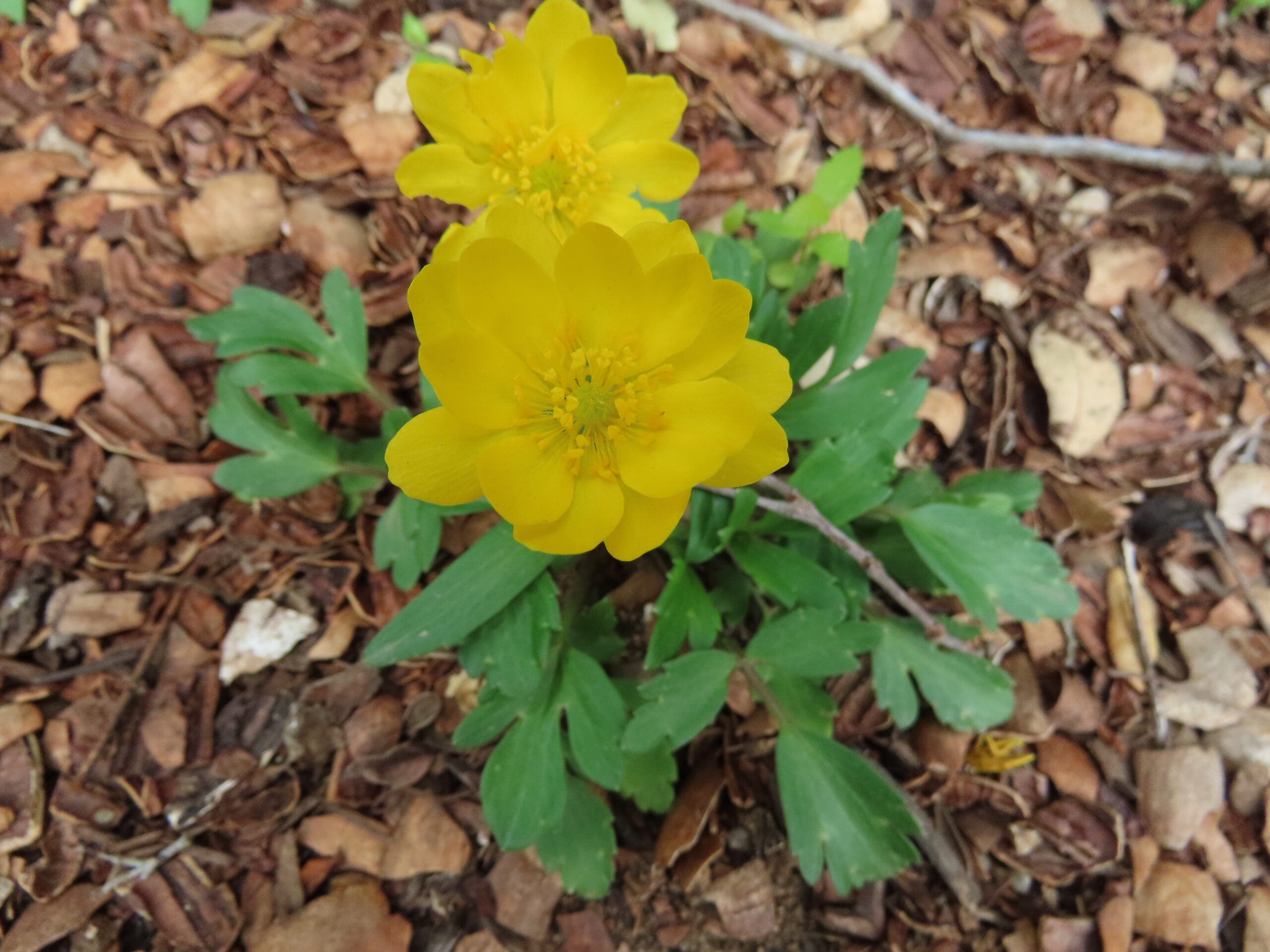
Blooms March-May. One of the largest buttercups. A clumped plant with stems erect to reclining. Upper leaves are densely hairy and deeply lobed, while the basal leaves are divided into leaflets. Produces bright-yellow, fragrant, cup-shaped flowers. The fruit is an achene: a small, dry, single-seeded fruit.
Previous Scientific Name(s): Ranunculus fascicularis var. cuneiformis, Ranunculus macranthus var. typicus
Material Treatment Method Collection References
Seed Scarification Begin by soaking the seeds for 24 hours. This simple step helps to enhance germination, which thrives in moist and warm conditions, ideally between 20-25°C. The germination of Ranunculus macranthus typically takes about 10-14 days under optimal conditions. Providing warmth and moisture is key to kickstarting this processe. 1) https://greg.app/ranunculus-macranthus-overview/ 2) https://www.picturethisai.com/wiki/Ranunculus_macranthus.html 3) https://www.forwardplant.com/plant-info/ranunculus-macranthus/
Tuber Division Carefully separate the tubers and replant them immediately to ensure they establish well. Aim to do this every 2-3 years during early spring or fall. 1) https://greg.app/ranunculus-macranthus-overview/ 2) https://www.picturethisai.com/wiki/Ranunculus_macranthus.html 3) https://www.forwardplant.com/plant-info/ranunculus-macranthus/
Stem Cutting Use a rooting medium that consists of a mix of perlite and peat moss to encourage robust root development. Select healthy stems that have at least 2-3 nodes. 1) https://greg.app/ranunculus-macranthus-overview/ 2) https://www.picturethisai.com/wiki/Ranunculus_macranthus.html

About the Region

2026 Fall Symposium Logo

This low-elevations region of Texas extends inland from the barrier islands, about 60 or so miles, and stretches from Brownsville to Louisiana. In total, it covers about 9.5 million acres, with a high point of 150 feet in elevation. More than 1000 species of plants can be found in this region. On the southern end, species more common in Mexico (such as Sabal mexicana) and Central America occur.

The barrier islands provide us with dune systems, and clay flats to the inland side, which have species found in these areas alone. Many plants here, such as Ipomoea pes-caprae (beach morning glory), can be found throughout tropical regions of the globe. I’ve encountered the same species on the beaches of Guam.

Once inland, vast marshes and wet prairies occur. Occasionally, oak (Quercus fusiformis) groves can be found. Common grasses include species of Bothriochloa, Paspalum, and Sporobolus; eastern gamagrass (Tripsacum dactyloides); and switchgrass (Panicum species). Many rivers and creeks cut through the Gulf Prairies, and along these riparian areas various species of trees, Sabal minor, and other plants adapted to clay soils can be found. Due to overgrazing, farming, and fire suppression, woody species such as mesquite (Prosopis glandulosa) and huisache (Acacia farnesiana), and invasive species such as chinaberry (Melia azedarach), Brazilian pepper (Schinus terebinthifolius), and Chinese tallow (Sapium sebiferum) have increased and displaced our native flora.

Source: Wildflowers of Texas by Michael Eason