
Prairie Rose

Rosa arkansana

Other common name(s):

Arkansas Rose

Family:

Rosaceae (Rose Family)

Plant Ecoregion Distribution Map

This map uses data from the US EPA. EPA  servers have been offline frequently so maps may not display. We are working on a solution.

Cross Timbers, High Plains
Western Cross Timbers
Canadian/Cimarron High Plains

Plant Characteristics

Growth Form

Subshrub

Height

1
to
3
ft.

Spread

1
to
3
ft.

Leaf Retention

Deciduous

Lifespan

Perennial

Habitat and Care Requirements

Soil Type(s)

Dry, Gravelly, Loam, Sand

Light Requirement

Sun, Part Shade

Water Requirement

Low

Native Habitat

Grassland, Shrubland

Bloom and Attraction

Bloom Color

Pink

Bloom Season

Spring, Summer

Seasonal Interest

Fall Color, Flowers, Fruit, Nectar, Pollen

Wildlife Benefit

Bees, Birds, Butterflies

Maintenance

Very hardy low shrub. Disease and insect resistant. The most drought tolerant of the Texas rose species. Thicket forming, especially in sun, so it won’t fit into small spaces. Good for erosion control. Foliage turns orange in the fall. Most plants do not flower and produce seed until their second or third year of growth. Native habitat: prairies, roadsides, and ditches, open or brushy sites.

Description

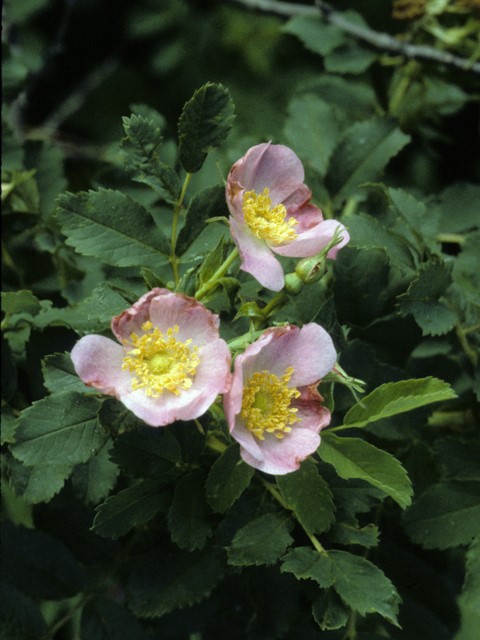
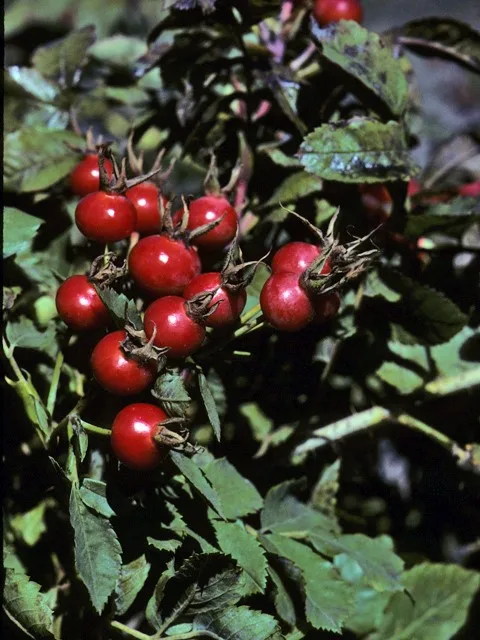
Blooms May-September. Low, suckering growth from. Small clusters of white to deep pink, five-petaled flowers, occur on densely prickly stems. Leaves are compound, divided into 7-11 small, serrated leaflets. The red fruit (rose hips) remains on the plant into the fall and winter.
Material Treatment Method Collection References
Seed Stratification Extract seeds and subject them to cold stratification to enhance germination rates. Sow stratified seeds in a well-draining soil mix, ensuring they receive adequate sunlight. Collect the hips after flowering and allow them to dry. https://www.picturethisai.com/care/Rosa_arkansana.html#:~:text=Prairie%20rose%20is%20a%20hardy,shape%20and%20promote%20healthier%20growth.
Stem Cutting Remove leaves from the lower half of each cutting to expose the nodes. Dip the cut end into a rooting hormone to enhance root development and prevent fungal infection. Fill a pot with a sterile, well-draining potting mix. Insert the cuttings about 2 inches deep into the soil, ensuring at least two nodes are buried. Water gently to settle the soil around the cuttings. Cover the pot with a plastic bag or place it in a propagator to maintain high humidity and warmth. Ensure the setup allows for some ventilation to prevent mold growth. eep the soil moist but not waterlogged. Once the cuttings have rooted, which typically takes a few weeks, gradually acclimatize them to ambient conditions. Transplant the rooted cuttings to individual pots or directly into the garden. Choose healthy, non-flowering stems from the current or previous year's growth of prairie rose. Each cutting should be about 6-8 inches long and include several sets of leaves. https://www.picturethisai.com/care/propagate/Rosa_arkansana.html
Seed Scarification To soften the hard coating on these prairie rose seeds, rub them lightly with sandpaper or soak them in 180 degrees F water overnight. Mix the seeds with moist sand and store in the refrigerator for 4 months before planting. Sow the Rosa Arkansana seed in early spring, planting 1/2" deep. Keep the soil lightly moist until germination, which is notoriously slow and irregular. Some seeds may not sprout until the next year. Near the end of the season, remove the rose hips and split them open to remove the seed. Separate the seeds from the plant material and spread them out to dry. Store the prairie rose seeds in a cool, dry place. https://www.everwilde.com/store/Rosa-arkansana-WildFlower-Seed.html

About the Region

2026 Fall Symposium Logo

This low-elevations region of Texas extends inland from the barrier islands, about 60 or so miles, and stretches from Brownsville to Louisiana. In total, it covers about 9.5 million acres, with a high point of 150 feet in elevation. More than 1000 species of plants can be found in this region. On the southern end, species more common in Mexico (such as Sabal mexicana) and Central America occur.

The barrier islands provide us with dune systems, and clay flats to the inland side, which have species found in these areas alone. Many plants here, such as Ipomoea pes-caprae (beach morning glory), can be found throughout tropical regions of the globe. I’ve encountered the same species on the beaches of Guam.

Once inland, vast marshes and wet prairies occur. Occasionally, oak (Quercus fusiformis) groves can be found. Common grasses include species of Bothriochloa, Paspalum, and Sporobolus; eastern gamagrass (Tripsacum dactyloides); and switchgrass (Panicum species). Many rivers and creeks cut through the Gulf Prairies, and along these riparian areas various species of trees, Sabal minor, and other plants adapted to clay soils can be found. Due to overgrazing, farming, and fire suppression, woody species such as mesquite (Prosopis glandulosa) and huisache (Acacia farnesiana), and invasive species such as chinaberry (Melia azedarach), Brazilian pepper (Schinus terebinthifolius), and Chinese tallow (Sapium sebiferum) have increased and displaced our native flora.

Source: Wildflowers of Texas by Michael Eason