
Organization: Bastrop

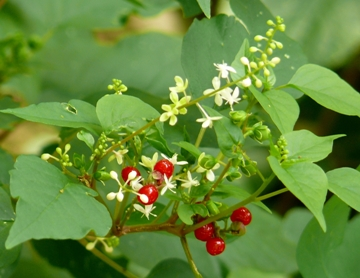
Green plant with red berries
Plants of the Month

January 2025 Plant of the Month

Howdy plant lovers! Hope your New Year is off to a great start! This month, we are celebrating the beautiful, hardy native plant Rivina humilis. Though it is small and

Monthly Chapter Meetings

Bastrop County Member Meetings Our meetings are currently held in person, but we are working at a hybrid option where members can also join us via Zoom. Please see our

About

Mission and Leadership

Our Mission This is the Bastrop County Chapter of the Native Plant Society of Texas. We promote the research, conservation and utilization of native plants and plant habitats of Texas through education,

Plants of the Month

December 2024 Plant of the Month

This month, we’re celebrating the resilient and versatile Ilex vomitoria, better known as Yaupon Holly and a true Texas treasure!  Why we love it: – Winter Beauty: Yaupon holly’s bright

Plants of the Month

November 2024 Plant of the Month

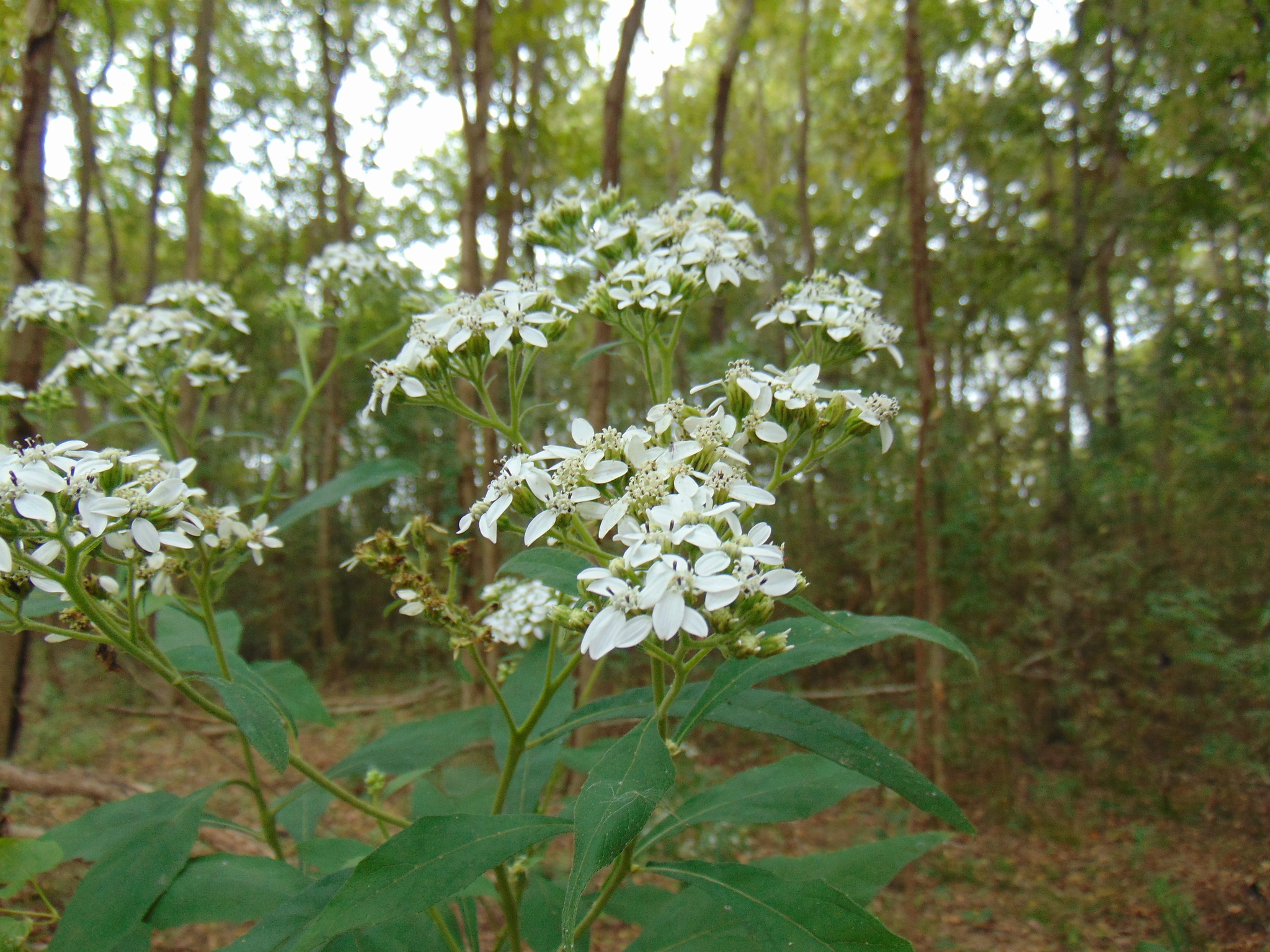
This month, we’re celebrating Verbesina virginica, better known as Frostweed! With its delicate white blooms that attract butterflies and bees in the fall, Frostweed also showcases a winter wonder- beautiful

Plants of the Month

October 2024 Plant of the Month

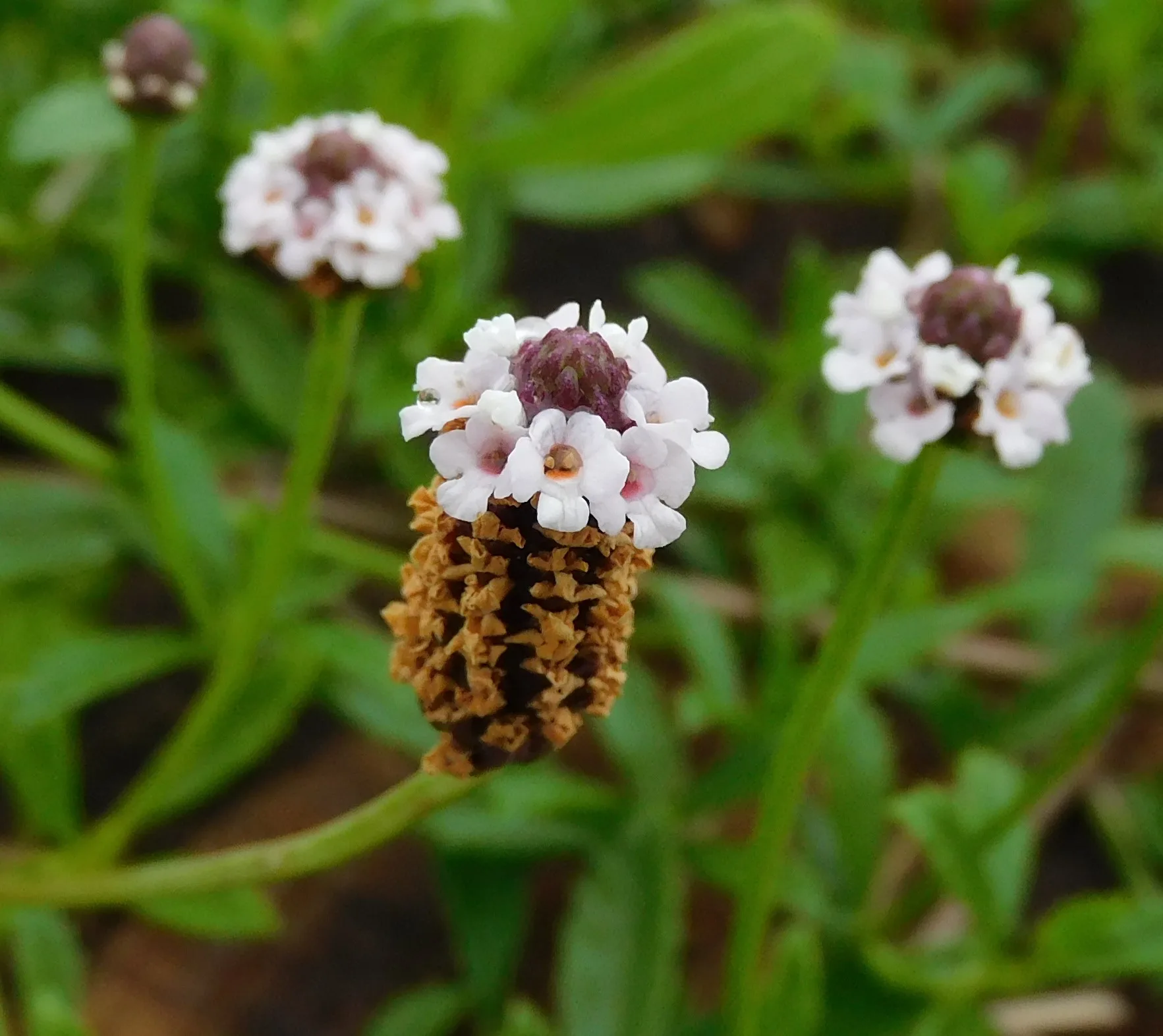
Say hello to Frogfruit (Phyla nodiflora), October’s featured native plant! This low-growing perennial is more than just a ground cover- it’s a pollinator powerhouse! With its tiny white flowers, Frogfruit

Plants of the Month

September 2024 Plant of the Month

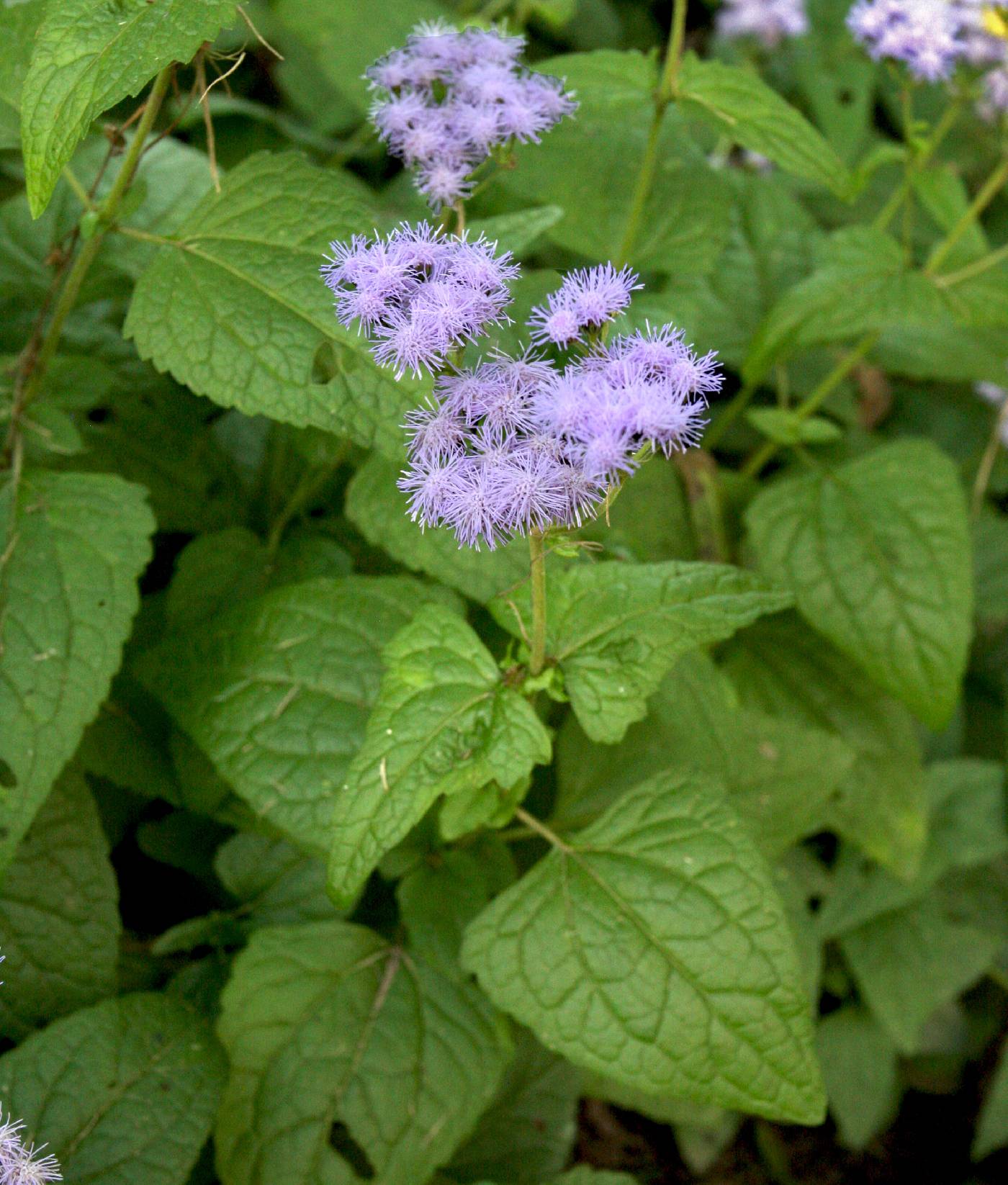
This month, say hello to Blue Mistflower (Conoclinium coelestinum), a beautiful, low-maintenance native plant that adds a subtle pop of color with its soft, lavender-blue blooms. It will attract ALL

Chapter

Native Plants for the Bastrop County Area

Our area in Central Texas features a diverse ecosystem. We are in both the East Central Texas Plains and Texas Blackland Prairies ecoregions, divided between Austin and Houston, and includes

JOIN NPSOT BASTROP COUNTY

Become a Member To join the NPSOT Bastrop County chapter, complete the online NPSOT membership application and choose Bastrop County as your home chapter. Member Perks Membership has its privileges!

About the Region

Fall Symposium 2025 Logo - Teach for the Future

Salado, the location of our Fall 2025 Symposium, lies at the intersection of two ecoregions: the Edwards Plateau (Limestone Cut Plain) and Blackland Prairie (Northern Blackland Prairie).

The Edwards Plateau area is also called the Hill Country; however, this general term covers a much larger area extending farther north. Spring-fed creeks are found throughout the region; deep limestone canyons, rivers, and lakes (reservoirs) are common. Ashe juniper is perhaps the most common woody species found throughout the region. Additional woody species include various species of oak, with live oak (Quercus fusiformis) being the most common. Sycamores (Platanus occidentalis) and bald cypress (Taxodium distichum) border waterways. This area is well known for its spring wildflower displays, though they may be viewed in spring, late summer, and fall, as well. According to Texas Parks and Wildlife, average annual rainfall in the Edwards Plateau ranges from 15 to 34 inches.

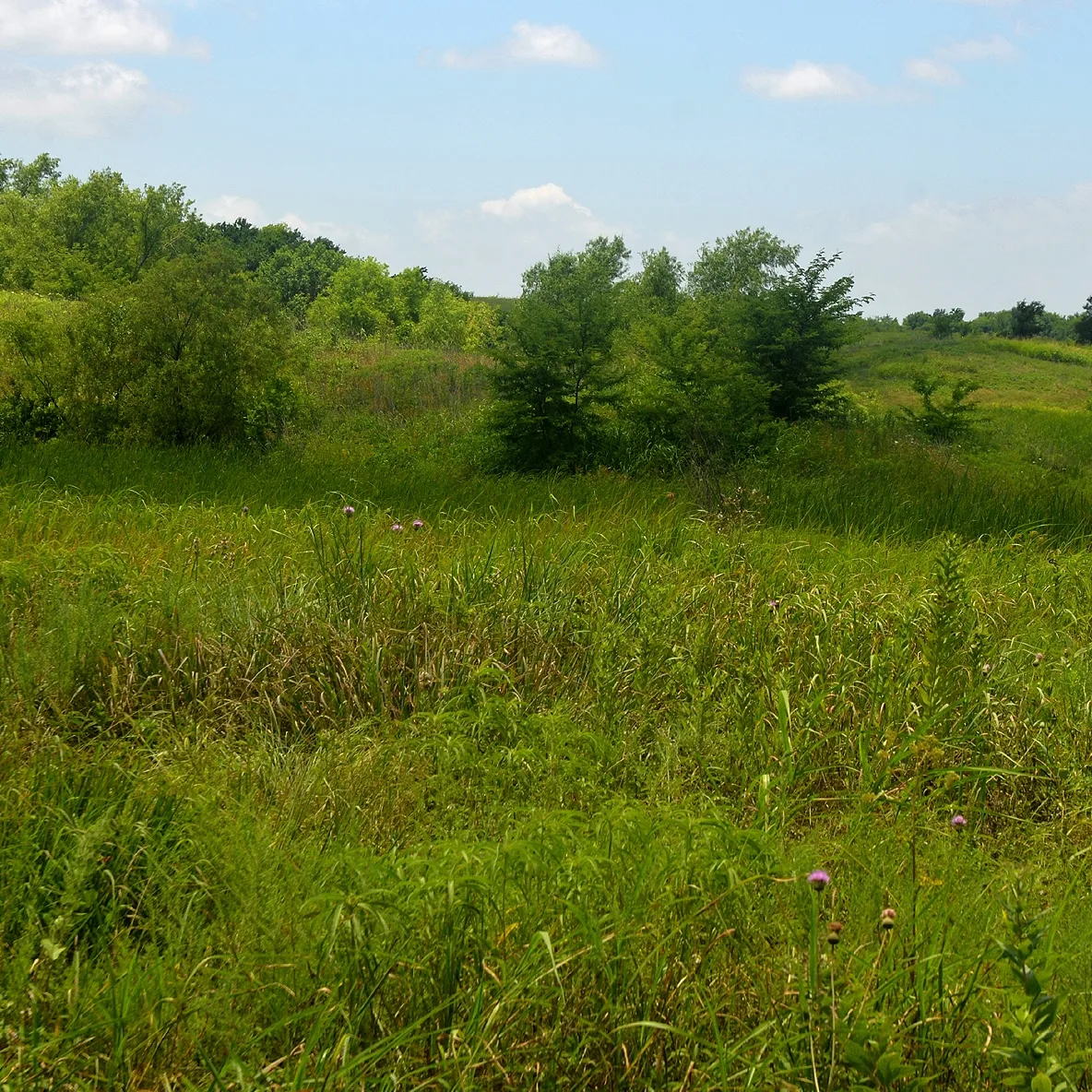
The Blackland Prairie extends from the Red River south to San Antonio, bordered on the west by the Edwards Plateau and the Cross Timbers, and on the east by the Post Oak Savannah. Annual rainfall averages 30 to 40 inches, with higher averages to the east. This region is dominated by prairie species. The most common grass species include little bluestem (Schizachyrium scoparium) and Indian grass (Sorghastrum nutans) in the uplands and switchgrass (Panicum virgatum) in the riparian areas and drainages. Common herbaceous flowering plants include salvias, penstemons, and silphiums. This area has suffered greatly from overgrazing and agricultural use. Few intact areas remain, though many of the plants can be found along county roadsides throughout the region.

Our fall Symposium host chapter, the Tonkawa Chapter, includes both of these ecoregions.

Source: Wildflowers of Texas by Michael Eason