
Organization: La Bahia

Chapter

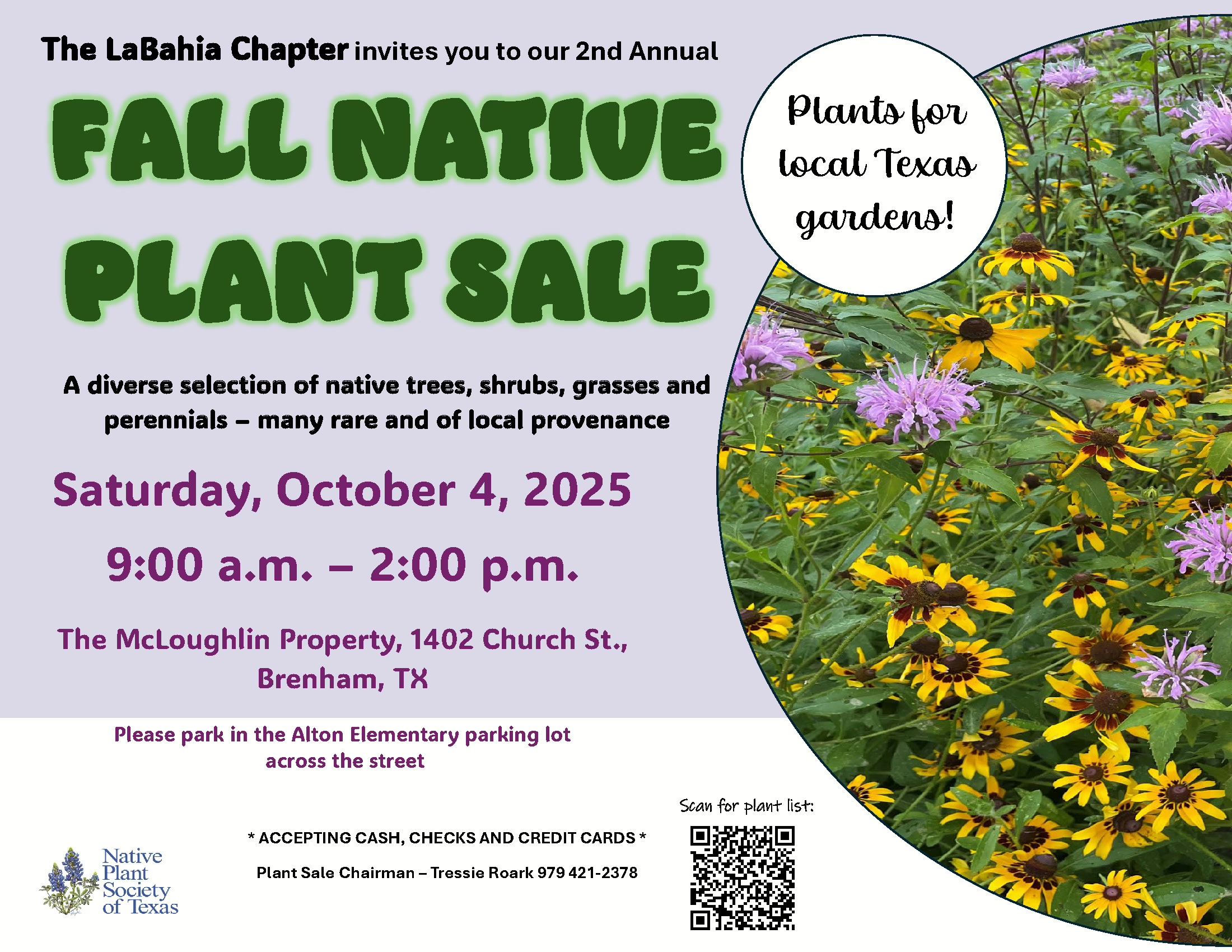
Second Annual Plant Sale – October 4, 2025

October 4, 2025 9:00am – 2:00pm Location:  The McLoughlin Property, 1402 Church St., Brenham The LaBahia Chapter is having a PLANT SALE on October 4, 2025 in Brenham, Texas! Fall

Chapter

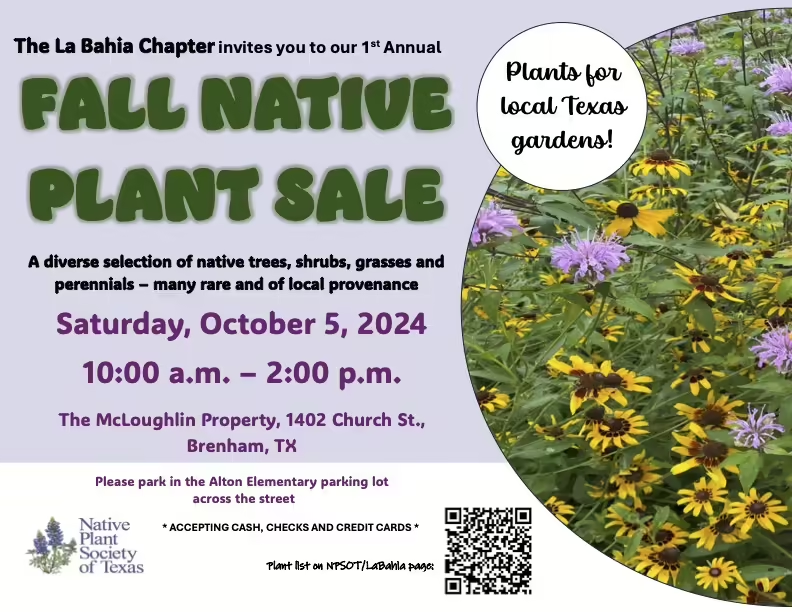
First Annual Plant Sale – October 5, 2024

October 5, 2024 10:00am – 2:00pm Location:  The McLoughlin Property, 1402 Church St., Brenham The LaBahia Chapter is having a PLANT SALE on October 5, 2024 in Brenham, Texas! Fall

Chapter

October No Frills Farm Tour, RSVP Now

Saturday, October 26th: 9 AM Property of John Ferguson, owner of Nature’s Way Resources, who was our July speaker on SOIL. John welcomes us to his property between Round Top

Chapter

Creating a Pollinator Paradise with Lauren Simpson

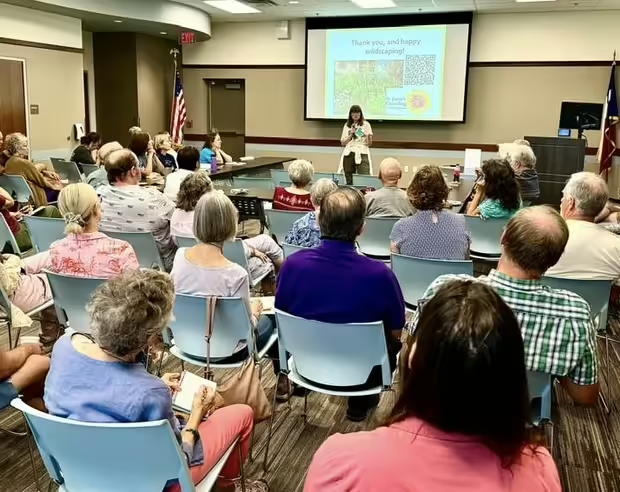
Thank you to Lauren Simpson for her amazing and entertaining presentation “Creating a Pollinator Paradise” last month. Over 60 native plant enthusiasts were in attendance, free native seeds from Lauren,

Newsletters

Join our Mailing List See our past email newsletters here.

Contact

How to reach the La Bahia Chapter officers Got a question about the chapter? Want to tell us about a native plant program that might interest members? Or just want

Chapter

Native Plants for the La Bahia Area

Our area in Central Texas features a diverse ecosystem. We are in both the East Central Texas Plains and Texas Blackland Prairies ecoregions, divided between Austin and Houston, and includes

Chapter

Garden Signs Available

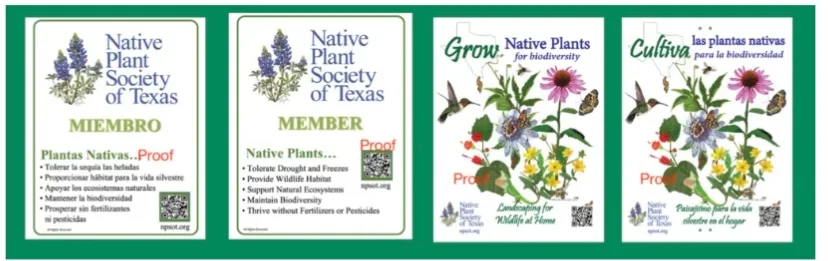
We’ve had a great response for the NPSOT Biodiversity and Members gate/garden signs. We still have 7 of the Biodiversity and 6 of the Members signs, $20 apiece, which will

About the Region

2026 Fall Symposium Logo

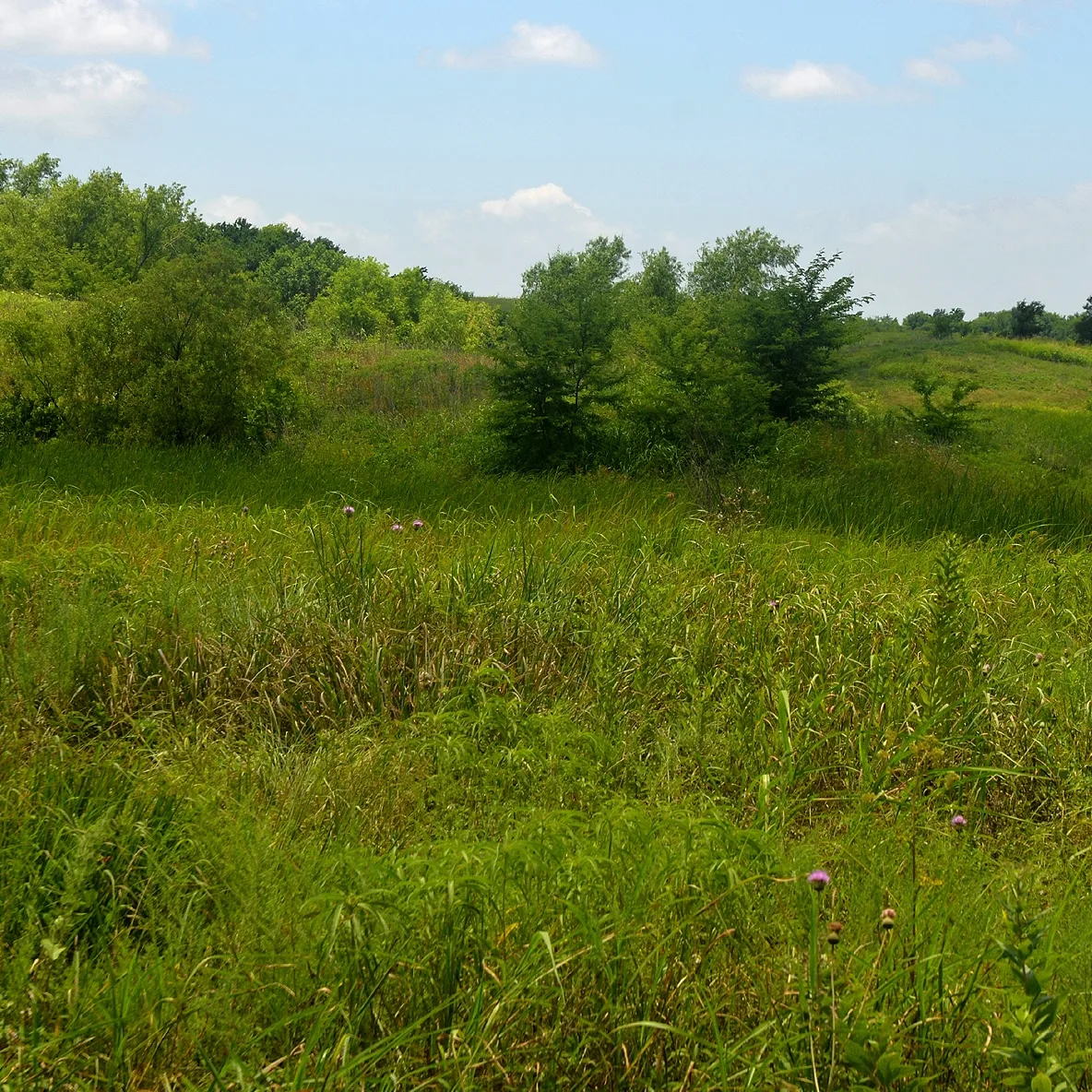
This low-elevations region of Texas extends inland from the barrier islands, about 60 or so miles, and stretches from Brownsville to Louisiana. In total, it covers about 9.5 million acres, with a high point of 150 feet in elevation. More than 1000 species of plants can be found in this region. On the southern end, species more common in Mexico (such as Sabal mexicana) and Central America occur.

The barrier islands provide us with dune systems, and clay flats to the inland side, which have species found in these areas alone. Many plants here, such as Ipomoea pes-caprae (beach morning glory), can be found throughout tropical regions of the globe. I’ve encountered the same species on the beaches of Guam.

Once inland, vast marshes and wet prairies occur. Occasionally, oak (Quercus fusiformis) groves can be found. Common grasses include species of Bothriochloa, Paspalum, and Sporobolus; eastern gamagrass (Tripsacum dactyloides); and switchgrass (Panicum species). Many rivers and creeks cut through the Gulf Prairies, and along these riparian areas various species of trees, Sabal minor, and other plants adapted to clay soils can be found. Due to overgrazing, farming, and fire suppression, woody species such as mesquite (Prosopis glandulosa) and huisache (Acacia farnesiana), and invasive species such as chinaberry (Melia azedarach), Brazilian pepper (Schinus terebinthifolius), and Chinese tallow (Sapium sebiferum) have increased and displaced our native flora.

Source: Wildflowers of Texas by Michael Eason