

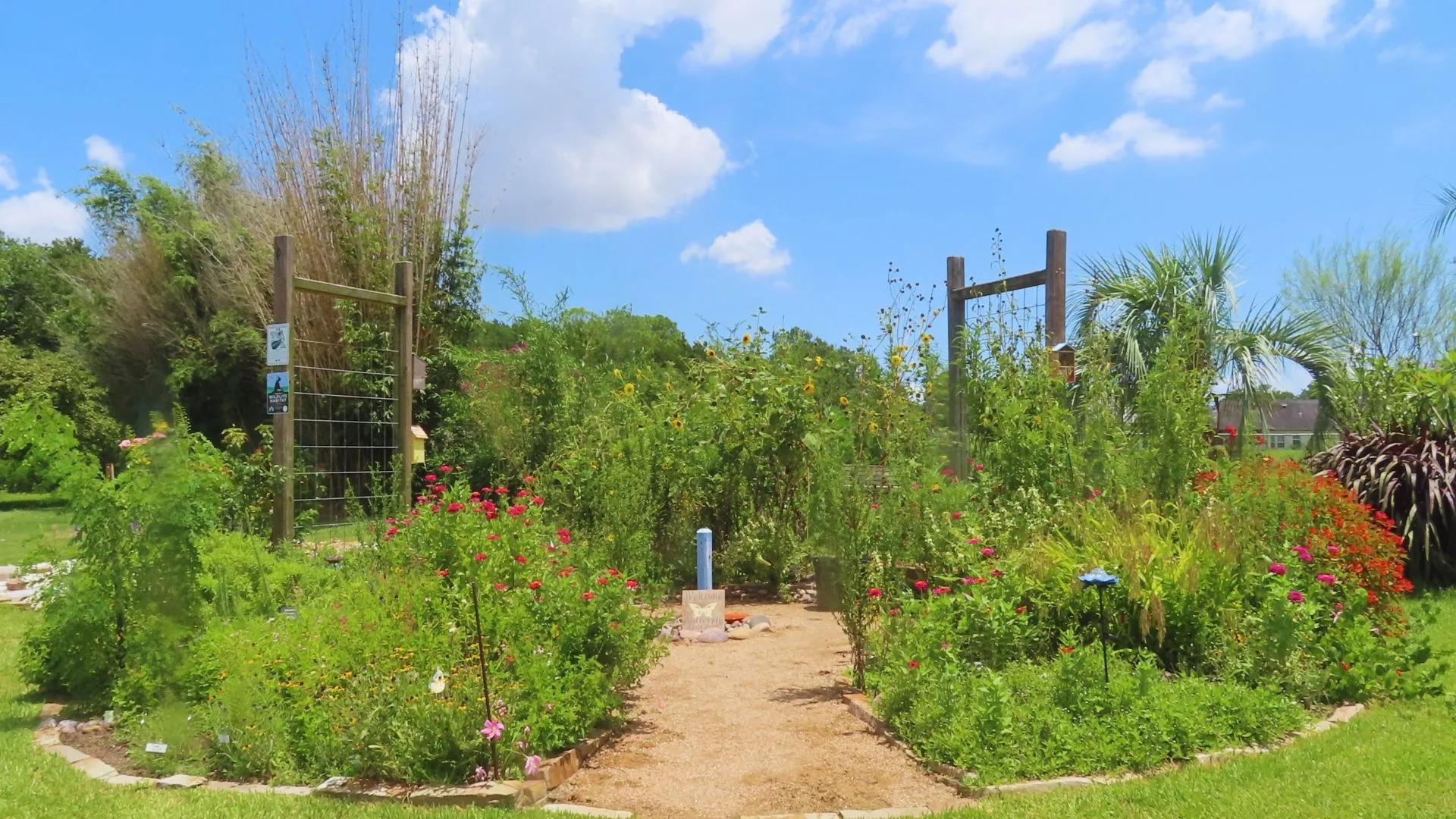
We are thrilled to announce the six grant winners for our chapter’s Native Pollinator Habitat Grant Program. Each of these projects demonstrates a strong commitment to fostering native pollinator habitats and furthering the cause of environmental conservation in our community.
Here are the recipients:
JP Cornelius Elementary PTO (Houston ISD): This initiative promises to create a thriving native pollinator garden at JP Cornelius Elementary, enriching the learning environment for students while supporting local wildlife.
Environmental Institute of Houston (UHCL): The Environmental Institute of Houston’s project aims to restore vital prairie/savanna ecosystems, providing a valuable educational resource and habitat for pollinators.
Galveston County Master Gardeners (Carbide Park): The project led by the Galveston County Master Gardeners at Carbide Park is centered on enhancing a pollinator habitat within the Discovery Garden. This initiative will not only provide essential support to local pollinators but also offer valuable learning opportunities for visitors.
Friendswood Jr High (Friendswood ISD): Friendswood Jr High’s project will create an engaging and educational native pollinator garden, fostering a connection between students and the environment.
Ward Elementary (Clear Creek ISD): Ward Elementary’s grant will support the development of a native pollinator habitat, providing a hands-on learning experience for students and benefitting local pollinators.
UHCL Green Thumb League (student organization): The UHCL Green Thumb League will be instrumental in creating a vibrant native pollinator garden, fostering a sense of environmental stewardship among students.
Our Education Committee is proud to support these incredible projects that contribute to the conservation of our local ecosystems and the education of future generations. For more information about the Education Committee and the Native Pollinator Habitat Grant Program, please visit our web page.
Congratulations to the grant winners and thank you for your dedication to pollinator habitat conservation! Together, we are making a positive impact on our environment and community.
