

Sweetbay Magnolia

Magnolia virginiana

Other common name(s):

Sweetbay, Southern Sweetbay, Swampbay, Swamp Magnolia, Sweet Magnolia, Small Magnolia, Laurel Magnolia, White Bay, White Laurel, Swamp Laurel, Beaver Tree

Family:

Magnoliaceae (Magnolia Family)

Plant Ecoregion Distribution Map

This map uses data from the US EPA. EPA  servers have been offline frequently so maps may not display. We are working on a solution.

Western Gulf Coastal Plain
Flatwoods, Southern Tertiary Uplands

Plant Characteristics

Growth Form

Tree

Height

10
to
20
ft.

Spread

10
to
15
ft.

Leaf Retention

Semi Evergreen

Lifespan

Perennial

Habitat and Care Requirements

Soil Type(s)

Sand, Loam, Clay, Poor Drainage, Moist

Light Requirement

Sun, Part Shade

Water Requirement

Medium

Native Habitat

Woodland, Wetland or Riparian

Bloom and Attraction

Bloom Color

White

Bloom Season

Spring, Summer

Seasonal Interest

Seeds, Nectar, Pollen, Larval Host

Wildlife Benefit

Beetles, Butterflies, Birds, Moths

Maintenance

Slow growing. Prune after blooming during the growing season because dormant magnolias do not easily heal. Can also handle Houston monsoons. Propagation: seed, semi-hardwood cutting.

Comments

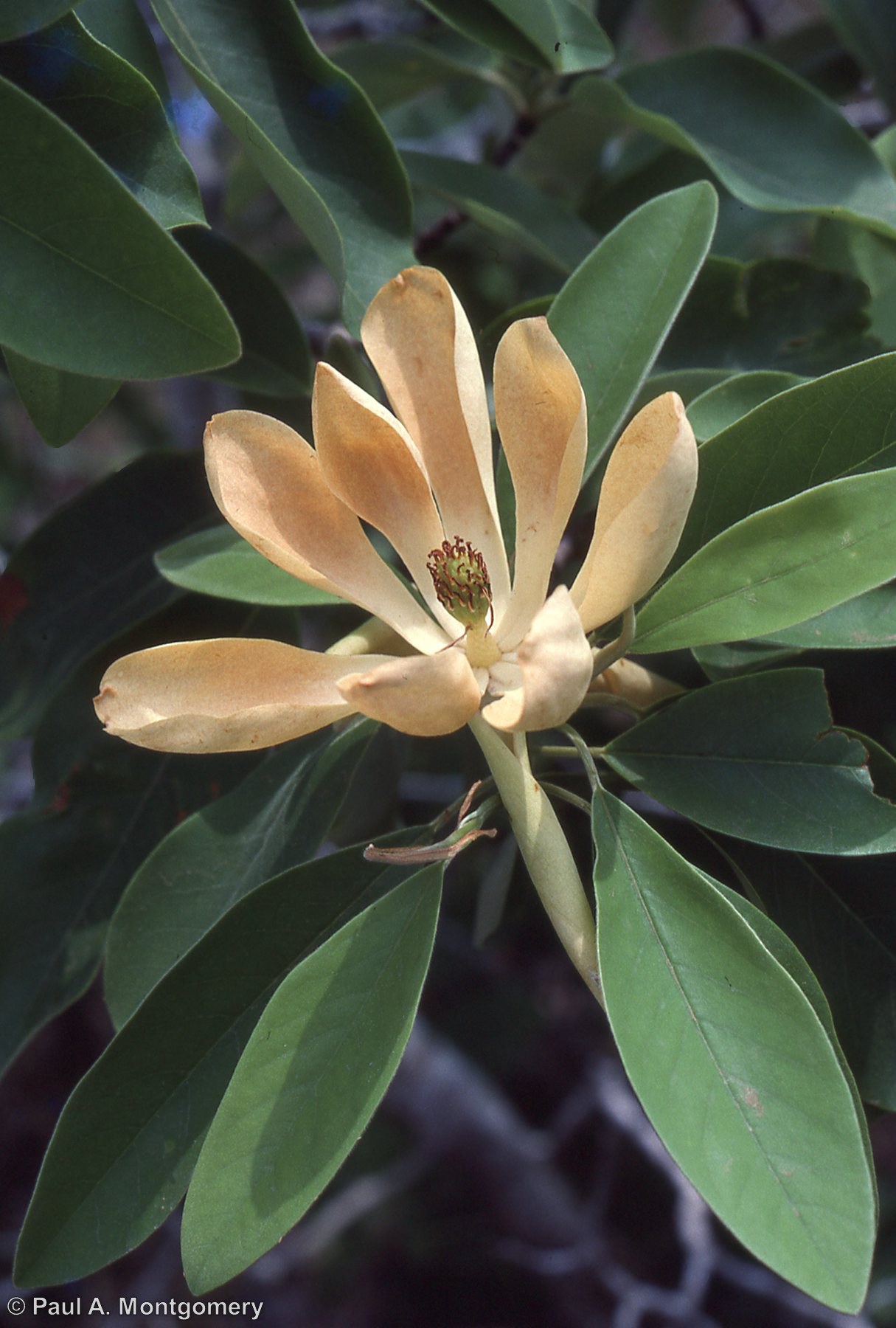
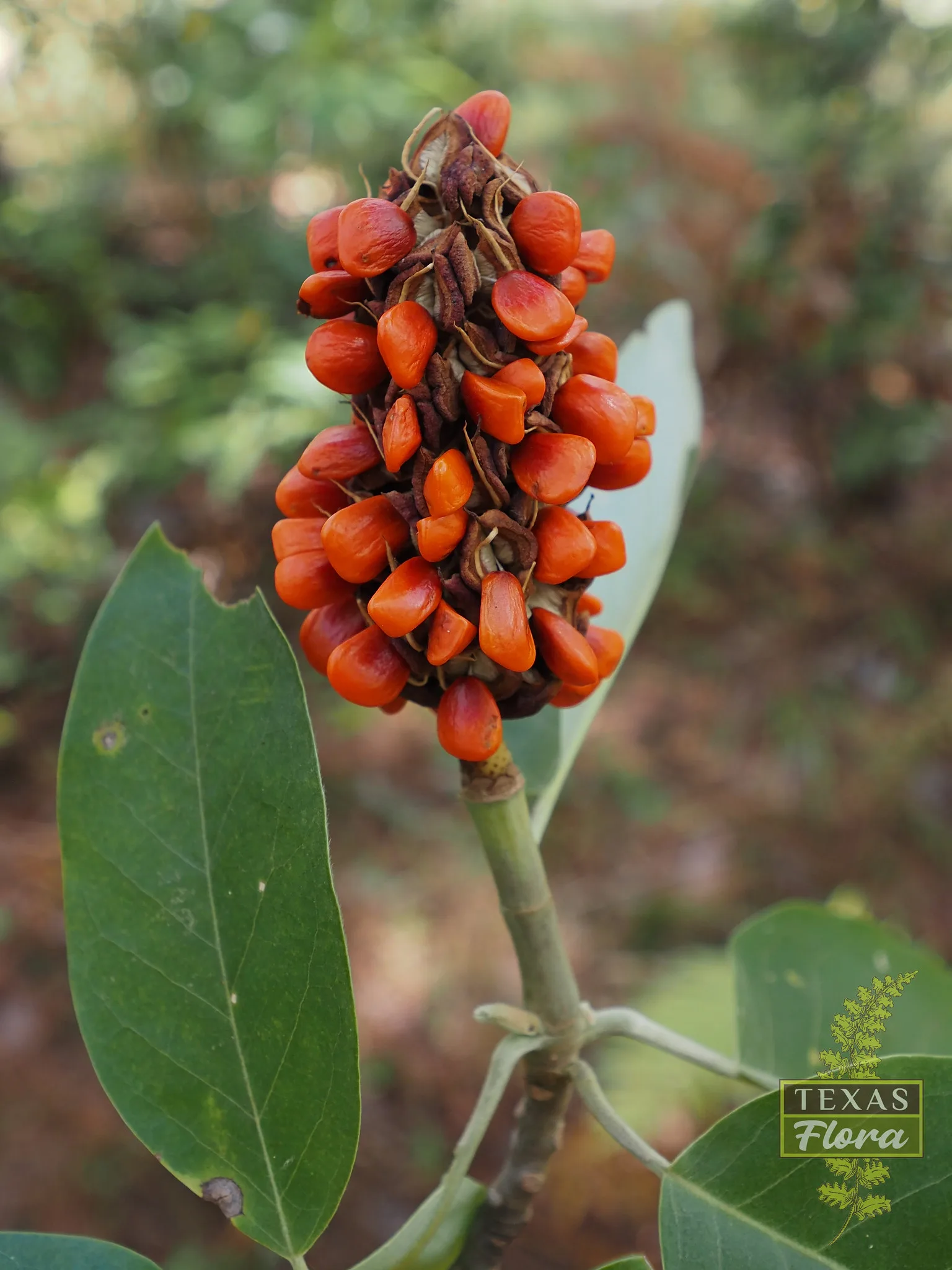
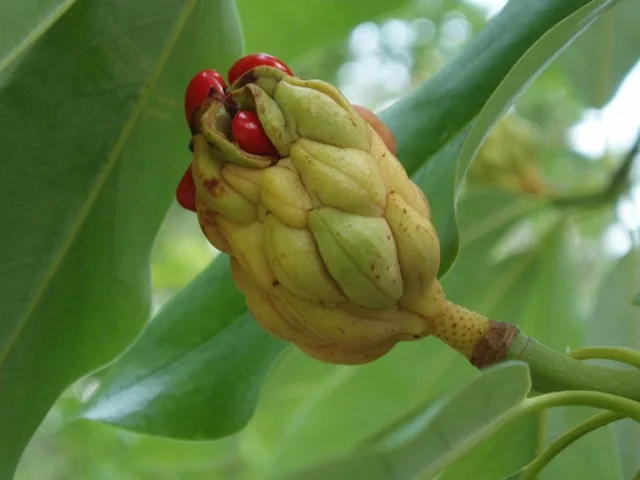
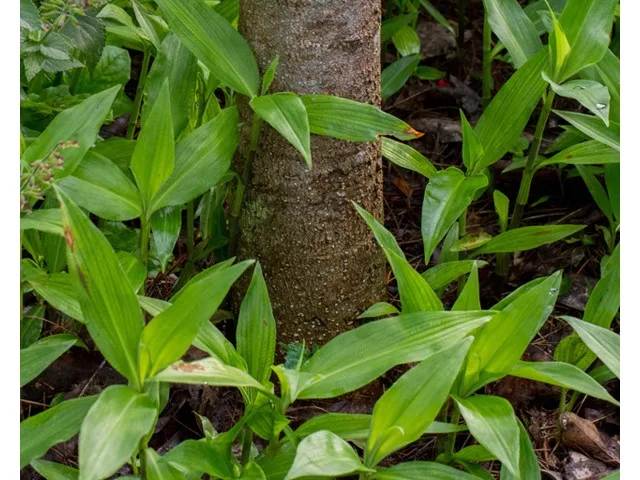
Blooms April-July. A multi-trunked tree with smooth gray bark. Smaller than Southern Magnolia (M. grandiflora), Sweetbay is a good size for small yards. Leaves are thinner with white undersides, turning yellow/brown in winter, with a spicy aroma. Four to six-inch white blooms have a lemony fragrance, developing over 3 days. Red seeds are clustered on a 2″ oval woody cone. Larval host: Sweetbay Silkmoth, Tiger, and Spicebush Swallowtail butterflies.
Previous Scientific Name(s): Magnolia virginiana var. australis, Magnolia virginiana var. parva
Material Treatment Method Collection References
Softwood Cutting Wound one side and apply rooting hormone to encourage root development. Plant the cuttings in a well-draining soil mix and keep them moist by misting. Cuttings should only be placed deep enough to support themselves while allowing light and air to aid root growth. Optimal soil temperature is 75-78 degrees F. Rooting occurs in 6-8 weeks. Cut a stem tip 6-8 inches long in late spring to early summer, ensuring the cutting has at least two leaf nodes but no flowers. 1) https://earthone.io/plant/magnolia%20virginiana 2) https://hort.ifas.ufl.edu/database/lppi/sp245.shtml 3) https://www.forwardplant.com/care/propagate/magnolia-virginiana/ 4) https://greg.app/propagate-sweet-bay-magnolia/
Seed Stratification First scarify the seeds (see below). Stratify the seeds by placing them in the refrigerator for 30 to 60 days to mimic winter conditions, which is essential for successful germination. Seed is normally sown in summer, but spring sowing is best in areas where rodents are a problem. Seeds should only be lightly covered with soil. Mulch seed-beds and keep shaded 50% the first summer. Germination takes 3-4 weeks. Collect seed in autumn. 1) https://hort.ifas.ufl.edu/database/lppi/sp245.shtml 2) https://www.forwardplant.com/care/propagate/magnolia-virginiana/ 3) https://greg.app/propagate-sweet-bay-magnolia/
Seed Scarification Scrub the seeds with a damp cloth to remove the red coating. A light sandpapering will help them absorb water and encourage germination. Stratify the seeds (see above). Soak the seeds in water for 24 hours before planting. Seeds should be planted in a well-draining acidic potting mix and only lightly covered with soil. Collect seed in late summer to early fall, when the cones have turned brown and are fully mature. 1) https://greg.app/propagate-sweet-bay-magnolia/ 2) https://hort.ifas.ufl.edu/database/lppi/sp245.shtml
Semi-harwood Layering Make a cut around the bark about 1 inch wide. This ring will help the plant focus its energy on root development. After that apply rooting hormone to the exposed area. Finally, wrap the cut section with moist sphagnum moss and cover it with plastic wrap. This creates a mini greenhouse effect, keeping the moisture in and promoting rooting. Ensure that the environment is humid and receives indirect sunlight. Once roots become visible—usually within 6 to 12 weeks—it's time to separate the new plant. Cut below the rooted area and transplant it into a suitable pot. The best time to attempt air layering is during late spring to early summer, which aligns with the plant's active growth phase. Start by selecting healthy, flexible branches that can easily bend without breaking. https://greg.app/propagate-sweet-bay-magnolia/

About the Region

Fall Symposium 2025 Logo - Teach for the Future

Salado, the location of our Fall 2025 Symposium, lies at the intersection of two ecoregions: the Edwards Plateau (Limestone Cut Plain) and Blackland Prairie (Northern Blackland Prairie).

The Edwards Plateau area is also called the Hill Country; however, this general term covers a much larger area extending farther north. Spring-fed creeks are found throughout the region; deep limestone canyons, rivers, and lakes (reservoirs) are common. Ashe juniper is perhaps the most common woody species found throughout the region. Additional woody species include various species of oak, with live oak (Quercus fusiformis) being the most common. Sycamores (Platanus occidentalis) and bald cypress (Taxodium distichum) border waterways. This area is well known for its spring wildflower displays, though they may be viewed in spring, late summer, and fall, as well. According to Texas Parks and Wildlife, average annual rainfall in the Edwards Plateau ranges from 15 to 34 inches.

The Blackland Prairie extends from the Red River south to San Antonio, bordered on the west by the Edwards Plateau and the Cross Timbers, and on the east by the Post Oak Savannah. Annual rainfall averages 30 to 40 inches, with higher averages to the east. This region is dominated by prairie species. The most common grass species include little bluestem (Schizachyrium scoparium) and Indian grass (Sorghastrum nutans) in the uplands and switchgrass (Panicum virgatum) in the riparian areas and drainages. Common herbaceous flowering plants include salvias, penstemons, and silphiums. This area has suffered greatly from overgrazing and agricultural use. Few intact areas remain, though many of the plants can be found along county roadsides throughout the region.

Our fall Symposium host chapter, the Tonkawa Chapter, includes both of these ecoregions.

Source: Wildflowers of Texas by Michael Eason