Big Bend Chapter

Programs: January – April, 2024

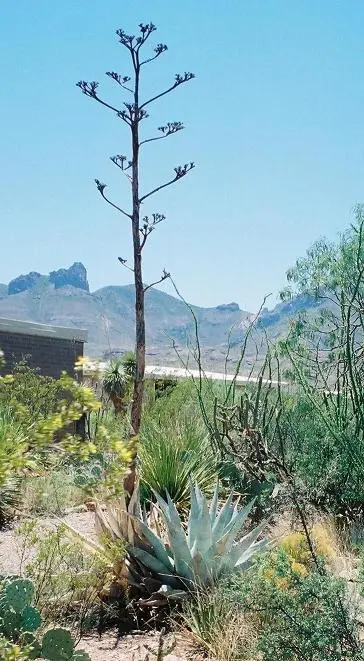
Image of tall agave stalk, mountains in the background

[from Tom Kennedy, Acting Program Manager]

Greetings to Big Bend NPSOT Chapter Members.

I would like to give you an update on the state of our chapter. Our activity has waned in the fall months of 2023 due to a number of staff medical issues. We are happy to report that we will have a number of spring programs for the chapter. The Spring program schedule is listed below. And yes!, we will have a plant sale this year. Please save the date for the program you are interested in attending.

We are in need of volunteers to assist in operating the chapter for 2024. If interested please contact Tom Kennedy at big-bend-chapter@npsot.org

Spring 2024 NPSOT Big Bend Chapter Schedule

January 13

Name: Plants for Birds in the Big Bend

Presenter: Maureen Frank, Borderlands Research Institute

Location: Alpine Library AEP room

Time: 1:00 to 3:00 PM

February 24

Name: Permaculture

Presenter: Kelon Crawford, Eric Hamm

Location: Alpine Library AEP room

Time: 10:00 to 12:00AM

March 23

Name: Field Trip to Alamito Creek Preserve

Presenter: Philip Boyd, Dixon Water Foundation

Location: TBD

Time: TBD

April 13

Name: Boot Ranch Hike

Presenter: Patty Manning, Twin Sisters Nursery

Location: TBD

Time: TBD

April 27

Name: Plant Sale

Location: TBD

Time: TBD

More details will be sent two weeks before each program.

Thank You,

Tom Kennedy, Acting Program Manager
About the Region

Fall Symposium 2025 Logo - Teach for the Future

Salado, the location of our Fall 2025 Symposium, lies at the intersection of two ecoregions: the Edwards Plateau (Limestone Cut Plain) and Blackland Prairie (Northern Blackland Prairie).

The Edwards Plateau area is also called the Hill Country; however, this general term covers a much larger area extending farther north. Spring-fed creeks are found throughout the region; deep limestone canyons, rivers, and lakes (reservoirs) are common. Ashe juniper is perhaps the most common woody species found throughout the region. Additional woody species include various species of oak, with live oak (Quercus fusiformis) being the most common. Sycamores (Platanus occidentalis) and bald cypress (Taxodium distichum) border waterways. This area is well known for its spring wildflower displays, though they may be viewed in spring, late summer, and fall, as well. According to Texas Parks and Wildlife, average annual rainfall in the Edwards Plateau ranges from 15 to 34 inches.

The Blackland Prairie extends from the Red River south to San Antonio, bordered on the west by the Edwards Plateau and the Cross Timbers, and on the east by the Post Oak Savannah. Annual rainfall averages 30 to 40 inches, with higher averages to the east. This region is dominated by prairie species. The most common grass species include little bluestem (Schizachyrium scoparium) and Indian grass (Sorghastrum nutans) in the uplands and switchgrass (Panicum virgatum) in the riparian areas and drainages. Common herbaceous flowering plants include salvias, penstemons, and silphiums. This area has suffered greatly from overgrazing and agricultural use. Few intact areas remain, though many of the plants can be found along county roadsides throughout the region.

Our fall Symposium host chapter, the Tonkawa Chapter, includes both of these ecoregions.

Source: Wildflowers of Texas by Michael Eason