Boerne Chapter

Boerne Chapter Brown Ranch Field Trip May 23

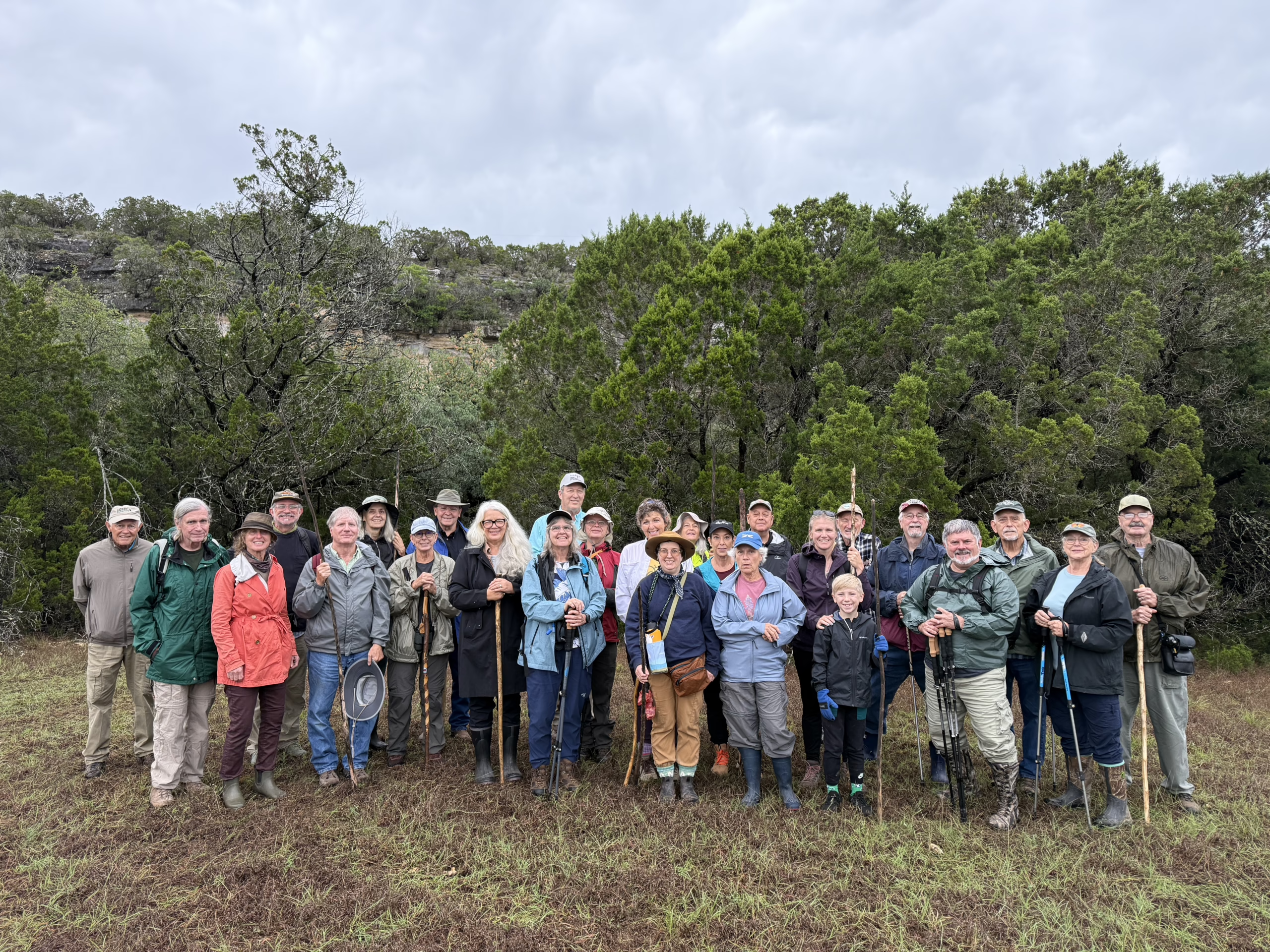
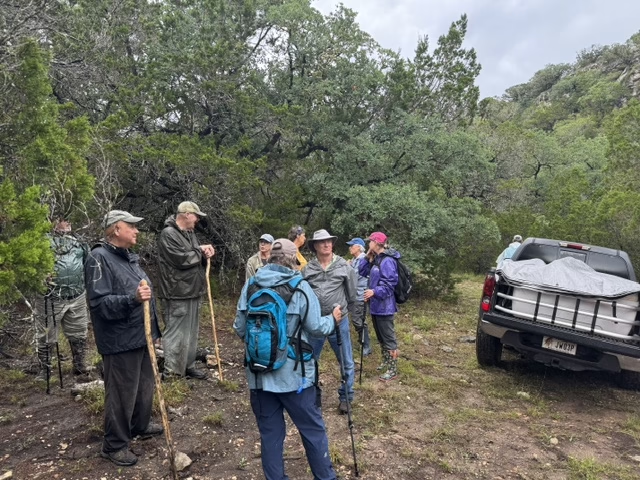
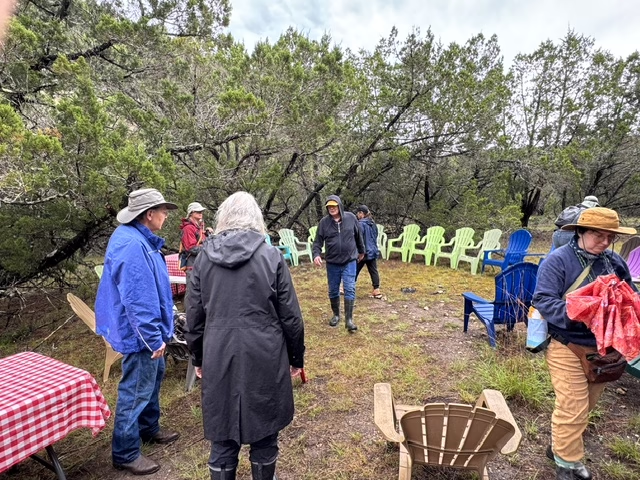
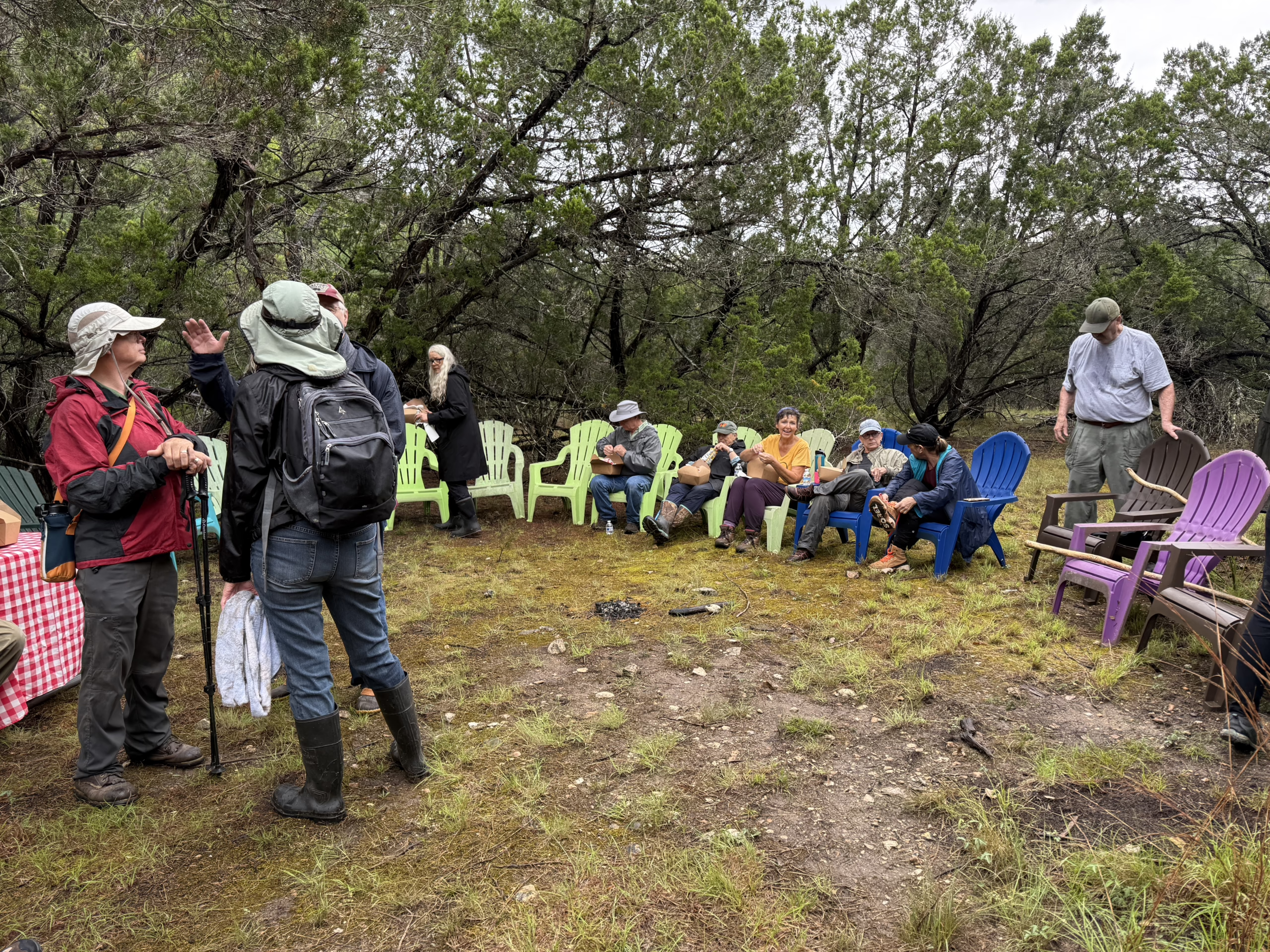
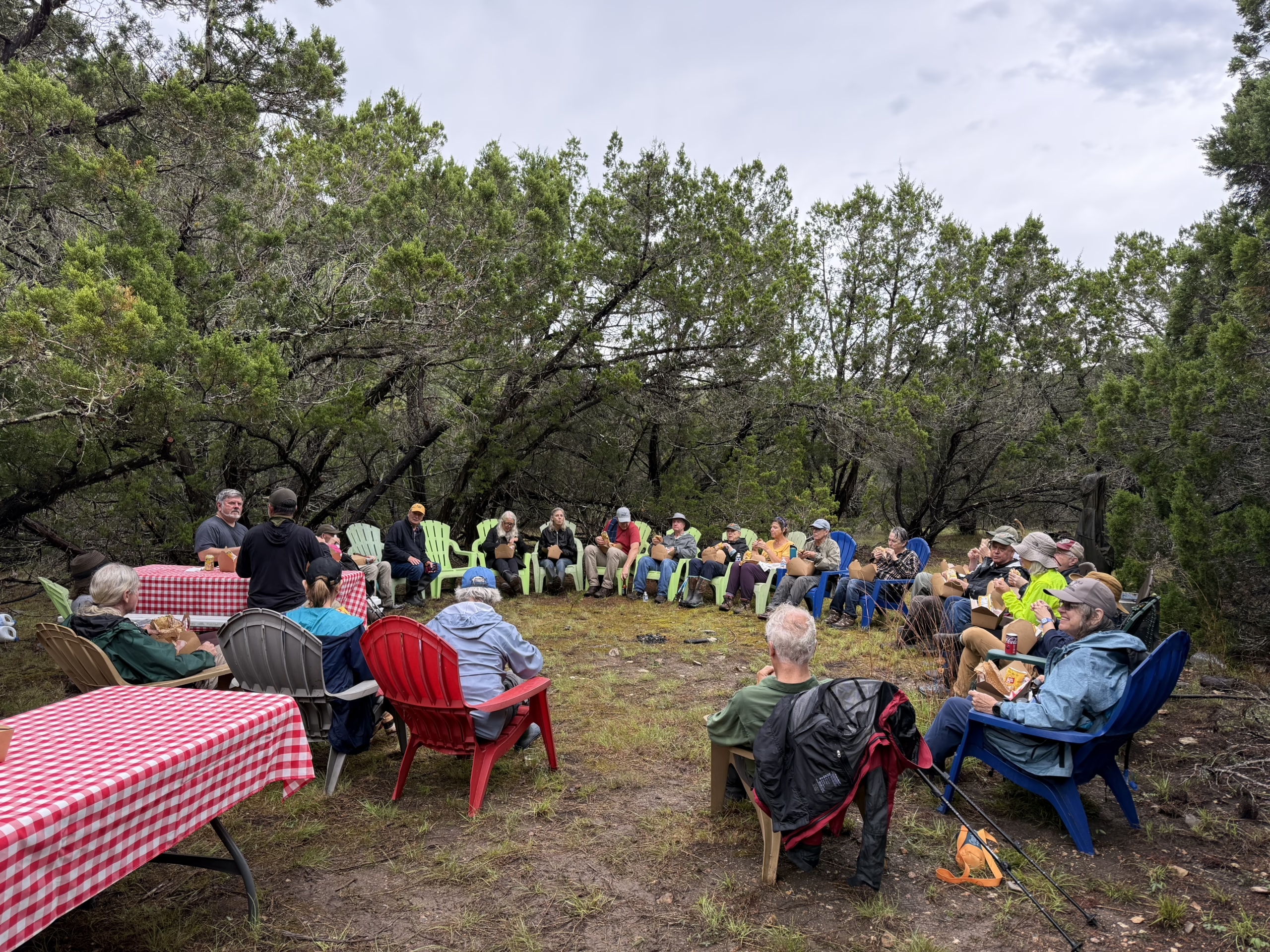
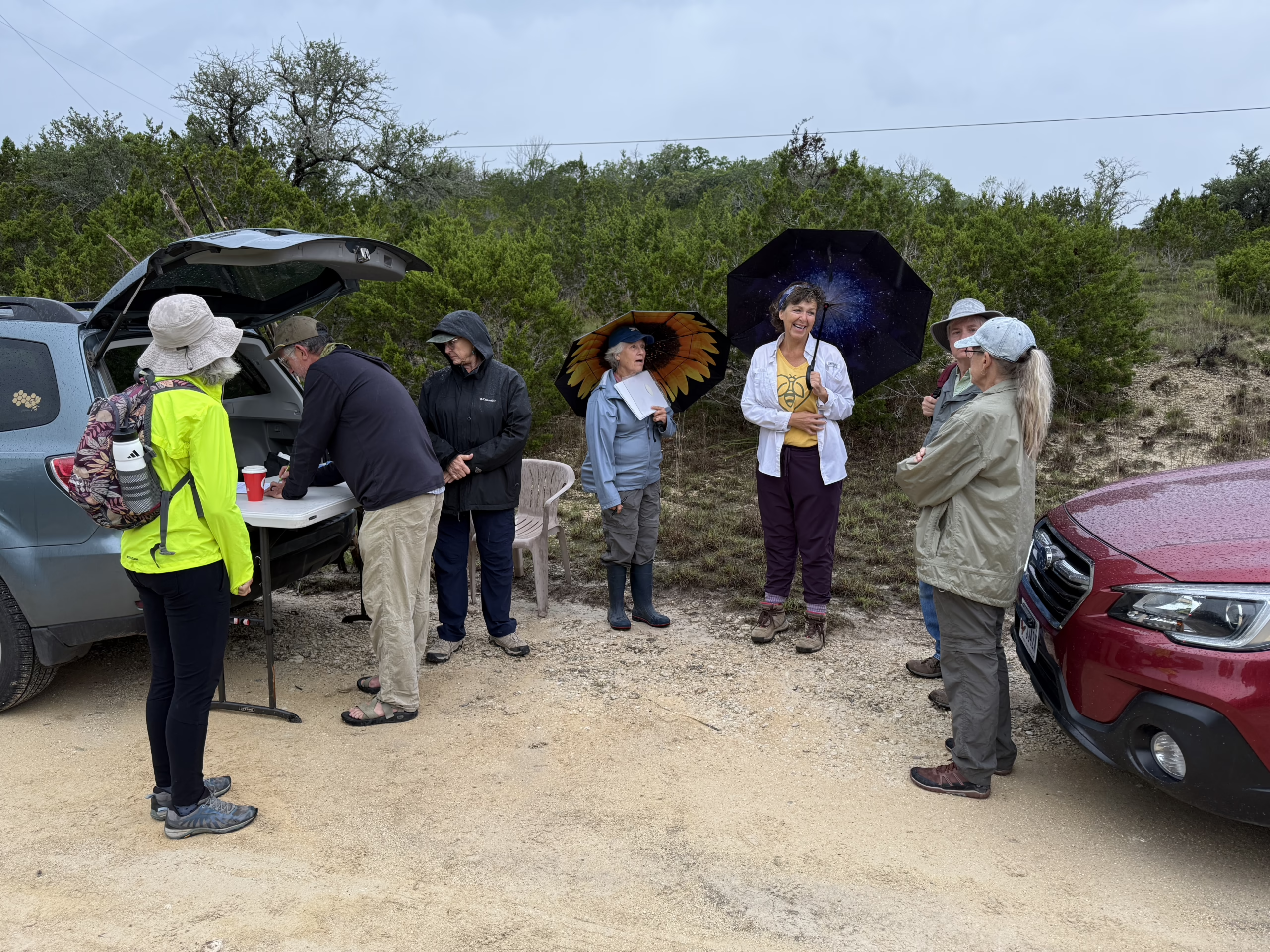
A huge thank you to Gary Rogers and Stu Brown for hosting our field trip at the Brown Ranch on Saturday, May 23, 2026.

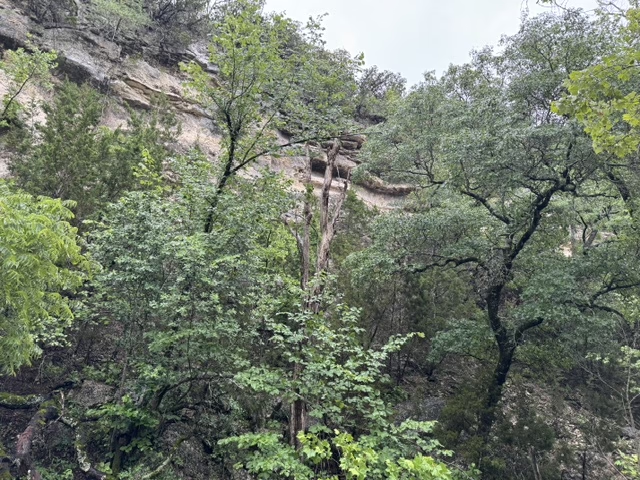
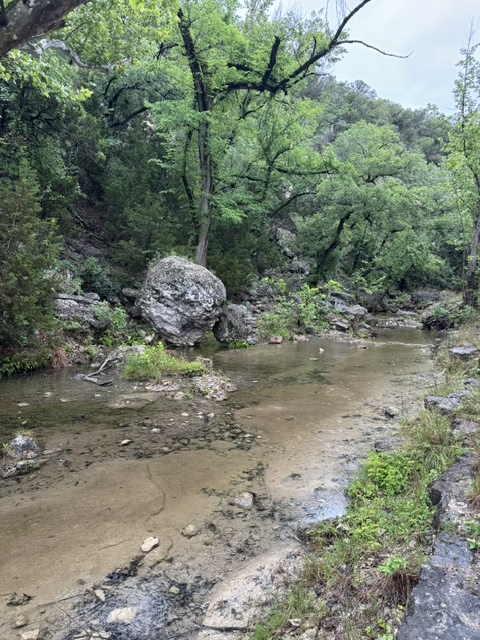
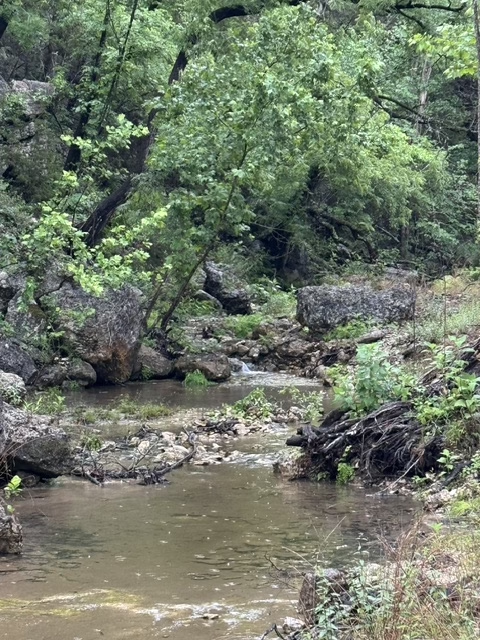
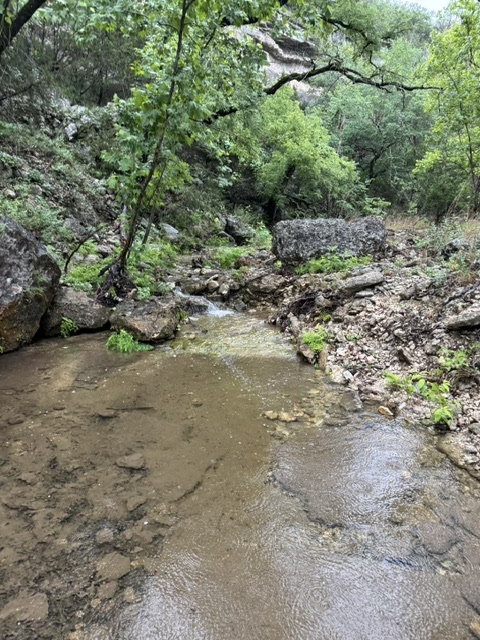
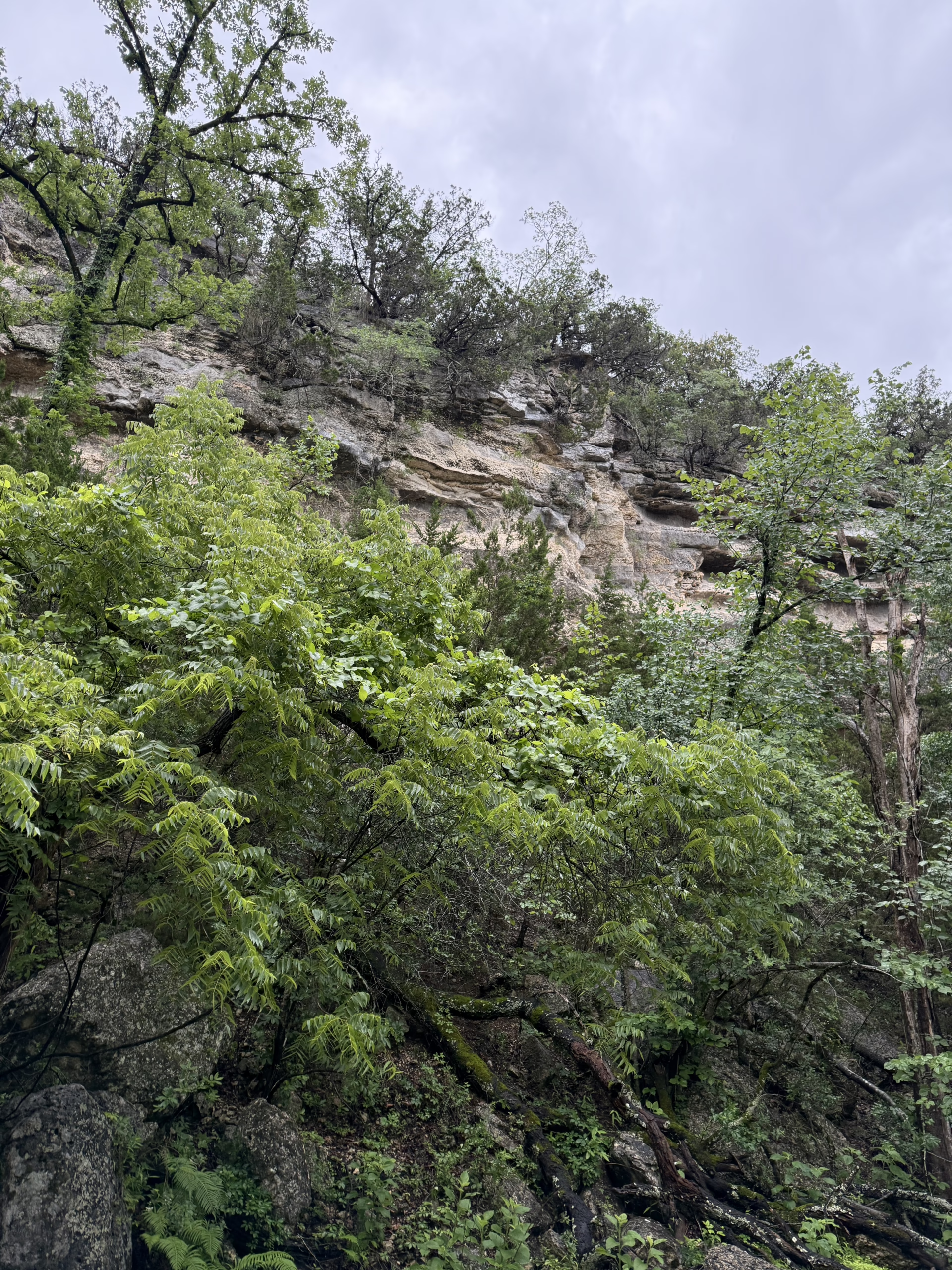
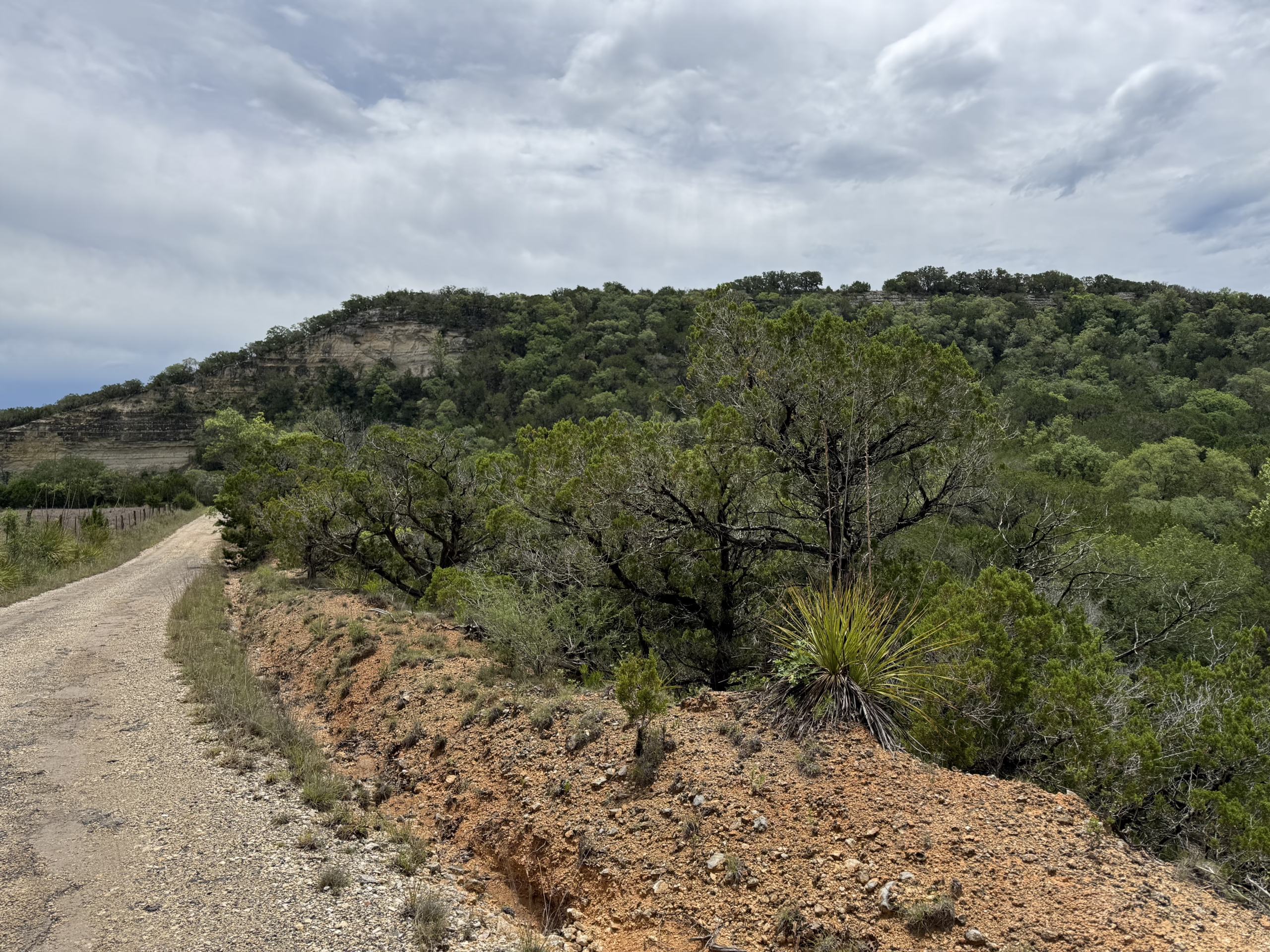
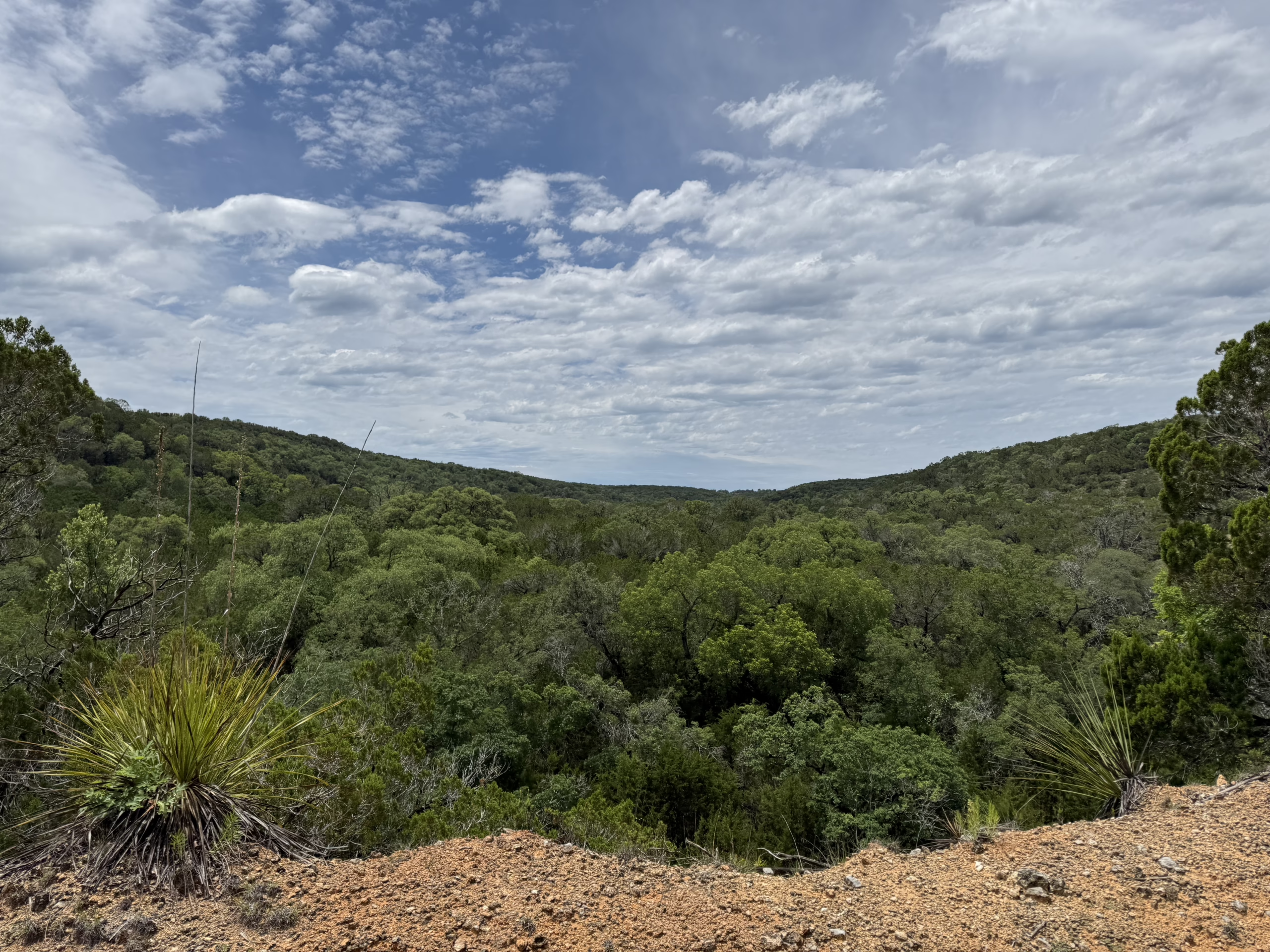
The Brown ranch is a 1,000+ acre permanently conserved private ranch. It is one of three ranches located at the end of Upper Cibolo Creek Road. Together, these ranches form a box canyon known as the headwaters of Cibolo Creek.

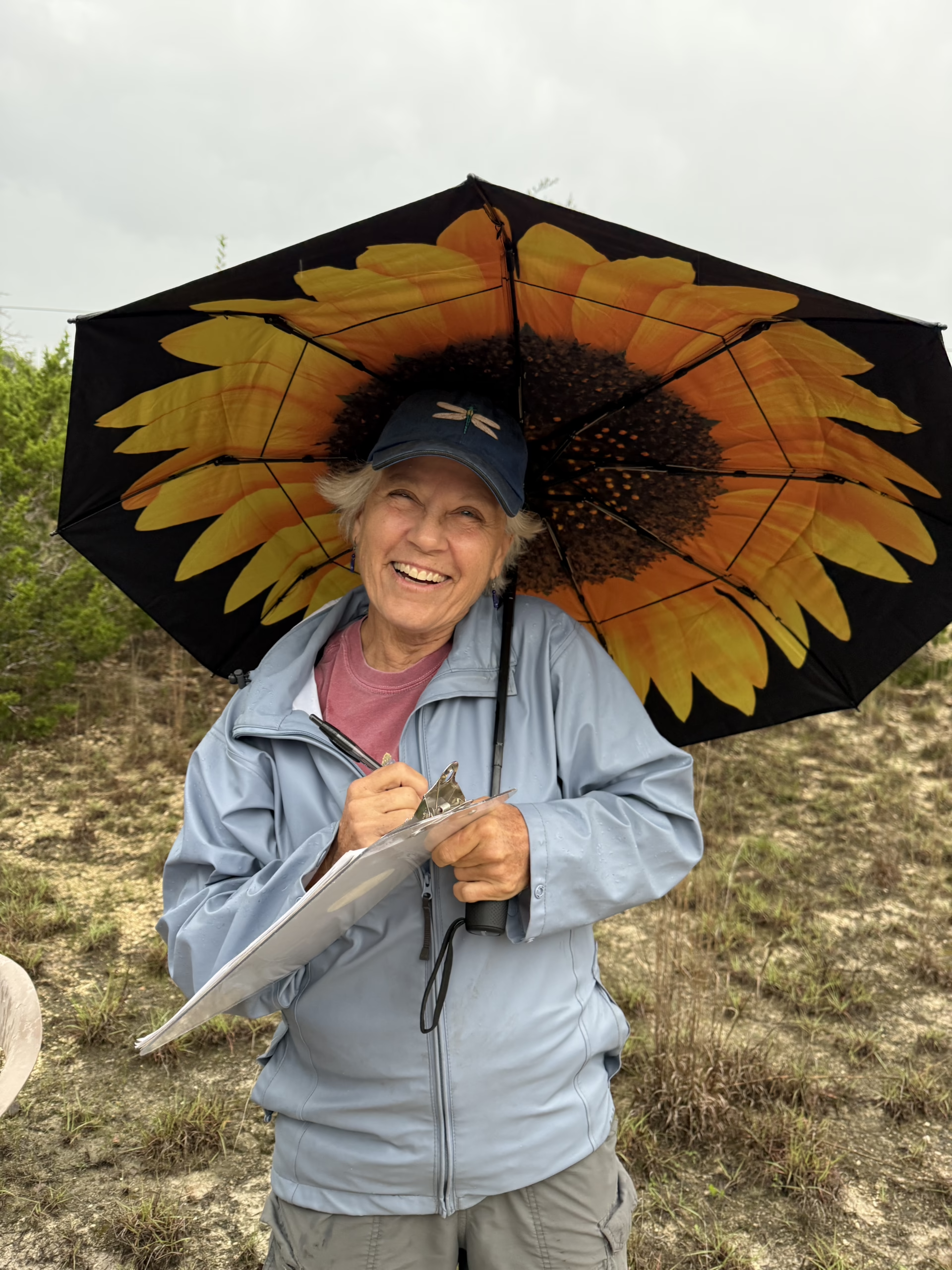
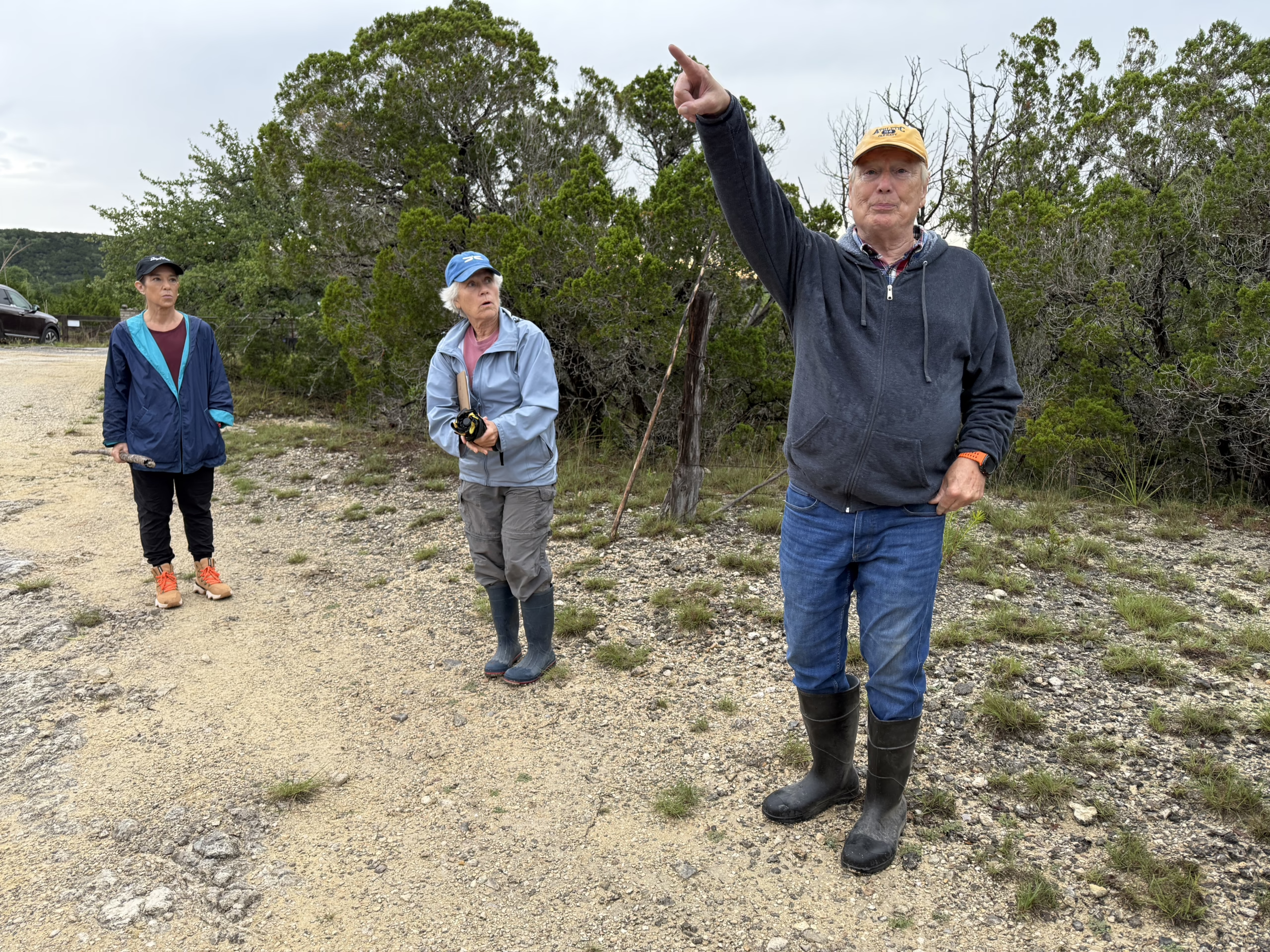
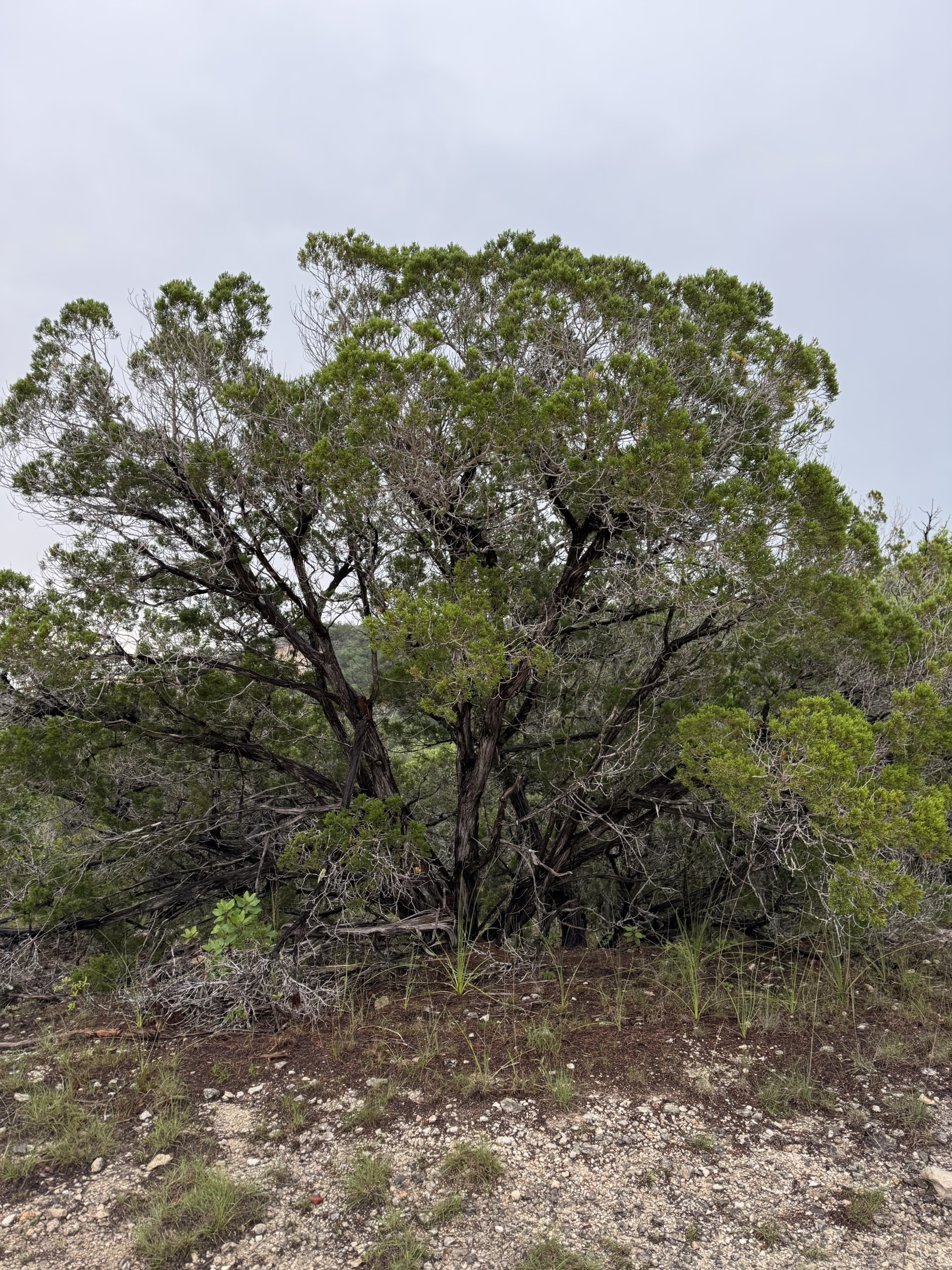
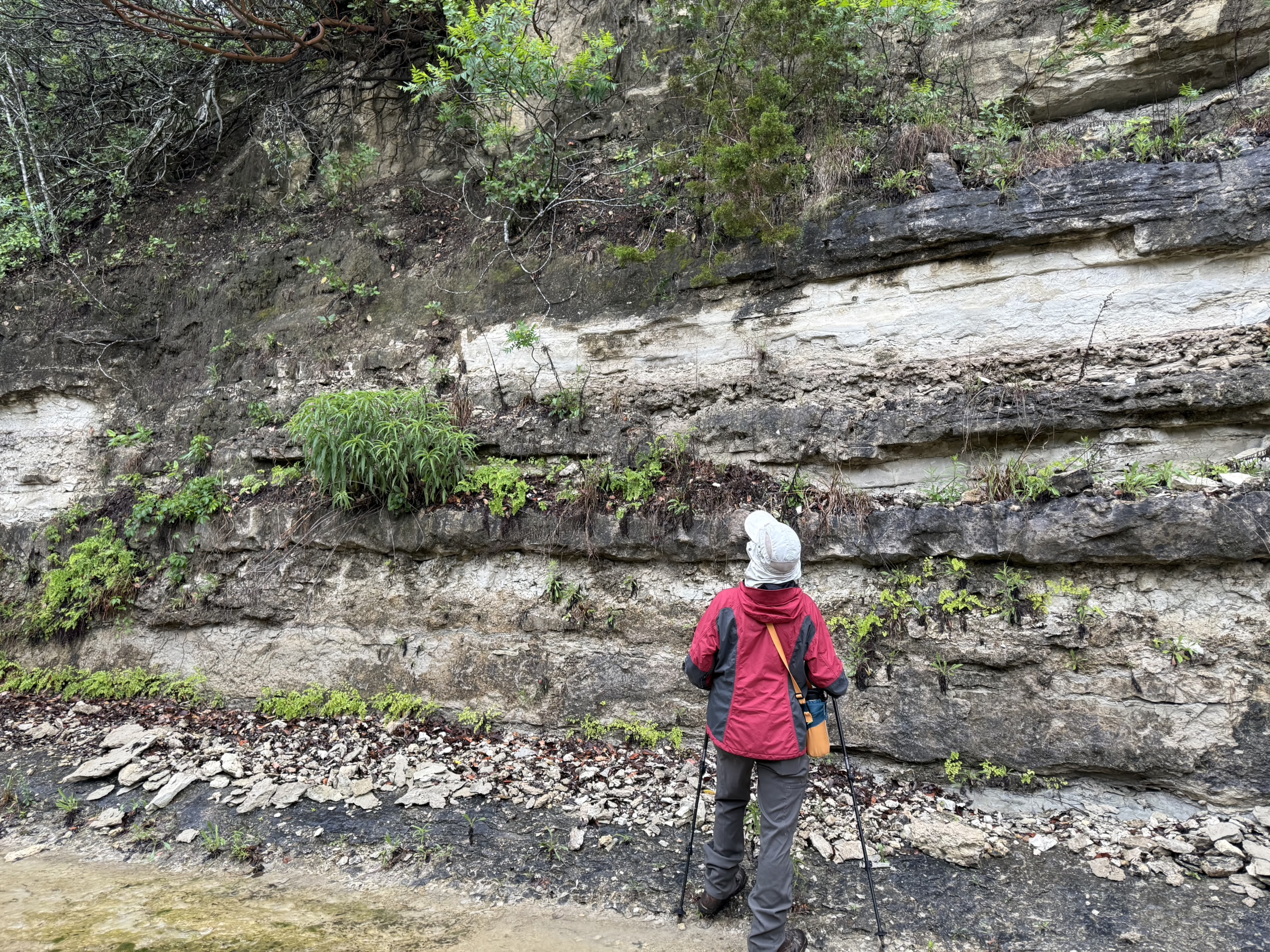
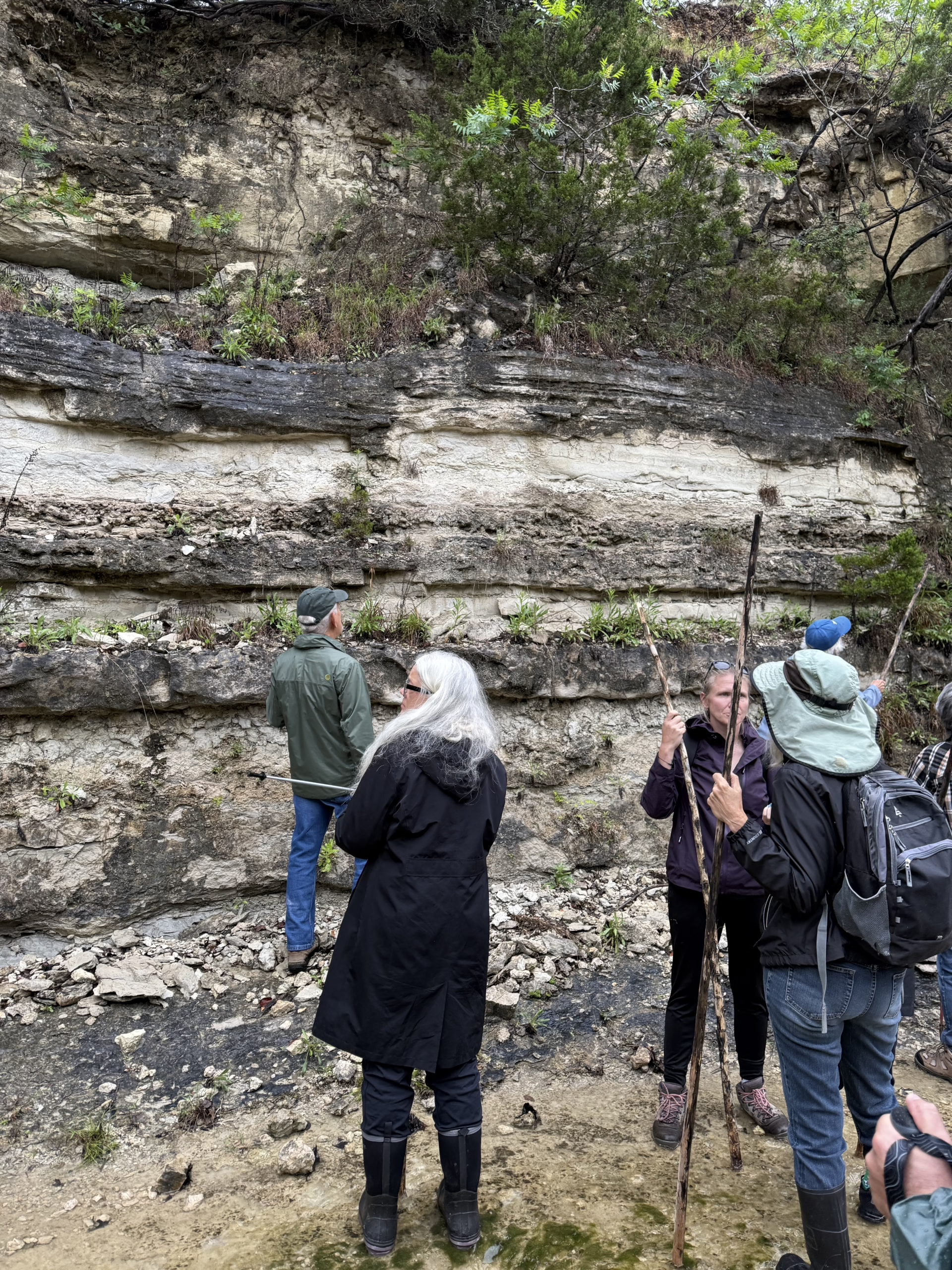
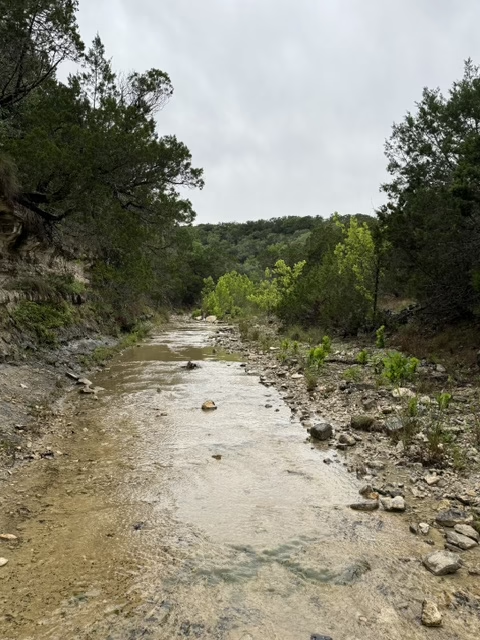
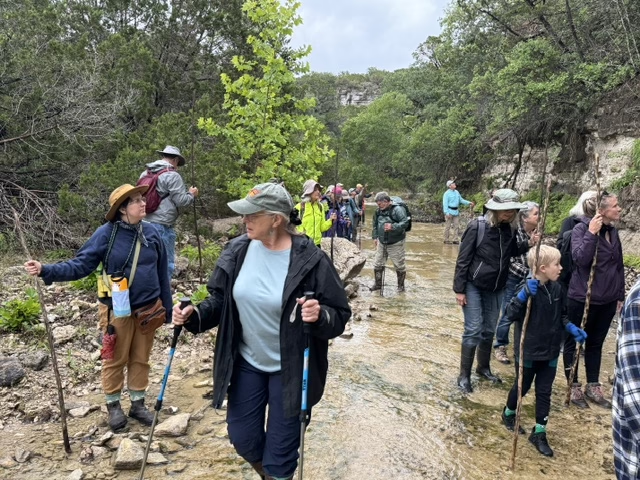
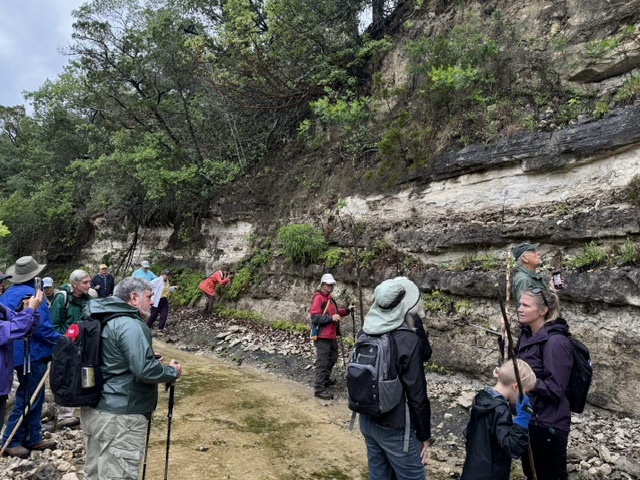
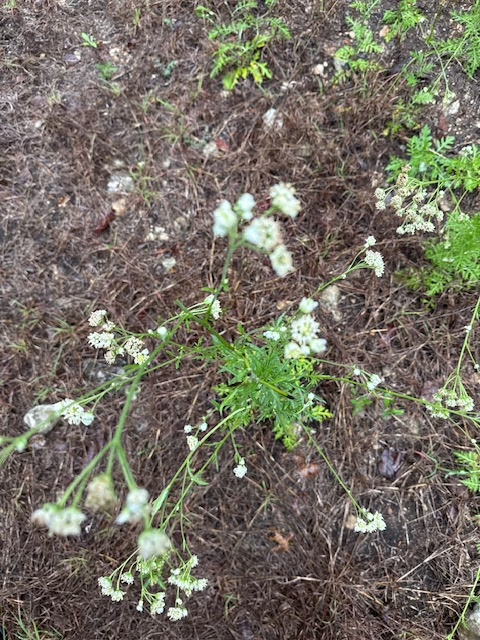
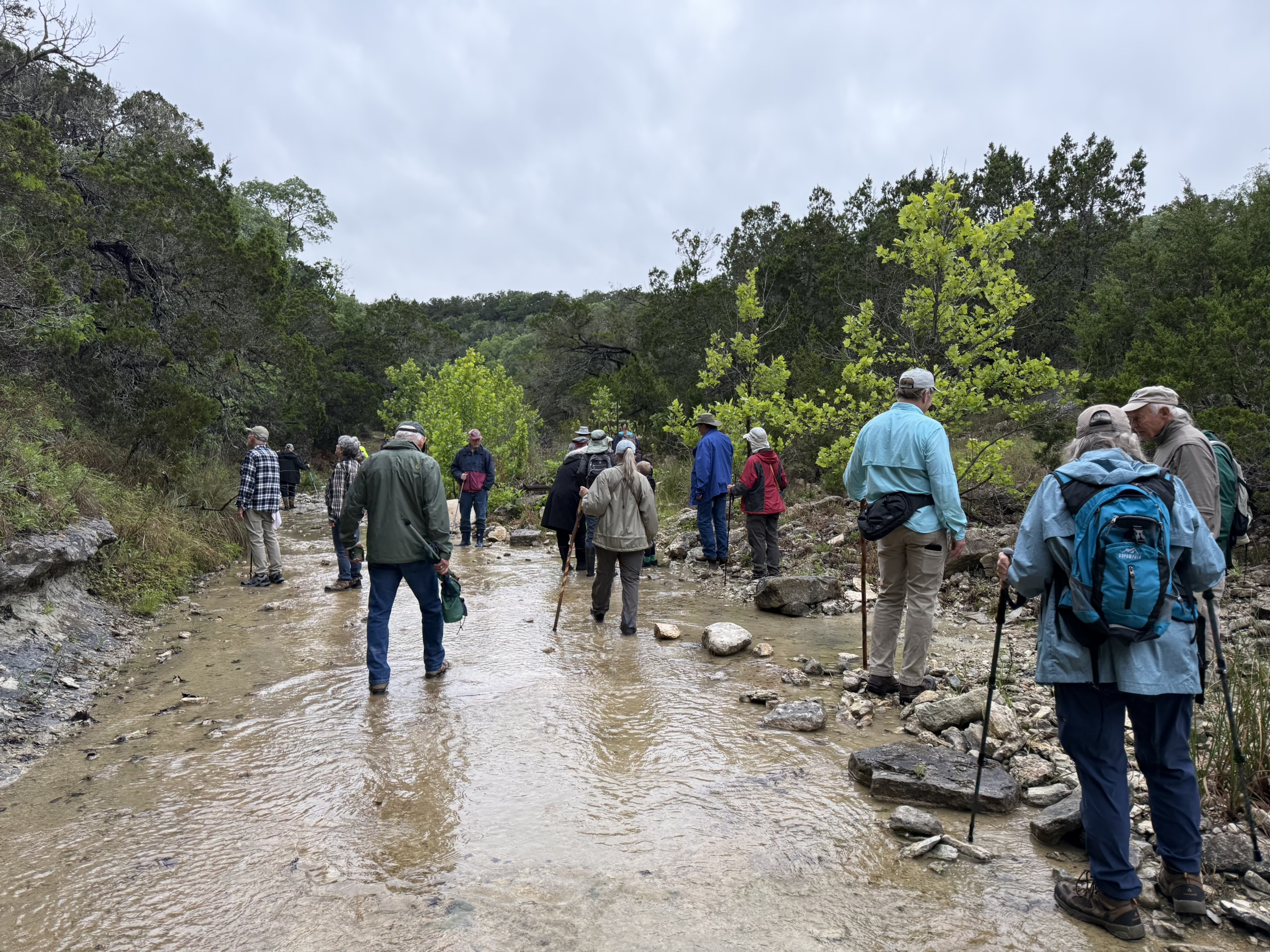
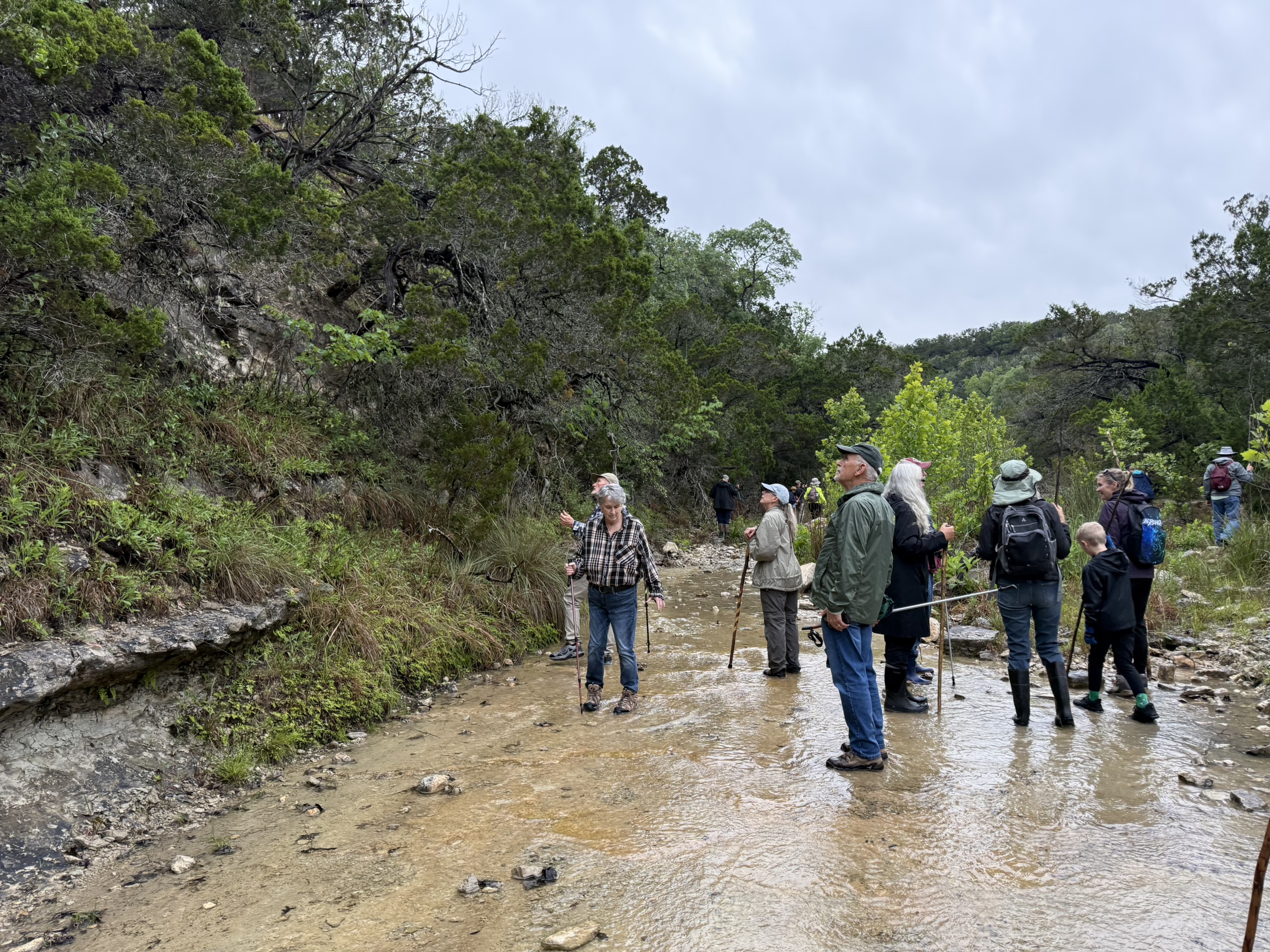
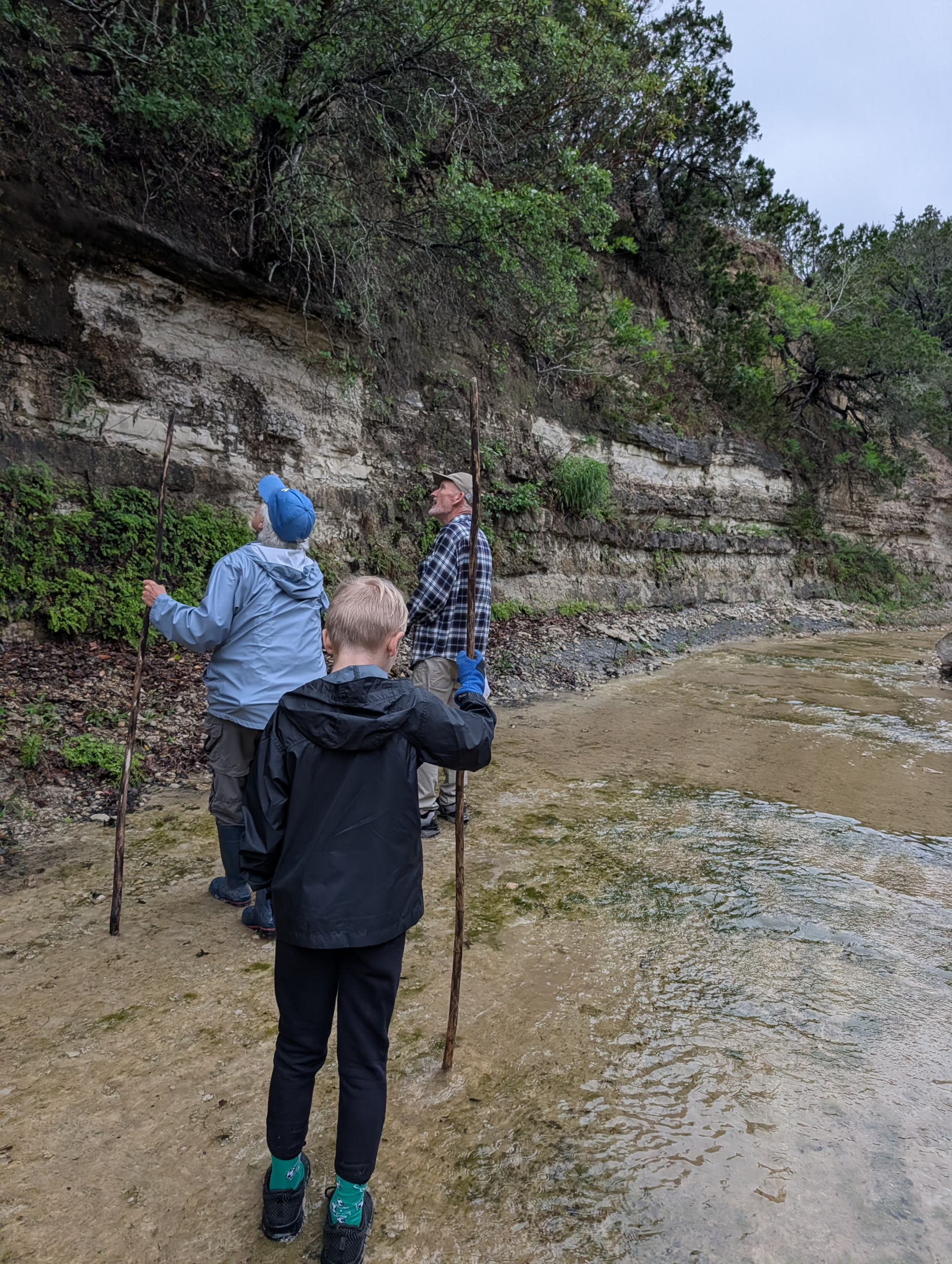
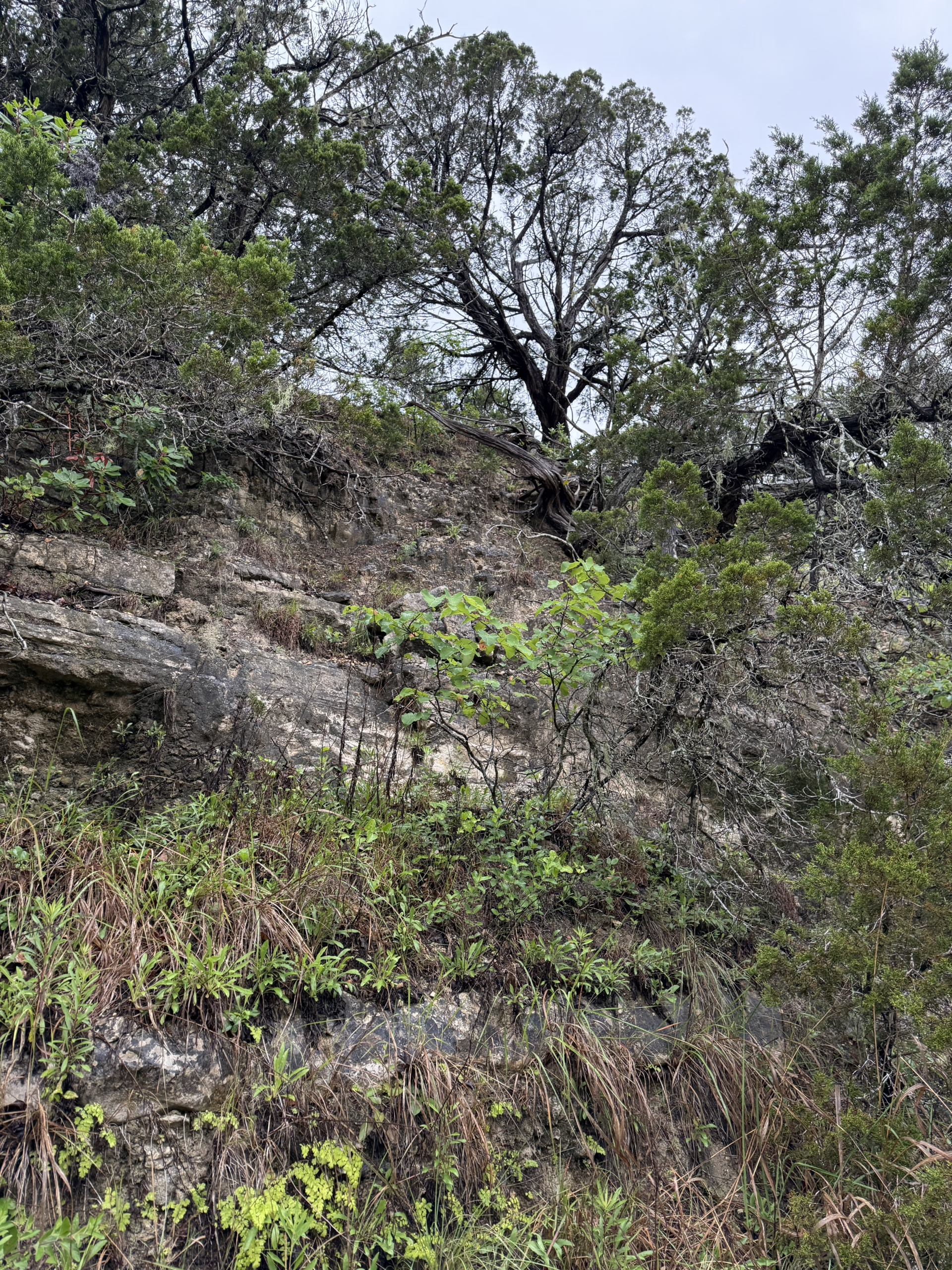
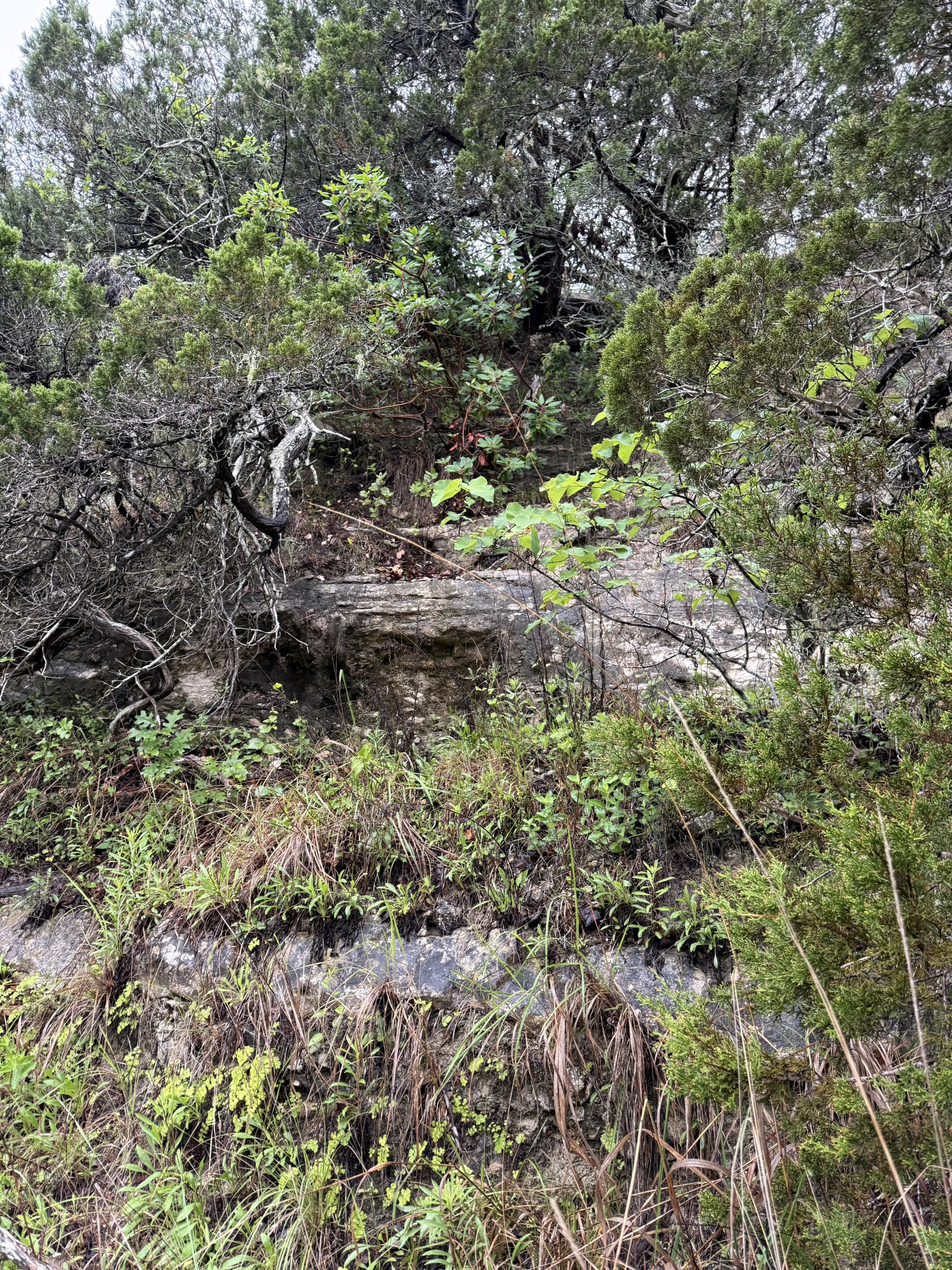
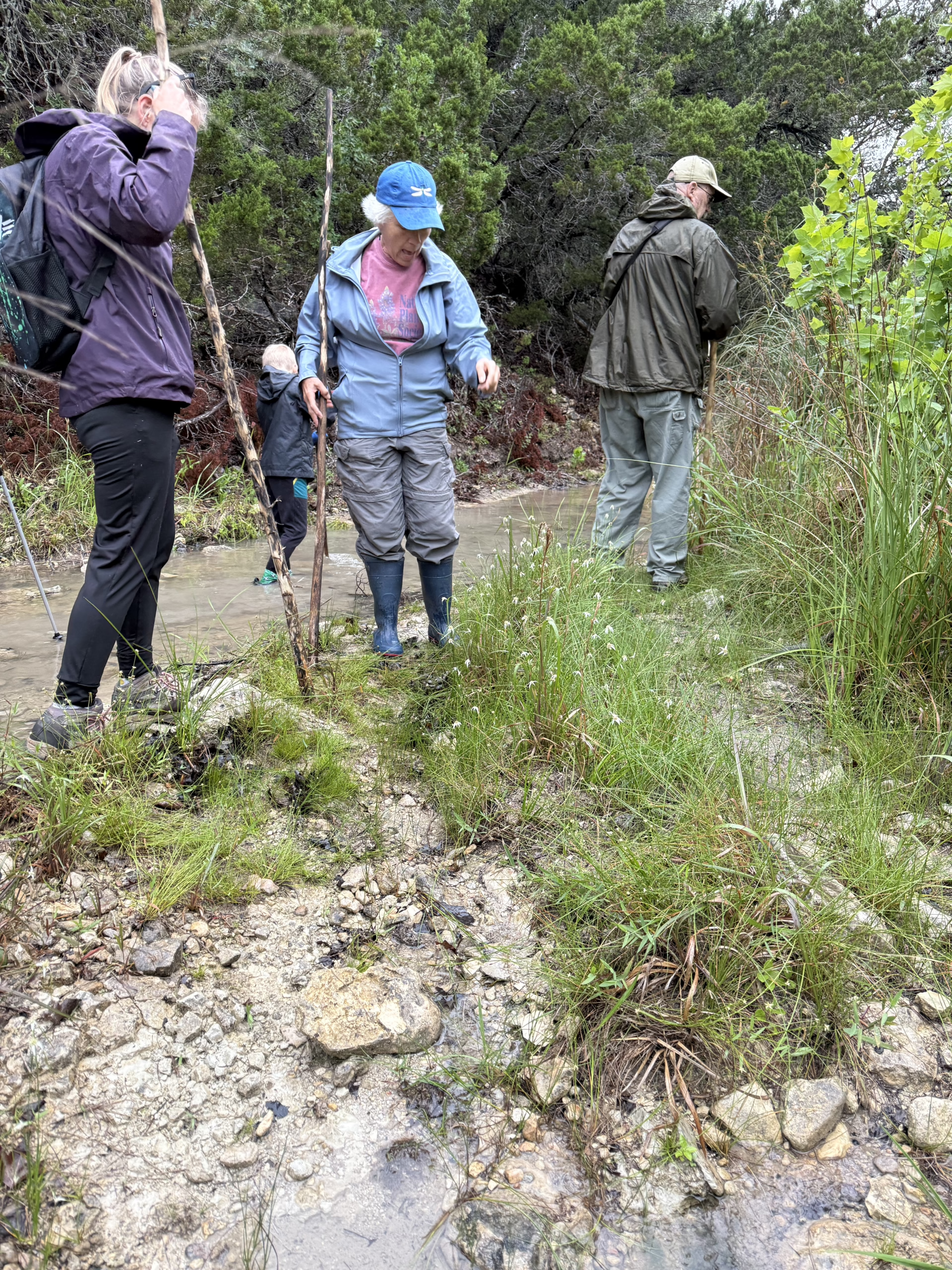
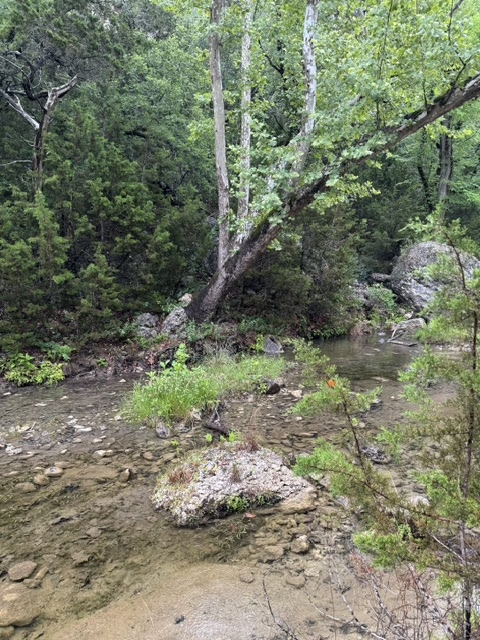
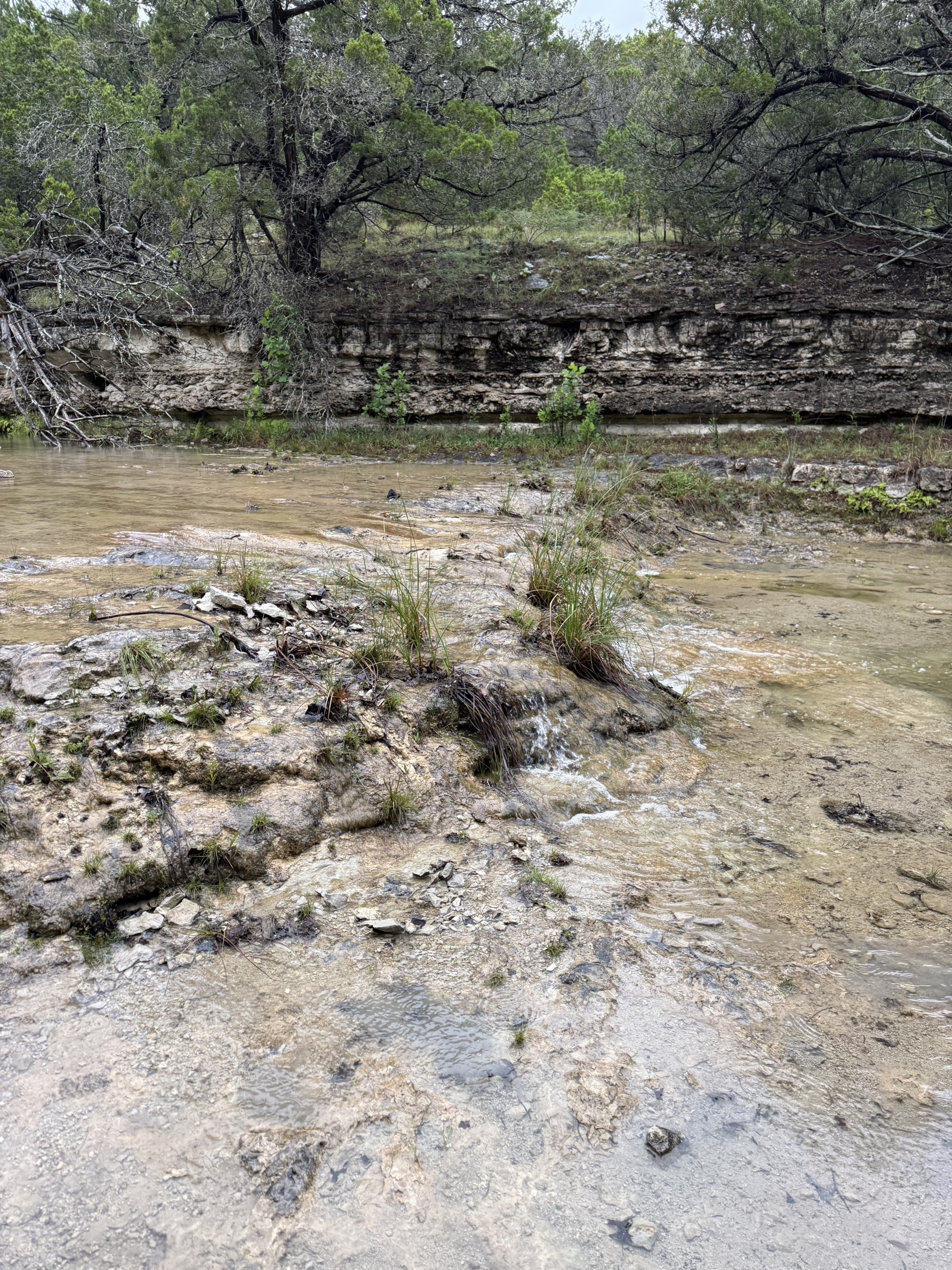
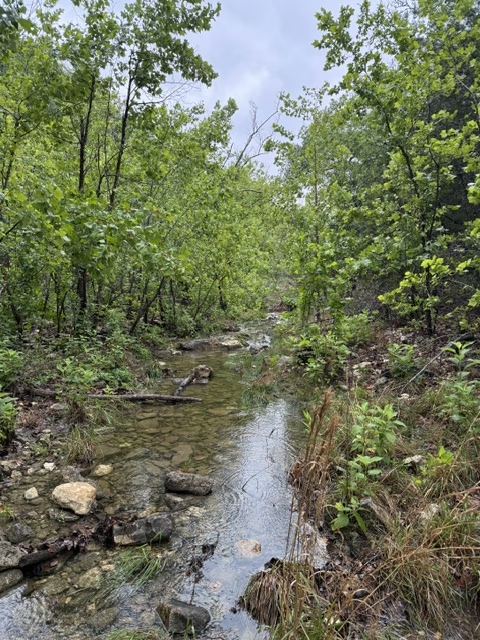
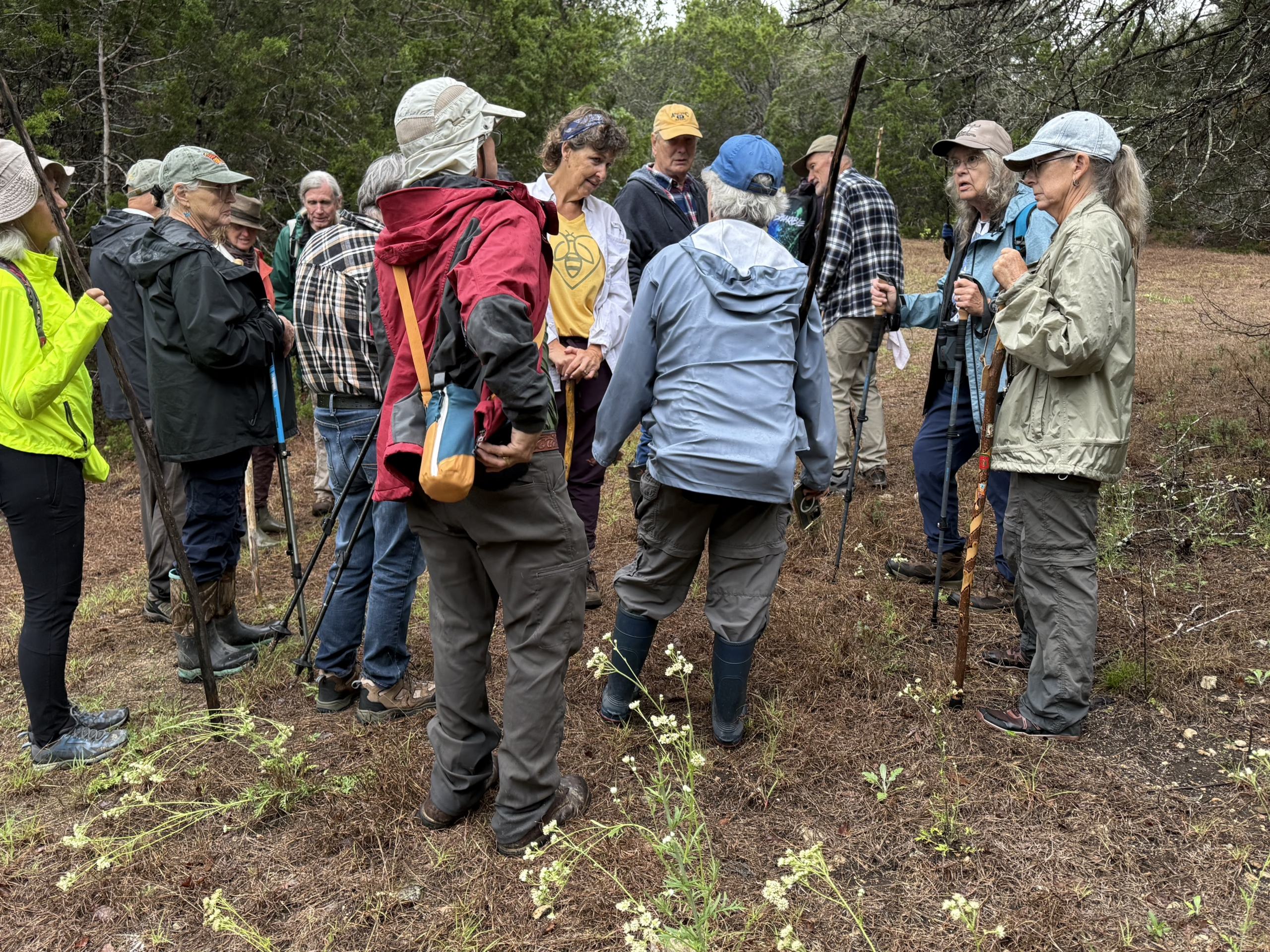
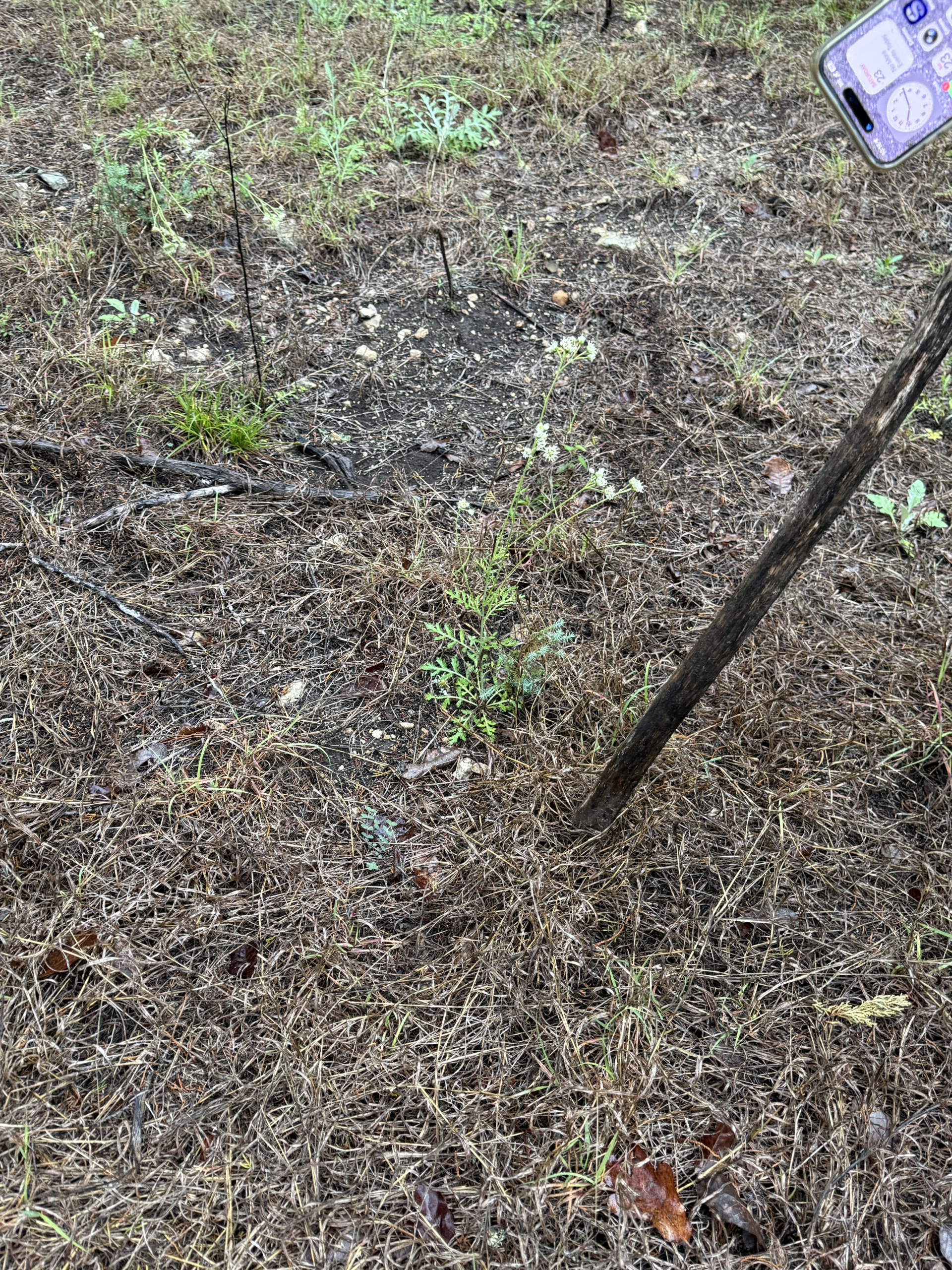
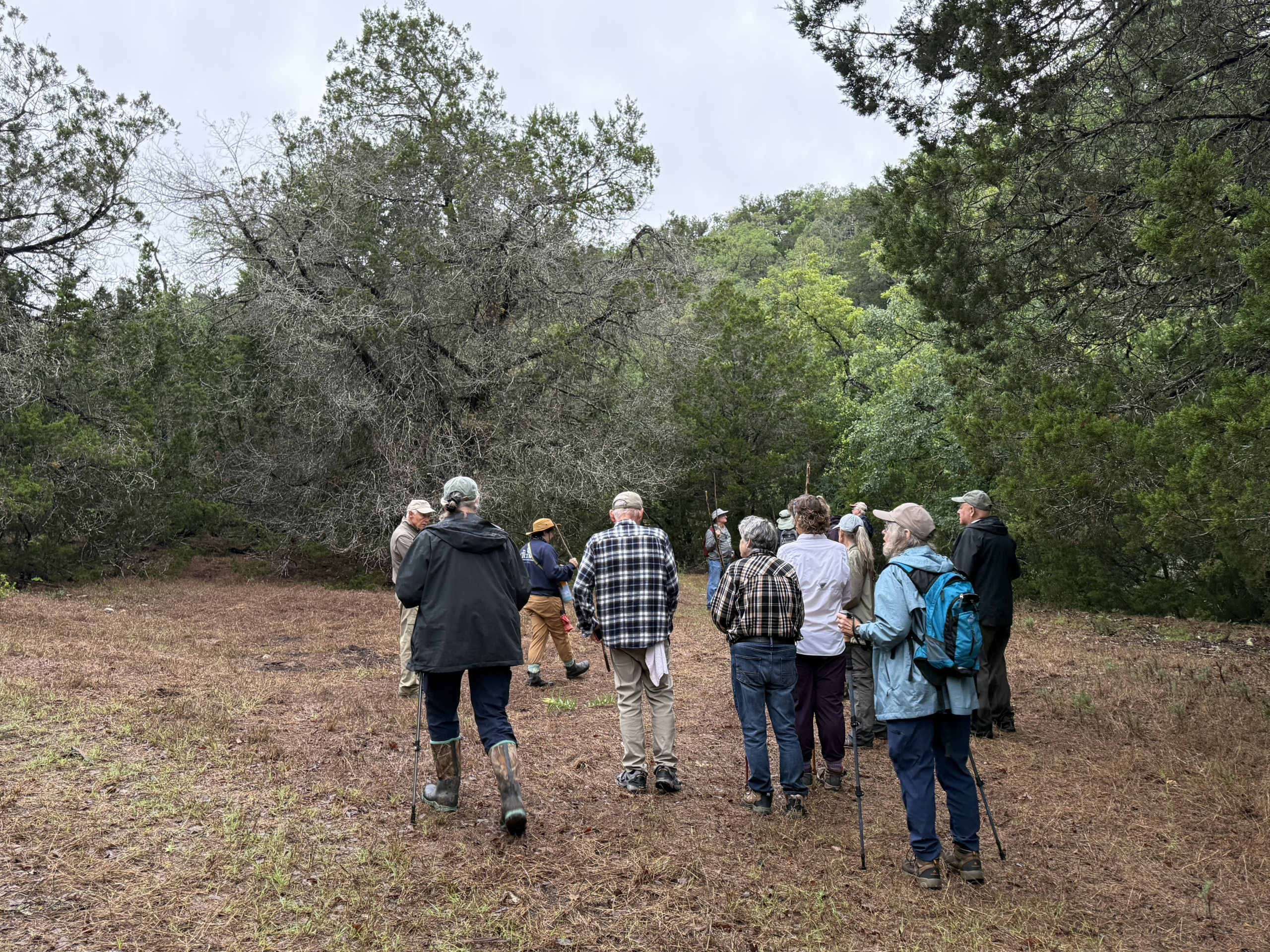
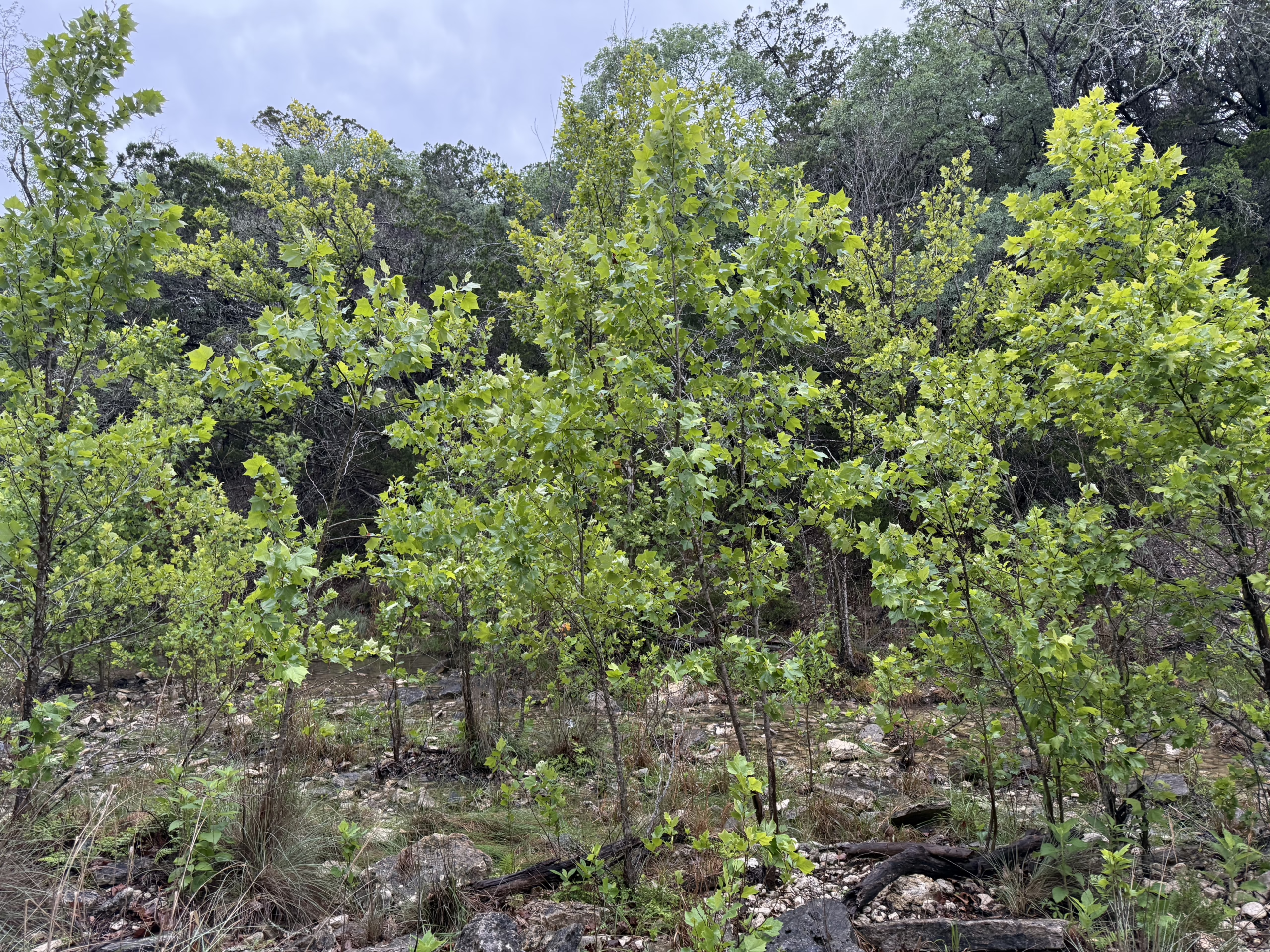
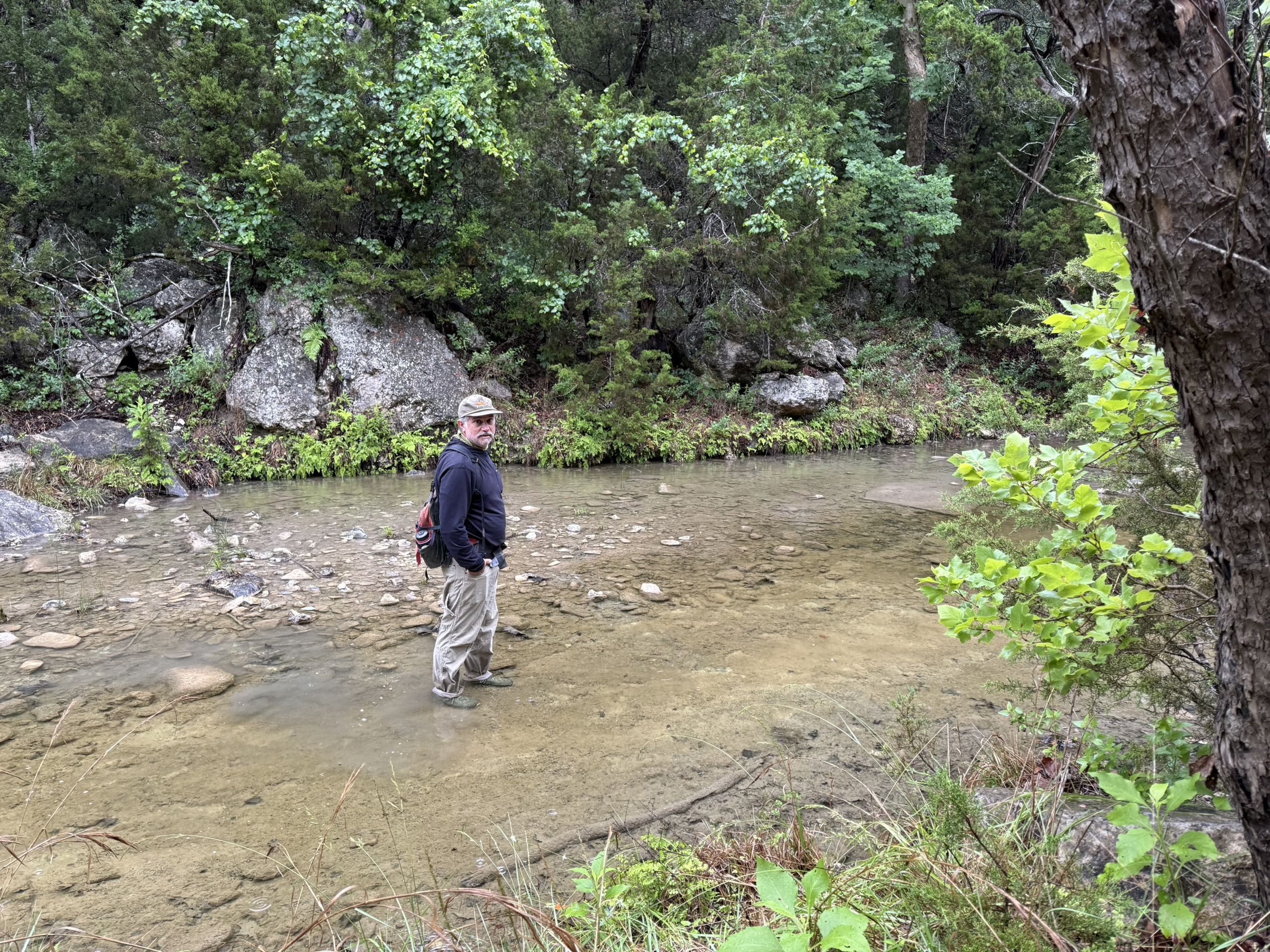
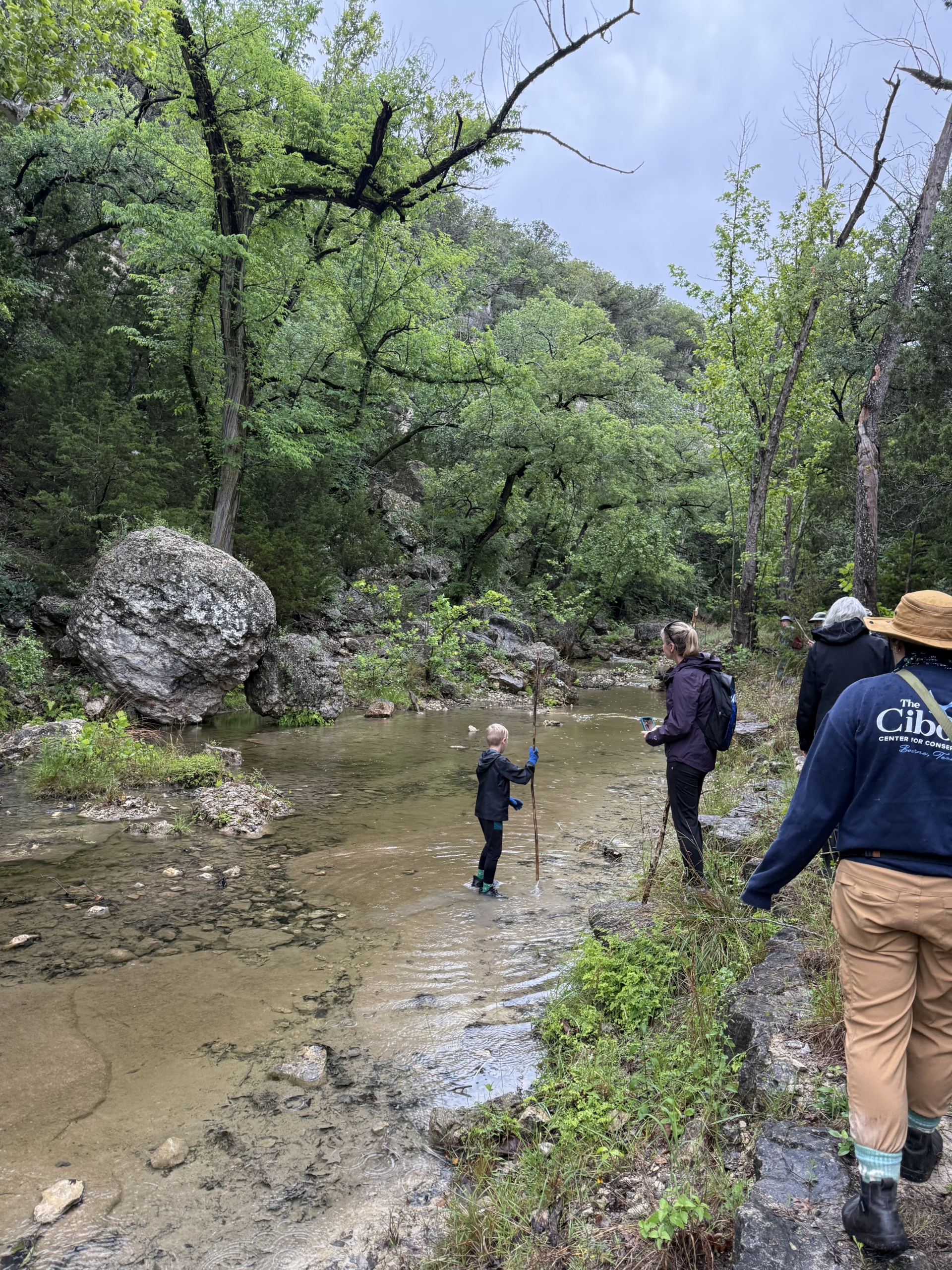
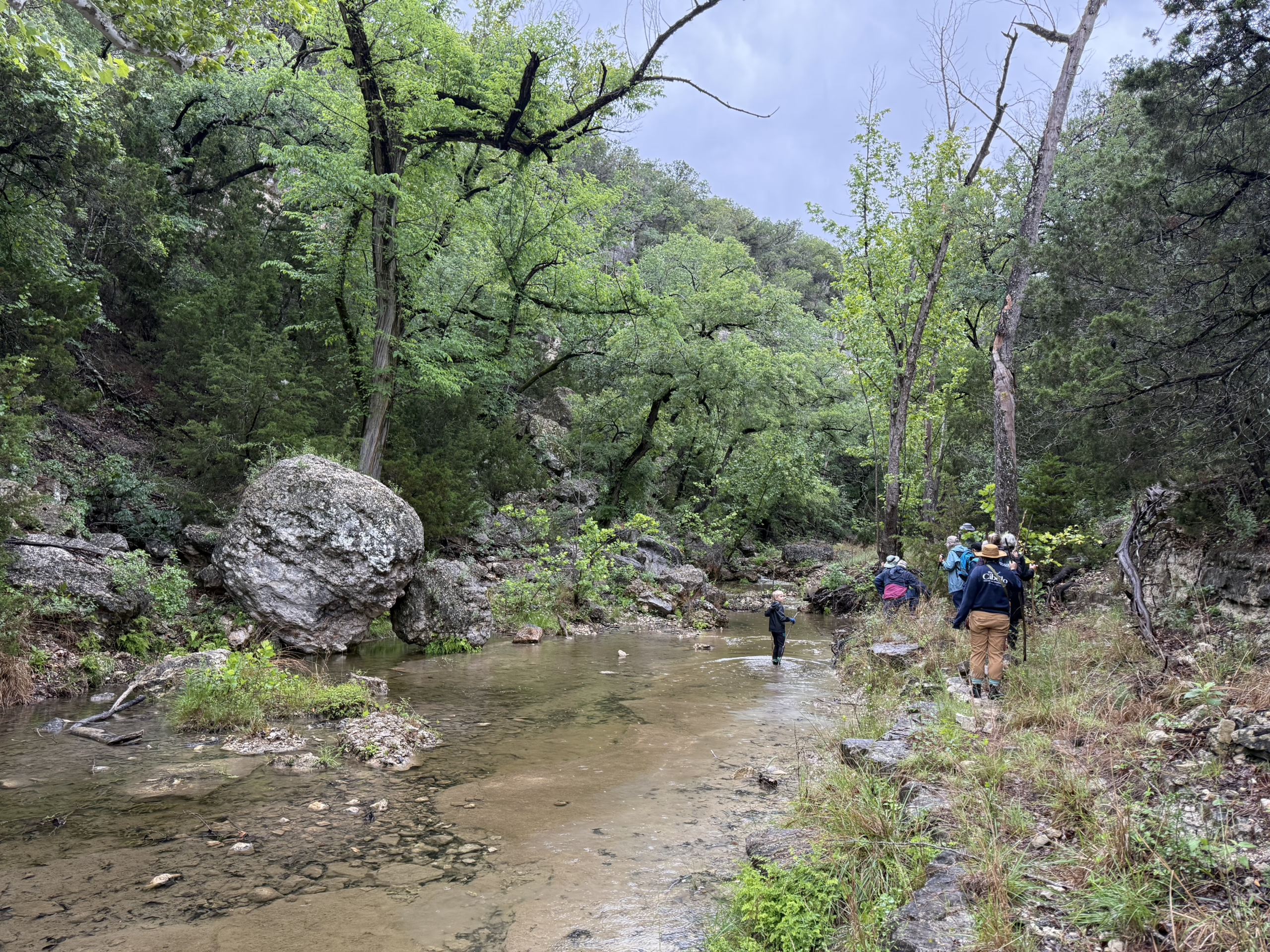
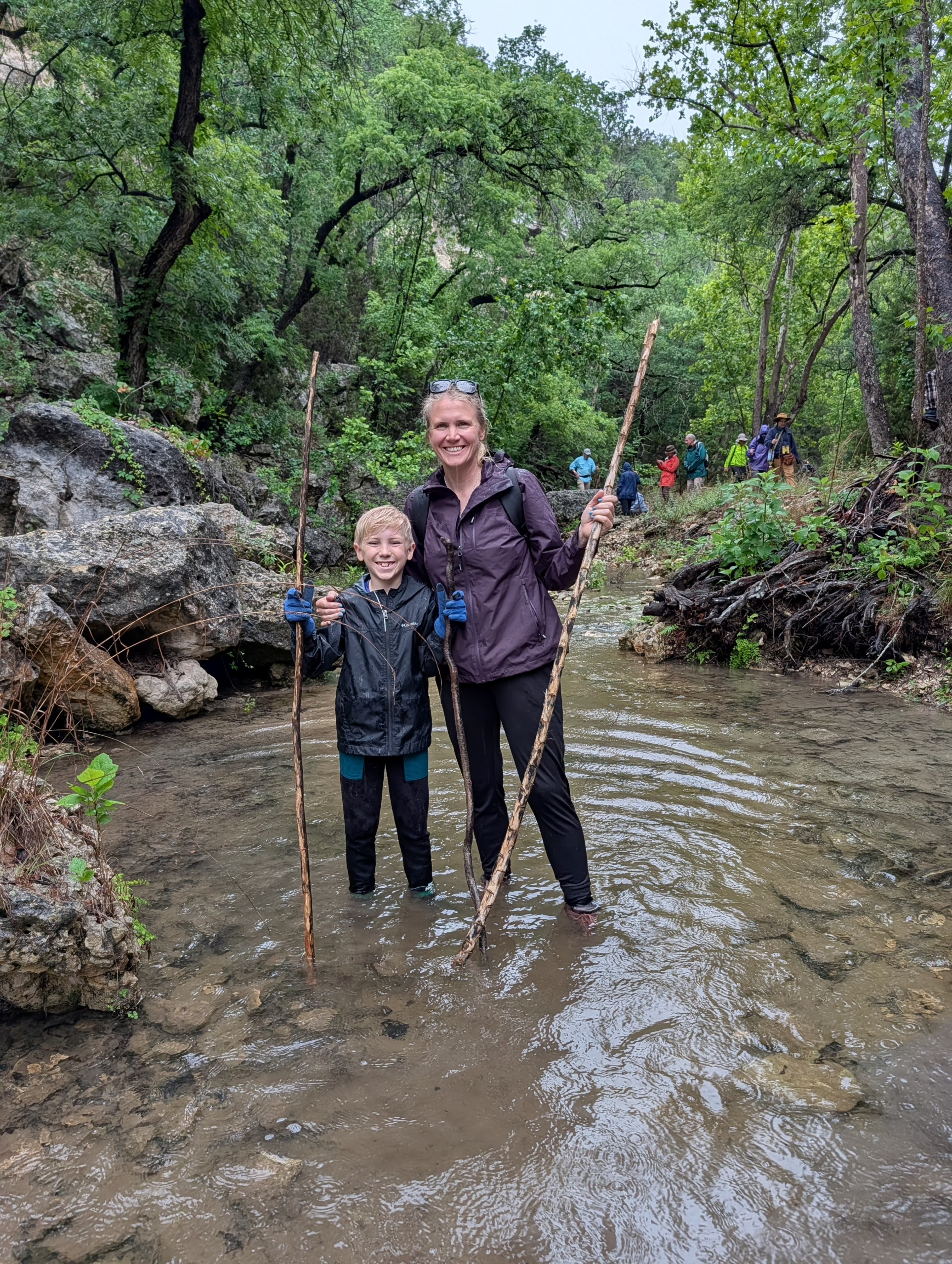
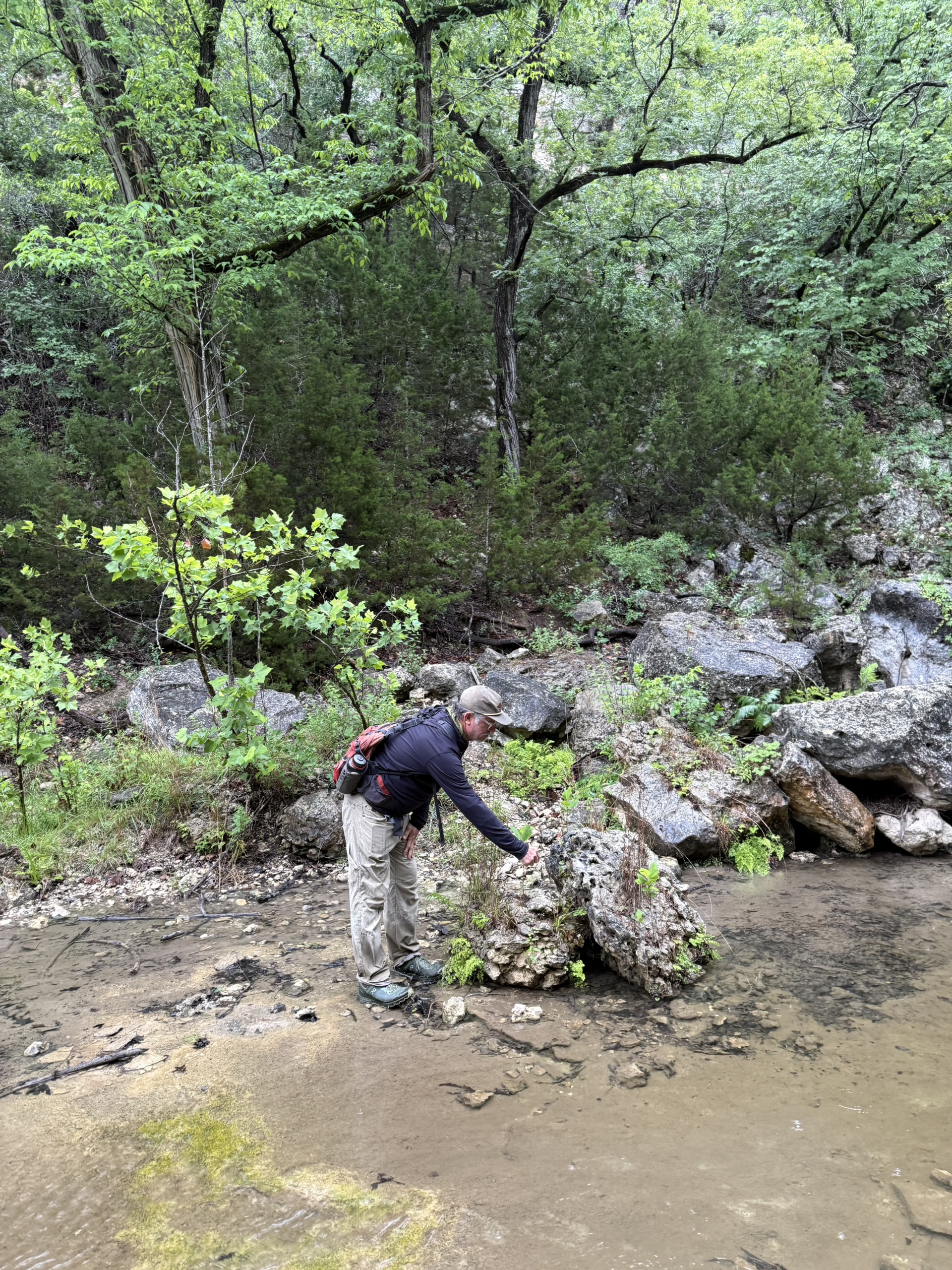
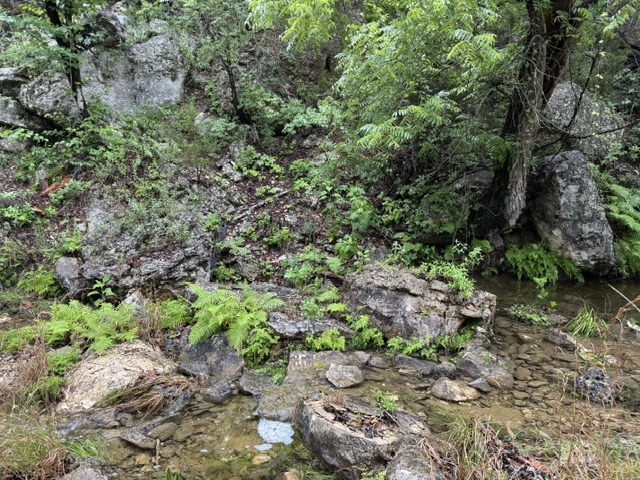
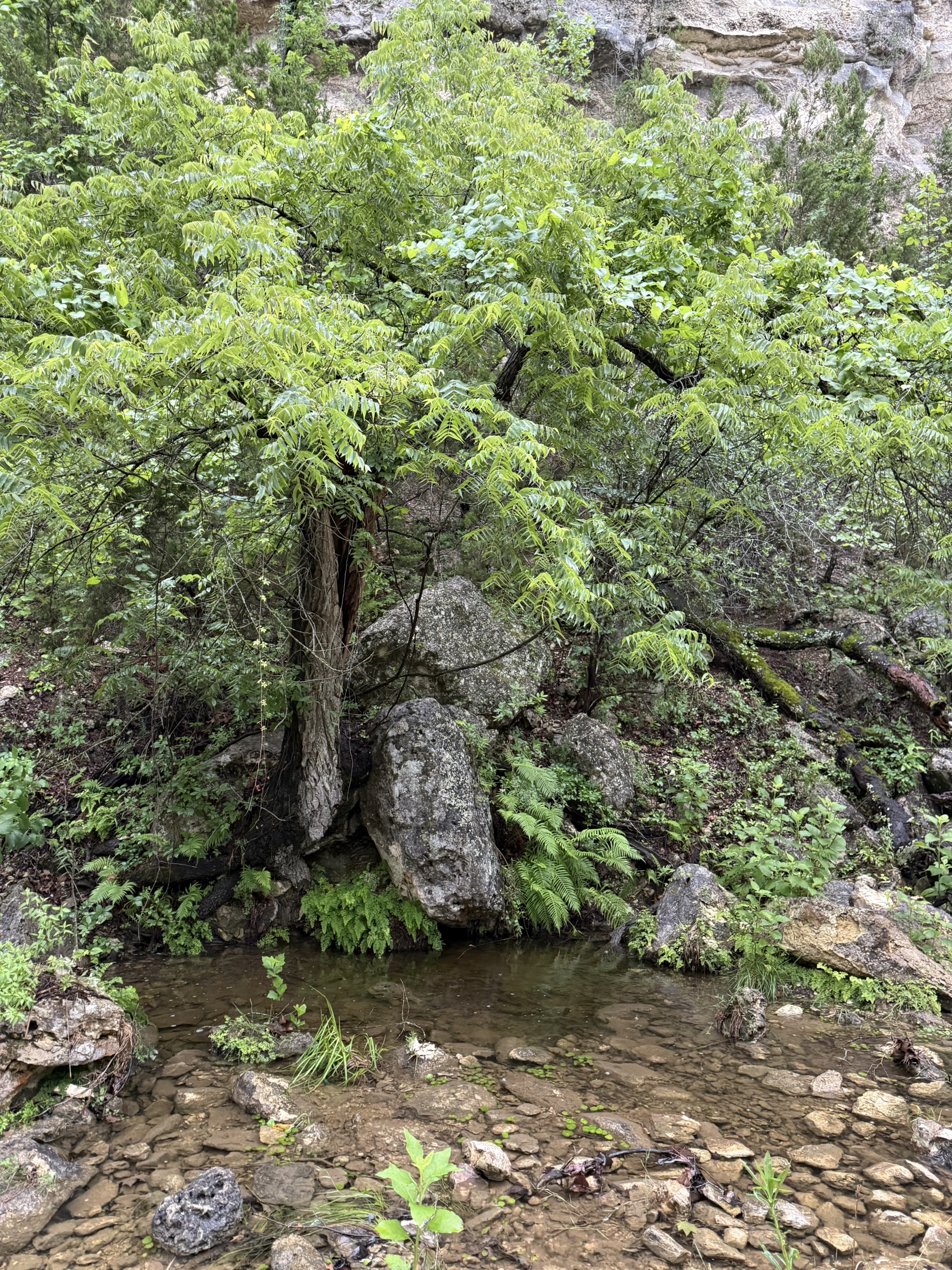
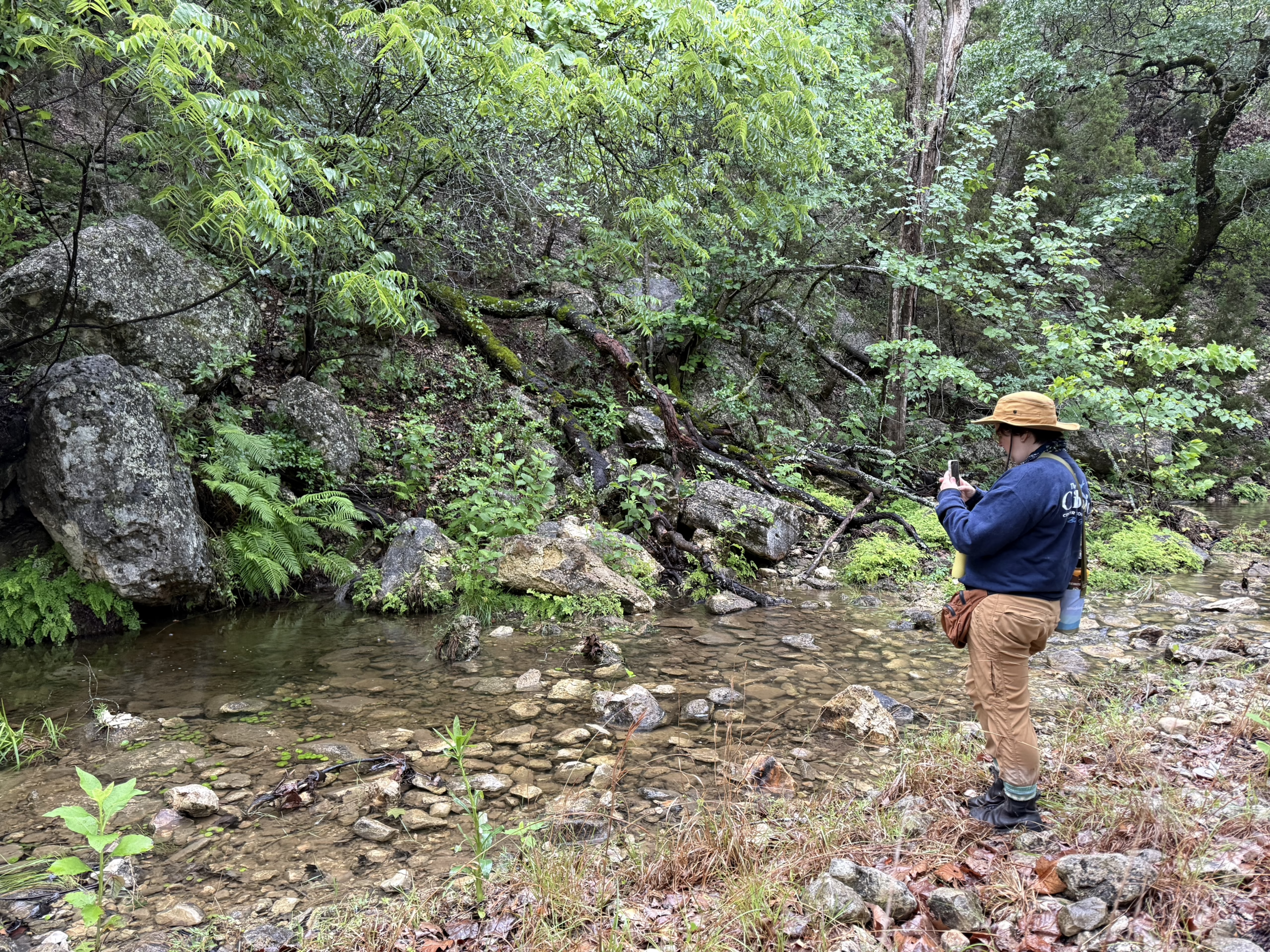
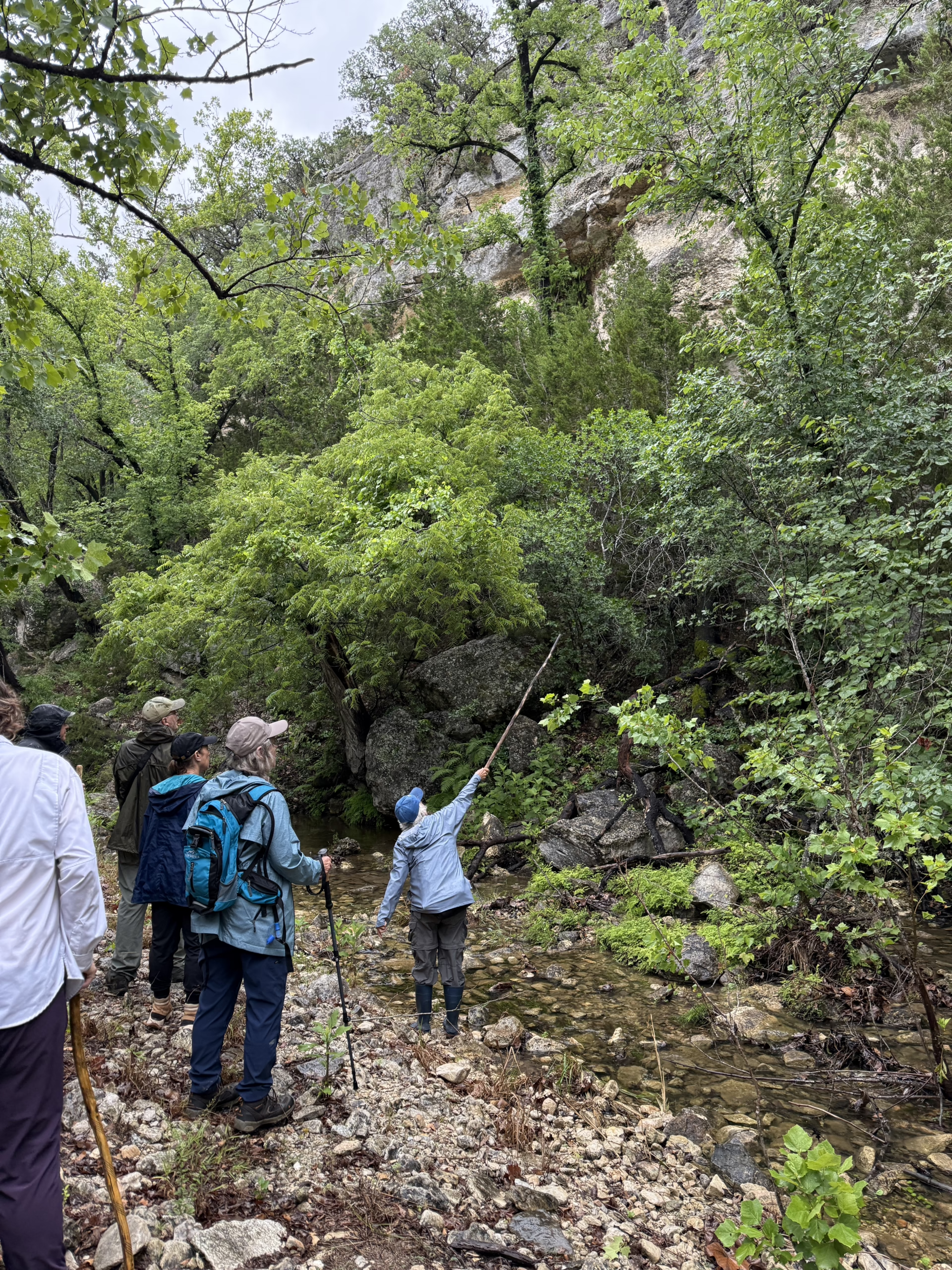
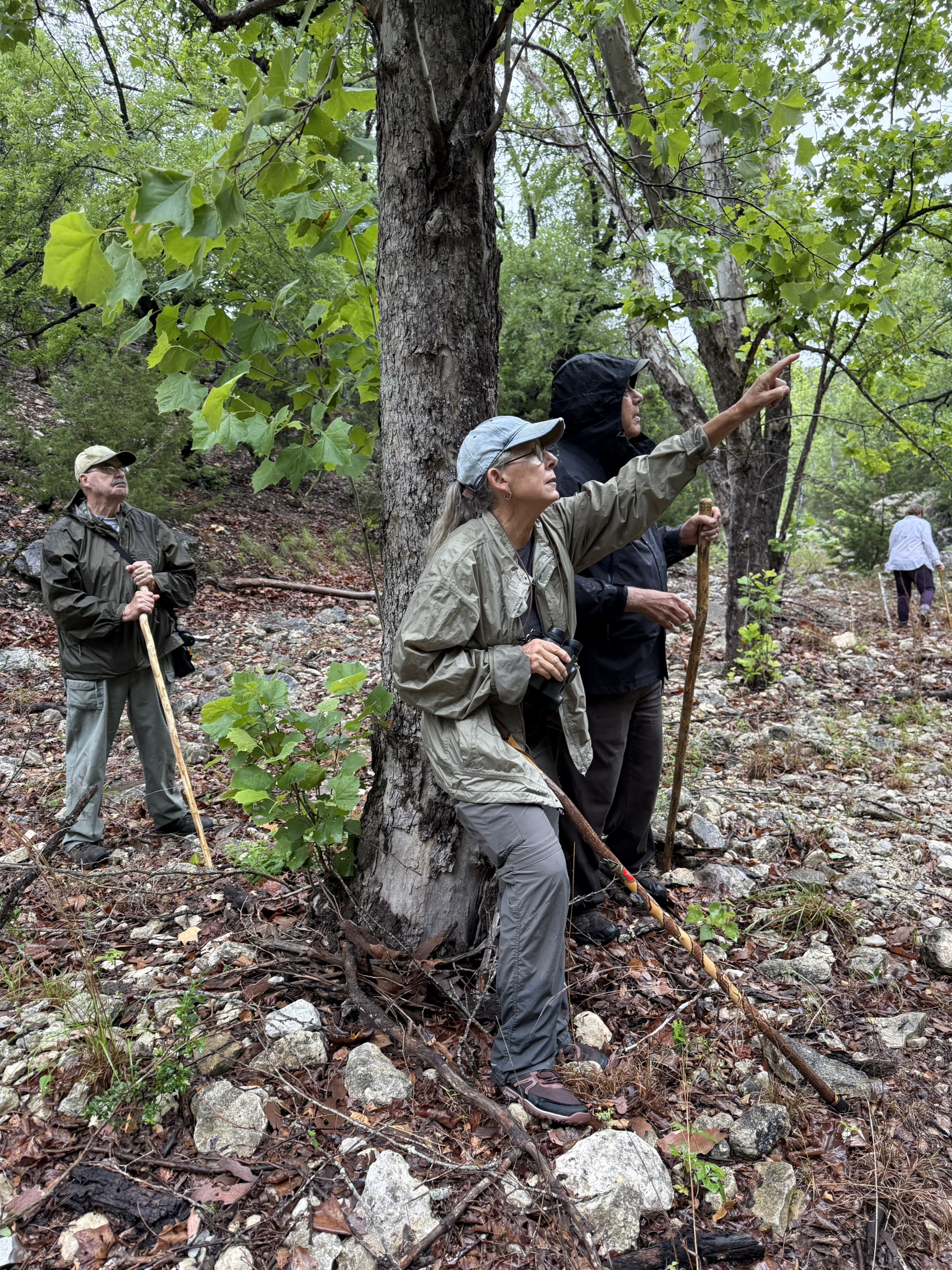
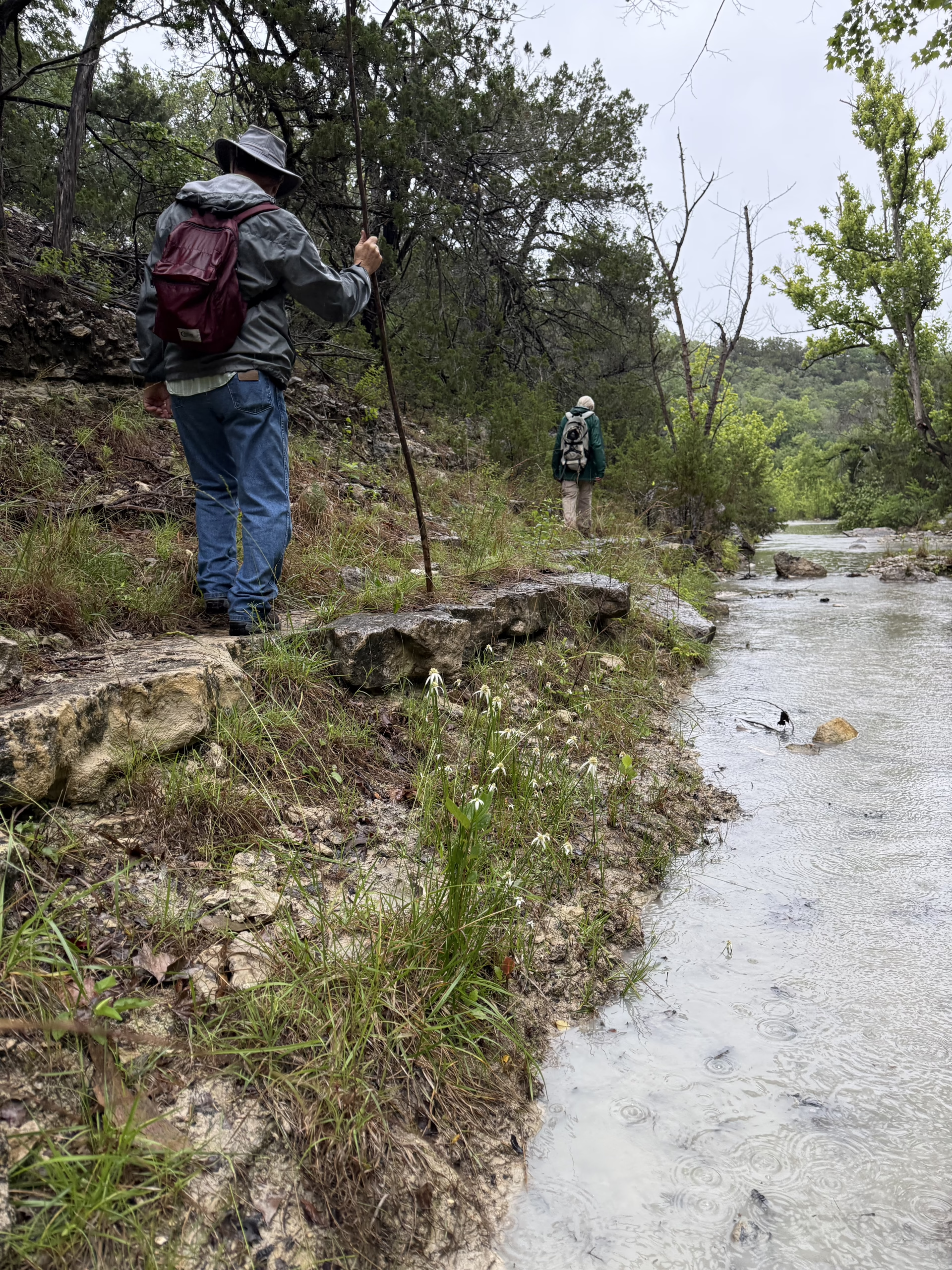
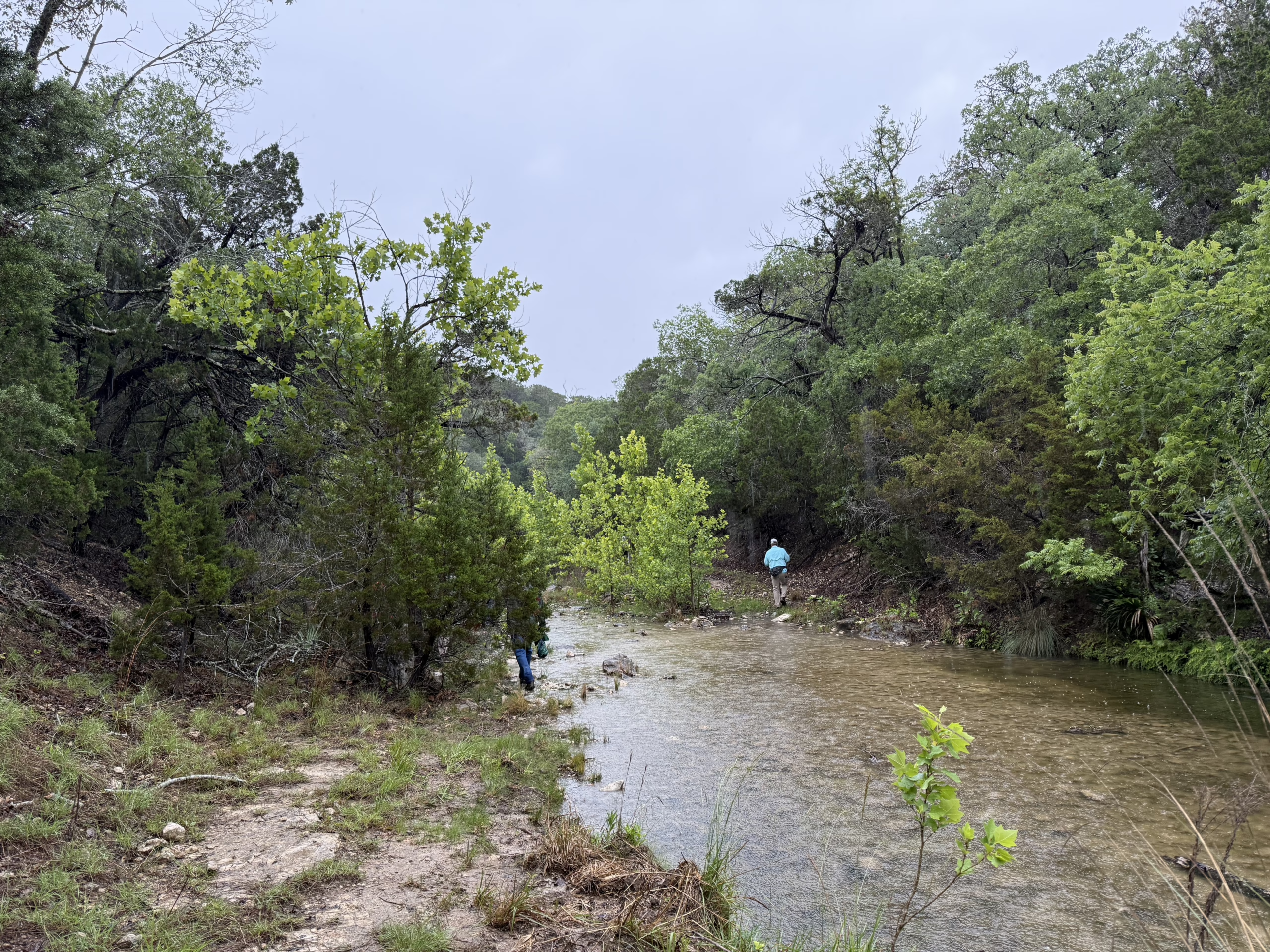
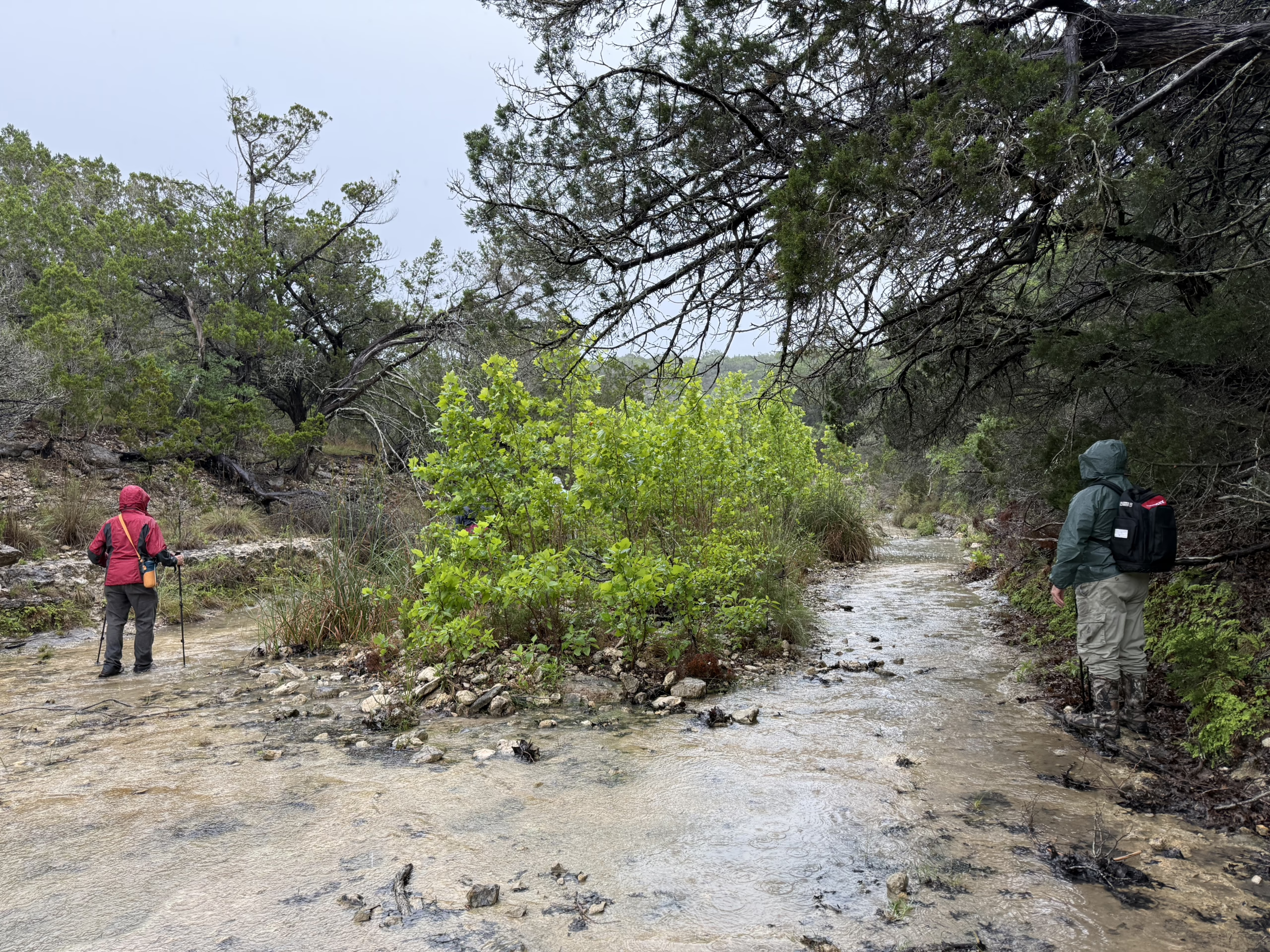
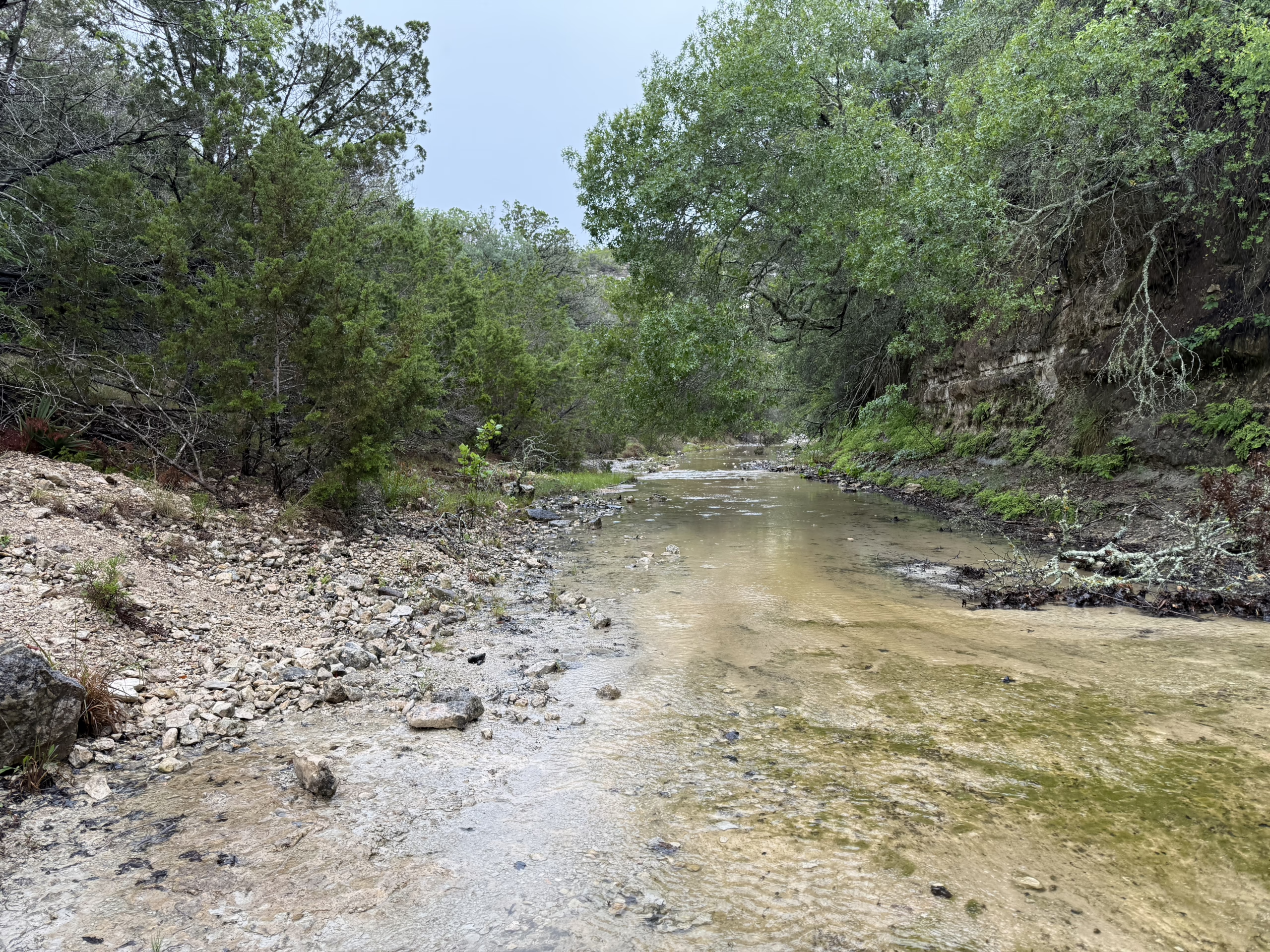
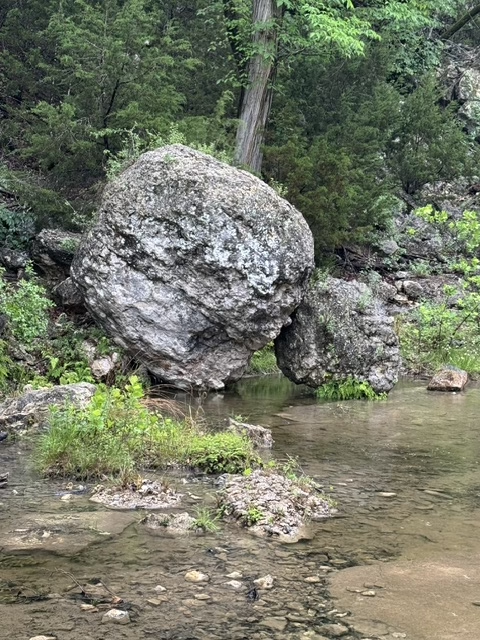
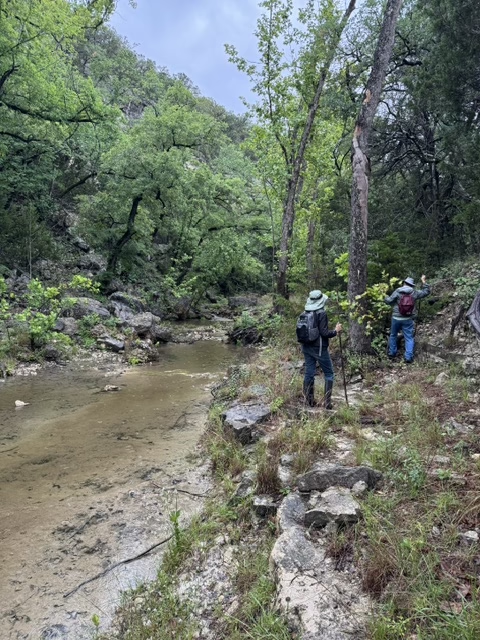
Despite the rain—and even a bit of thunder—a large group of our members enthusiastically participated in the field trip. We drove three miles into the property before beginning our hike. Thanks to the recent rainfall, the Cibolo was flowing and the riparian area was especially luscious. Along the trail, we were able to observe a wonderful variety of native plants, including some Texas Madrones, and we even heard a family of Golden-cheeked Warbler nearby.

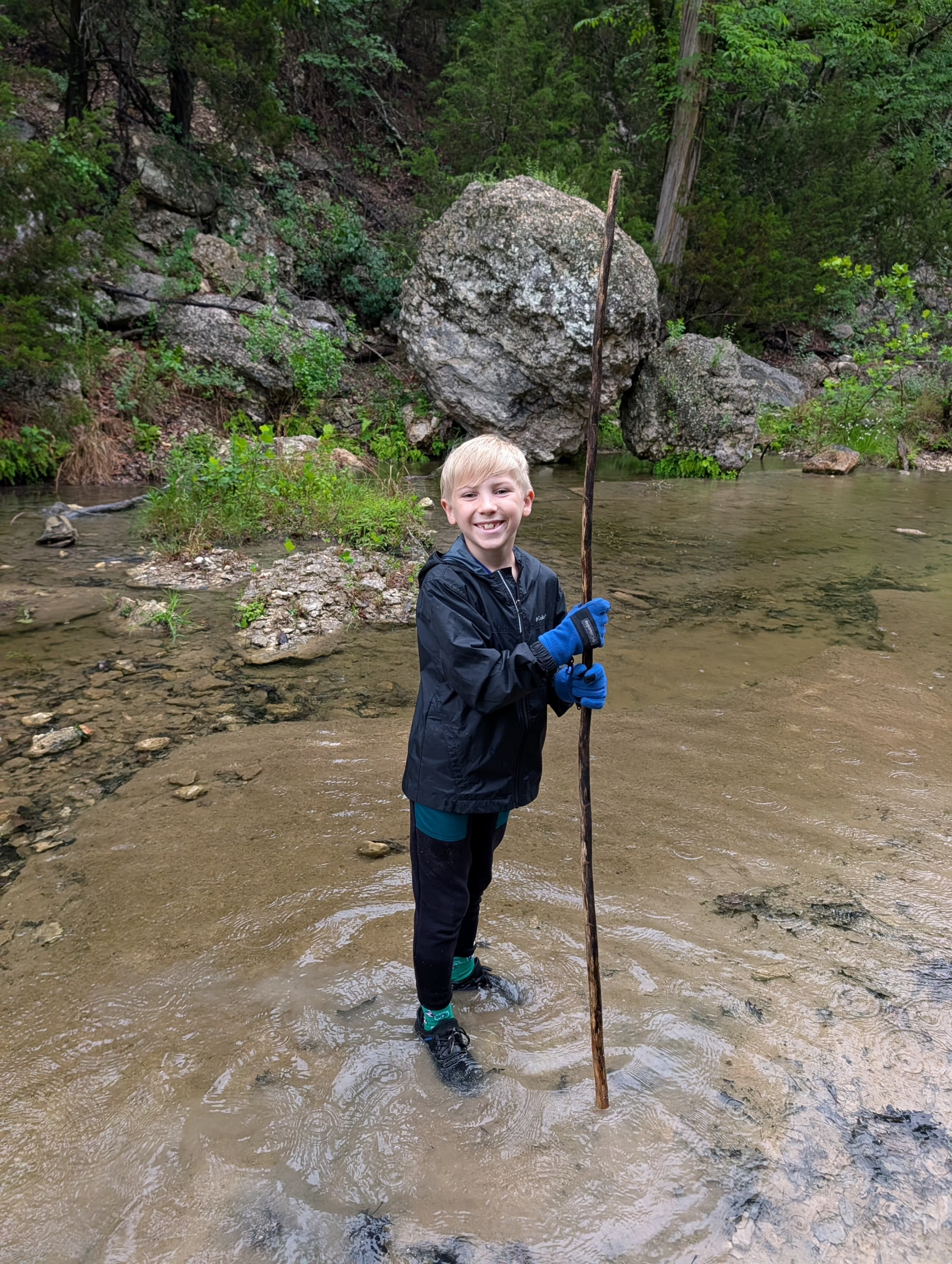
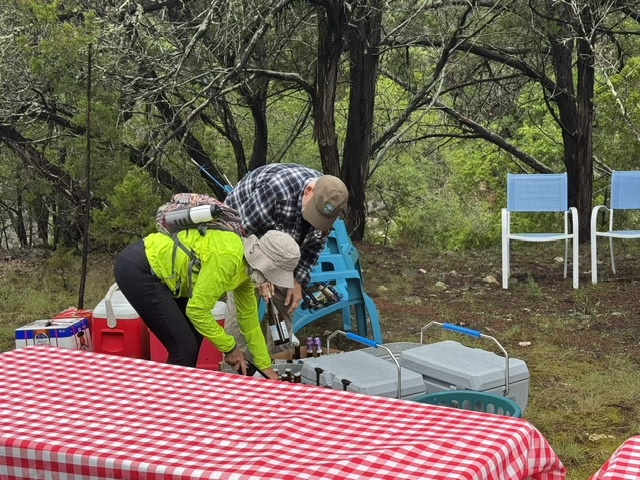
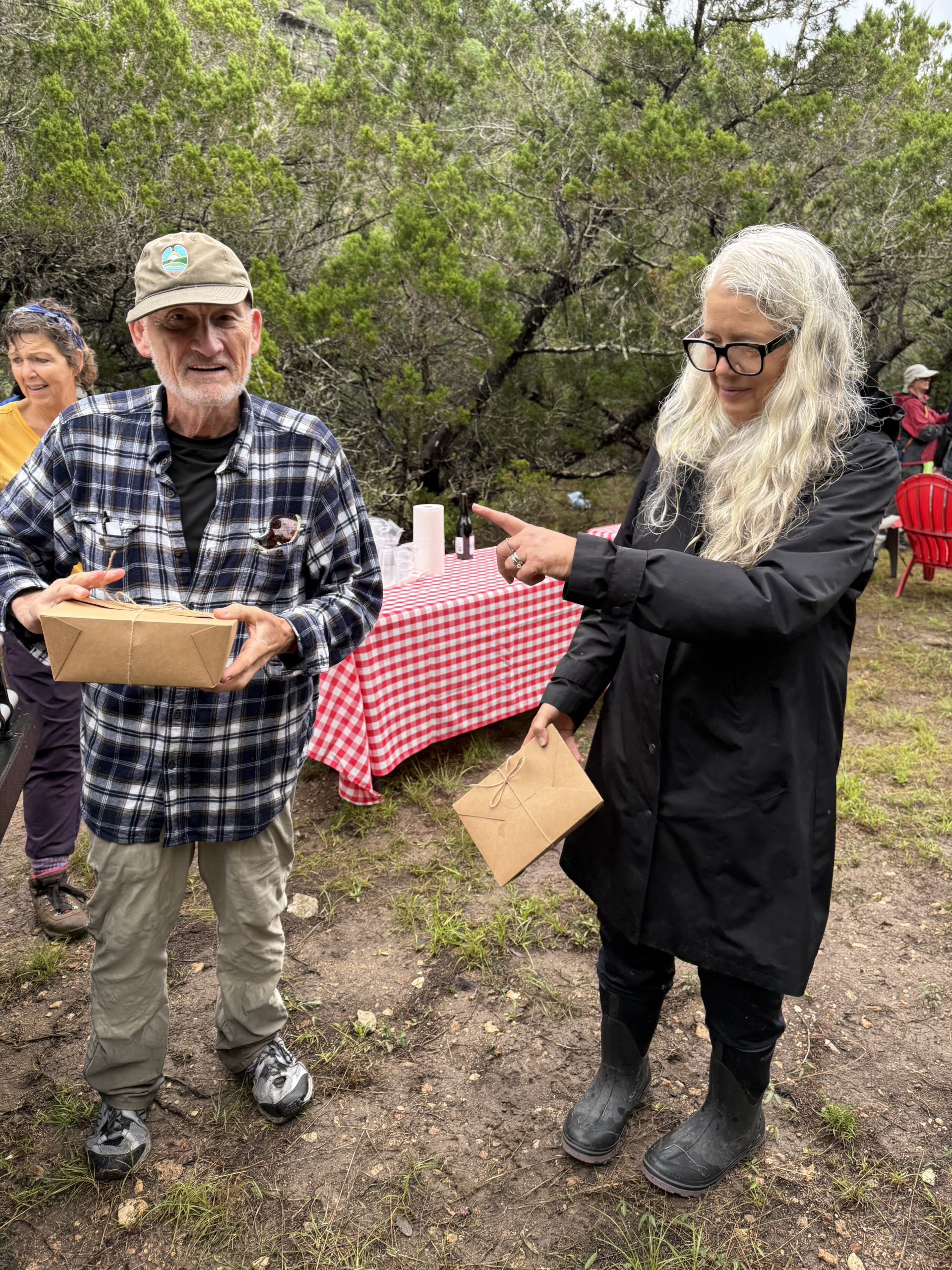
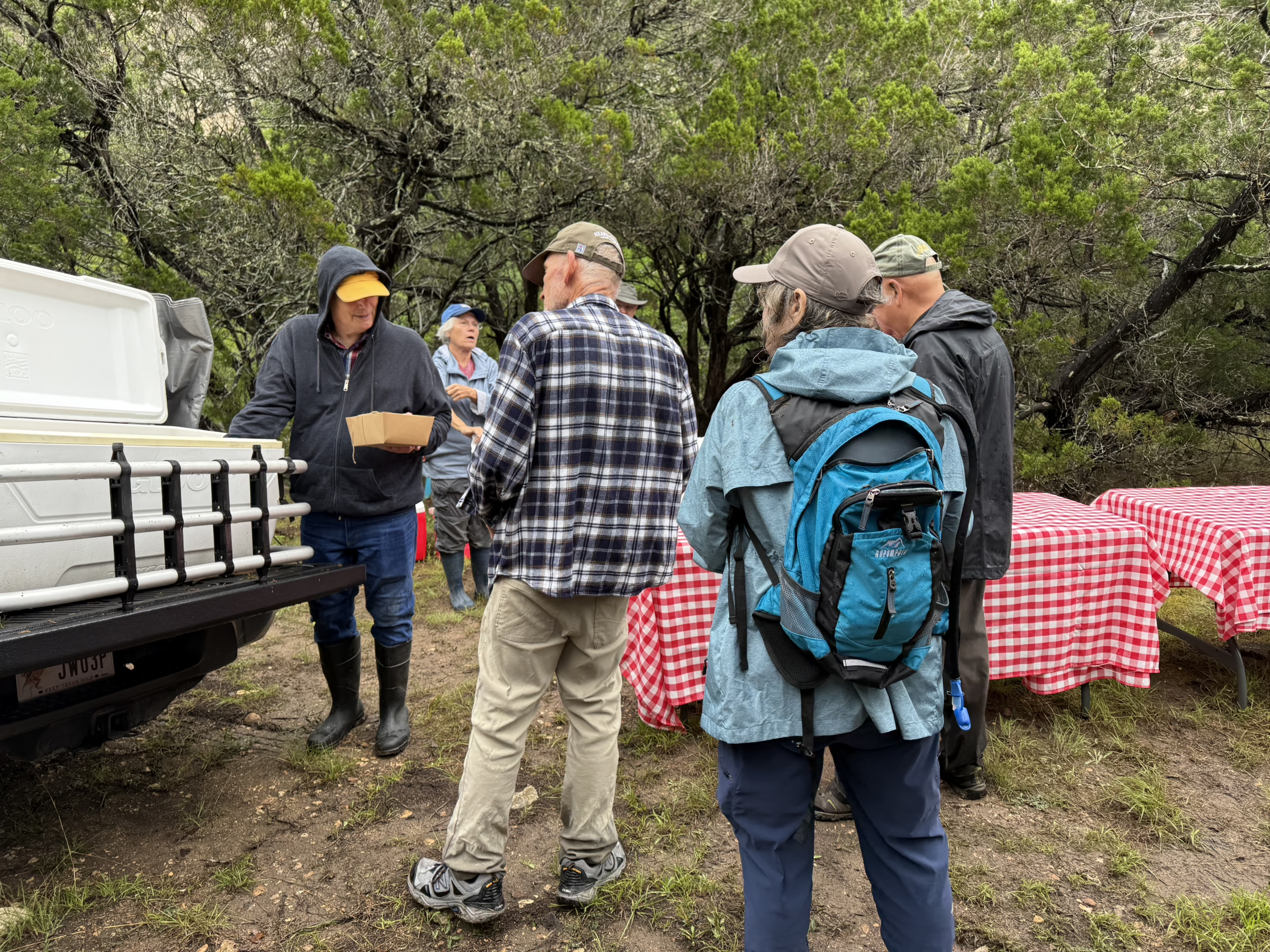
We crossed the creek several times, and the combination of scenic terrain and lively water crossings made for a memorable morning adventure. After the hike, our hosts, Gary and Stu, graciously provided boxed lunches, and we enjoyed a lovely time together.

About the Region

2026 Fall Symposium Logo

This low-elevations region of Texas extends inland from the barrier islands, about 60 or so miles, and stretches from Brownsville to Louisiana. In total, it covers about 9.5 million acres, with a high point of 150 feet in elevation. More than 1000 species of plants can be found in this region. On the southern end, species more common in Mexico (such as Sabal mexicana) and Central America occur.
The barrier islands provide us with dune systems, and clay flats to the inland side, which have species found in these areas alone. Many plants here, such as Ipomoea pes-caprae (beach morning glory), can be found throughout tropical regions of the globe. I’ve encountered the same species on the beaches of Guam.
Once inland, vast marshes and wet prairies occur. Occasionally, oak (Quercus fusiformis) groves can be found. Common grasses include species of Bothriochloa, Paspalum, and Sporobolus; eastern gamagrass (Tripsacum dactyloides); and switchgrass (Panicum species). Many rivers and creeks cut through the Gulf Prairies, and along these riparian areas various species of trees, Sabal minor, and other plants adapted to clay soils can be found. Due to overgrazing, farming, and fire suppression, woody species such as mesquite (Prosopis glandulosa) and huisache (Acacia farnesiana), and invasive species such as chinaberry (Melia azedarach), Brazilian pepper (Schinus terebinthifolius), and Chinese tallow (Sapium sebiferum) have increased and displaced our native flora.

Source: Wildflowers of Texas by Michael Eason