 Marvin Hatter
NPSOT Member since October 1991
NPSOT Boerne Chapter member since 2001
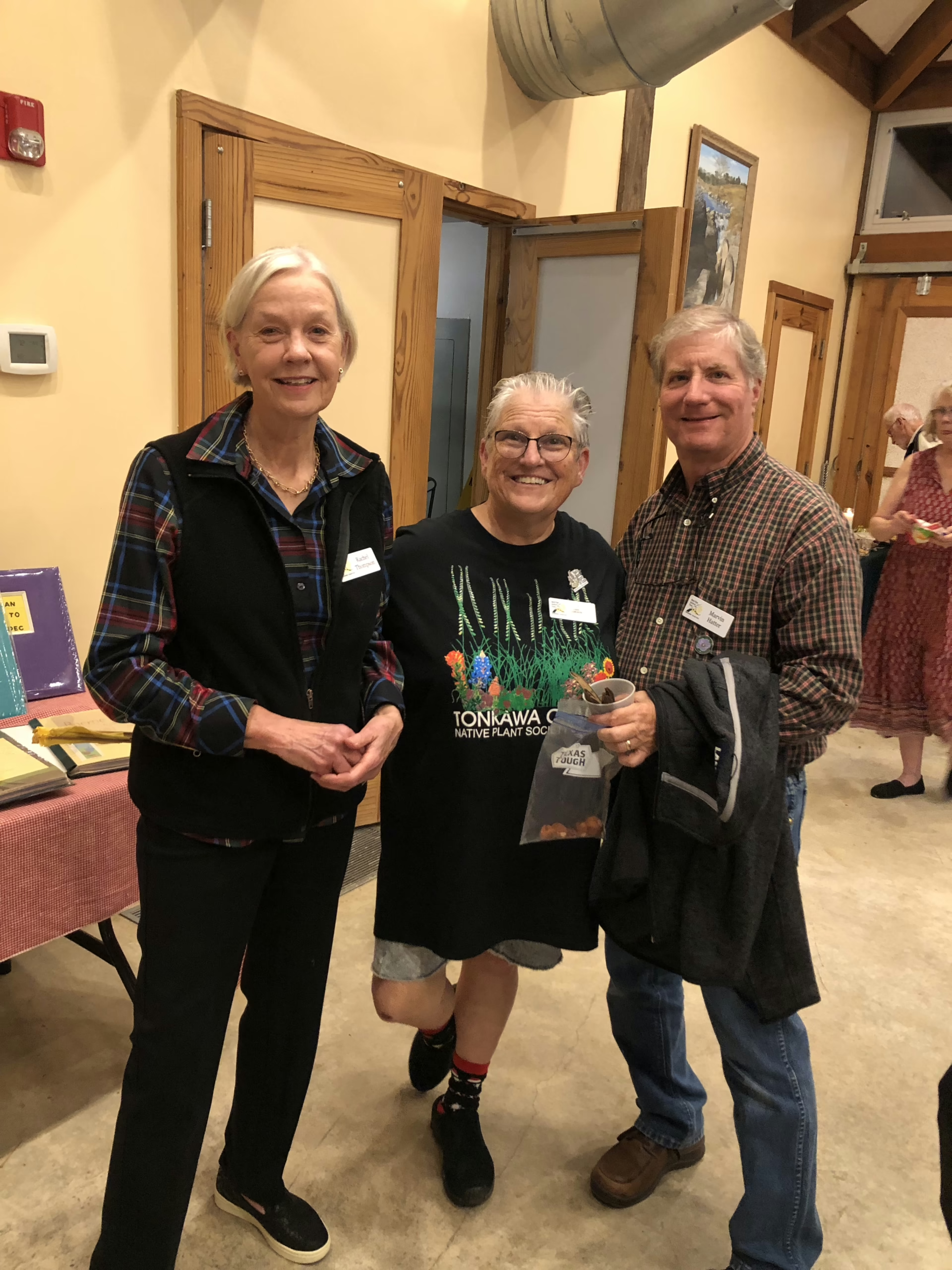
We are fortunate to count Marvin Hatter among our long-time and deeply knowledgeable members. Marvin has been part of the Native Plant Society of Texas for more than 30 years, with previous memberships in the South Plains Chapter (now sadly defunct) and the San Antonio Chapter.
Although not a charter member of the Boerne Chapter, he transferred his membership soon after its founding and has been actively involved ever since.
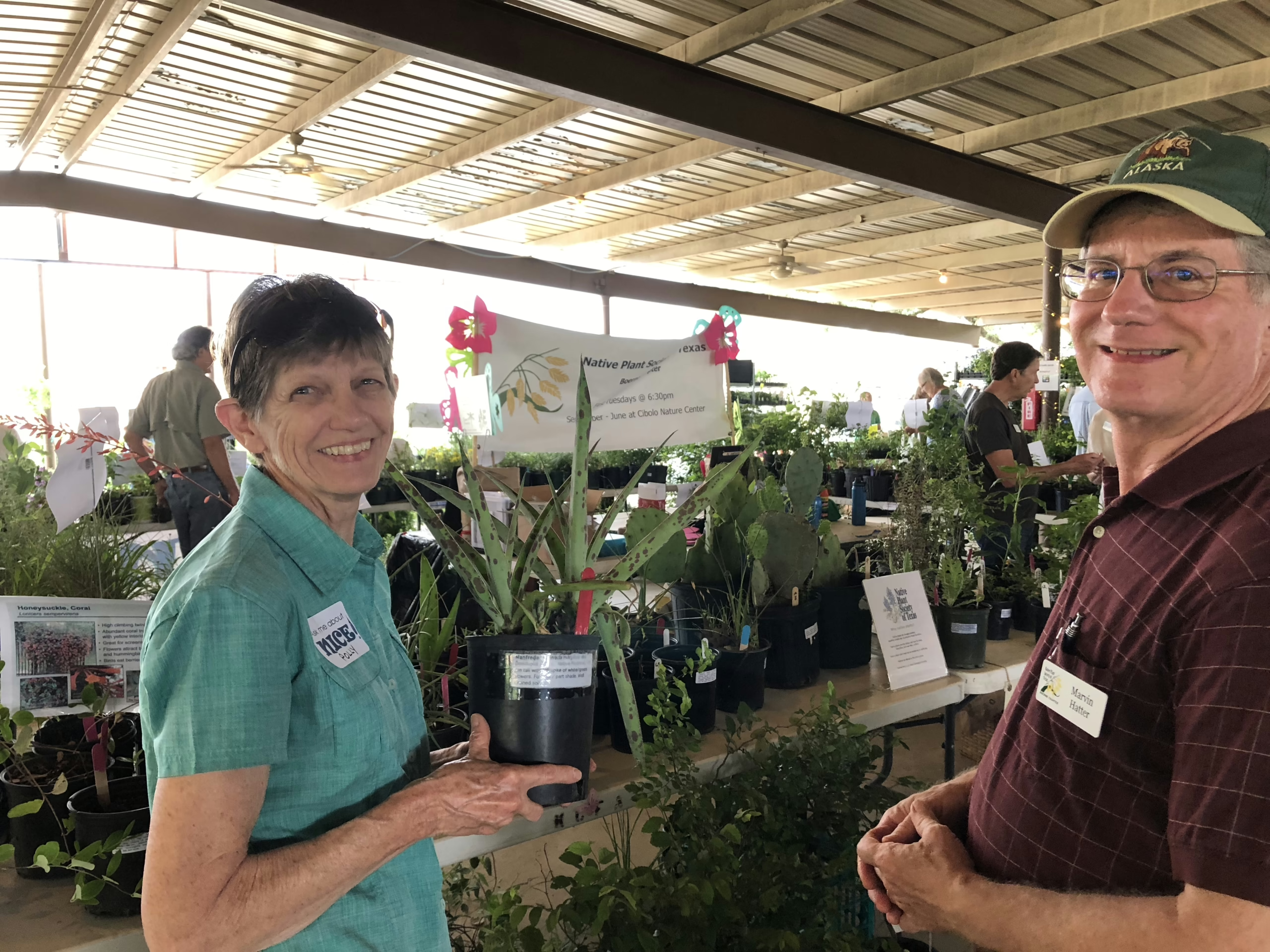
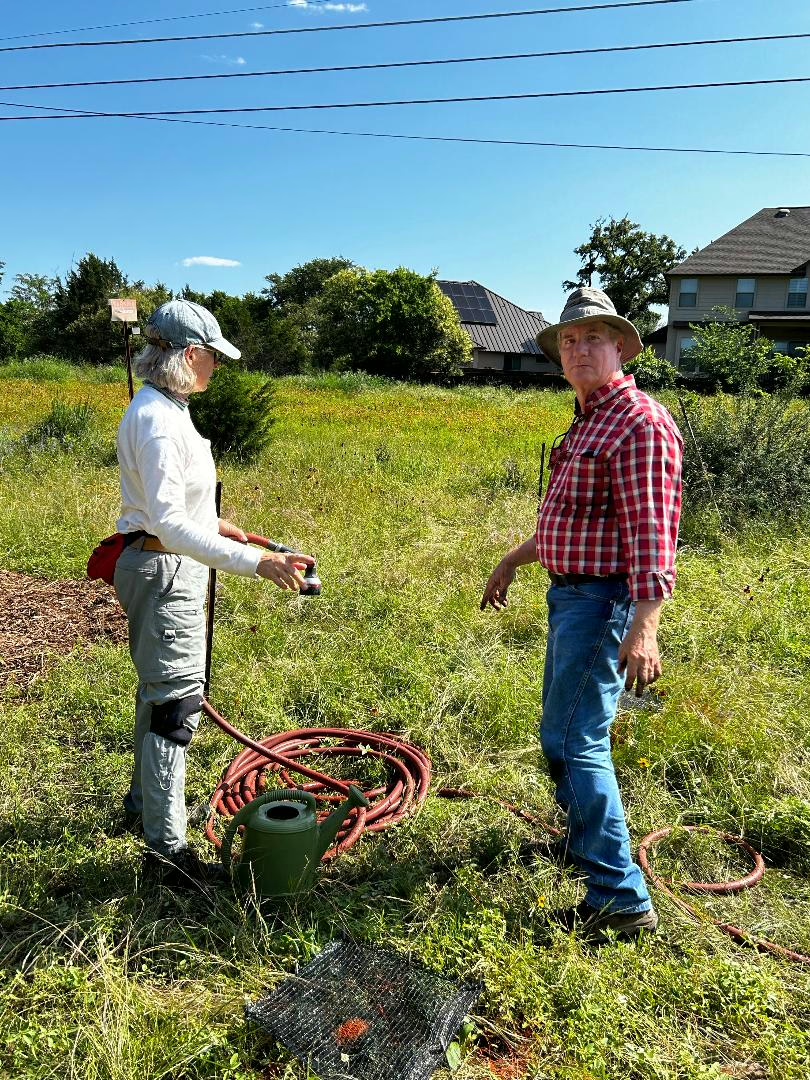
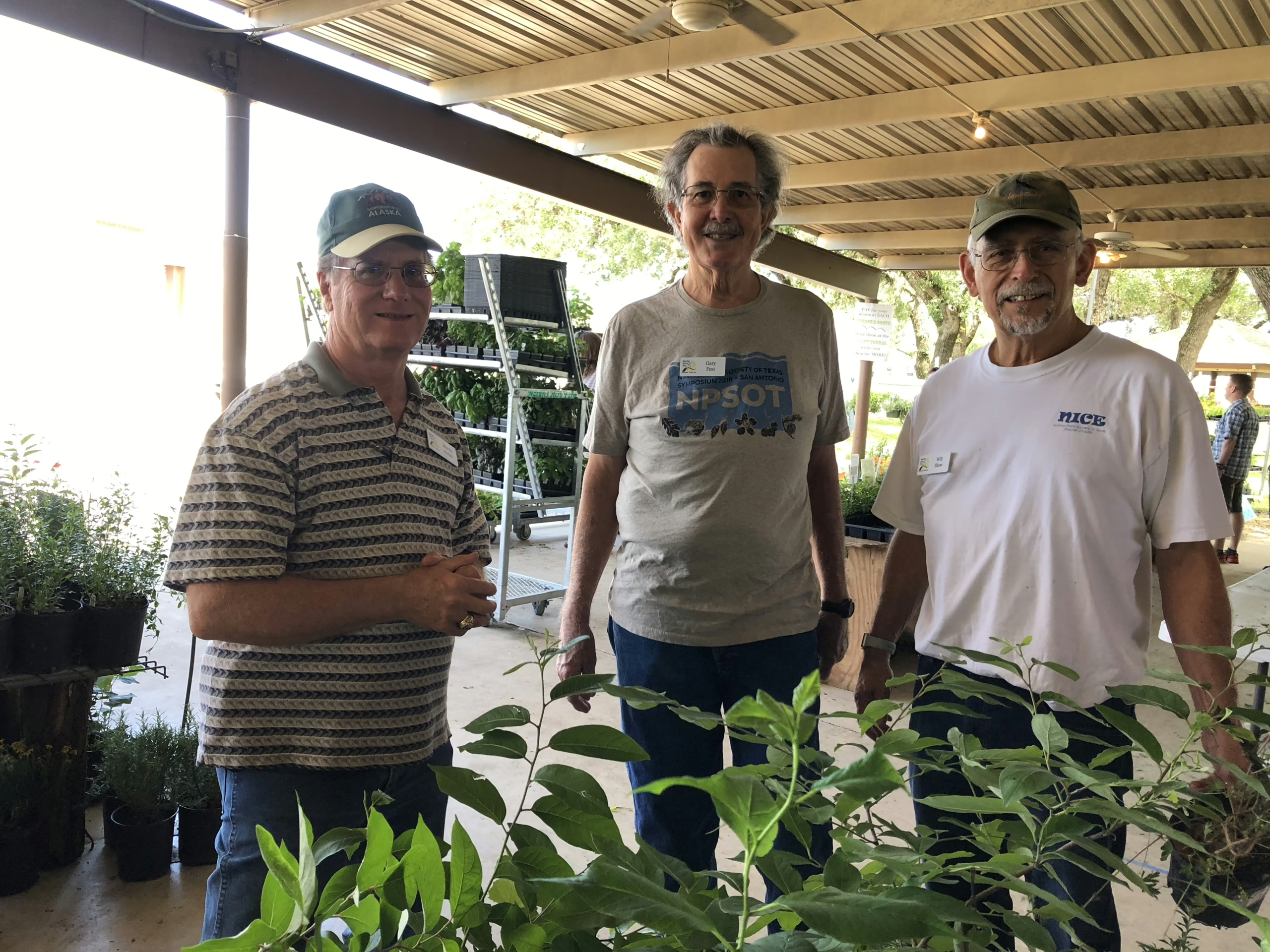
Marvin has served as Vice President for Programs for the Boerne Chapter and is a familiar face at the Boerne City Campus Natural Area (BCCNA), where he volunteers regularly. In addition he helps maintain the native plant demonstration beds in downtown Boerne, is a grower for the chapter’s plant sales, and supplies seeds for the native seed library. He was also involved in the installation of the pollinator demonstration garden at the Cibolo Center for Conservation.
His dedication to native plants grew from a lifelong fascination with the plant world. While attending graduate school, Marvin started the South Plains Chapter of NPSOT in Lubbock, inspired by friendships with early native plant enthusiasts such as Bennie Simpson, Dorothy Mattiza, and Sally and Andy Wasowski. At that time, resources were scarce—there was little to no internet support, and finding nurseries that carried native plants was a real challenge.
Professionally, Marvin retired in 2016, after 23 years with the Texas Department of Transportation (TxDOT), where he served as the San Antonio District Vegetation Manager. His work spanned 12 counties and included oversight of mowing, winter ice control, herbicide application, landscaping, revegetation, erosion control, and wildflower programs. Prior to TxDOT, Marvin worked with the USDA Natural Resources Conservation Service in soil and rangeland management and as a Research Horticulturist for a large wholesale container nursery.
A native of Sweetwater, Texas, Marvin holds a BS in Plant and Soil Science from Tarleton State University and an MS in Ornamental Horticulture from Texas Tech University.
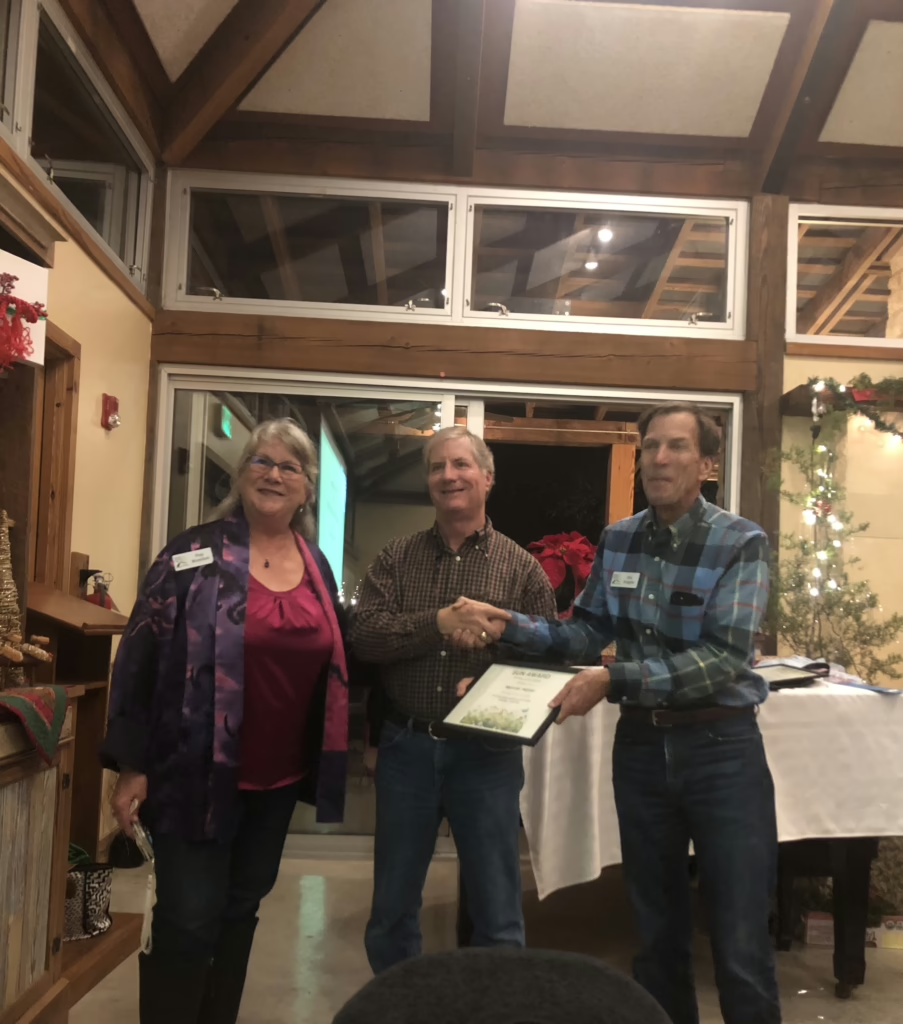
Today, many of our Boerne NPSOT members benefit directly from Marvin’s expertise through the large number of native plants he grows for our plant sales. He remembers well how rare Texas natives once were in the nursery trade: “Finding a cenizo, mountain laurel, or a sumac of any kind in a pot and for sale was really unusual. Now at least a few natives are available at almost every nursery—even the large box stores. It’s truly amazing how things have changed in that respect.”
When it comes to deciding what to grow, Marvin keeps it practical—and honest:
“I generally grow the natives that I want to plant at my house and just grow extras for the plant sales. My theory is that I can grow a large number of a particular plant from seed and have plenty of individuals to plant in various locations around my property. Some are direct seeded where I want them (planting large numbers of seeds to account for the ones eaten by deer or armadillos), and others are grown in pots for transplanting later.
If I had purchased those plants I would have gone broke a long time ago! After all, we are extremely lucky if we happen to get a native plant in the “right” place for it to eventually thrive and grow with only natural rainfall. I have to plant them in various locations and hope that I luck out and get at least a few in a good spot.”
Through years of experience, Marvin has also learned an important lesson many native plant gardeners eventually face: “Like many of us, I have become a collector of sorts and think that I can make every native Texas plant grow on my little piece of ground. It really doesn’t work that way and at some point you will come to realize that you might not have the right environment for that big tooth maple, madrone or smoke tree but that cedar elms, lacey oaks and flameleaf sumacs flourish at your location.”
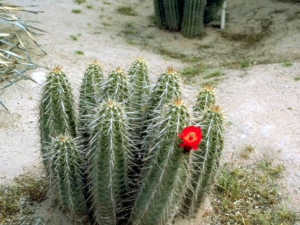
At the heart of Marvin’s gardening efforts is a deep passion for plants that support wildlife: “Plants that feed birds and butterflies are of special interest to me. Of course my interests change from time to time but there are a couple of pipevines (Aristolochia erecta and A. coryi) along with some native passionflowers (Passiflora lutea, P. tenuiloba, P. affinis) that have my interest right now.
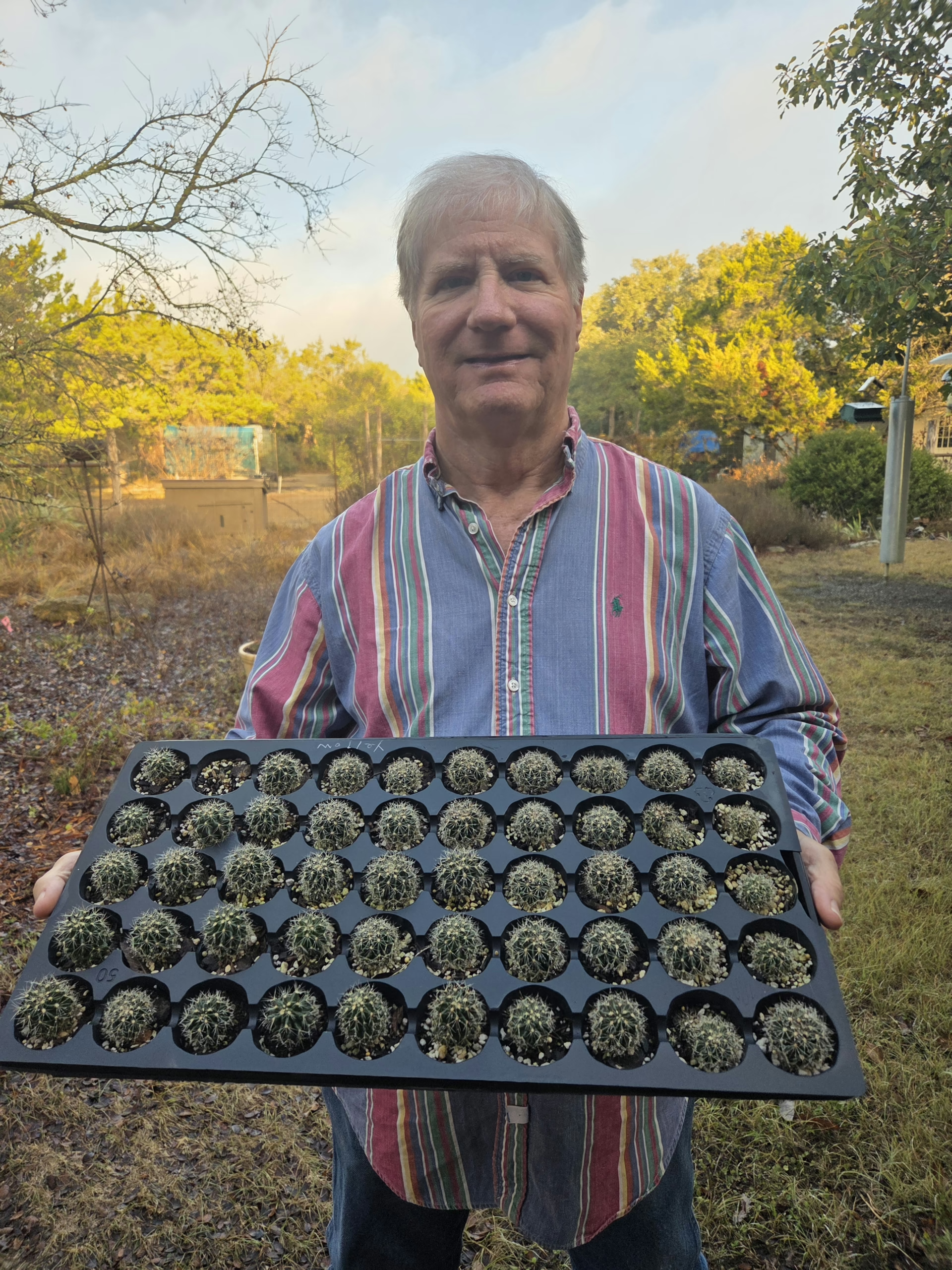
I also have started growing some of the small native barrel type cactus (claret cup, lace cactus and several others) from seed. Over the years I have gotten many natives started and they have thrived to the extent that they are now seeding out at various locations on my 3 acre plot and if they are in a place I don’t particularly want them to be, they become candidates for our plant sales.”
From Texas natives to tropical orchids and cold-hardy cacti, Marvin’s love of plants knows few boundaries.
“Plants are definitely my passion. Hopefully I can share my experiences and resources so we can all find the right plant for the right place.”
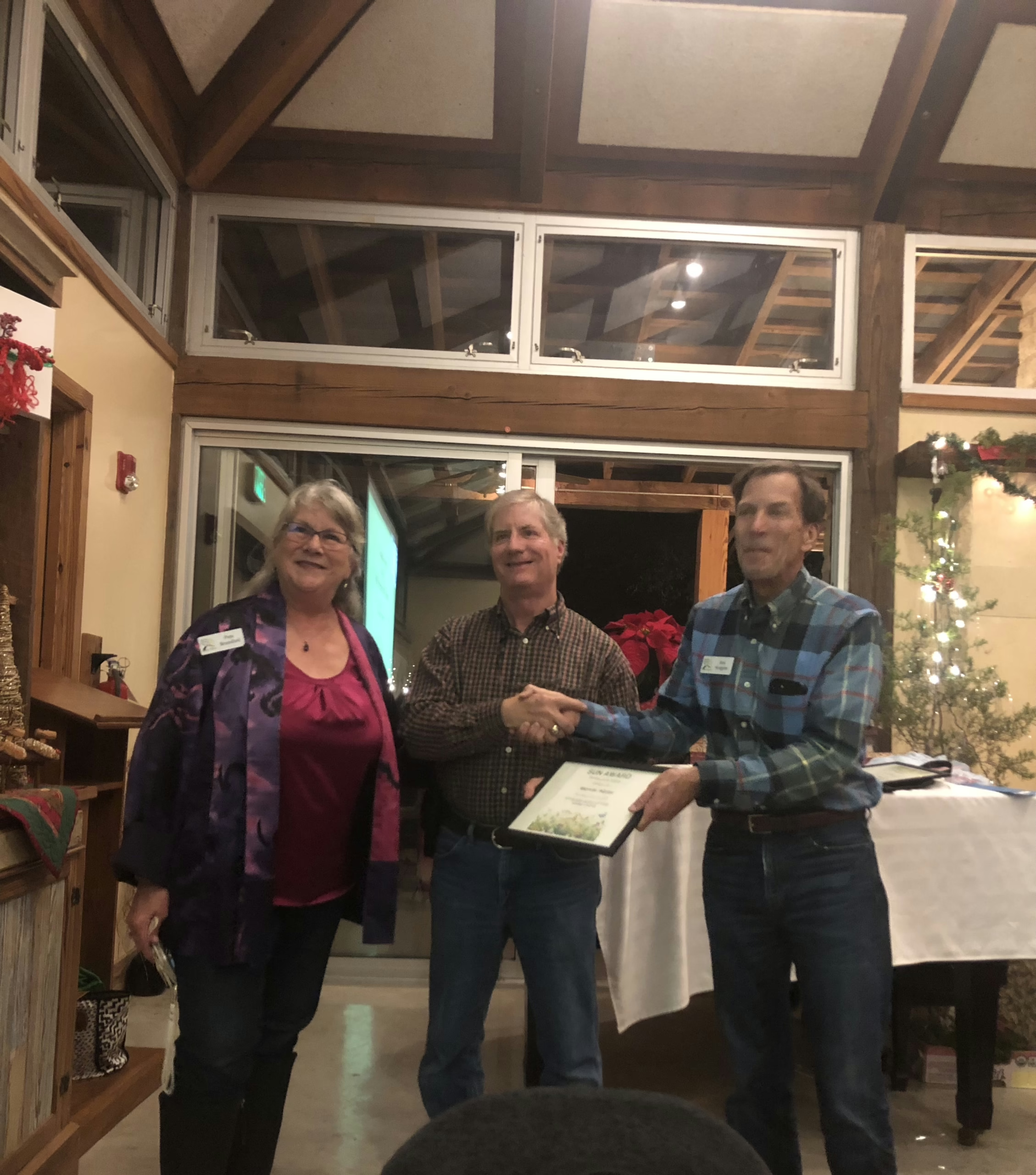
We are grateful for Marvin’s decades of dedication, generosity, and willingness to share his deep knowledge of native plants with our community.