Bastrop County Chapter

Plants of the Month

January 2025 Plant of the Month

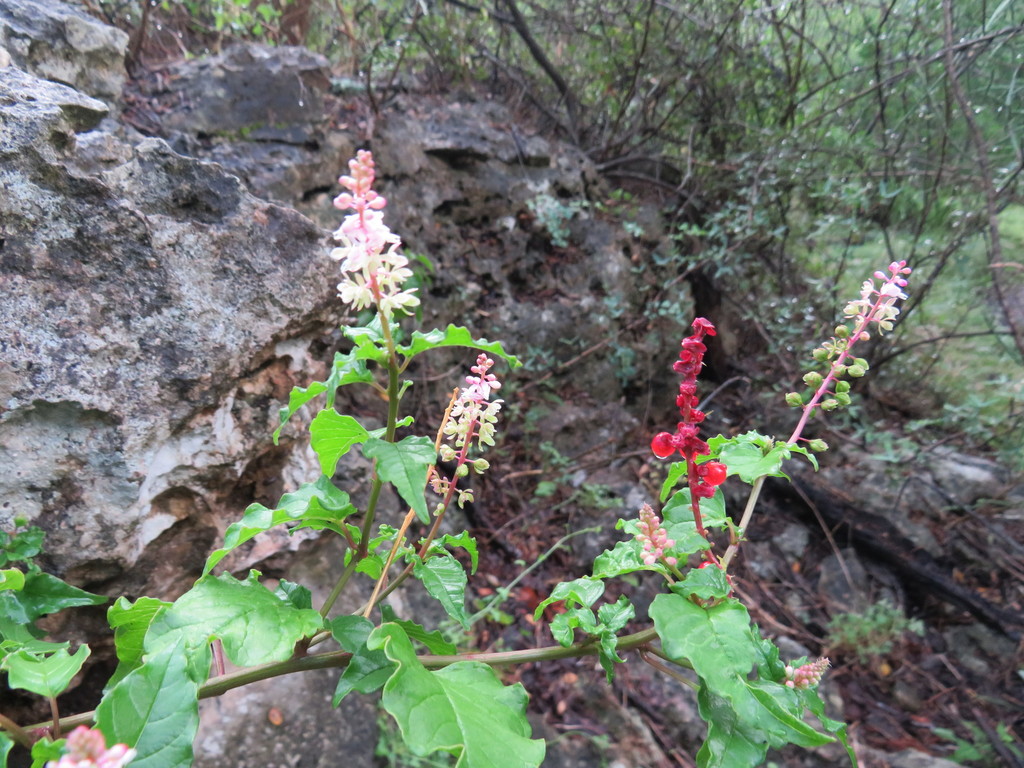
Howdy plant lovers! Hope your New Year is off to a great start! This month, we are celebrating the beautiful, hardy native plant Rivina humilis. Though it is small and delicate, it packs a mighty impact!
 
Why we love it:
– Supports local pollinators while birds enjoy its edible berries
– A resilient plant that tolerates both sun and shade
– Blooms January-December if its growing conditions are right
 
It is ideal for water-wise gardens and is sure to add visual interest to your yard. It even grows great in containers!
 
Click on the plant image below for more information.

Pigeonberry

Rivina humilis

December 2024 Plant of the Month

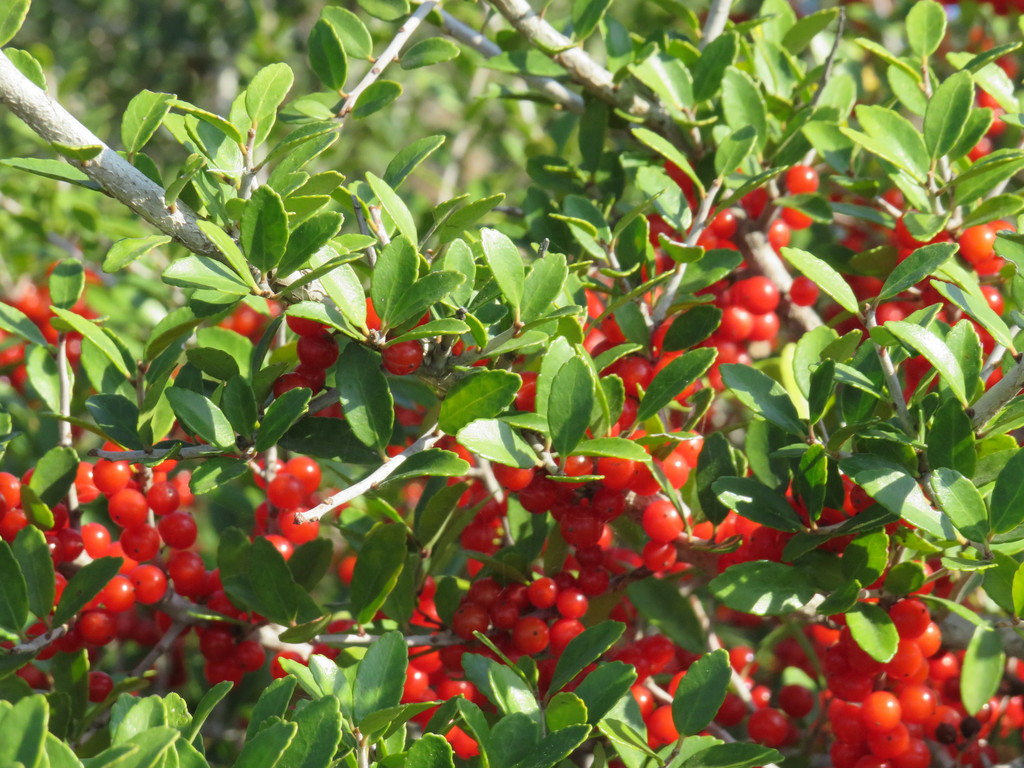
This month, we’re celebrating the resilient and versatile Ilex vomitoria, better known as Yaupon Holly and a true Texas treasure!  Why we love it: – Winter Beauty: Yaupon holly’s bright red berries add a cheerful pop of color to the winter landscape, making it a seasonal favorite. – Wildlife Magnet: Those berries are a feast for birds and other wildlife, offering critical food in the colder months. – Year-Round Charm: Its evergreen leaves and compact form make it a standout in any native garden.  Did you know? Yaupon holly is the only native North American plant known to produce caffeine. Its leaves can be brewed into a traditional tea that has been enjoyed for centuries! Plant yaupon holly to support local ecosystems and bring year-round beauty to your space.

Click on the plant image below for more information.
November 2024 Plant of the Month

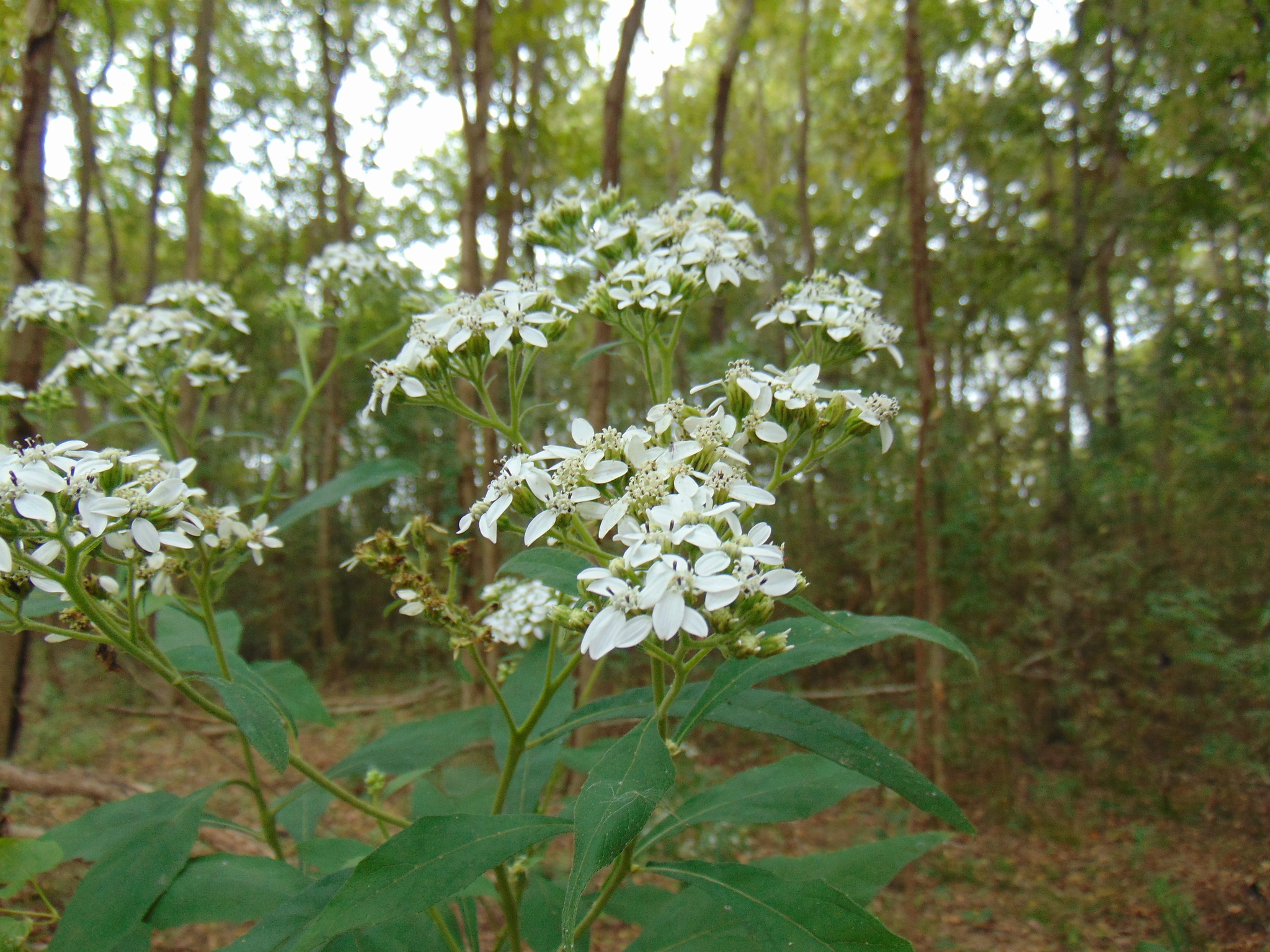
This month, we’re celebrating Verbesina virginica, better known as Frostweed! With its delicate white blooms that attract butterflies and bees in the fall, Frostweed also showcases a winter wonder- beautiful “frost flowers” that form at its base during the first freeze, turning local landscapes into a magical winter scene.

Why we love it:

– Supports local pollinators and native wildlife

– Thrives in part shade and is drought-tolerant once established

– Adds a touch of nature’s magic to native gardens

Planting Frostweed means supporting native habitats and enjoying one of Texas’s best seasonal displays. Have you witnessed these frost flowers in action yet?

Click on the plant image below for more information.
October 2024 Plant of the Month

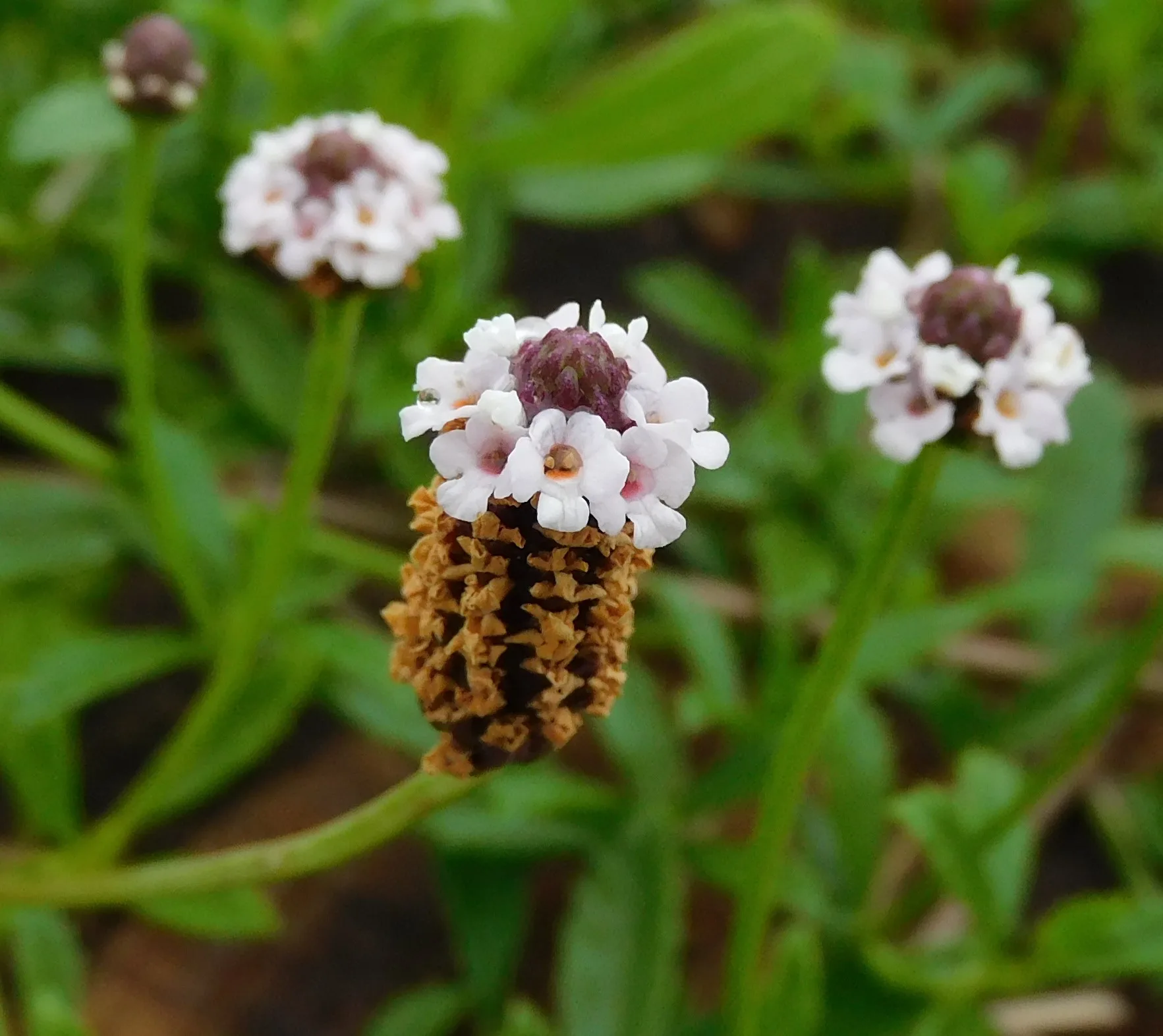
Say hello to Frogfruit (Phyla nodiflora), October’s featured native plant! This low-growing perennial is more than just a ground cover- it’s a pollinator powerhouse! With its tiny white flowers, Frogfruit attracts butterflies, bees, and other beneficial insects, making it a must-have for any Texas garden. Plus, it’s drought-tolerant and thrives in a variety of soils. So whether you’re looking to fill bare spots or create a lush, pollinator-friendly landscape, Frogfruit is the perfect addition to your native garden.

Click on the plant image below for more information.
September 2024 Plant of the Month

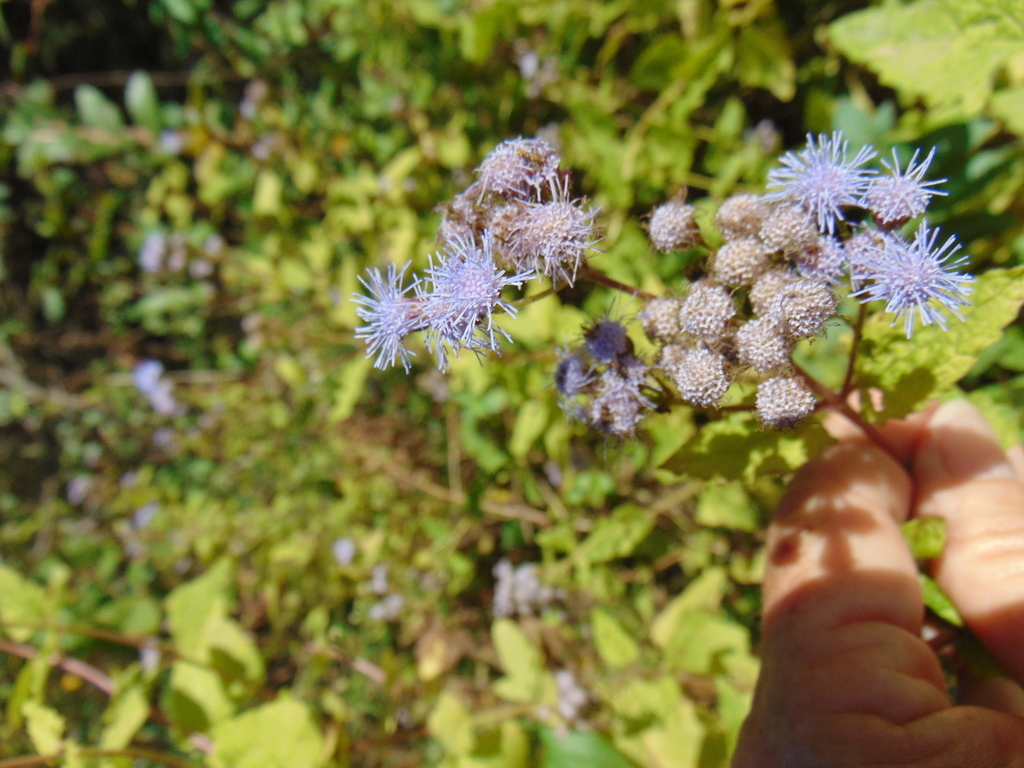
This month, say hello to Blue Mistflower (Conoclinium coelestinum), a beautiful, low-maintenance native plant that adds a subtle pop of color with its soft, lavender-blue blooms. It will attract ALL of the butterflies to your yard and thrives best in partly sunny spots. It blooms July-November, can be grown in containers, and is a great choice  for sustainable gardening. Click on the plant image below for more information.
Blue Mistflower

Conoclinium coelestinum

August 2024 Plant of the Month

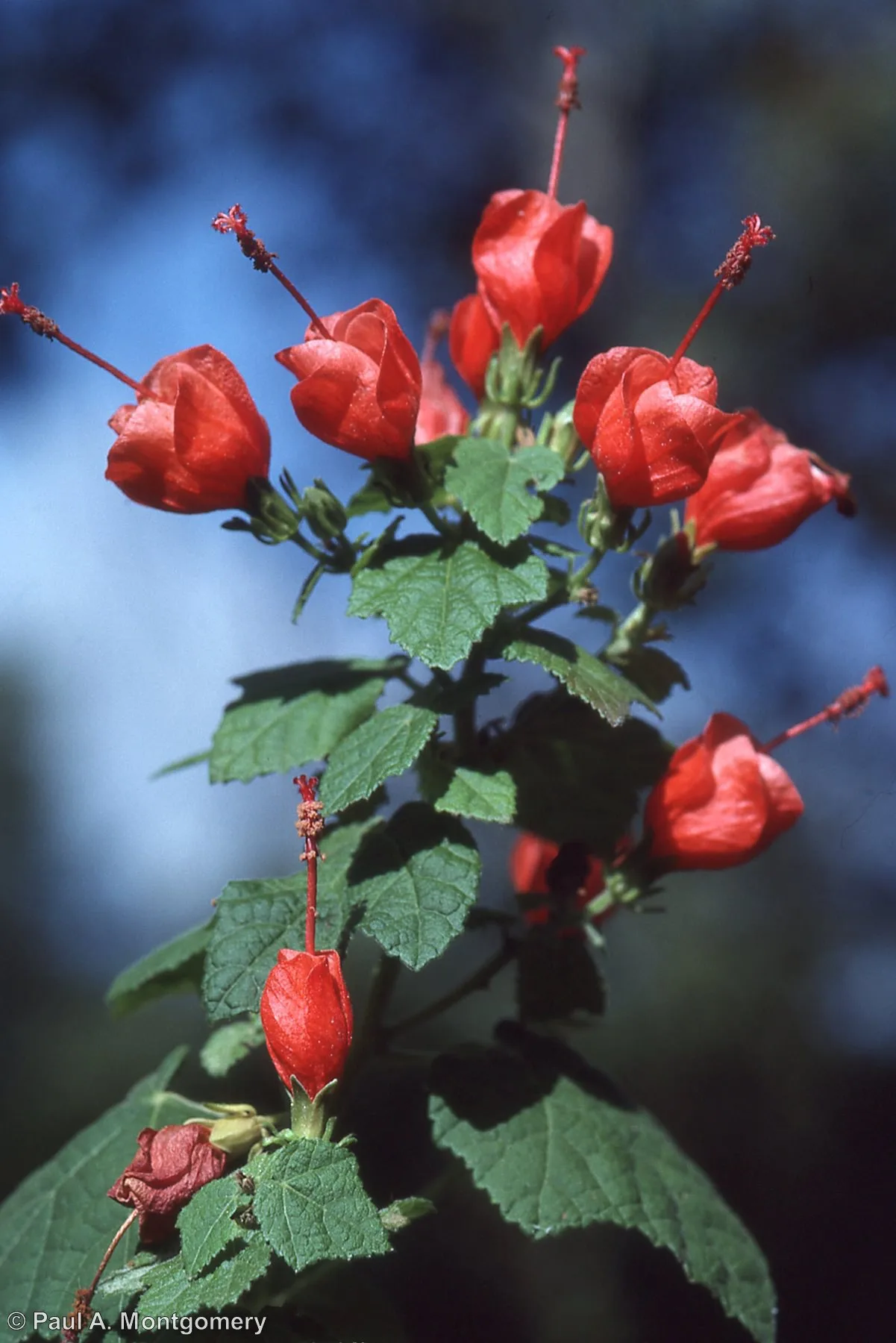
This month, we are celebrating the vibrant Turk’s Cap (Malvaviscus arboreus), a stunning native plant that you are surely going to want to add to your garden. It blooms from June through November, has bright red hibiscus-like flowers that never fully open, is loved by hummingbirds and butterflies, it thrives in hot, dry conditions, and it grows well in both sun and shade. Therefore, it is a flexible choice for any garden space!
Click on the plant image below for more information!

About the Region

2026 Fall Symposium Logo

This low-elevations region of Texas extends inland from the barrier islands, about 60 or so miles, and stretches from Brownsville to Louisiana. In total, it covers about 9.5 million acres, with a high point of 150 feet in elevation. More than 1000 species of plants can be found in this region. On the southern end, species more common in Mexico (such as Sabal mexicana) and Central America occur.

The barrier islands provide us with dune systems, and clay flats to the inland side, which have species found in these areas alone. Many plants here, such as Ipomoea pes-caprae (beach morning glory), can be found throughout tropical regions of the globe. I’ve encountered the same species on the beaches of Guam.

Once inland, vast marshes and wet prairies occur. Occasionally, oak (Quercus fusiformis) groves can be found. Common grasses include species of Bothriochloa, Paspalum, and Sporobolus; eastern gamagrass (Tripsacum dactyloides); and switchgrass (Panicum species). Many rivers and creeks cut through the Gulf Prairies, and along these riparian areas various species of trees, Sabal minor, and other plants adapted to clay soils can be found. Due to overgrazing, farming, and fire suppression, woody species such as mesquite (Prosopis glandulosa) and huisache (Acacia farnesiana), and invasive species such as chinaberry (Melia azedarach), Brazilian pepper (Schinus terebinthifolius), and Chinese tallow (Sapium sebiferum) have increased and displaced our native flora.

Source: Wildflowers of Texas by Michael Eason