Monthly Talks
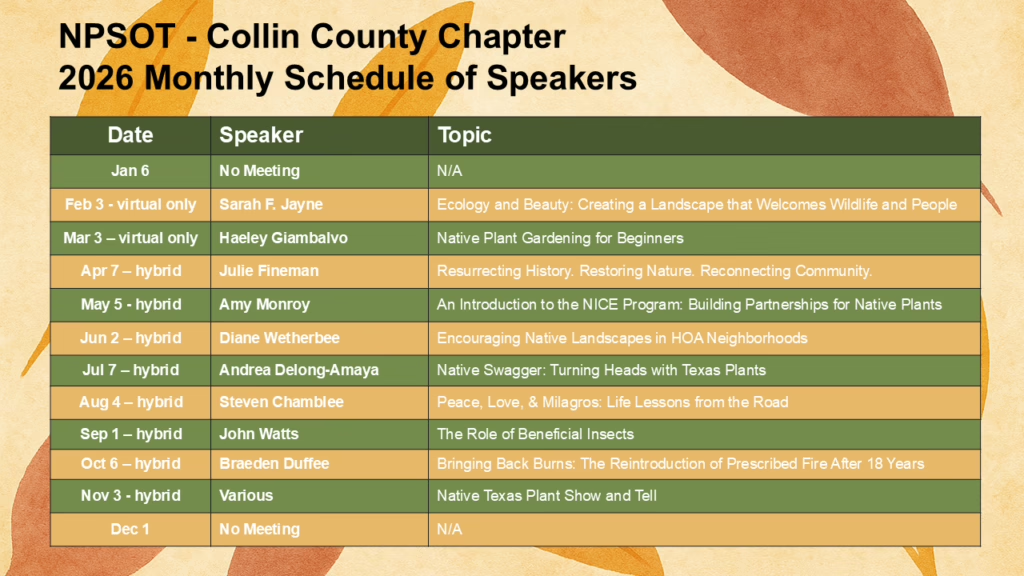
The Collin County Chapter of NPSOT meets on the first Tuesday of each month at 6:30 p.m., except in January and December. These talks include a featured speaker discussing a topic related to Native Plants of Texas. A full listing of our 2026 chapter meeting speakers is below. For a detailed description of upcoming chapter meetings, please see the Events page.
If you would like to be notified of upcoming chapter meetings, and other updates, please send an email requesting to be added to our mailing list.
Native Plant Sale
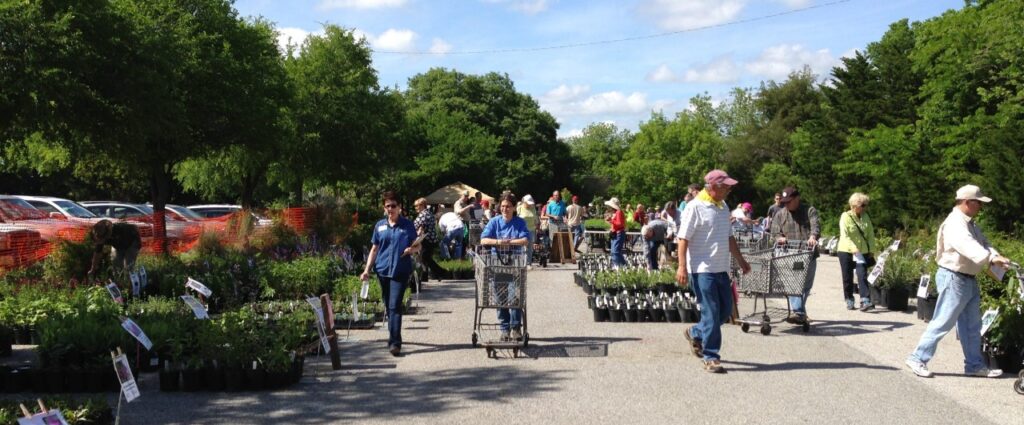
The Heard Natural Science Museum and Wildlife Sanctuary in McKinney is holding its annual native plant sale in 2026 on April 17 – 19. April 17 is for Heard Members only and the sale is open to the public on April 18 – 19. Our chapter partners with the Heard Museum on the native plant sale. The sale is one of the longest-running, largest, and best native plant sales in Texas.
Field Trips & Nature Walks
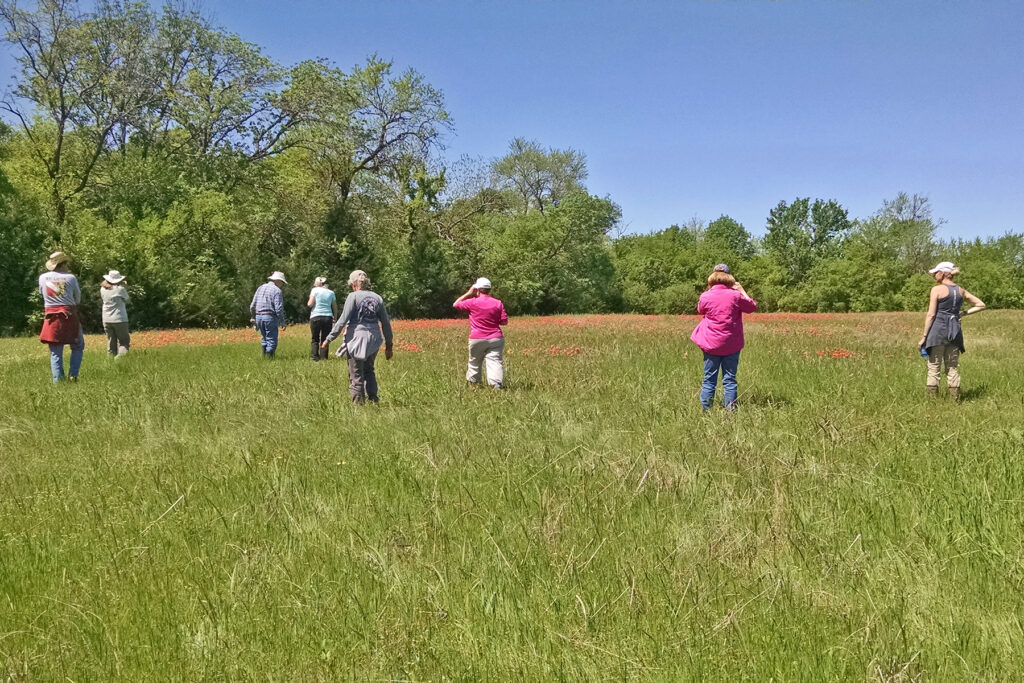
We frequently lead field trips and walks to points of interest related to native plants. These include native prairies and forests, nurseries that carry native plants, and other similar venues. See our Event page for a listing of upcoming trips and walks.
Seed Packet Kits
Throughout the year we create native seed packet kits to sell at events. Our members collect seeds and then clean, sort, and package them for sale. Volunteer opportunities are available to help with packaging seed packet kits.
Community Outreach
The Collin County Chapter participates in events around the county and North Texas to advocate for native plants. Typically, we will work with schools, charitable organizations, youth groups, and other non-profits to help the community learn more about the benefits of native plants. In addition, we have information booths and speak at a variety of events.
Speakers Bureau
The NPSOT Speakers Bureau connects our local and state-wide experts with organizations that need speakers related to native plants of Texas. Some past topics have included:
- “Why Native Plants?”
- “Landscaping with Natives”
- “Pollinator Gardens”
- “Monarchs and Milkweed”
Please use our Contact Us form to send your request, and a member will help you with identifying an expert for your topic.
Native Plant Garden Assistance
We offer non-profits, churches, government entities, and public parks within Collin County and adjacent counties free native plant garden design assistance. Our team of volunteers will provide a consultation site visit and can coordinate volunteer efforts for the garden installation. We will help identify plants that will do well based on the local site conditions (soil, sun and moisture).
For organizations, we request they identify a champion who will support the project and has the authority to ensure development and maintenance tasks are completed by your staff or volunteers based on our recommendations.
Provide us with as much details as possible in our Contact Us page and one our members will contact you to learn more about the project, your organization, and coordinate a site visit.
Education
The Native Landscape Certification Program (NLCP) is a series of day-long classes that teach best practices for native plant landscaping – including wildlife habitat gardening. This program is managed by the State NPSOT team, with local classes hosted in our area and often taught by our members.
Each class consists of an indoor training session and a 2-hour outdoor plant walk. The classes showcase native plants in their natural habitat, illustrating their use in the landscape. You will also see common invasive plants in natural areas.
Targeted audiences include homeowners, native plant enthusiasts, landscape architects, architects, plant nursery employees, maintenance workers, park employees, Master Naturalists, Master Gardeners, teachers, and more.
For more details on the NLCP: About – Class Schedule – Class Descriptions.
For more information – nlcp@npsot.org