San Antonio Chapter

Harmony Hills Cabana Club Native Plant Garden

Before
Removing old planters
Helping Remove Pavers
Site Work
Ellen and Teresa
Removing Parking Blocks
After Site Work Was Done
Soil Delivery
Spreading Soil
Delivering Stones
Soil and Stones in Place - Ready for Planting
Plants Layout
Planting!
Plants in Ground
Mulch Delivered
Mulch Spread
Unloading Bricks
After

Project Details

The San Antonio Chapter of the Native Plant society provided a grant to NPSOT members Ellen Hagan and Teresa Maslonka in 2022 to purchase plants for a native plant demonstration garden at the Harmony Hills Cabana Club. The rest of this garden project – site work, soil, mulch and signage – was paid for by the community via a fundraiser selling personalized bricks

The goal was to create a native plant demonstration garden at the entrance of the Harmony Hills Cabana Club pool house to showcase and identify the usage of low maintenance, drought tolerant, beautiful native plants in a professionally-designed, conventionally-attractive garden. The plant palette selected largely included the larger, ornamental native grasses, shrubs and agaves, interspersed with a few flowering, pollinator-friendly perennials and ground covers.

The project took a full year to complete as substantial site work was required. Volunteers helped with all phases of the work – from site work to planting, weeding, and watering! 

Plant List

The plants in the garden were selected for a number of reasons, including drought-tolerance, beauty, availability, and ease of maintenance. If you are interested in adding any of these plants to your garden, you can learn more about them below. You’ll also find resources for locating native plants here.


ImageCommon & Scientific NameWater UseLight RequirementSoil MoistureDurationBloom Color
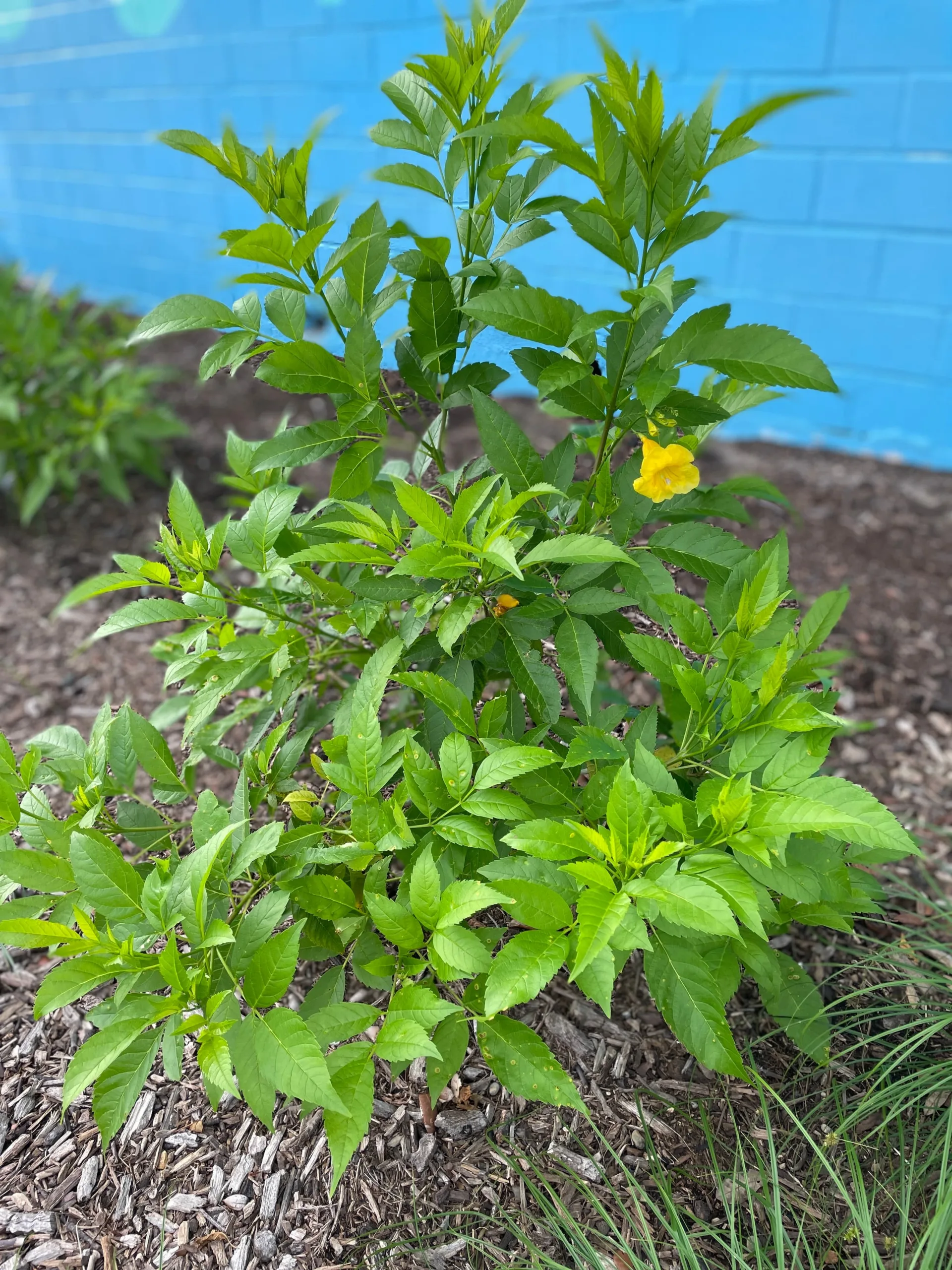
1. Esperanza, Yellowbells

Tecoma stans
LowSun, Part ShadeDryPerennialYellow
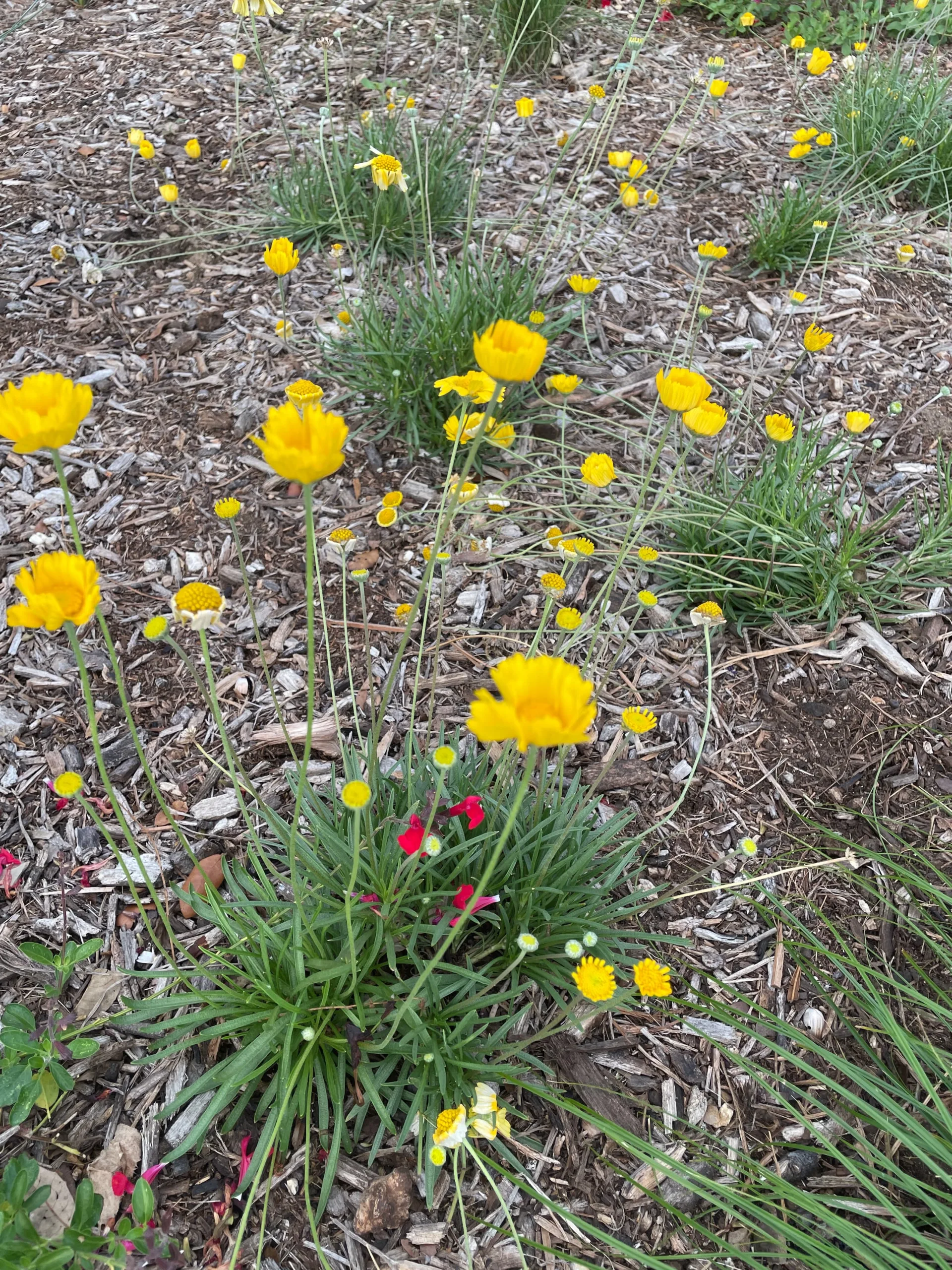
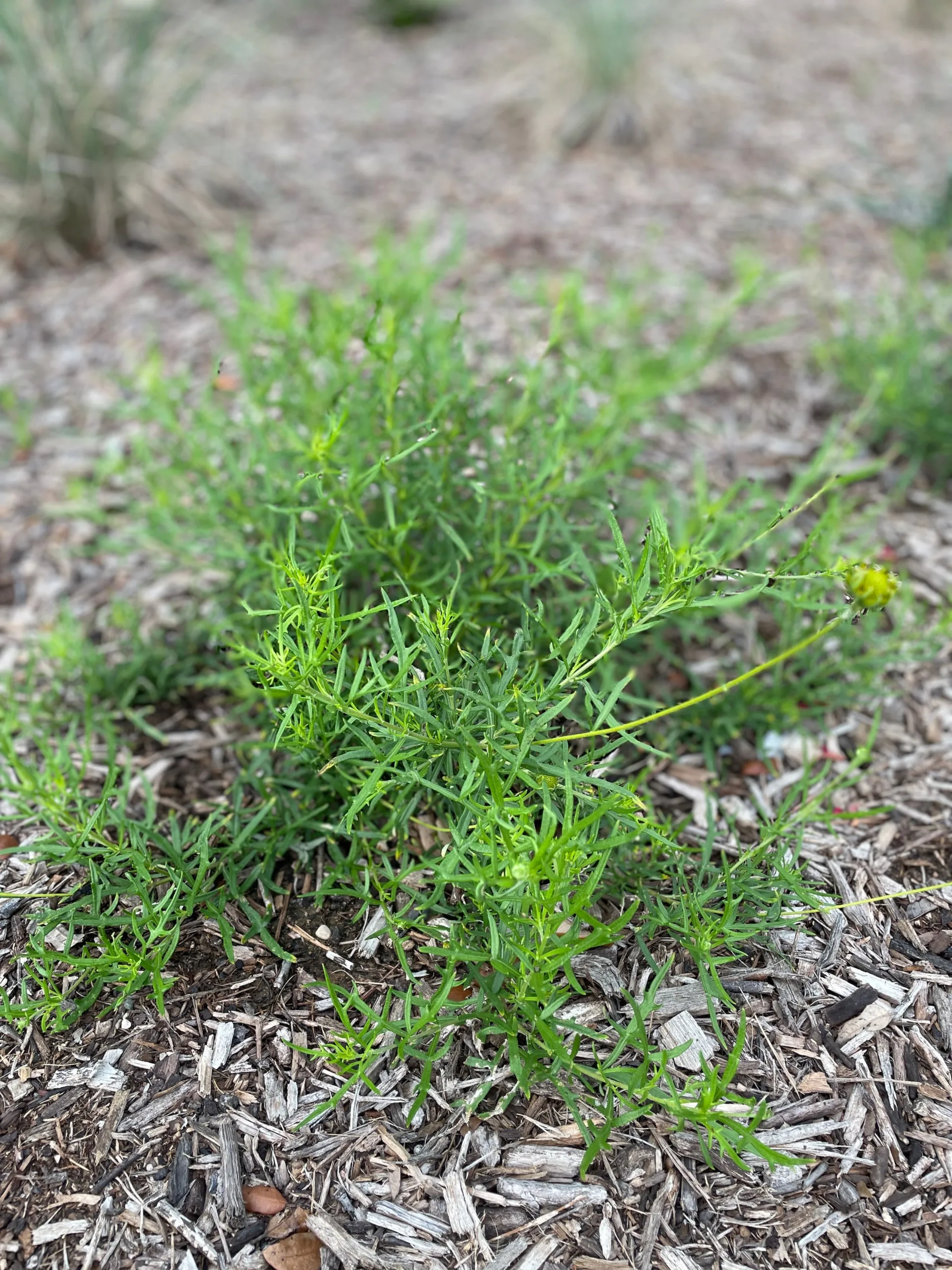
2. Four-nerve Daisy

Tetraneuris scaposa
LowSun, Part ShadeDryPerennialYellow
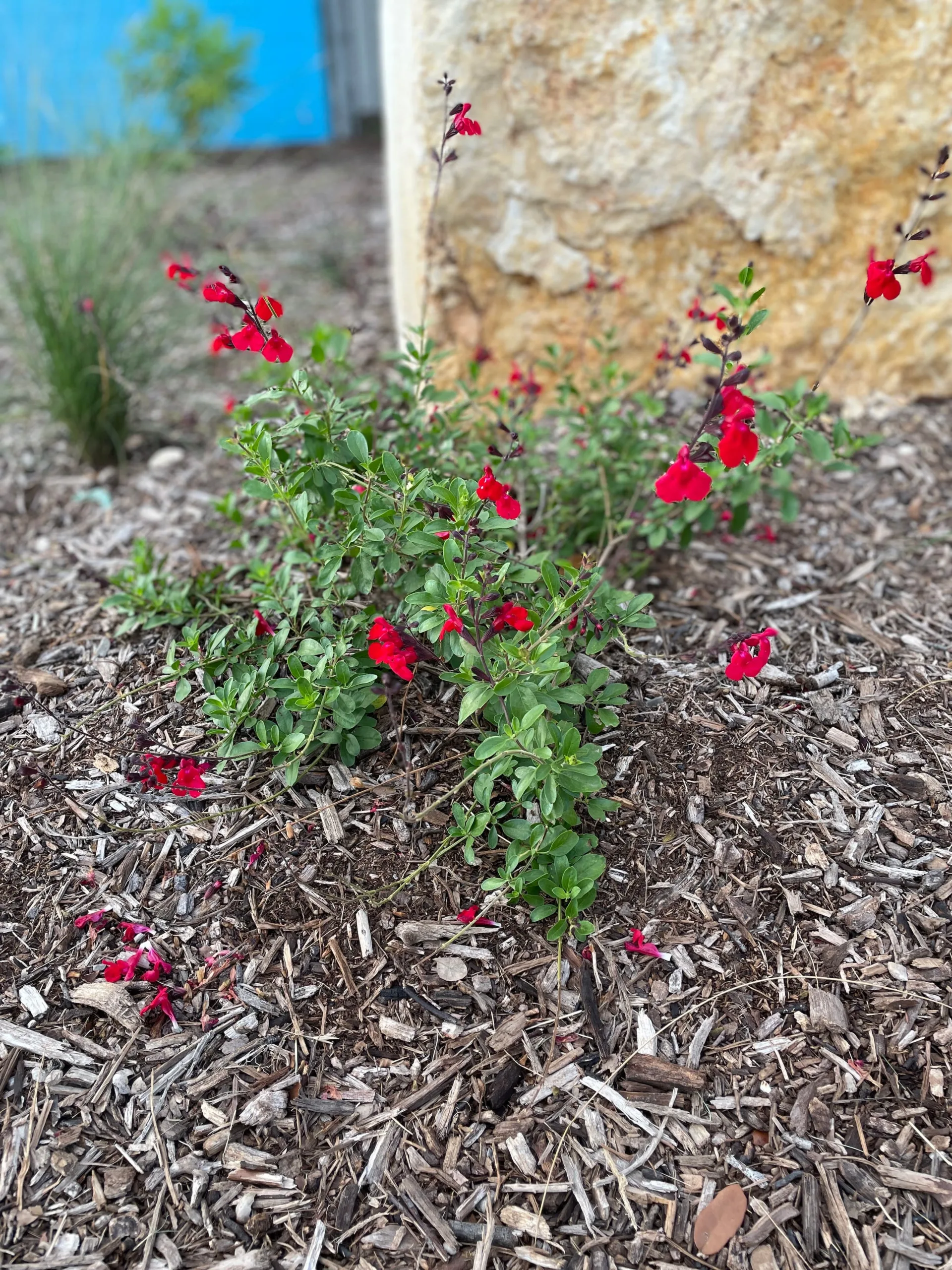
3. Gregg Salvia, Autumn Sage

Salvia greggii
LowSunDryPerennialRed
4. Gulf Muhly

Muhlenbergia capillaris
Low, MediumSunDry, MoistPerennialGrasses; Pink & Purple
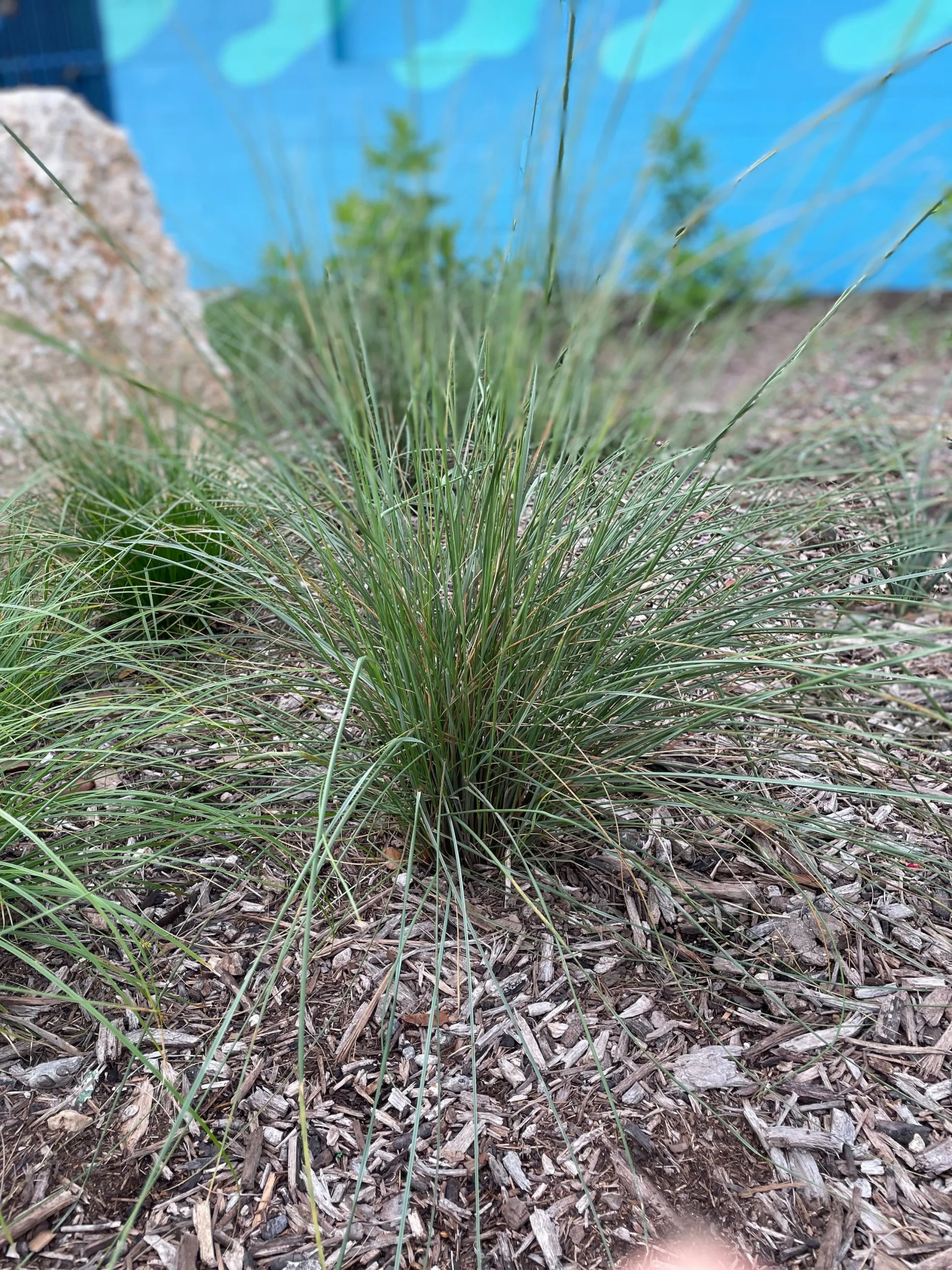
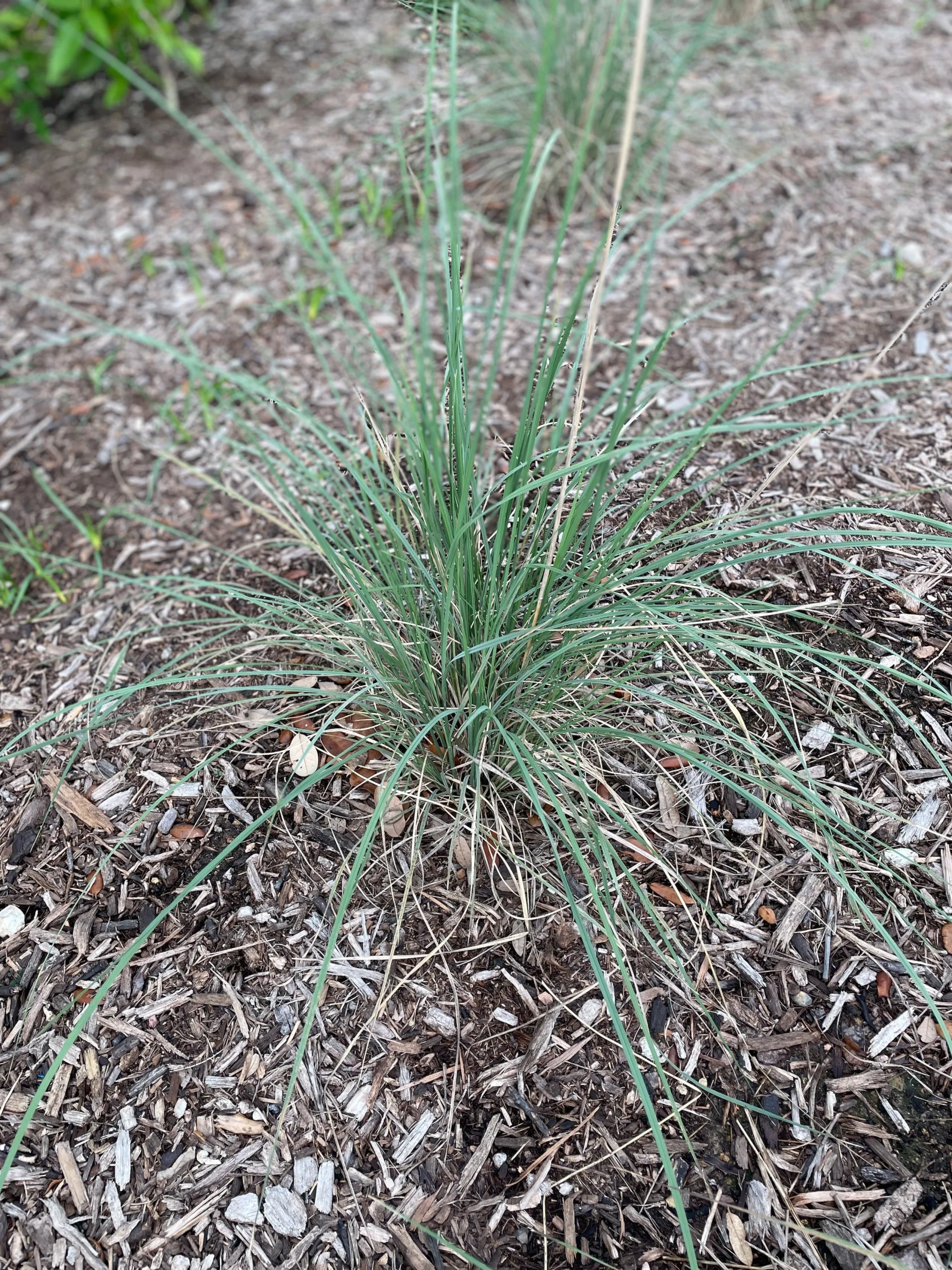
5. Lindheimer Muhly, Big Muhly

Muhlenbergia lindheimeri
MediumSunDry, MoistPerennialGrasses; Cream
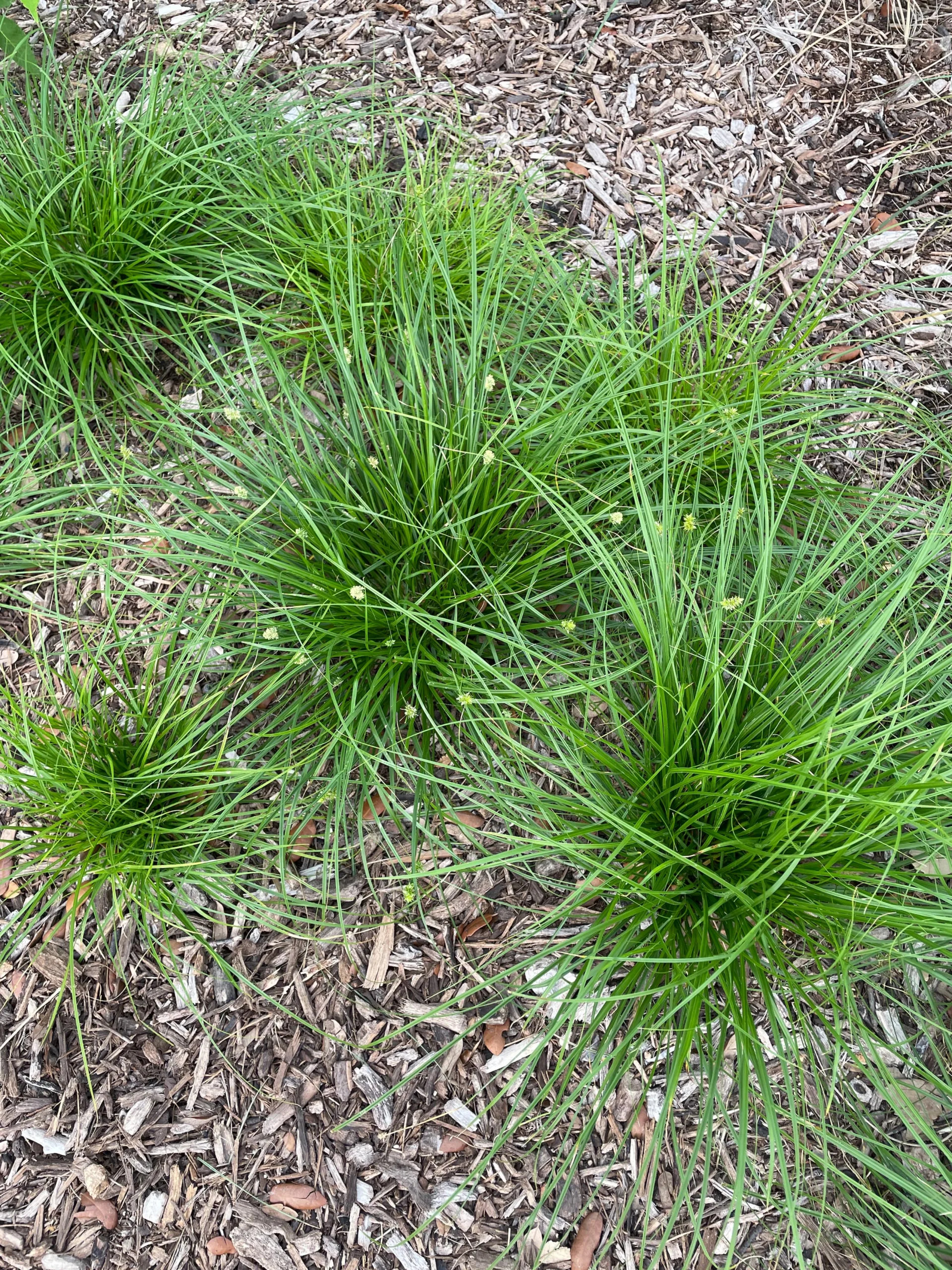
6. Meadow Sedge, Webberville Sedge

Carex perdentata
SunMoistPerennialGrasses
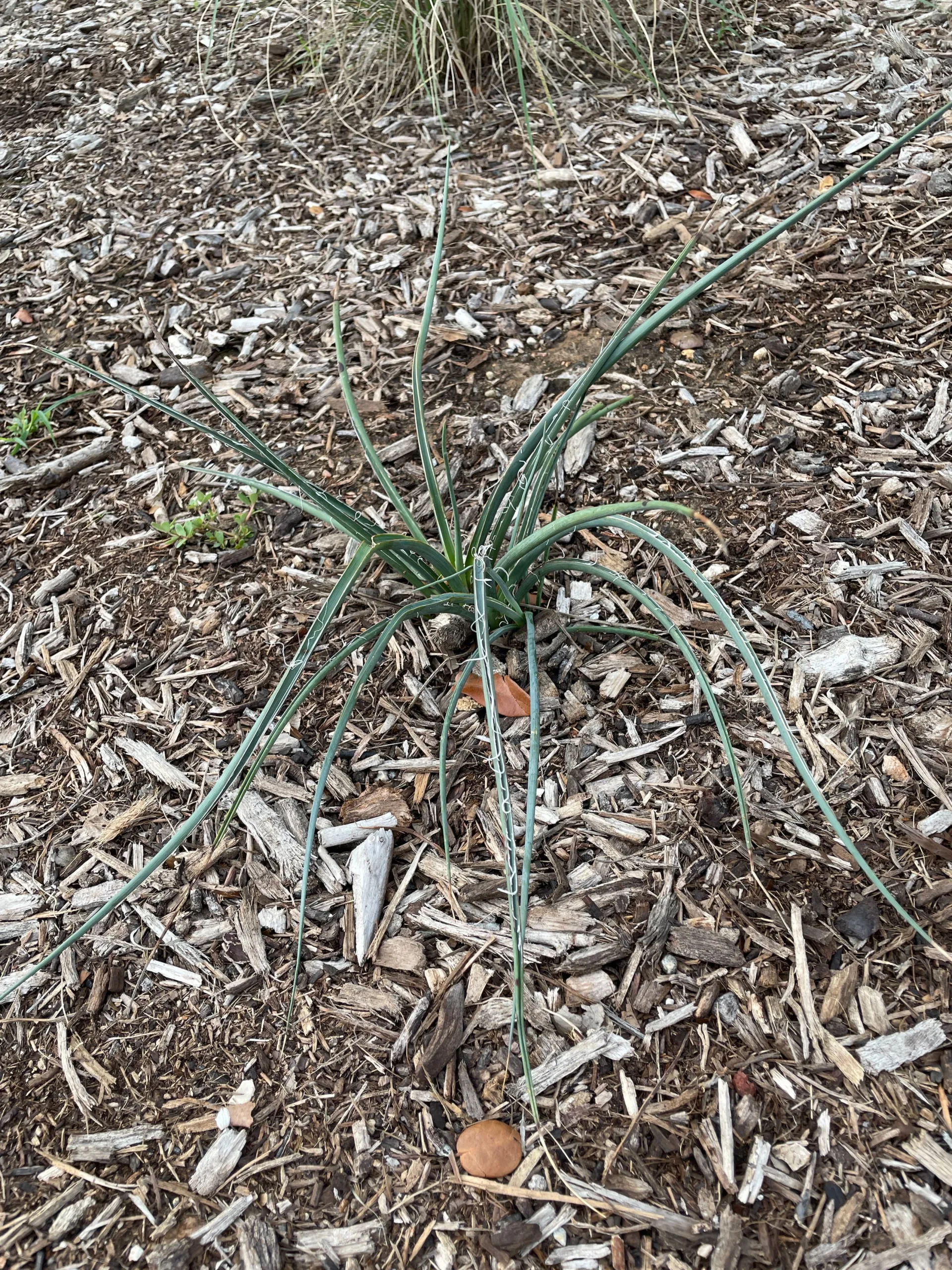
9. Red Yucca

Hesperaloe parviflora
LowSunDryPerennialPink
7. Skeleton-leaf Goldeneye

Viguiera stenoloba
LowSun, Part ShadeDryPerennialYellow
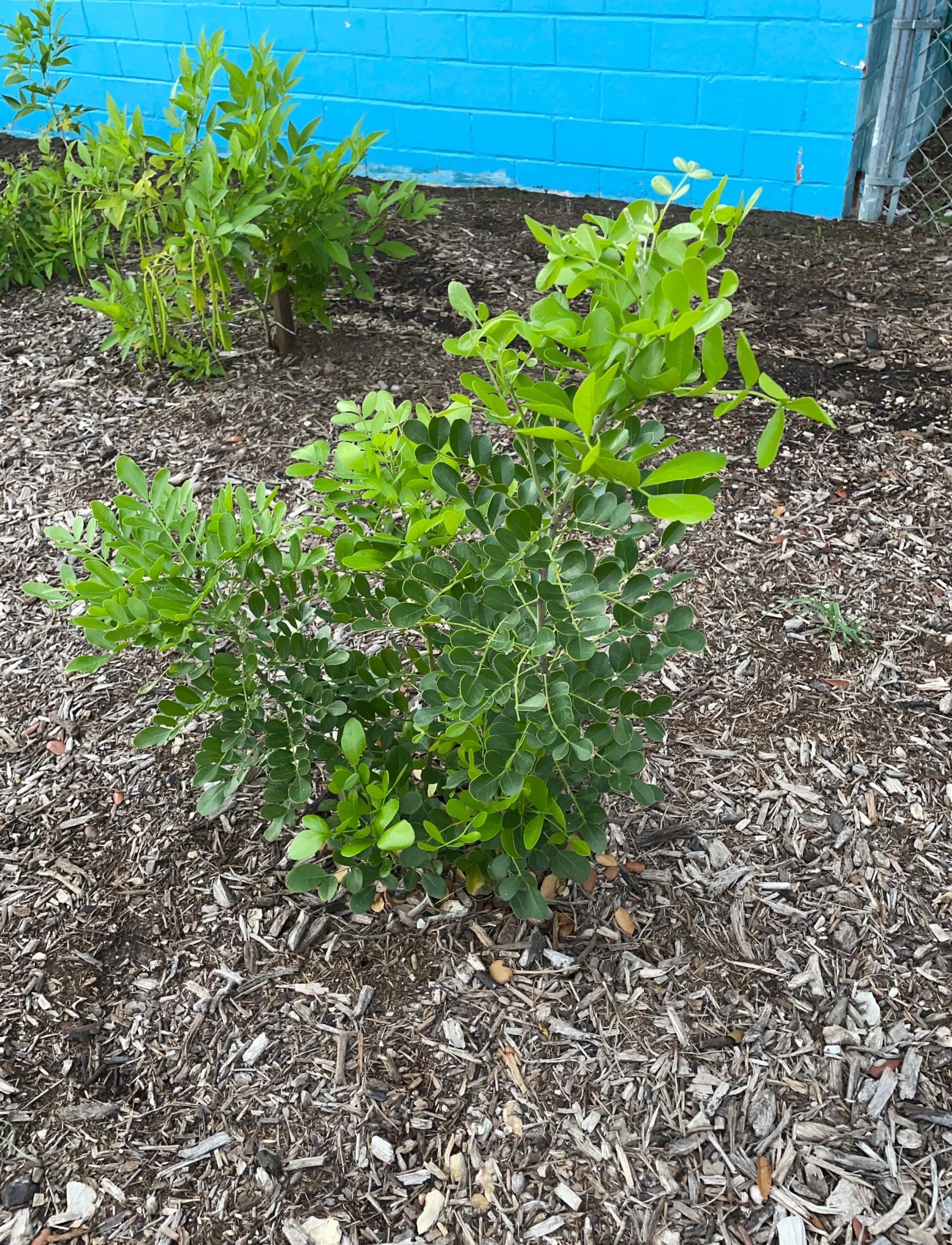
8. Texas Mountain Laurel

Sophora secundiflora
Low, MediumSun, Part ShadeDry, MoistTreeTrees; Purple
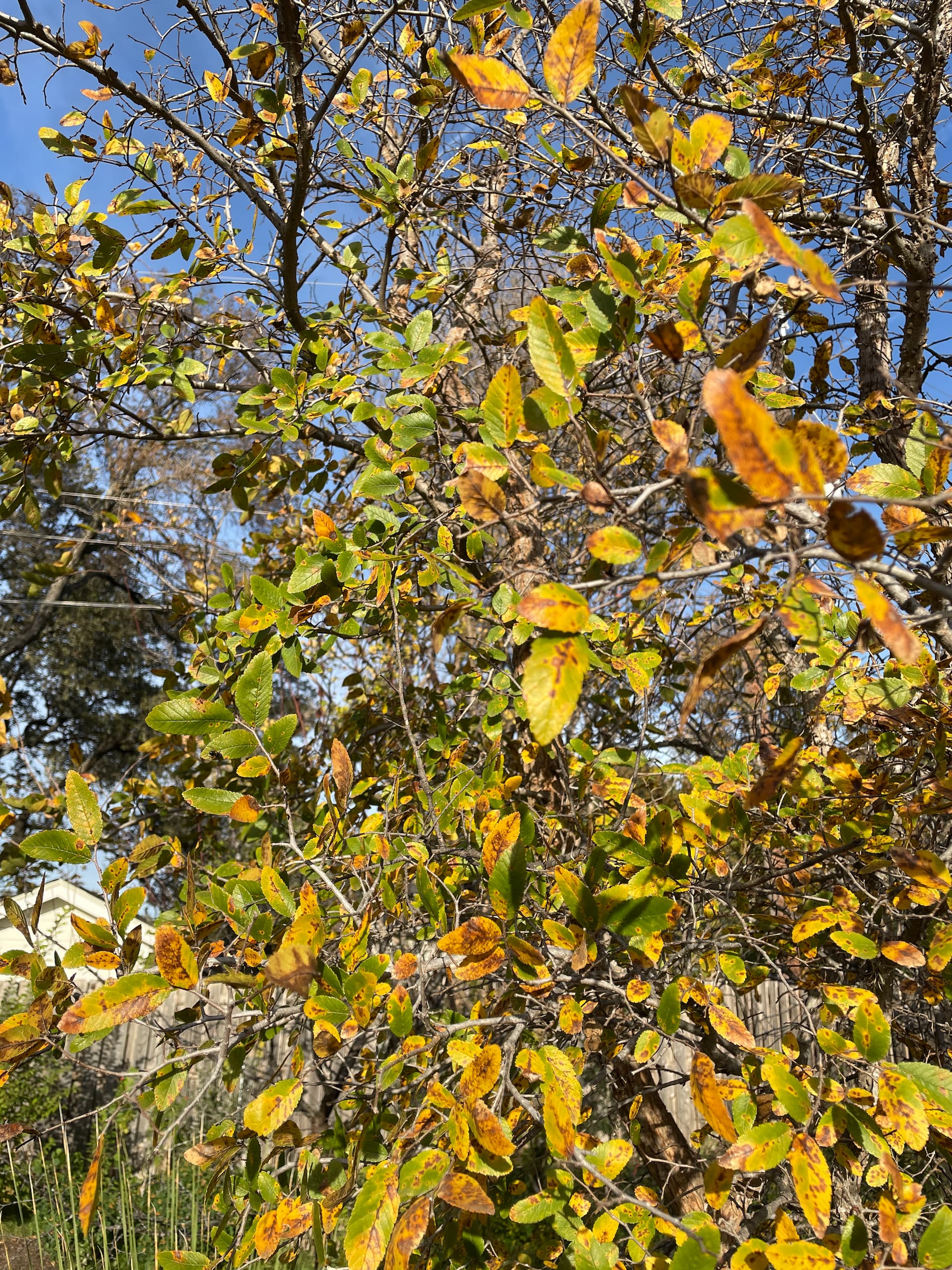
9. Cedar Elm

Ulmus crassifolia
MediumPart ShadeMoistTreeTrees & Shrubs
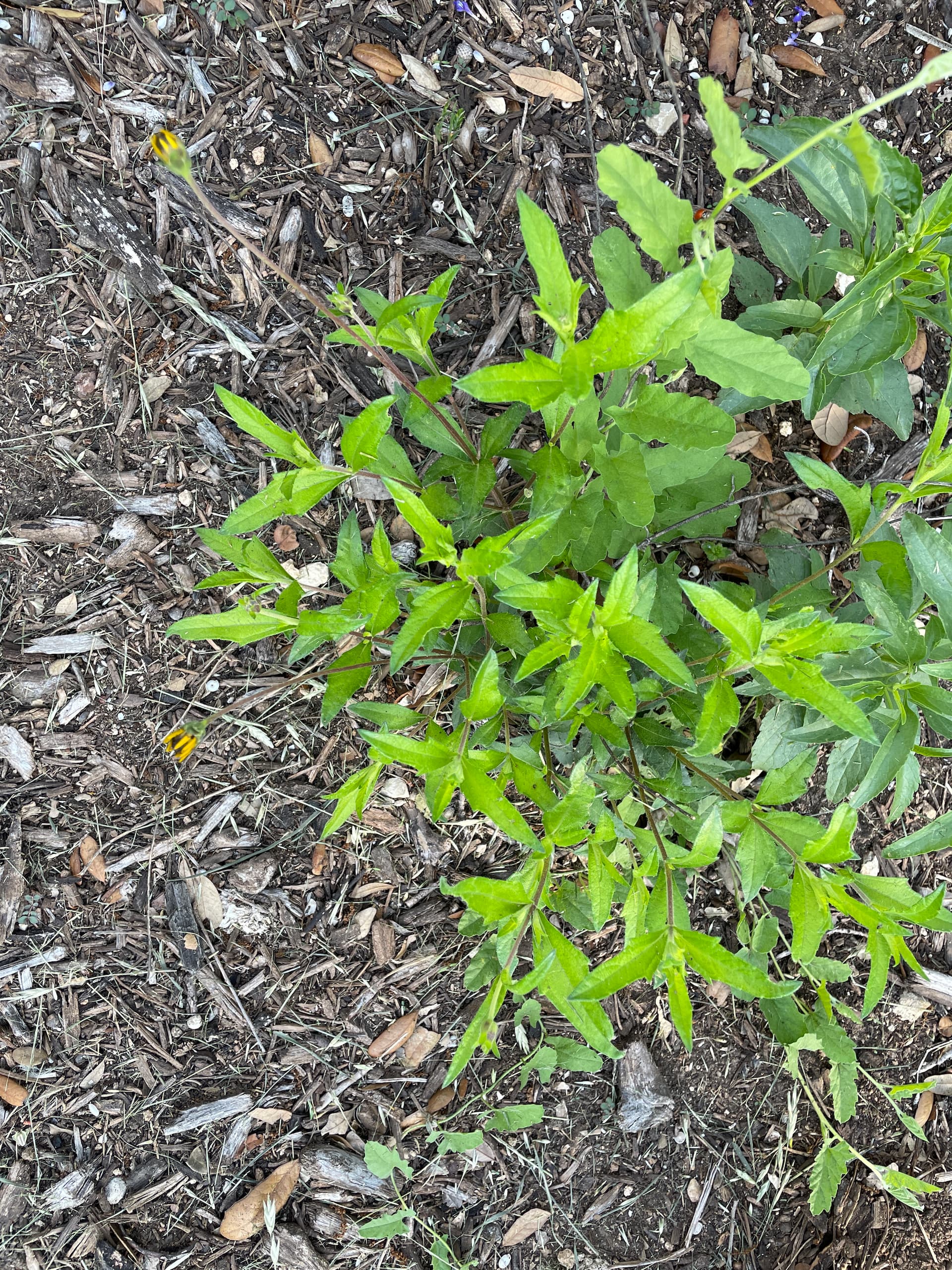
10. Zexmenia

Wedelia acapulcensis var. hispida
LowSun, Part ShadeDry, MoistPerennialYellow & Orange

About the Region

2026 Fall Symposium Logo

This low-elevations region of Texas extends inland from the barrier islands, about 60 or so miles, and stretches from Brownsville to Louisiana. In total, it covers about 9.5 million acres, with a high point of 150 feet in elevation. More than 1000 species of plants can be found in this region. On the southern end, species more common in Mexico (such as Sabal mexicana) and Central America occur.

The barrier islands provide us with dune systems, and clay flats to the inland side, which have species found in these areas alone. Many plants here, such as Ipomoea pes-caprae (beach morning glory), can be found throughout tropical regions of the globe. I’ve encountered the same species on the beaches of Guam.

Once inland, vast marshes and wet prairies occur. Occasionally, oak (Quercus fusiformis) groves can be found. Common grasses include species of Bothriochloa, Paspalum, and Sporobolus; eastern gamagrass (Tripsacum dactyloides); and switchgrass (Panicum species). Many rivers and creeks cut through the Gulf Prairies, and along these riparian areas various species of trees, Sabal minor, and other plants adapted to clay soils can be found. Due to overgrazing, farming, and fire suppression, woody species such as mesquite (Prosopis glandulosa) and huisache (Acacia farnesiana), and invasive species such as chinaberry (Melia azedarach), Brazilian pepper (Schinus terebinthifolius), and Chinese tallow (Sapium sebiferum) have increased and displaced our native flora.

Source: Wildflowers of Texas by Michael Eason