Lakes and Pines Chapter

Nearby Areas of Interest

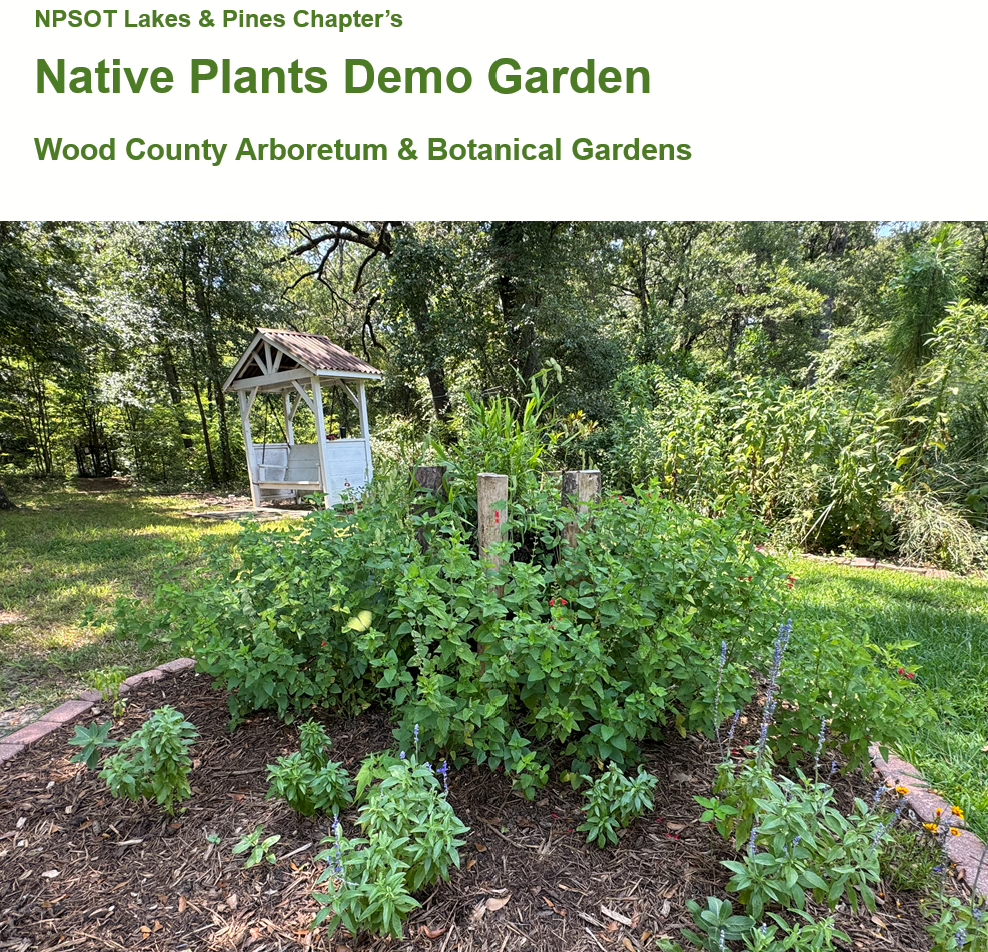
The Wood County Arboretum covers 23 acres and includes a walking trail, gazebo, sensory garden, shade garden, a waterwise garden, numerous rose and flower beds, and the historic Stinson House, built in 1869. The gardens are open year-round and are free to the public. The Stinson house is open by appointment and can be rented for parties and receptions.

The Arboretum includes the first Native Plant Society of Texas Demonstration Garden in our area, currently under development by our Lakes & Pines Chapter members. Click here to see a current list of Texas Native Plants at the Wood County Arboretum.

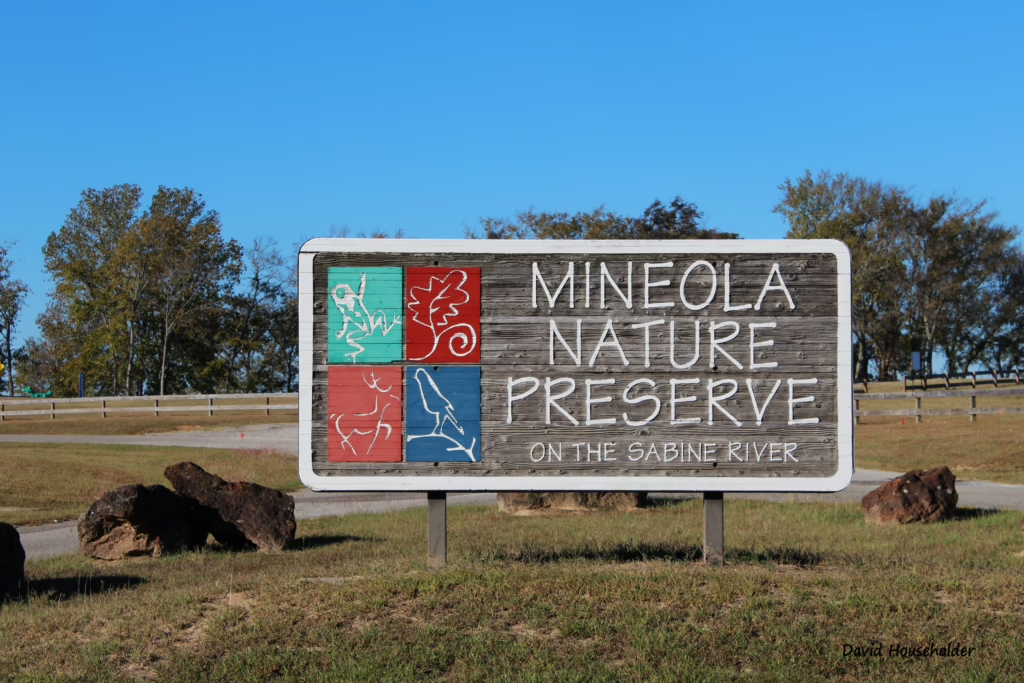
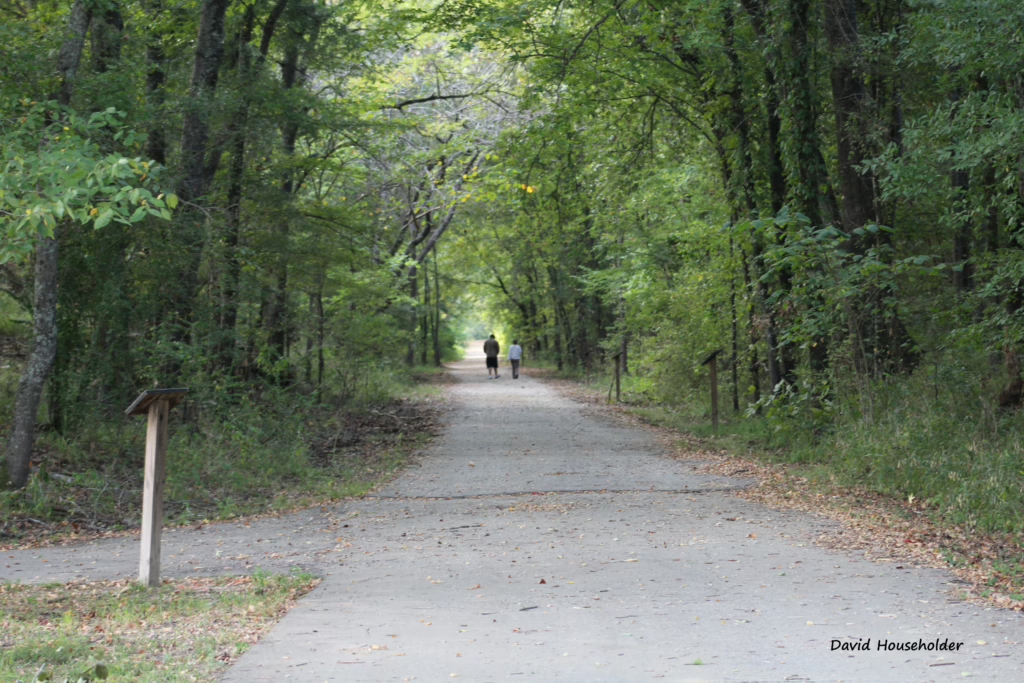
The Mineola Nature Preserve, located in Wood County on the Sabine River, encompasses 2,911 acres and is considered one of the best city parks in the country for its size. The preserve is located in the piney woods region and contains several habitats—grasslands, woodlands, freshwater ponds and wetlands along with the associated native Texas plants. The area is also home to East Texas species of critters that can fly, walk, crawl, and slither including more than 193 species of birds, numerous wildlife, buffalo, longhorn cattle. Imagine walking along a railroad bed built in the 1880’s as you step back in history.

Owned by the City of Mineola, the Birding Capitol of East Texas, this is part of a comprehensive development plan to protect our natural wildlife and habitat for future generations. This pristine area is an escape to the quiet of nature and the solitude of yesteryear. Since its opening in 2006, the preserve has grown to offer a multitude of recreational activities. Whether it’s the 18-hole disc golf course, four mountain biking trails, equestrian paths across the park, archery range or educational beehive, there’s fun for the whole family at the Mineola Nature Preserve.


East Texas Arboretum and Botanical Society

1601 Patterson Rd. Athens, TX 75751 (Hwy. 175 inside Loop 7)

Our Mission is to Celebrate and Educate Our Community Through Nature. You are a part of that community! The Arboretum is for everyone. We have been honored to play a role in the memories of nearly 10,000 guests a year and we look forward to welcoming you into the garden soon. Whether your visit is for exercise, mental support, educational, or to celebrate a special moment, you have a place in the gardens. It is because of our deep connection to improving our community through our community that we call the East Texas Arboretum OURboretum.

Explore 104 acres of East Texas hiking trails, heritage exhibits, and gardens. We can all learn to become a source of inspiration and guidance for others who would like to help preserve our priceless natural resources. Throughout the Arboretum, guests are invited to immerse themselves into the benefits of nature and to connect to our East Texas roots.

About the Region

Fall Symposium 2025 Logo - Teach for the Future

Salado, the location of our Fall 2025 Symposium, lies at the intersection of two ecoregions: the Edwards Plateau (Limestone Cut Plain) and Blackland Prairie (Northern Blackland Prairie).

The Edwards Plateau area is also called the Hill Country; however, this general term covers a much larger area extending farther north. Spring-fed creeks are found throughout the region; deep limestone canyons, rivers, and lakes (reservoirs) are common. Ashe juniper is perhaps the most common woody species found throughout the region. Additional woody species include various species of oak, with live oak (Quercus fusiformis) being the most common. Sycamores (Platanus occidentalis) and bald cypress (Taxodium distichum) border waterways. This area is well known for its spring wildflower displays, though they may be viewed in spring, late summer, and fall, as well. According to Texas Parks and Wildlife, average annual rainfall in the Edwards Plateau ranges from 15 to 34 inches.

The Blackland Prairie extends from the Red River south to San Antonio, bordered on the west by the Edwards Plateau and the Cross Timbers, and on the east by the Post Oak Savannah. Annual rainfall averages 30 to 40 inches, with higher averages to the east. This region is dominated by prairie species. The most common grass species include little bluestem (Schizachyrium scoparium) and Indian grass (Sorghastrum nutans) in the uplands and switchgrass (Panicum virgatum) in the riparian areas and drainages. Common herbaceous flowering plants include salvias, penstemons, and silphiums. This area has suffered greatly from overgrazing and agricultural use. Few intact areas remain, though many of the plants can be found along county roadsides throughout the region.

Our fall Symposium host chapter, the Tonkawa Chapter, includes both of these ecoregions.

Source: Wildflowers of Texas by Michael Eason