

**ARCHIVED POST ** Eustoma exaltatum aka Bluebells Photo courtesy of Norman G. Flaig and the Lady Bird Johnson Wildlife Center A favorite native flower for many Texans is the Bluebell, Eustoma exaltatum. This is one of the most beautiful native flowers there is. They have been used so much as cut flowers
Deep Dive: Mexican Hat courtesy Lady Bird Johnson Wildflower Center
**ARCHIVED POST ** Deep Dive: Mexican Hat Zooming past wildflowers along roadsides or glimpsing them on a bike ride or jog is pleasant enough. But there’s a wealth of plant intel — and some pretty otherworldly eye candy — available if you stop and take a closer look, which is what we did with Mexican
40th anniversary symposium postponed
There will not be an in-person symposium this year.
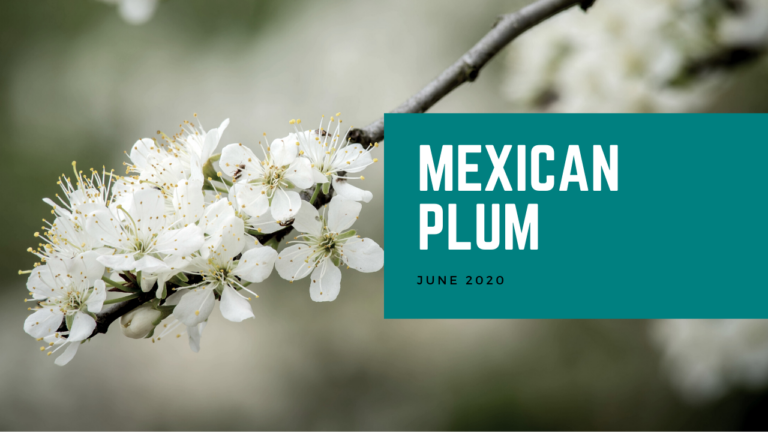
Plant of the Month: Mexican Plum
June 2020 Plant of the Month
Botanical name: Prunus mexicana
Common names: Mexican Plum, Bigtree Plum, Inch Plum
Bexar Roots June 2020
**ARCHIVED POST ** from 2020-06-02 Click Here **ARCHIVED POST** **ARCHIVED POST LINKS & PICTURES MAY NOT WORK** **ARCHIVED POST AUTHOR: aawalt **
Setting our SITES on Gold
**ARCHIVED POST ** from 2020-06-01 June 23, 2020 ONLINE Chapter Meeting View Recorded Session Justin Hayes The Dell Seton Medical school at the University of Texas Austin is a SITES Gold Certified landscape that is a dynamic all native sustainably managed landscape in the heart of Austin right near the
Video, chapter newsletter contests for 2020
The Native Plant Society will hold its annual video and newsletter contests again in 2020. Deadline for entering is September 1.
May 2020
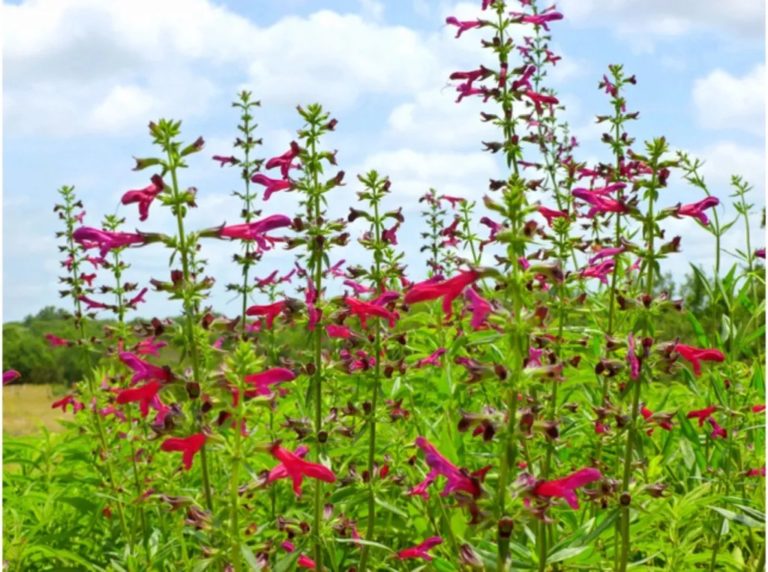
NICE! Plant of the Month Big Red Sage (Salvia pentstemonoides) Photo courtesy of Lee Page, Lady Bird Johnson Wildflower Center) Family: LamiaceaeOther Common Names: Penstemon sage, Beardtongue red sageType: Perennial herb/wildflowerNatural Habitat: Seeps along ledges and streams in riparian habitats in central and lower Edwards Plateau. Also depressions and ravinesDeer Resistance: LowWildlife: Attracts hummingbirdsLight Tolerance: morning sun/partial
INaturalist:Documenting Plants & Animals in Science & Learningy Nature Challenge
**ARCHIVED POST ** from 2020-05-14 May 26, 2020 ONLINE Chapter Meeting Join Texas Nature Trackers Biologist Craig Hensley for an introductory look at TPWD’s Texas Nature Trackers Program and how we engage community/citizen scientists to help document native plants (and animals) for conservation. You’ll be introduced to the iNaturalist app
Bexar Roots May 2020
**ARCHIVED POST ** from 2020-05-01 Click Here **ARCHIVED POST** **ARCHIVED POST LINKS & PICTURES MAY NOT WORK** **ARCHIVED POST AUTHOR: aawalt **
Safety Message – Suspension of in-person meetings, activities, and events
**ARCHIVED POST ** [from Dallas Baxter] We want everyone to be safe and healthy. That’s why the Native Plant Society of Texas has suspended all in-person meetings, activities, and events. Please bear with us and continue to support our mission while we go through this difficult time. Stay home. Stay
Special Announcement from the Native Plant Society of Texas
**ARCHIVED POST ** The state office of the Native Plant Society of Texas has directed all chapters to forward the following message to you. I hope this not only finds everyone safe and well, but perhaps a little more optimistic this Thursday evening with the promising news of declining
