

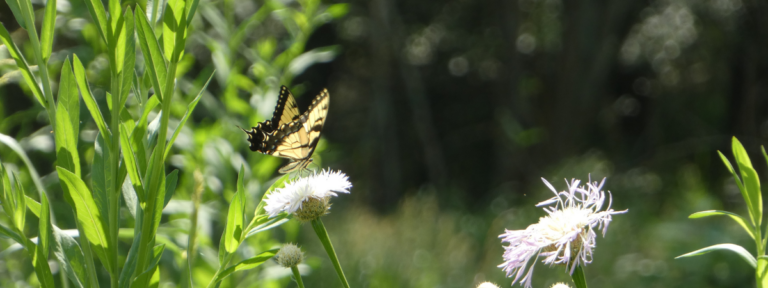
Chapter Meeting: New Prairies on the Block
A coastal prairie double feature — The Dick Benoit Prairie and Prairie/Savannah restoration on the UHCL campus.
NPSOT Dallas August 21, 2023 meeting: Earth-Kind Landscaping
TOPIC: Earth-Kind Landscaping is a term coined by Dr. Steve George that uses research-proven techniques to provide maximum garden and landscape enjoyment while preserving and protecting the environment. Regenerative Research and Teaching Earth-Kind Landscaping – Presentation handout (PDF 14 MB) SPEAKER: Join Katerina Velasco Graham, the Dallas County Horticulture Extension
Pollinatives Grand Opening on September 1 (local native plant nursery)
A brand new native plant nursery is opening Fall 2023!
Sustain the Migration: Go Native at the Nectar Bar on September 9 (local native plant nursery)
Local native plant nursery opens for the fall!
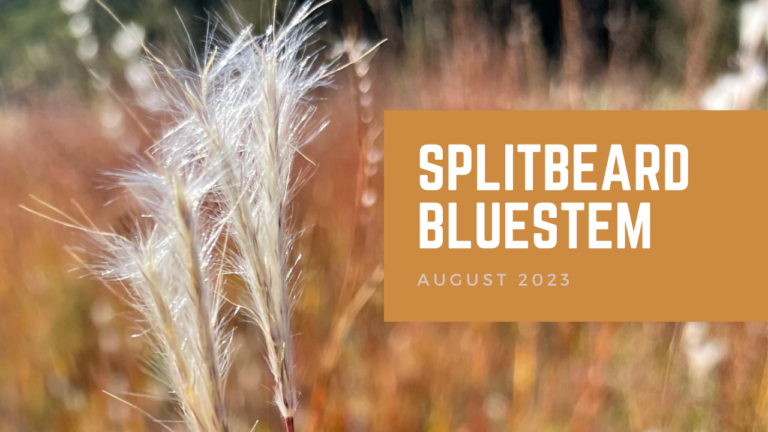
Plant of the Month: Splitbeard Bluestem
Our plant of the month for August 2023 is a perennial bunchgrass found in meadows and prairies.
Botanical name: Andropogon ternarius
Common name(s): Splitbeard Bluestem, Split Bluestem, Feather Bluestem, Paintbrush Bluestem, Silvery Beardgrass

NLCP Level 2 Class Coming September 9
The Highland Lakes Chapter of the NPSOT still has some openings for their Native Landscaping Certification Program (NLCP) level 2 class coming up on September 9 in Marble Falls. For more information on the NLCP program you can see our NLCP program page. Level 1 is a prerequisite for this

New Native Plant Nursery – Pollinatives
We have a new Texas native plant nursery opening in Converse Texas, which is northeast of San Antonio near Schertz. Although Converse is a bit of a drive from Austin, it’s great to have new Central Texas native plant options. Don Gerber is a member of the San Antonio NPSOT
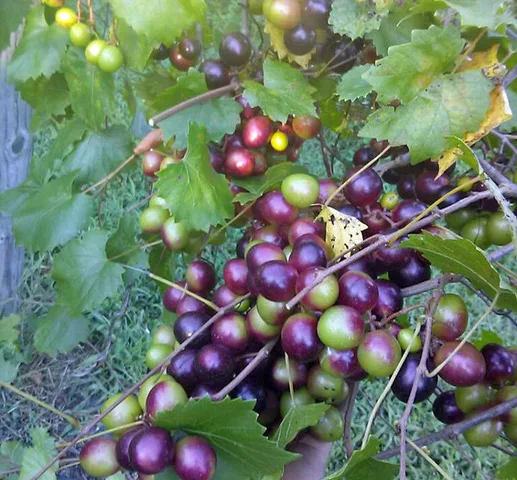
Muscadines Landing Everywhere
A chapter member reflects on his experience with growing muscadine grapes after our July chapter presentation

Plant of the Month August 2023 – Chrysopsis pilosa
The soft golden aster is an erect annual that grows in rocky dry prairies, fields, glades, and roadsides. It can bloom from May through October.

Shoreacres Monarch Waystation Sign Unveiled
The Clear Lake Chapter of the Native Plant Society of Texas (NPSOT) is excited to unveil a new Monarch Waystation sign on Shoreacres Boulevard at SH 146.
NPSOT at Texas Nursery and Landscape Expo
The Native Plant Society of Texas had a booth at the Texas Nursery and Landscape (TNLA) Expo in San Antonio, Aug. 10 – 11. Haely Giambalvo, member of the San Antonio Chapter, also gave a presentation about native plants. We shared information about the benefits of using native plants in

