

Spring Native Plant Sale Fundraiser – April 15, 9am-Noon at RNC
**ARCHIVED POST ** Don’t miss our annual Spring Native Plant Sale at Riverside Nature Center. The proceeds from this sale benefit our NPSOT chapter, Hill Country Master Naturalists and Riverside Nature Center. The plant sale committee is busy rounding up plants for the sale. Our wishlist is here BUT check
April 11 – Chapter Meeting – Field Trip to Enchanted Rock
**ARCHIVED POST ** There will be no Chapter Meeting this Tuesday, April 11 at RNC. Instead, we will be heading to Enchanted Rock for an easy, guided hike. There will be time to summit the rock if you choose the hike if you choose. There is also an optional trip
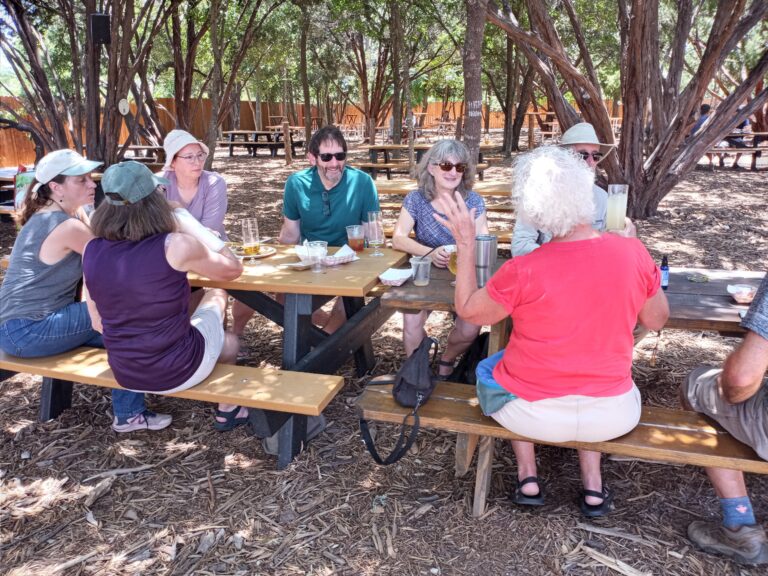
Volunteer Appreciation Letter from our Chapter President
In Honor of National Volunteer Week, please accept the following: I am writing to extend a huge thank you to all of our volunteers who make the programs and events of our NPSOT Austin Chapter possible. How much do we appreciate everything you have accomplished? “Let me count the ways:”
Hiron, Braun Introduce Resolution Designating April 2023 as National Native Plant Month
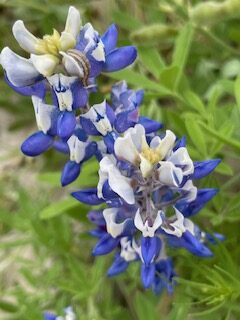
On Monday, March 27, 2023, U.S. Senators Mazie K. Hirono (D-HI) and Mike Braun (R-IN) introduced a bipartisan resolution designating April 2023 as “National Native Plant Month” and recognizing the importance of native plants to environmental conservation and restoration, as well as in supporting a diversity of wildlife. It has
Hirono, Braun Introduce Resolution Designating April 2023 as National Native Plant Month
On Monday, March 27, 2023, U.S. Senators Mazie K. Hirono (D-HI) and Mike Braun (R-IN) introduced a bipartisan resolution designating April 2023 as “National Native Plant Month” and recognizing the importance of native plants to environmental conservation and restoration, as well as in supporting a diversity of wildlife. It has
“Deep in the Heart” on PBS – Apr 5 at 7pm
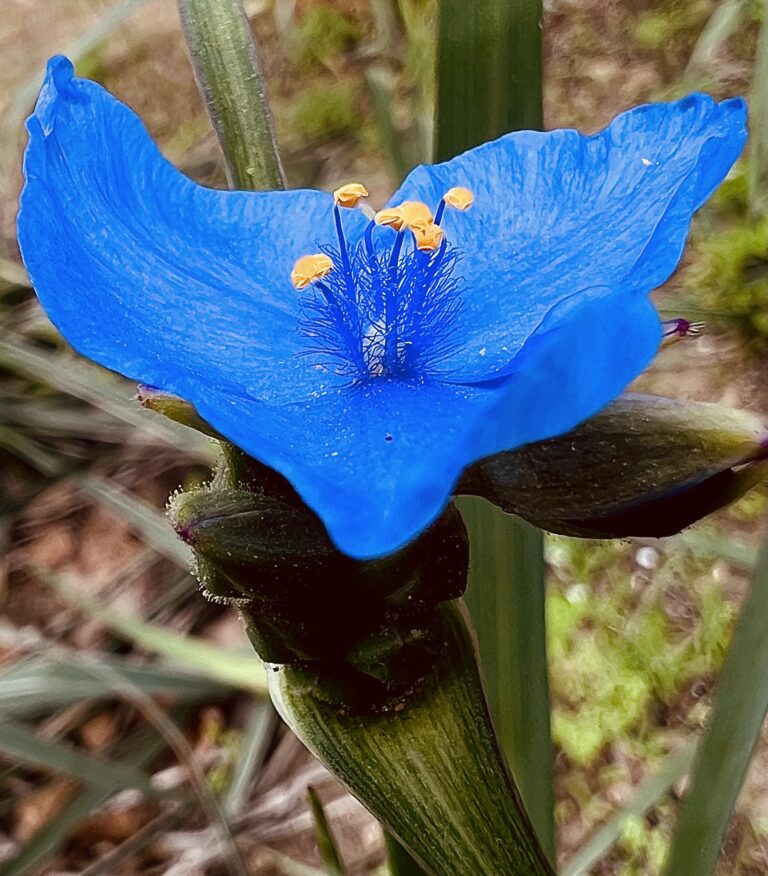
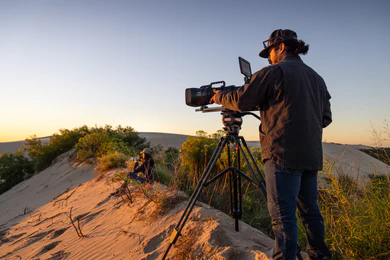
Deep in the Heart is a visually stunning celebration of Texas’ diverse landscapes and remarkable wildlife found nowhere else. Narrated by Matthew McConaughey, the film aims to conserve our remaining wild places, to show the connectivity of water and wildlife, and to recognize Texas’ conservation importance on a continental scale.
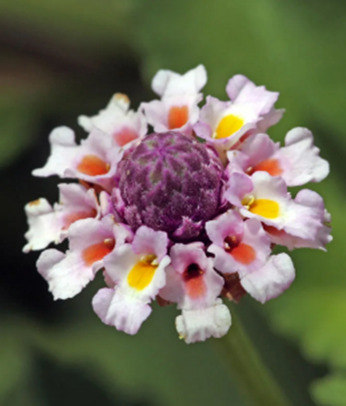
Spring 2023 Member Magazine
Our mission is to promote the conservation, research, and utilization of the native plants and plant habitats of Texas through education, outreach, and example.

Hardberger Park: From Conception to Completion
April 2023 Presentation by Wendy Leonard Nature Preserve Officer City of San Antonio Phil Hardberger Park Phil Hardberger Park opened to the public in May 2010. Wendy Leonard, PHP Nature Preserve Officer, oversaw the transformation of the land from a former dairy farm to the 330-acre nature preserve that it
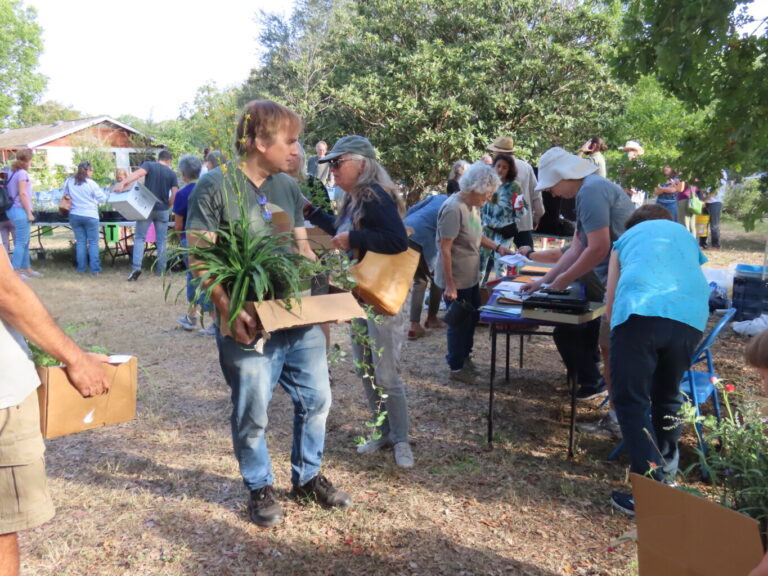
Plant sale sold out!
After opening at 10:00 a.m., the plant sale sold out by 1:30! Thanks for coming by and enjoy your plants! If you missed us this spring, stay posted for more information about our fall plant sale.

Texas Water Day at the Capitol
By Meg Inglis, Executive Director, Native Plant Society of Texas On February 27th Clarence Reed, VP Affiliations and Advocacy and I represented the Society at “Texas Water Day at the Capitol.” The event was sponsored by the Texas Water Foundation – “a nonprofit working to lead Texas toward a resilient
